
Thread Snips Wholesale: A Practical Buying Guide for Sewing, Craft, and Textile Teams
Thread Snips Wholesale helps buyers source a compact cutting tool that solves a small but constant production problem: trimming sewing thread, loose yarn, and fine fabric fibers quickly without interrupting workflow. For sewing rooms, quilting benches, embroidery stations, and repair kits, the right thread snips reduce cleanup time, improve finishing consistency, and keep operators working with a tool that is easy to carry and simple to use.

1. What This Product Is Designed to Do
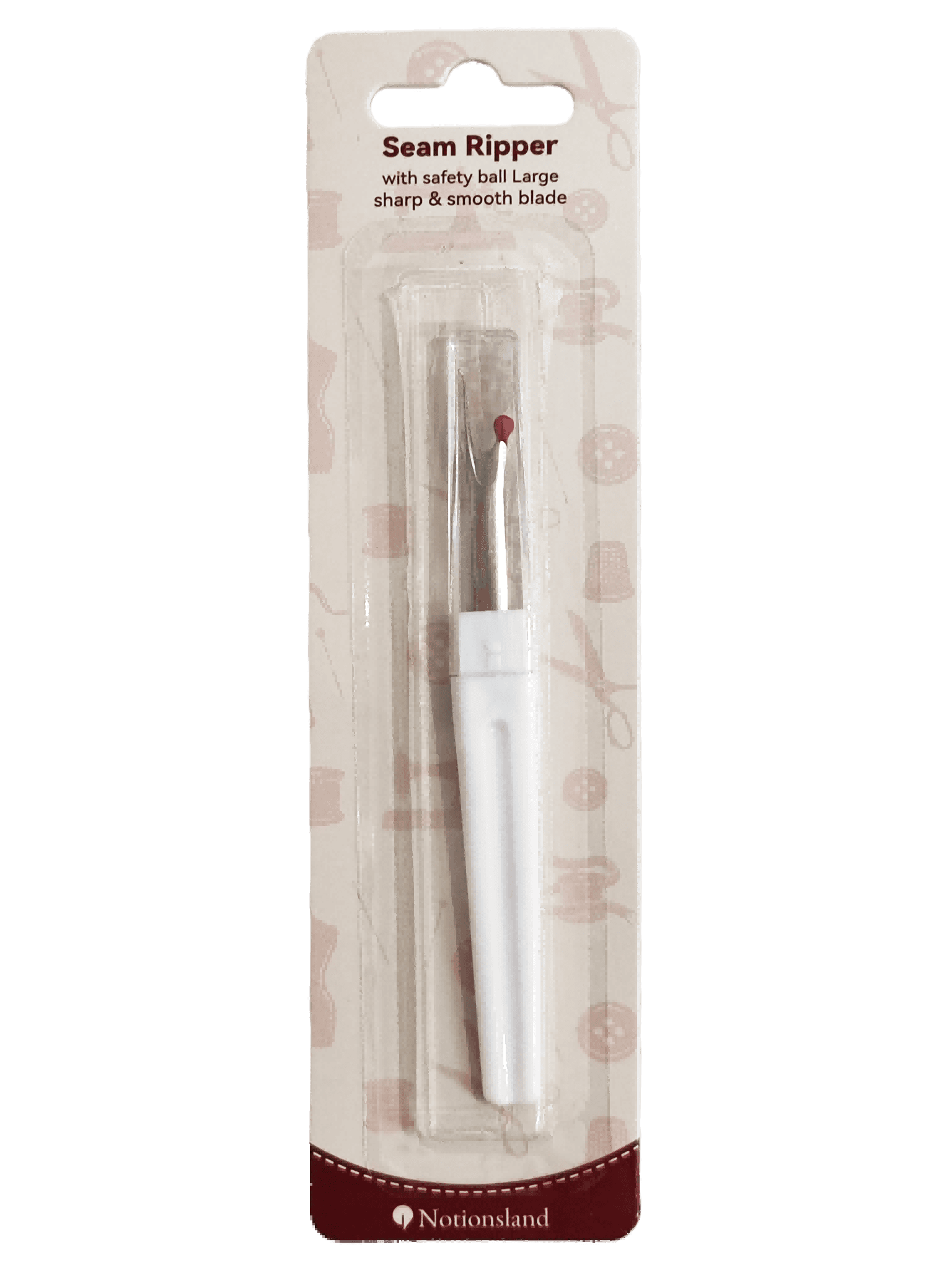
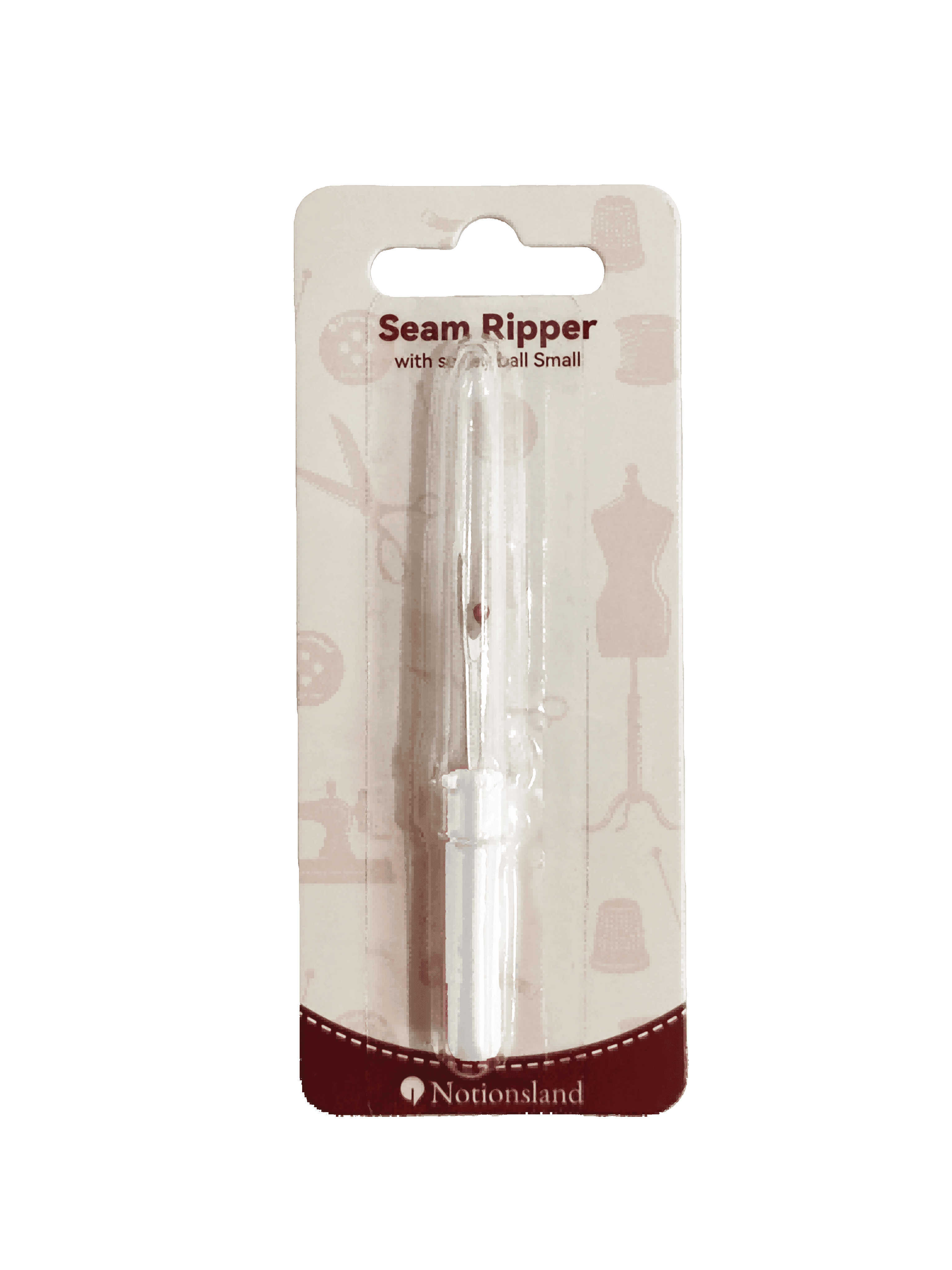
These handheld thread snips are a pocket-sized cutting tool built for precise trimming tasks. The visible structure suggests a long, narrow body with a top safety cap over the cutting end and a lower push or release area for control. That format is especially useful when the user needs fast access to a sharp blade in a compact form factor.
Based on the available product information, the tool is intended for sewing thread, loose yarn, and small fiber cleanup rather than heavy cutting. It fits common textile and craft routines where clean thread ends matter more than cutting depth or force.
2. Key Visible Features Buyers Can Evaluate
- Compact body: The tool appears pen-like and pocket friendly, which makes it suitable for kit storage and mobile use.
- Safety cap: A top cap is visible over the cutting end, which can help protect the blade during transport and storage.
- Sharp cutting end: The packaging highlights a sharp and smooth blade, indicating focus on clean trimming rather than rough snipping.
- Simple control area: A lower push/button-style section is visible, suggesting straightforward one-handed handling, though the exact mechanism is not fully shown.
- Retail-friendly packing: The product is shown in a hanging blister card, which is useful for display, distribution, and shelf presentation.
3. Materials and Finish Options to Expect
The visible body appears to be made from plastic with white and blue translucent or opaque sections. That type of housing is common in small hand tools because it keeps the structure lightweight and easy to mold. The cutting element appears to be metal, but the exact blade material is not stated and should not be assumed.
From an appearance standpoint, the finish looks smooth and molded, with the blue cap showing some ribbed or translucent detail. Buyers comparing Thread Snips Bulk options often focus on durability of the housing, comfort in the hand, and how the safety cap feels during repeated use. Those are practical points to confirm in samples or technical sheets.
4. Likely Manufacturing Approach
- Plastic housing fabrication: The body is likely produced through injection molding, which suits compact tools with consistent outer shape.
- Blade preparation: The cutting piece is probably a stamped or sharpened metal assembly, though the exact process is not visible.
- Final assembly: The cap, body, and blade mechanism are assembled into a handheld unit ready for retail or wholesale packaging.
- Card packaging: Hanging blister card packaging supports merchandising and can make inventory handling easier for resellers.
Because hidden parts are not visible, details such as locking design, replacement parts, or corrosion resistance should be confirmed directly with the supplier before purchase.
5. Common Application Scenarios
- Sewing kits: Useful for trimming thread tails after stitching and keeping kits compact.
- Tailoring work: Helps operators clean up thread ends during garment finishing.
- Embroidery stations: Handy for small corrections where precise trimming matters.
- Quilting and craft rooms: Supports frequent thread cleanup without reaching for larger scissors.
- Portable repair use: Fits bags, travel kits, and on-the-go textile fixes.
For businesses sourcing from a Sewing Thread Snips Supplier, these use cases matter because they shape order planning. A buyer for retail craft channels may prioritize display packaging, while a workshop buyer may focus more on comfort, cap protection, and repeat usability.
6. Quality Control Points Worth Checking
- Blade alignment: Confirm that the cutting edge closes cleanly and does not snag thread.
- Cap fit: Check that the safety cap seats properly for storage and transport.
- Housing consistency: Look for uniform molding, smooth edges, and stable assembly.
- Cutting feel: Test whether the tool produces a clean trim on common sewing thread and light fibers.
- Packaging integrity: Verify that blister card packaging protects the item during shipping and retail display.
These checks are especially important when placing Thread Snips Wholesale orders for resale or for multi-user sewing environments, since consistency matters across a large quantity.
7. Customization and Sourcing Considerations
Buyers often ask about color, packaging, branding, and order volume when evaluating Thread Snips Bulk purchases. Based on the visible product, color variation may be possible through the plastic body and cap components, but customization details are not provided here. If you are planning a private label or a retail program, ask whether card design, logo placement, and pack counts can be adjusted.
It is also worth confirming the exact blade style, whether the cap is fully protective or partial, and how the release/control area functions. Those details affect user confidence, especially in shops where tools are shared and handled frequently.
8. Buyer Decision Factors Before Ordering
- Intended use: Match the snips to thread trimming, yarn cleanup, or light craft finishing.
- Safety needs: Consider whether your team needs a capped tool for bag storage or travel.
- Display format: Hanging blister packaging may be ideal for retail shelves.
- Comfort and speed: A pocket-friendly size is useful when operators need frequent access.
- Supplier transparency: Ask for material details, assembly method, and any test or sample information that can be verified.
These factors help buyers avoid overbuying a tool that looks similar to others but does not fit the actual workflow.
9. Why This Product Fits Wholesale Programs
Thread snips are a small item, but they can move quickly in sewing, quilting, and embroidery markets because they are practical, low-bulk, and easy to add to a kit or retail wall display. The product shown here combines a compact shape, visible cap protection, and a straightforward cutting form that is familiar to textile users. For wholesale buyers, that makes it a sensible line item to source alongside other sewing accessories.
10. Request Samples or Bulk Pricing
If you are evaluating Thread Snips Wholesale for your store, workshop, or kit assembly line, ask for samples, packaging details, and material confirmation before placing a larger order. Clear specifications help you compare suppliers, plan inventory, and select the version that best fits your customer base.