Standard Safety Pins for Everyday Fabric Fastening
Standard safety pins are a simple answer to a common problem: how to hold fabric, labels, or lightweight materials together without committing to a permanent stitch or adhesive. For sewing rooms, classrooms, offices, and craft benches, these small fasteners keep projects moving when a quick, removable hold is needed. This 38 mm / 1 1/2" pack of 48 pieces offers a practical supply for buyers who want dependable, reusable fastening notions in one compact package.
Product Overview
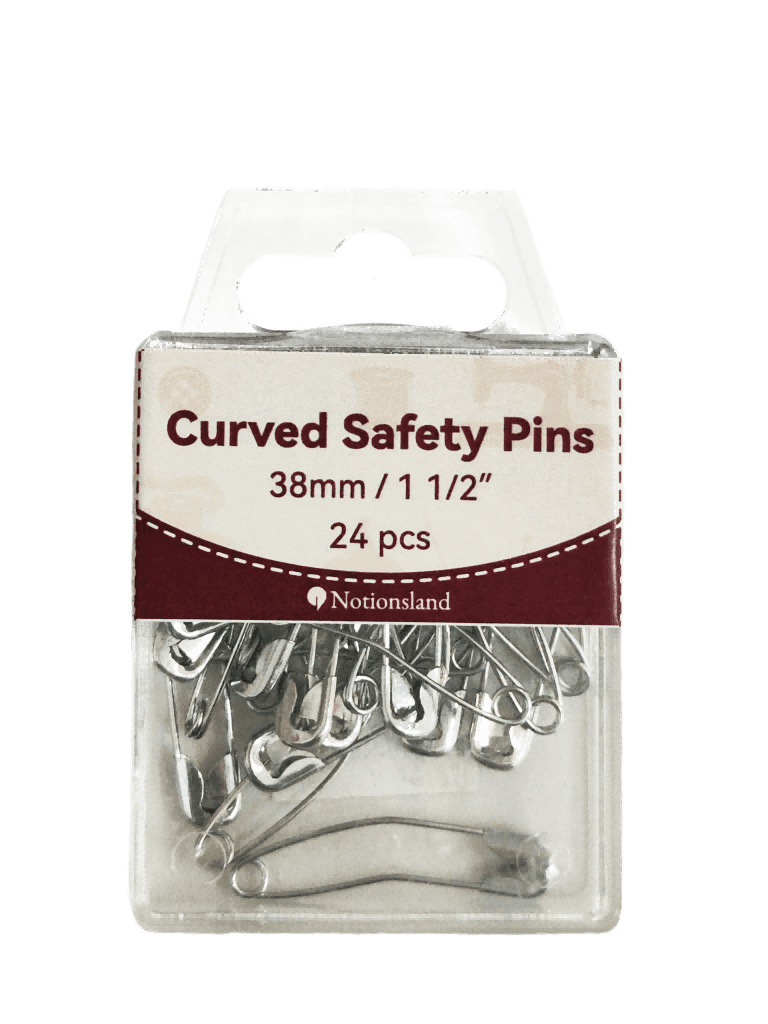
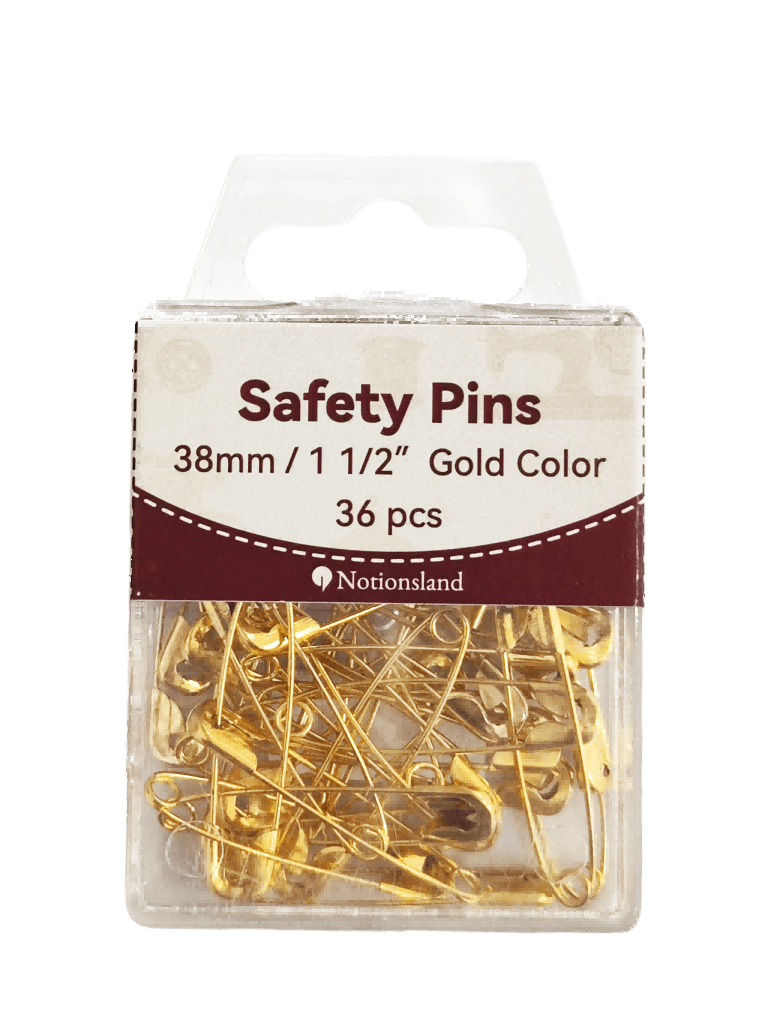
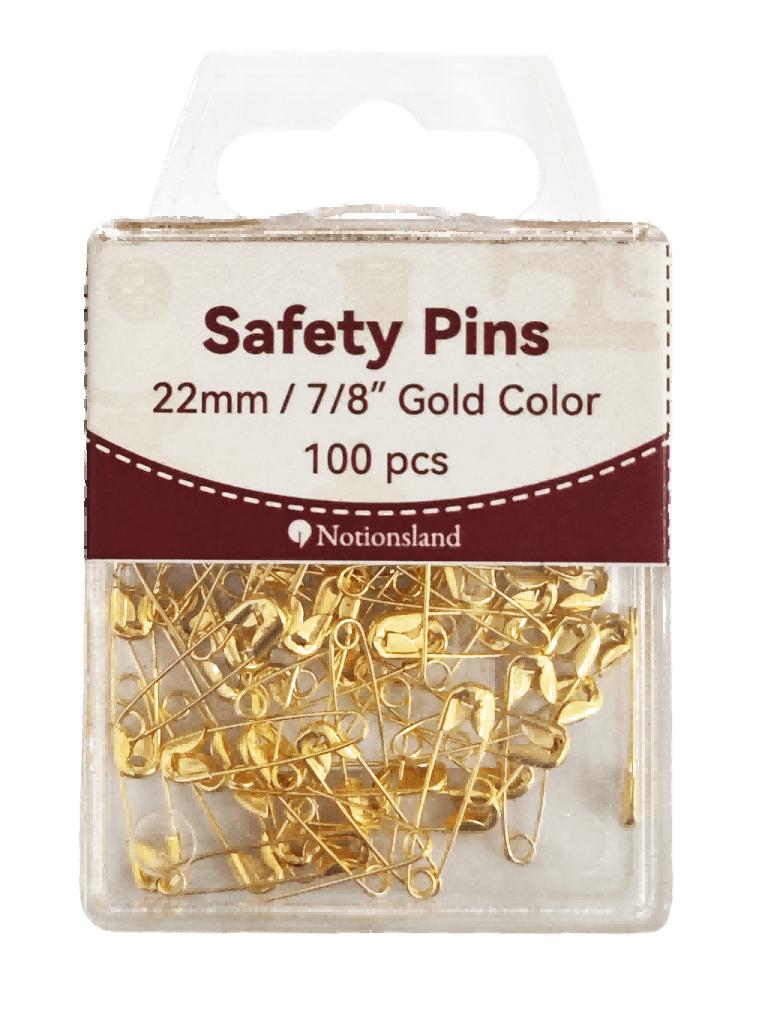
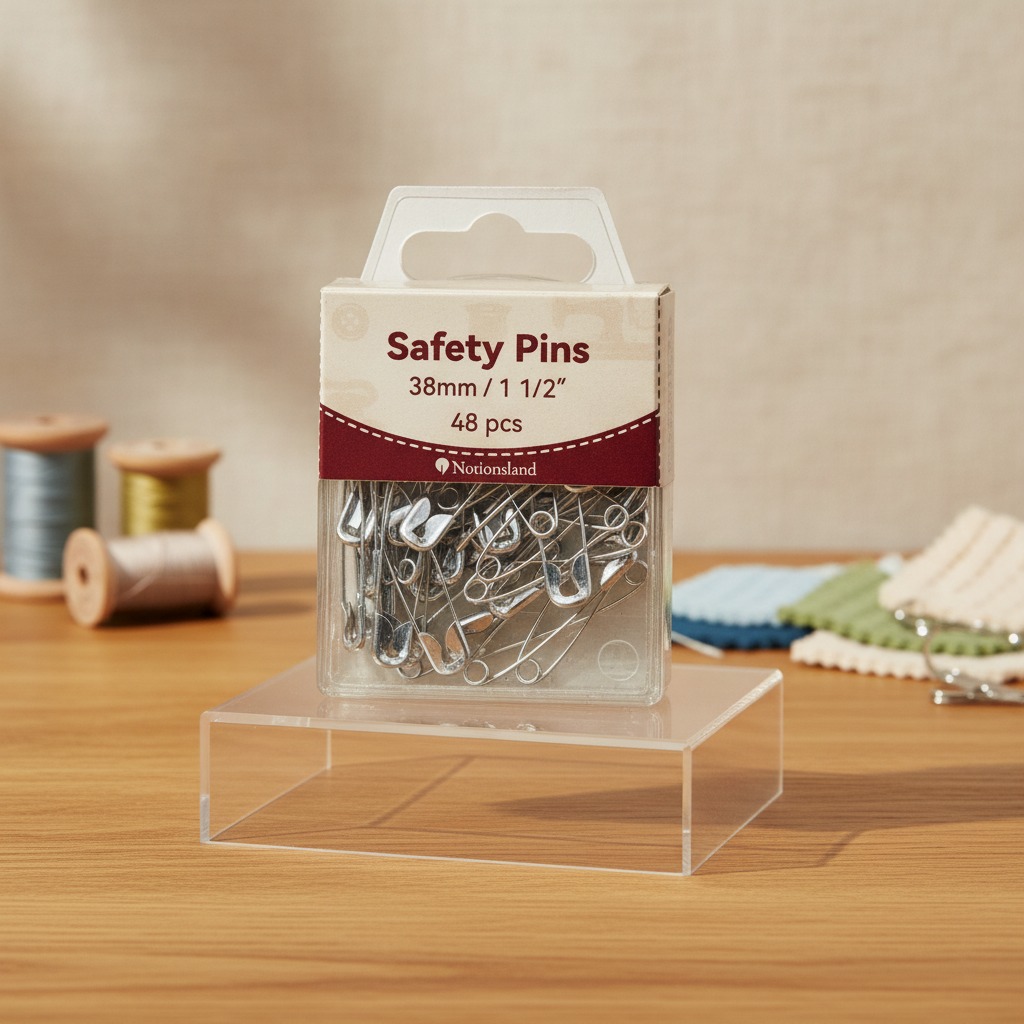
This product is a packaged set of safety pins presented in a clear plastic-front blister card with a cardboard header and hang tab. The visible format makes it easy to store, display, or distribute in retail and workshop settings. The pins themselves appear to be shiny silver-colored metal wire with a coiled spring head and a locking clasp end, which is the familiar structure users expect from standard safety pins.
The 38 mm size sits in a versatile middle range for many light-duty tasks. It is large enough to handle general sewing and craft use, while still compact enough for labels, samples, and small repairs. For buyers sourcing basic fasteners in bulk-friendly pack sizes, the 48-piece count provides enough quantity for repeated daily use without taking up much shelf space.
Key Specifications and Capabilities
Visible pack details
The listed pack content includes 48 pieces, each measuring 38 mm / 1 1/2". The brand/name shown is Notionsland. These are standard safety pins, not specialty pins with unusual shaping or added mechanisms.
Functional use
In practical terms, standard safety pins work well for temporarily fastening fabric layers, securing garment hems before stitching, holding quilt sections in position, attaching tags or labels, and organizing craft components. They are also useful in office and household settings where a short-term fastening solution is needed.
Materials and Finish Options
From the visible product information, the pins appear to be metal with a smooth silver-colored finish. The exact alloy, coating, corrosion resistance, and pin gauge are not specified, so buyers should treat those details as unknown unless confirmed by the supplier. Even so, the common wire-and-clasp construction is well suited to repeated opening and closing in normal light-duty use.
For procurement teams, finish appearance can matter as much as function. A clean silver look blends well with garments, craft kits, and general-purpose stationery or sewing assortments. If your application requires a specific metal type, such as stainless steel or nickel-plated hardware, it is worth confirming before purchase.
How These Pins Are Made
Standard safety pins are typically produced from bent wire that is formed, coiled, and assembled into the locking shape. That process creates the spring tension needed for the clasp to close securely. The visible structure here matches that general manufacturing method: a curved pin body, a coiled head, and a pointed end that locks into the clasp. Because hidden specifications are not provided, no further claims about heat treatment or surface treatment should be assumed.
Application Scenarios
These pins fit a wide range of low-risk, temporary fastening jobs. In garment work, they help hold seams, align hems, or keep fabric pieces together before stitching. In quilting and sewing studios, they support layout and sample preparation. In craft environments, they are handy for costume making supplies, handmade accessories, and light assembly tasks.
They also serve as multi-purpose fasteners in schools, offices, and homes. Users may pin tags to textiles, bundle small items, or create temporary holds for labeling and sorting. That flexibility is why buyers often keep safety pins in general inventory rather than limiting them to one department.
Quality Control and Buyer Decision Factors
When comparing standard safety pins, practical buyers usually focus on size, count, visual finish, packaging convenience, and intended workload. The 38 mm length and 48-piece count make this pack suitable for routine use rather than heavy industrial fastening. If your operation needs a small, portable, easy-to-store supply, this format is efficient.
Quality checks for this category generally center on consistent shape, smooth closure, point alignment, and reliable clasp action. Since exact performance data is not supplied here, buyers should evaluate the product based on sample inspection and their own handling requirements. For resale or kit-building, the blister-card packaging also supports neat presentation and easy hanging display.
Customization and Procurement Guidance
If you are sourcing safety pins for a private-label sewing kit, classroom pack, or retail assortment, consider whether you need a different size, piece count, or package style. Some buyers prefer bulk loose packing; others need retail-ready blister cards. Matching the format to the end user is often more important than choosing the smallest possible unit cost.
It is also wise to clarify material preferences, especially if the pins will be used around moisture, stored for long periods, or included in garment-care kits. Since the exact alloy is not stated, confirm those details with the supplier if they are critical to your application.
Request a Practical Fastener Supply
For sewing, crafts, labeling, and everyday temporary fastening, these standard safety pins offer a straightforward solution with a useful 38 mm size and 48-piece pack count. If your team or customers need dependable basic notions that are easy to store and easy to use, this format is a strong fit. Contact your supplier to confirm material details, packaging options, and order quantities for your project or resale plan.