
Sewing Thread Wholesale Buying Guide
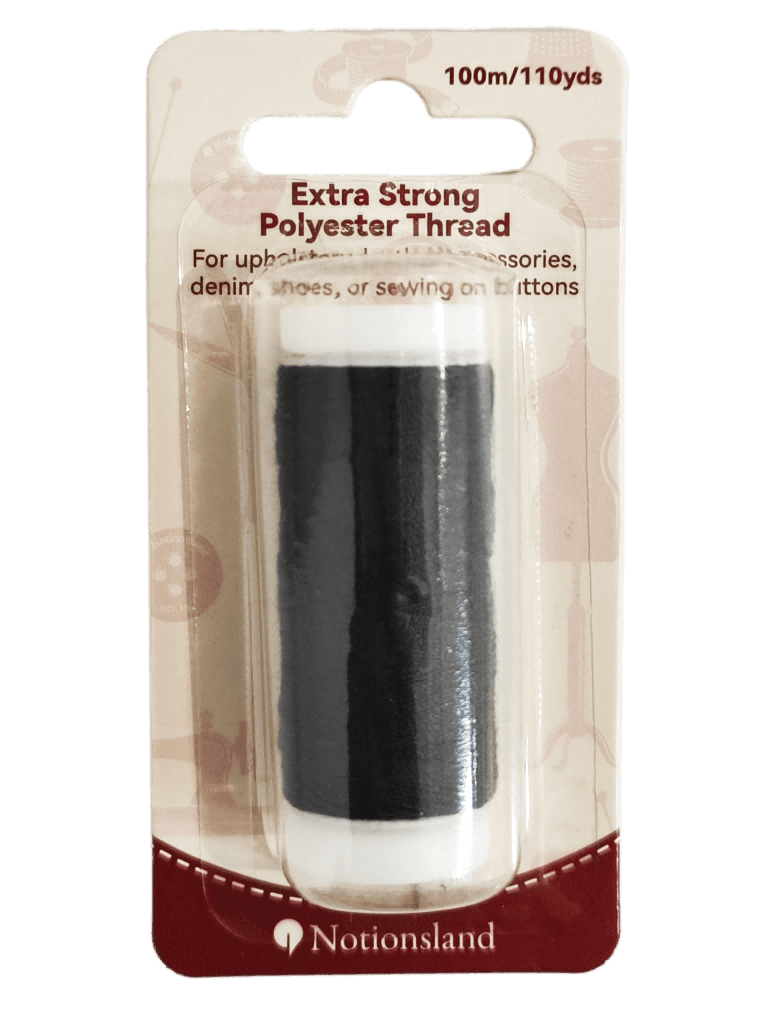
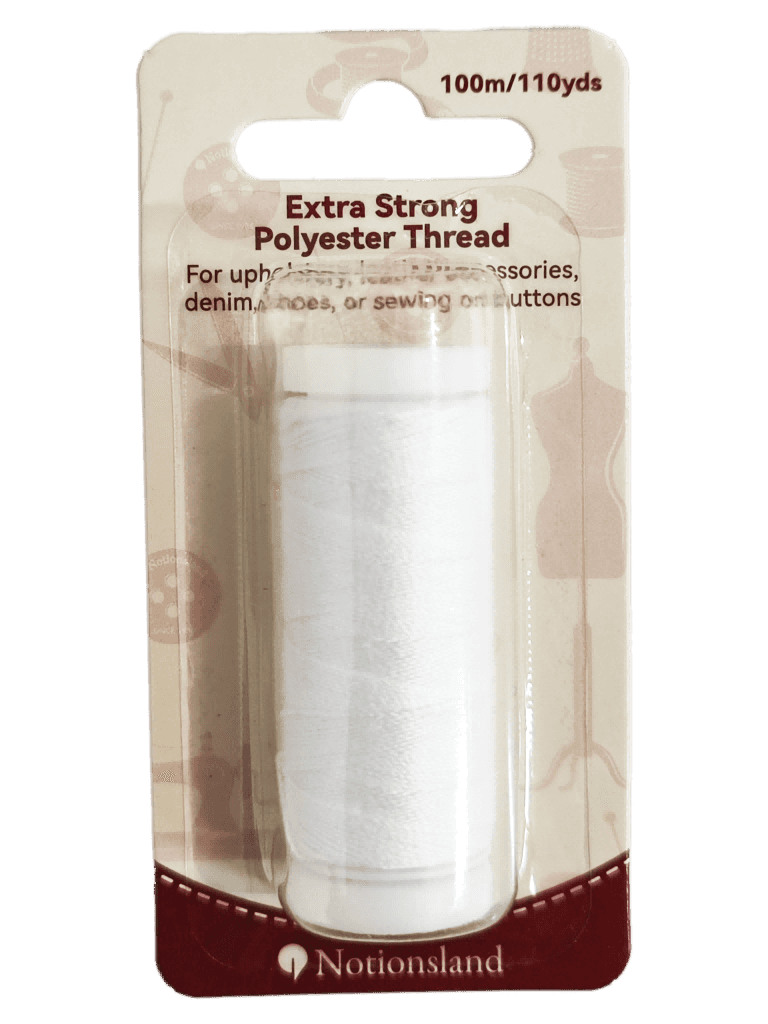
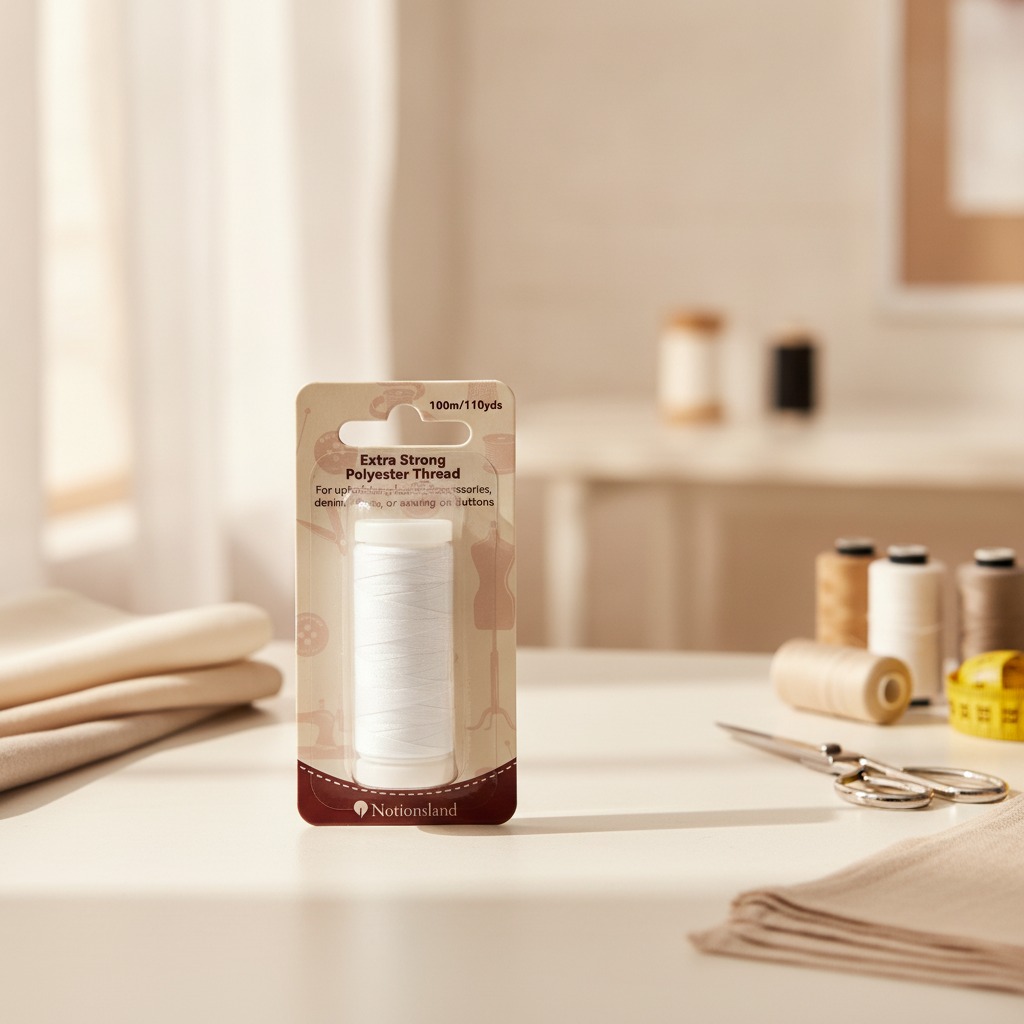
If you are sourcing Sewing Thread Wholesale for repair kits, retail shelves, or industrial supply channels, the main problem is consistency: buyers need thread that runs smoothly, holds up in demanding seams, and arrives in packaging that is easy to display and resell. The product shown here is an extra strong polyester sewing thread on a 100 m / 110 yds spool, packaged in a clear blister pack for retail presentation. It is suited to common heavy-duty tasks such as upholstery, denim repair, shoe repair, and button sewing.
Product Overview
This thread is positioned as a general-purpose but heavier-duty sewing consumable. The visible package text highlights “Extra Strong Polyester Thread,” which makes it a practical choice where standard lightweight thread may be too weak. Because the spool is presented in blister packaging with a hang tab, it also fits retail merchandising, point-of-sale display, and bundled sewing accessories.
For buyers comparing Sewing Thread Bulk options, the key benefit is broad utility. A single spool format can serve repair counters, garment shops, craft stores, and distributors that need a reliable white thread for everyday use.
Key Specifications and Capabilities
Visible product facts
The visible details include a white polyester thread, a small cylindrical spool, and a printed package indicating 100 m / 110 yds. The packaging also associates the thread with heavier-duty uses, including upholstery, denim, shoes, and buttons. These are practical signposts for buyers who need a thread that is more robust than basic all-purpose sewing thread.
What buyers should confirm
Several technical details are not visible and should be verified before purchase in volume. These include ply count, yarn count, twist level, tensile performance, coating, and whether the spool is better suited to hand sewing, machine sewing, or both. A Sewing Thread Manufacturer should be able to confirm these points with product sheets or samples.
Materials and Finish Options
The thread appears to be polyester, a common choice in sewing because it is generally durable and practical for many repair applications. Polyester is often selected for its balance of strength and everyday usability. The visible color is white, which is a standard option for alterations, repairs, and neutral stitching.
In wholesale sourcing, buyers often look for multiple colorways, package styles, or spool formats. If your program requires retail-ready packaging, the blister-card format shown here is useful for peg displays. If your operation is focused on production or kitting, you may want alternate bulk packing options from the supplier.
Manufacturing and Packaging Process
A useful way to evaluate this category is to break it into two parts: thread production and retail packing. First, the polyester filament or yarn is processed into sewing thread and wound onto a compact spool. Then the spool is sealed into a clear plastic blister with a printed backing card and hang tab.
This packaging structure helps protect the thread during shipping while also giving distributors a finished retail item. For Sewing Thread Bulk procurement, packaging choice matters because it affects shelf appeal, labor for kitting, and carton efficiency.
Typical Applications
This type of thread is commonly used for garment repair, button attachment, denim mending, upholstery touch-ups, and shoe repairs. In these scenarios, the buyer usually wants a thread that can handle stress better than lightweight craft thread.
It is also relevant for sewing kits in hotels, travel sets, maintenance departments, and tailors’ counters. White thread is especially useful when the end user needs a neutral color that blends with many fabrics.
Quality Control Points to Check
When sourcing Sewing Thread Wholesale, quality control should focus on visible consistency and practical handling. Check for even winding on the spool, uniform thread appearance, secure packaging, legible labeling, and clean edges on the blister card. Thread that is inconsistently wound can snag or frustrate end users during sewing.
Before placing a larger order, ask for samples and verify stitch behavior on the actual fabrics you plan to use, such as denim, woven apparel, or upholstery material. That step is especially important when the application involves load-bearing seams or frequent abrasion.
Customization Guidance for Buyers
If you are planning a private-label or distributor program, discuss packaging artwork, language, barcode placement, spool count per carton, and color assortment with the supplier. A Sewing Thread Manufacturer can often support custom retail cards or bulk packing configurations, but those details should be confirmed in writing.
For buyers in maintenance, retail, or sewing supply channels, the most important decision factors are the target use case, the required thread color, packaging format, and whether the product needs to be sold as a display-ready item or a warehouse bulk unit.
How to Choose the Right Supplier
Start by matching the thread to the fabric category you serve. For heavier repair work, confirm that the thread is intended for stronger seams. Next, review the packaging format, since blister packs are useful for retail but may not be the most efficient option for every procurement model. Finally, request product samples, carton information, and labeling details before approving a full order.
If you need a dependable source for Sewing Thread Wholesale, use this product as a baseline for comparing material, appearance, packaging, and use case alignment. For further details, request a sample spool and confirm specifications with the supplier before purchase.