
Sewing Thread Supplier Guide for Apparel, Repair, and General Stitching
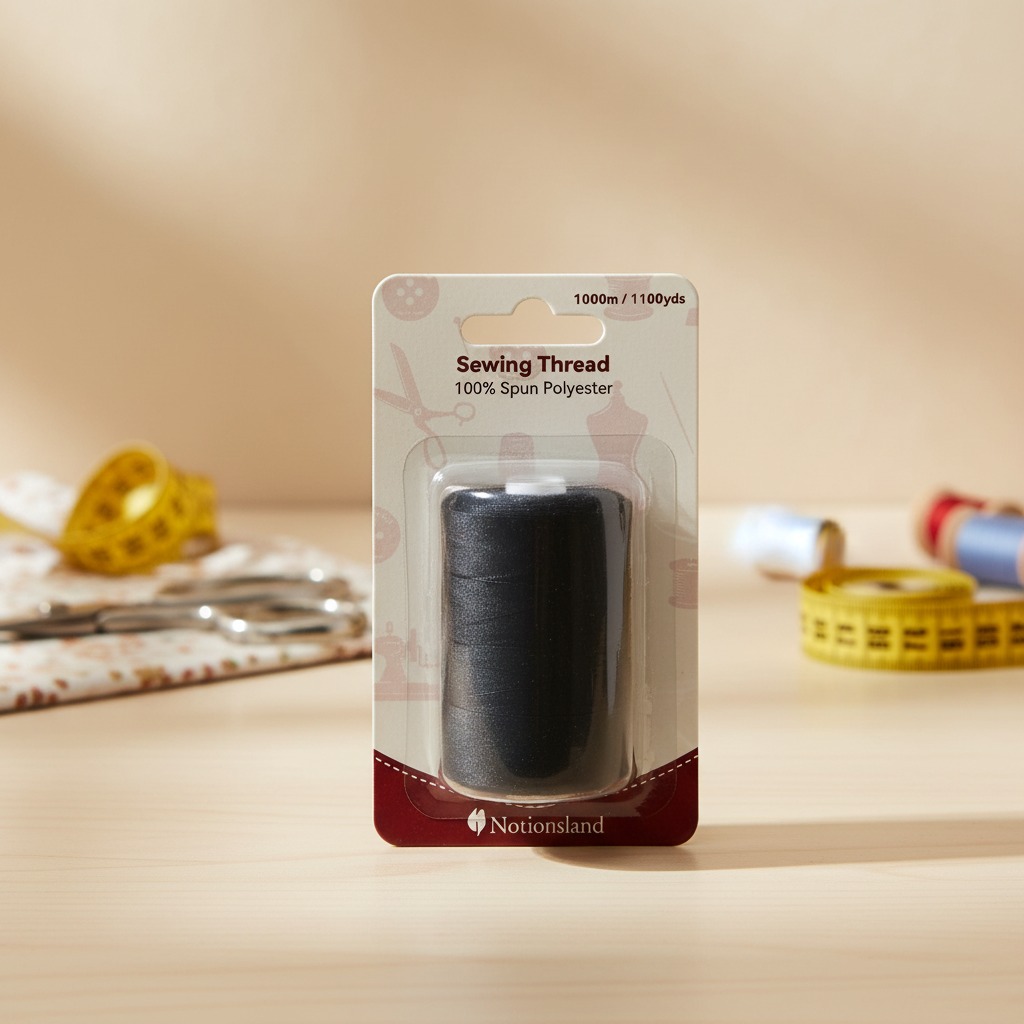
If you are sourcing a Sewing Thread Supplier, the main challenge is finding thread that runs consistently through sewing machines or hand-sewing workflows without frequent breaks, tangles, or uneven seams. A dependable supply helps factories, workshops, alteration rooms, and repair teams keep production moving while maintaining clean stitch appearance and practical seam strength. The product here is a 100% Spun Polyester sewing thread package with a clearly marked length of 1000 m / 1100 yds, making it a useful option for general textile assembly, garment sewing, hemming, and repairs.
Product Overview
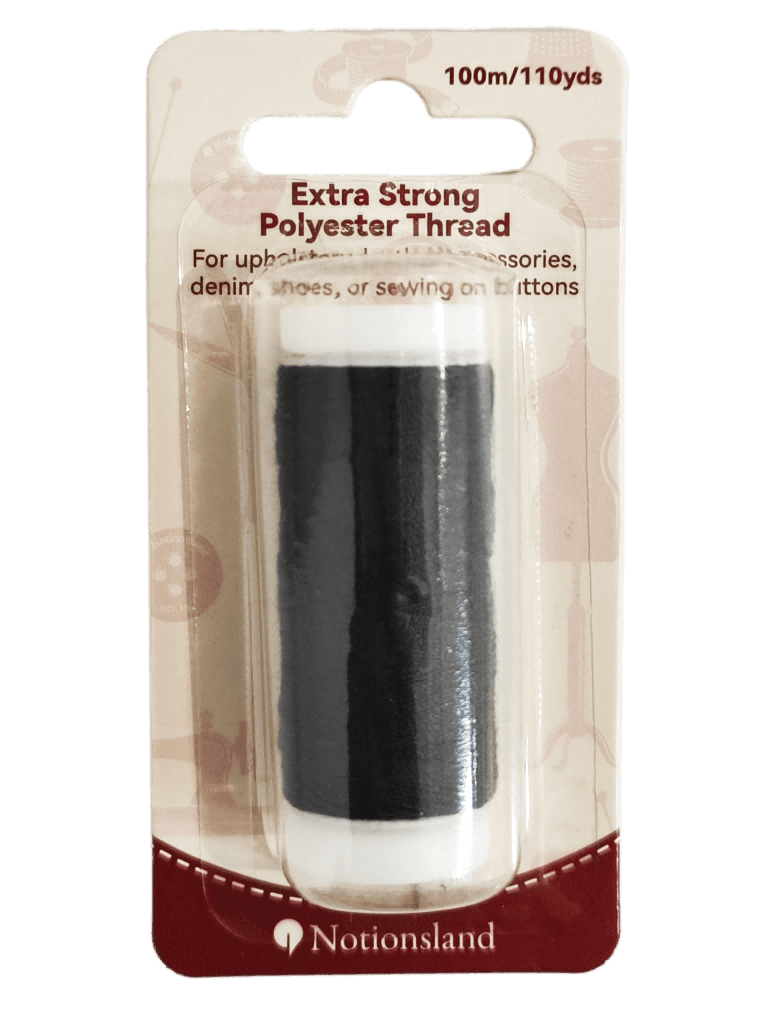
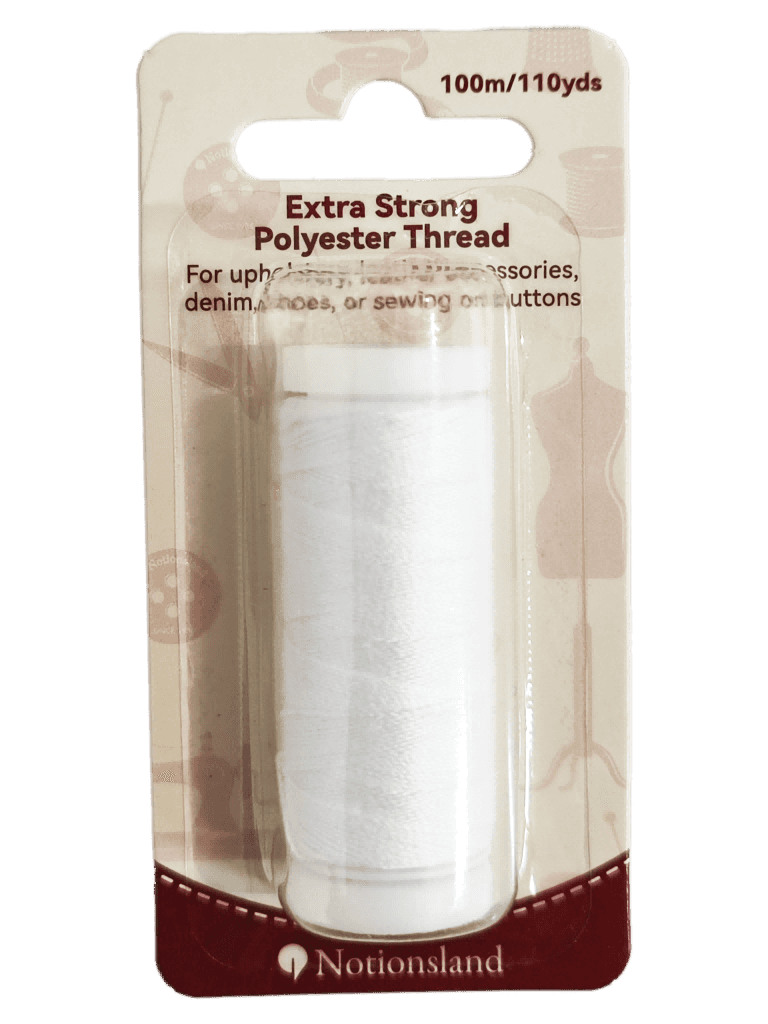
This sewing thread is presented in a spool or cone-like package inside clear blister packaging with a printed backing card and hanging slot. The visible format suggests it is designed for convenient retail display, storage, and handling. The thread itself appears dark gray to black, smooth, and tightly wound. Because only the visible product details are available, it is best to treat this as a general-purpose polyester sewing thread rather than assuming specialized performance for heavy industrial use.
How to Evaluate the Thread for Your Application
1. Confirm the sewing method
Start by identifying whether the thread will be used on domestic sewing machines, industrial machines, or for hand sewing. The package indicates sewing thread for machine or hand use, but exact machine compatibility details are not shown. Match the thread to your stitch type, needle selection, and fabric weight before bulk purchasing.
2. Check the fiber content
The label shows 100% Spun Polyester. Polyester is widely used in apparel and textile production because it is suitable for everyday stitching, repairs, and product assembly. Spun construction generally gives a more natural thread feel than some continuous-filament alternatives, which can matter in garment sewing and utility stitching.
3. Review the package length
The visible length of 1000 m / 1100 yds is a practical reference for buyers planning replenishment cycles. For sewing rooms, this length can support repeat use across multiple garments or repair jobs, while helping reduce changeover frequency compared with shorter consumer spools.
Materials and Finish Options
The only confirmed material detail is spun polyester. No exact yarn count, ply, or finish treatment is visible, so those should not be assumed. From the product appearance, the thread has a smooth surface and a compact winding pattern. The visible dark tone may suit darker fabrics, lining work, topstitch details, utility repairs, or applications where the stitch should blend into deeper shades.
Manufacturing and Packaging Process
For a product like this, the standard workflow typically includes spun polyester fiber preparation, thread formation, winding onto a spool or cone, and packaging in a clear protective blister with a printed card. That format helps protect the thread during shipping and makes shelf display easier. If you are comparing suppliers, ask whether the winding tension is consistent, whether the package is suitable for your dispensing equipment, and whether batch-to-batch appearance is stable.
Common Application Scenarios
This type of thread is commonly used in garment construction, hemming, alterations, textile repair, craft sewing, and general fabric assembly. It is also suitable for repair work where a reliable everyday thread is more important than specialty performance claims. In procurement terms, it fits basic sewing operations that need a practical polyester thread in a standard display package.
Quality Control Checks Buyers Should Request
When working with a Sewing Thread Wholesale Supplier, request confirmation of the visible product data and ask for batch consistency checks. Useful inspections include spool winding uniformity, package integrity, color consistency, and smooth unwinding behavior. Since exact tensile strength, twist, and heat resistance are not provided here, those should be validated separately if your production line depends on them.
Customization and Ordering Guidance
If you are sourcing Polyester Sewing Thread Wholesale, define your needs before asking for quotations: color family, package length, intended fabric type, and whether you need retail-ready blister packaging or bulk packing. For private label or OEM orders, confirm what can be printed on the backing card and whether the supplier can support recurring production in the same color and format. Clear specifications reduce mismatches and prevent stock issues later.
Buyer Decision Factors
The best choice is usually the supplier that can keep the thread dimensions, winding quality, and packaging consistent across repeat orders. Also consider whether the spool format works with your handling process, whether the thread color suits your fabric range, and whether the supplier can document the confirmed material as 100% spun polyester. For production buyers, consistency often matters more than broad marketing claims.
Request a Quote or Sample
If you need a dependable sewing thread source for garment work, repairs, or textile assembly, share your target color, package style, and order volume with the supplier. A clear sample review will help you verify how the thread feeds, looks in the seam, and fits your production method before placing a larger order.