
Sewing Thread Supplier for Everyday Stitching and Repair Work
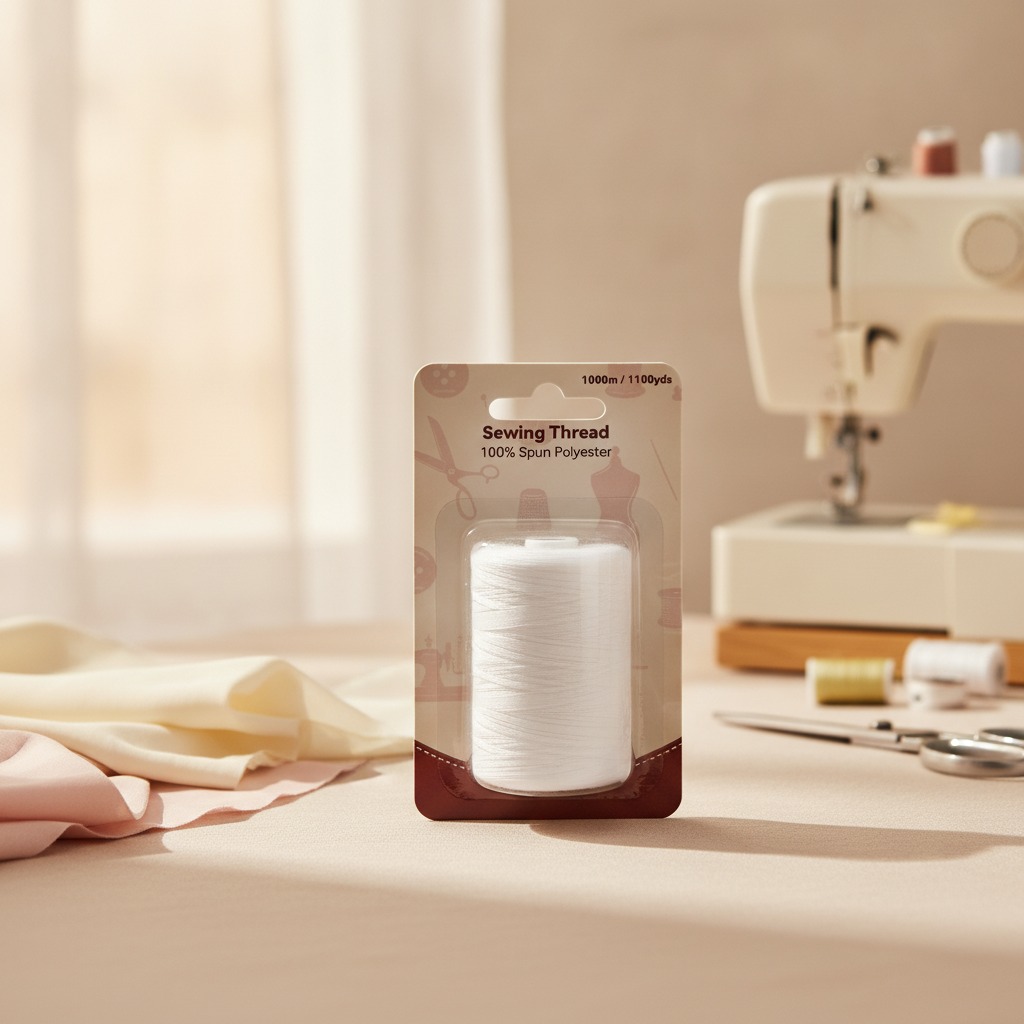
When buyers look for a Sewing Thread Supplier, they are usually trying to solve a practical problem: keep production moving with a thread that can be stocked, displayed, and used without unnecessary complications. This sewing thread spool in retail blister packaging is designed for that kind of everyday need. With 100% Spun Polyester and a printed length of 1000m / 1100yds, it suits garment sewing, alterations, mending, and general stitching tasks where a dependable polyester thread is preferred.
Product Overview
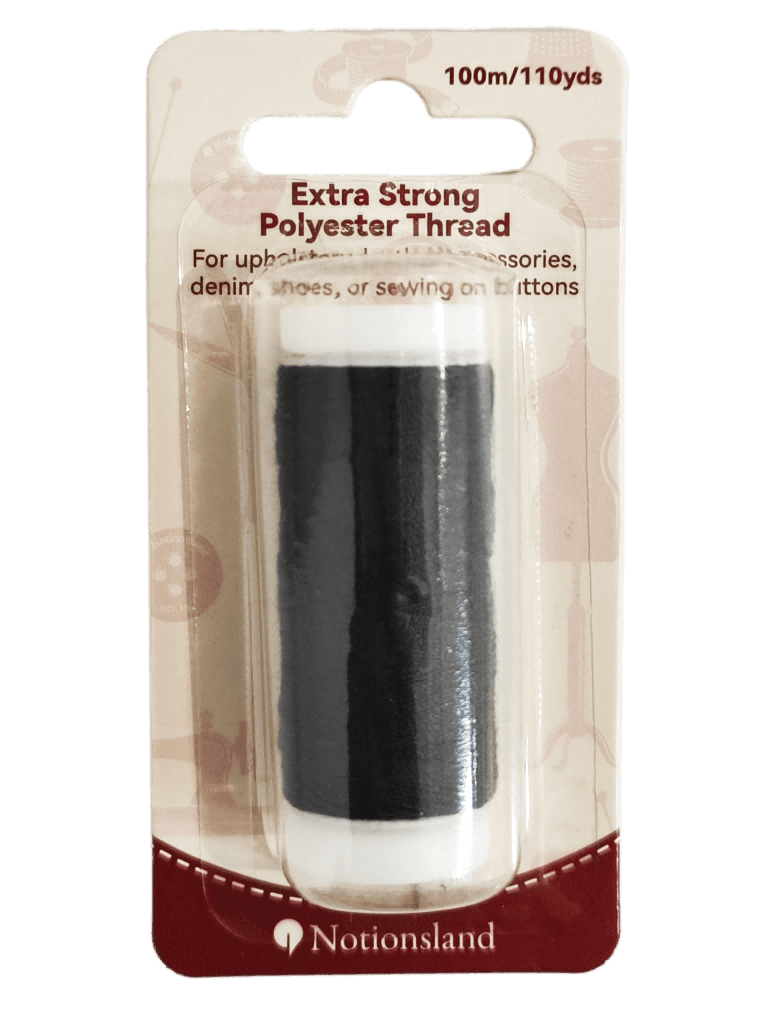
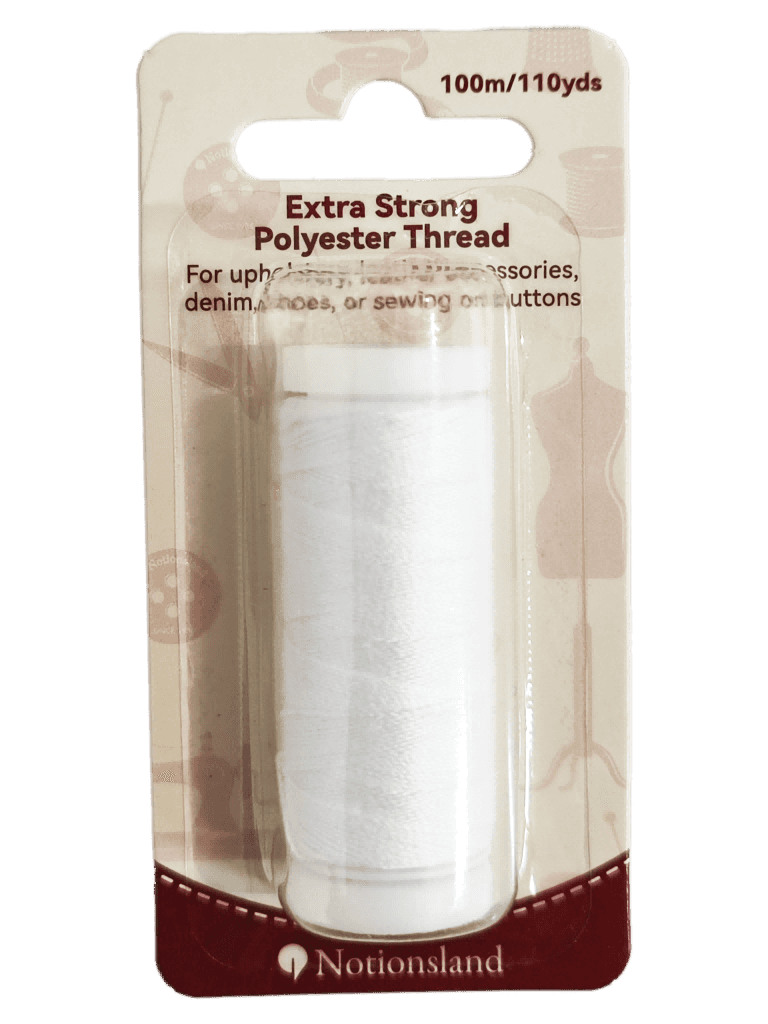
This is a single spool of sewing thread presented in a clear molded blister pack with a cardboard backing and hang-tab slot. The format is familiar to retailers because it supports peg display and keeps the spool protected during transport and shelf handling. The thread color appears white or off-white based on the visible product, but the exact color name is not provided. For buyers, that makes the product easy to position as a general-purpose consumable rather than a specialty industrial thread.
The package information visible on the label gives two important details: the fiber content and the length. That is often enough for sourcing teams to compare options quickly, especially when they need a standard thread stock item for wholesale supply, retail resale, or sewing kit assembly.
Key Specifications and Practical Capabilities
Visible product facts
The visible details point to a spun polyester sewing thread wound onto a cylindrical spool or cone-shaped package. The blister pack keeps the spool centered and helps prevent dust and handling damage. The hanging card also makes it suitable for retail presentation, which can matter when the same product must serve both trade buyers and store shelves.
What buyers should confirm before ordering
Some technical details are not shown and should be checked directly with the supplier, such as thread weight, ply, twist, tensile strength, stitch suitability, needle compatibility, and whether it is intended primarily for hand sewing, machine sewing, or both. Those factors can affect how the thread performs in a specific production line or end-use garment.
Materials and Finish Options
The label states 100% Spun Polyester, which is a common choice for general sewing because it balances everyday handling with broad usefulness across apparel and repair work. Polyester thread is widely selected for its versatility in textile assembly and maintenance. In this visible product, the finish appears smooth and uniform from the packaging image, though the exact surface characteristics are not specified.
Because the product is a retail-packaged sewing consumable, buyers may also care about presentation options. Cardboard backing, blister clarity, hang-tab style, printed branding, and color labeling are all important for shelf appeal and inventory control, even when the thread itself remains a standard utility item.
Manufacturing and Packaging Flow
From a sourcing perspective, this product likely moves through a simple but important sequence: spun polyester yarn is produced, wound onto a spool, then packed into a clear plastic blister with printed backing card. That packaging step does more than protect the thread. It creates a saleable unit that can be shipped, displayed, and scanned with less risk of tangling or contamination.
For a Sewing Thread Factory, consistency in winding, package sealing, and label accuracy matters as much as the thread material itself. A thread product that looks simple on the shelf still depends on stable winding tension and clean packaging presentation to avoid buyer complaints.
Application Scenarios
This thread is a natural fit for garment sewing, seam construction, hemming, repairs, and craft sewing. It also works well in light-to-general-purpose stitching situations where a polyester thread is the expected consumable. In the field, that usually means one spool can serve many routine jobs, from workshop use to retail resale.
For distributors, the appeal is straightforward: a common sewing item with broad market recognition, easy display packaging, and a specification set that is simple to communicate. That is one reason a Sewing Thread Distributor often prefers products with clear labeling and standard packaging formats.
Quality Control and Buyer Decision Factors
When comparing suppliers, buyers typically look at fiber content, package integrity, length accuracy, winding quality, and labeling clarity. Since this product is offered in retail blister packaging, visual consistency becomes especially important. A clean print card, secure seal, and neat spool presentation can influence perceived quality even before the thread is used.
It is also wise to ask for details on color consistency, batch control, and packaging durability during shipping. For buyers managing mixed channels, the ability to support both retail presentation and bulk replenishment can be a key advantage.
Customization and Ordering Guidance
If you are sourcing this item for your own brand or for market distribution, ask whether the supplier can customize the backing card artwork, hang-tab format, thread color labeling, and pack configuration. You may also want to clarify carton packing, barcode placement, and multilingual print requirements depending on your sales region.
Before placing a volume order, confirm the exact technical specification sheet so the thread matches your intended use. The product shown here is a practical general-purpose sewing consumable, but the right buying decision still depends on the stitch process, end product, and packaging channel.
Request Supply Details
If you are evaluating a reliable Sewing Thread Supplier, start with the visible facts, then request the missing technical data that matters for your application. Share your target market, packaging needs, and sewing use case, and ask for a sample or specification confirmation before bulk purchasing.