
Precision Sewing Tweezers for Small-Scale Threading and Machine Work
Precision sewing tweezers are made for the frustrating part of sewing: reaching into narrow spaces where fingers are too large and ordinary tools are too blunt. When a thread slips under a needle plate, a bobbin needs to be guided into place, or a fine material must be positioned without shifting, this type of tool gives the user controlled handling and a cleaner result. For sewing machine owners, overlocker users, and hobby crafters, the main value is simple—less struggle in tight areas and more accurate placement of delicate parts.
Product Overview
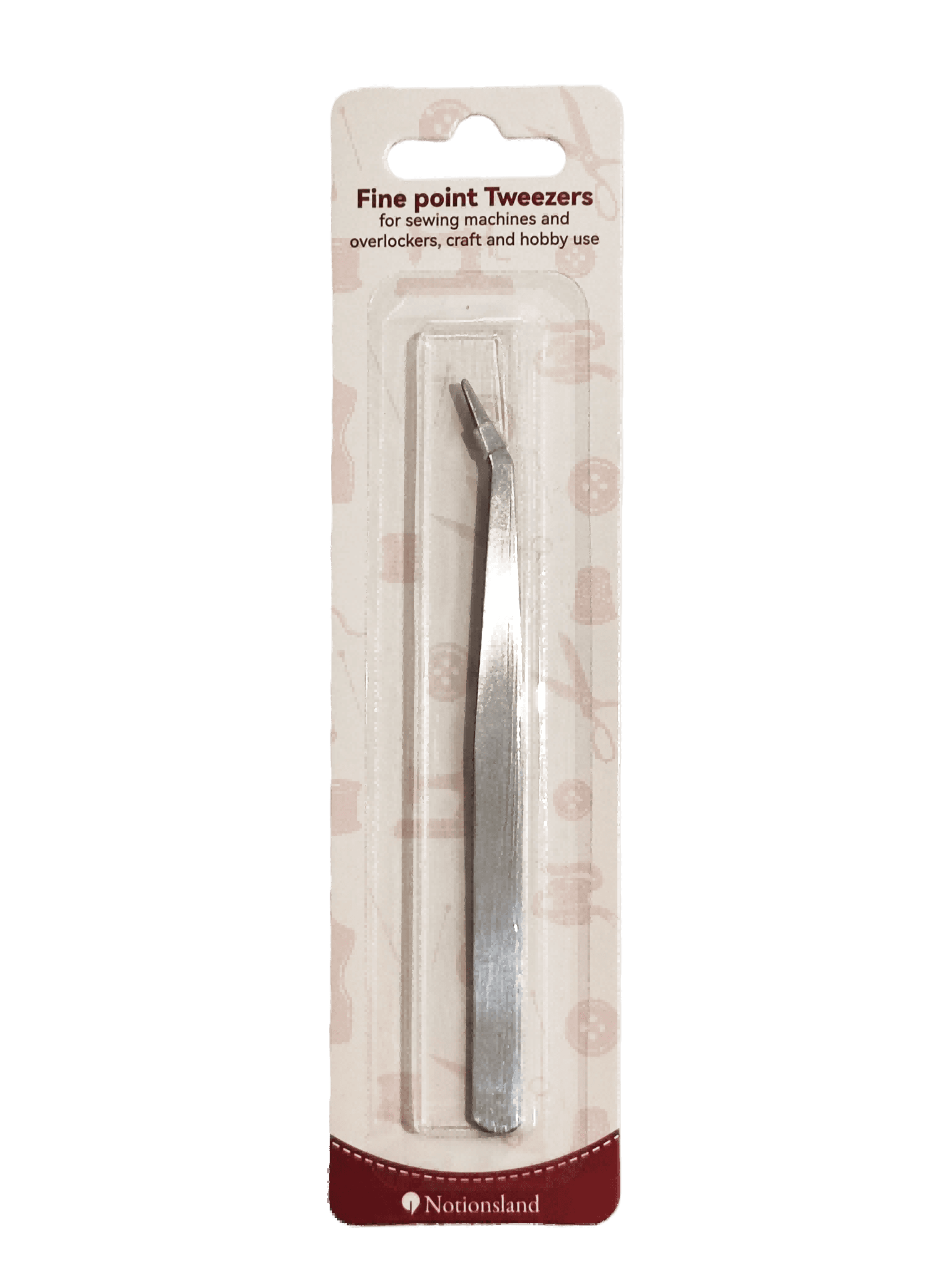
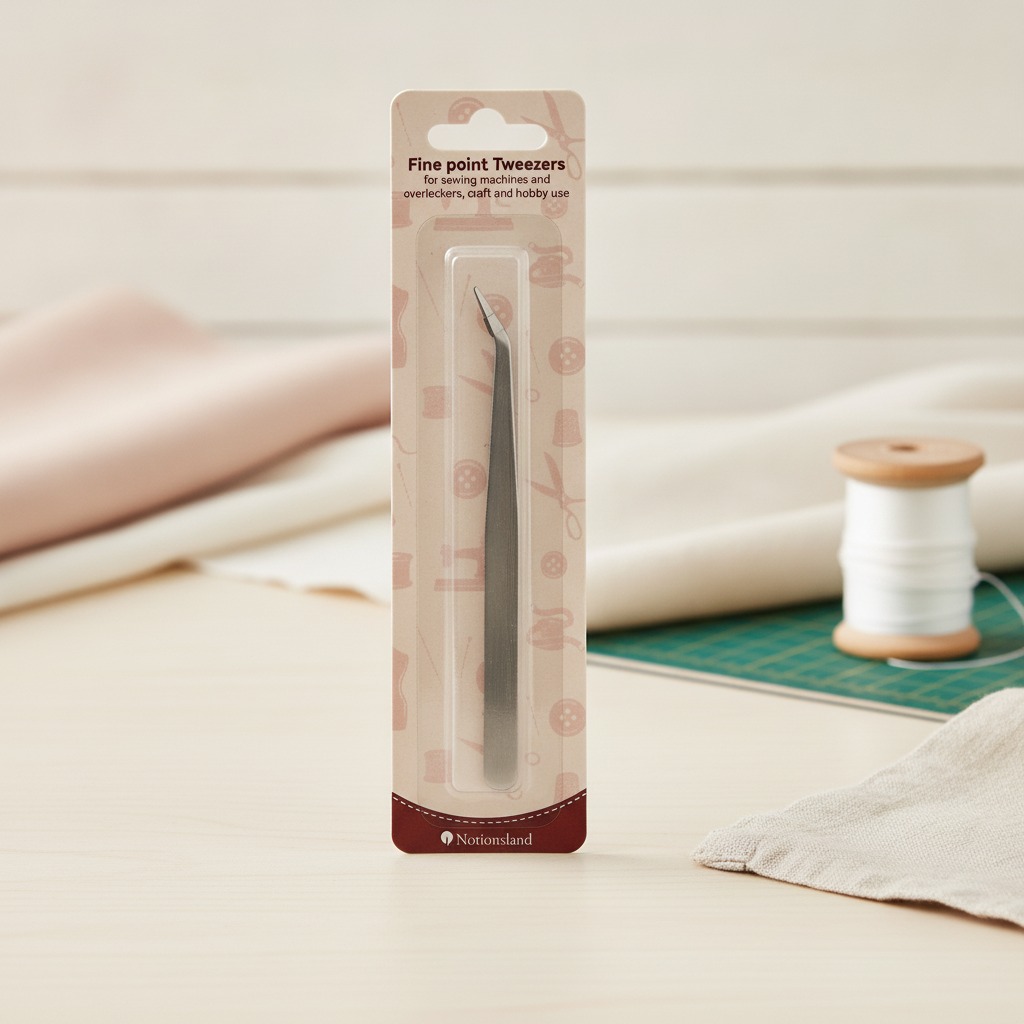
This fine-point tweezer is designed for sewing, overlocker, craft, and hobby use. The visible construction shows a long, narrow metal body with a slim profile and a tapered tip that can enter confined spaces around needles, bobbins, fabric edges, and small components. The retail packaging identifies it as suitable for sewing machines and overlockers, which makes it a practical reference tool for both workshop maintenance and general craft handling.
The brushed or matte silver-gray finish suggests a corrosion-resistant metal such as stainless steel or a similar alloy, though the exact material is not confirmed. Based on the visible form, the tool appears focused on precision rather than heavy gripping force.
Key Features and Capabilities
Fine-point tip for controlled handling
The most important feature is the narrow tip. That geometry helps the user grasp thread ends, guide small loops, or pick up tiny parts without blocking the work area. For detailed sewing tasks, the tip shape matters more than broad gripping strength.
Long, slim body for access in tight spaces
The elongated body gives added reach when working inside a machine housing or near tension points. A slim form also helps reduce accidental contact with surrounding fabric or machine parts.
Simple one-piece-style construction
The tweezers appear to use a straightforward metal construction without visible grip inserts or thick coatings. That can be useful in maintenance kits because it keeps the tool easy to clean and compact to store.
Materials and Finish Options
Only the visible finish can be confirmed: a silver-gray metallic surface with a brushed or matte look. In product planning, buyers typically compare stainless steel, carbon steel, and other corrosion-resistant metals for this category because durability and cleanability matter in sewing environments. Since the exact alloy is not supplied, it is best to treat the material as unconfirmed and evaluate it according to the supplier specification sheet.
The finish appears practical rather than decorative. That is a sensible choice for a tool used near thread lint, oil residue, and repeated handling.
Manufacturing and Forming Notes
Tools in this class are commonly produced through precision metal forming, tip shaping, and finishing operations such as grinding or stamping. The image does not show the process directly, so those steps should be understood as an informed manufacturing category rather than a guaranteed method. What matters to the buyer is the consistency of the tip, the alignment of the jaws, and whether the tool holds its shape under repeated use.
Applications in Sewing, Craft, and Maintenance
These precision sewing tweezers fit several practical use cases. They can support threading work on sewing machines and overlockers, help guide bobbin thread, assist with needlework, and handle small craft components during assembly. In a repair or upkeep setting, they also work as a Bobbin cleaning tool companion and belong naturally in a Machine maintenance kit.
For hobby users, the tool can serve as Craft pick-up forceps when placing beads, trims, paper elements, or tiny parts that are hard to hold with fingertips.
Quality Control and Buyer Considerations
When choosing a fine-point tweezer for sewing, buyers should look closely at tip alignment, edge smoothness, and how securely the points meet. A misaligned tip can slip thread rather than control it. Surface consistency also matters, since rough edges may snag delicate fibers. If the tool is intended for shared workshop use, easy cleaning and resistance to light corrosion are important decision factors.
Buyers should also consider whether they need straight reach, angled access, or a specific tip style for their workflow. The visible tip is angled, but the exact geometry beyond that should be confirmed before ordering in volume.
Customization and Procurement Guidance
For OEM or bulk sourcing, it is useful to request confirmed material grade, overall dimensions, tip style drawings, packaging options, and branding requirements. If the tweezers will be included in a sewing accessory line, packaging design can help position them as part of a complete machine care range rather than a standalone hand tool.
For distributors, the branded retail blister pack is also a practical advantage because it supports hanging display and easy shelf presentation.
Why This Tool Belongs on the Workbench
Precision sewing tweezers are not a luxury accessory; they solve a real handling problem that comes up in stitching, overlocker setup, and detail craft work. When the task is small, visibility is limited, and accuracy matters, a fine-point tool can save time and reduce damage to threads or materials. If you need a compact, focused tool for small-part control, this format is worth specifying in your sewing accessory range.
Request Sourcing Details
If you are comparing supply options for sewing accessories, ask for the full specification, packaging format, and sample confirmation before purchase. That helps ensure the tweezers match your intended use in machine threading, maintenance, or craft assembly.