Pants waist tightener clips for fast, reliable cord adjustment
Pants waist tightener clips are a practical way to solve one of the most common fit problems in apparel: clothing that is almost right, but not quite secure at the waist. In many garments, a drawcord or elastic channel needs a compact locking piece to hold tension without constant re-tying. This product, shown as cord toggles for 6 mm / 1/4 inch cord, gives designers, repair shops, and DIY users a simple control point for tightening, releasing, and repositioning cords on clothing and accessories.
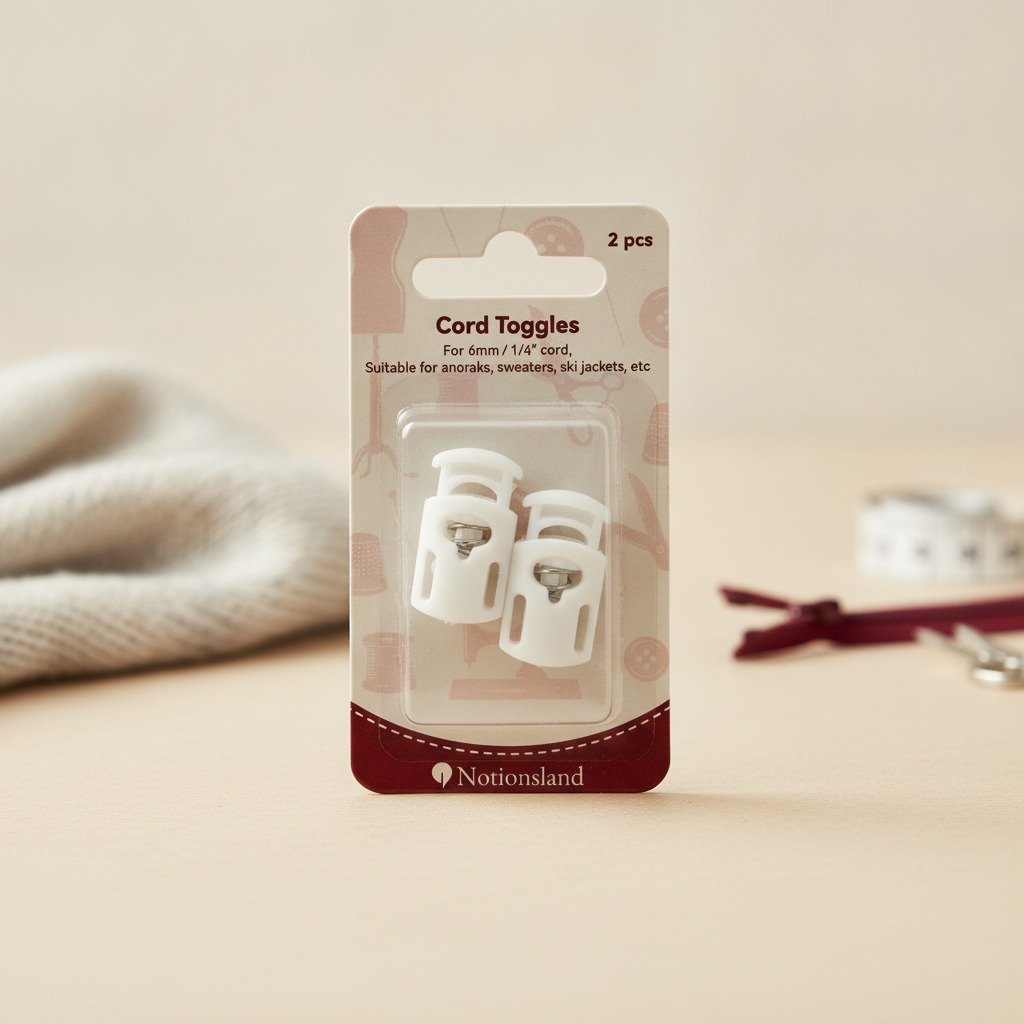
Product overview
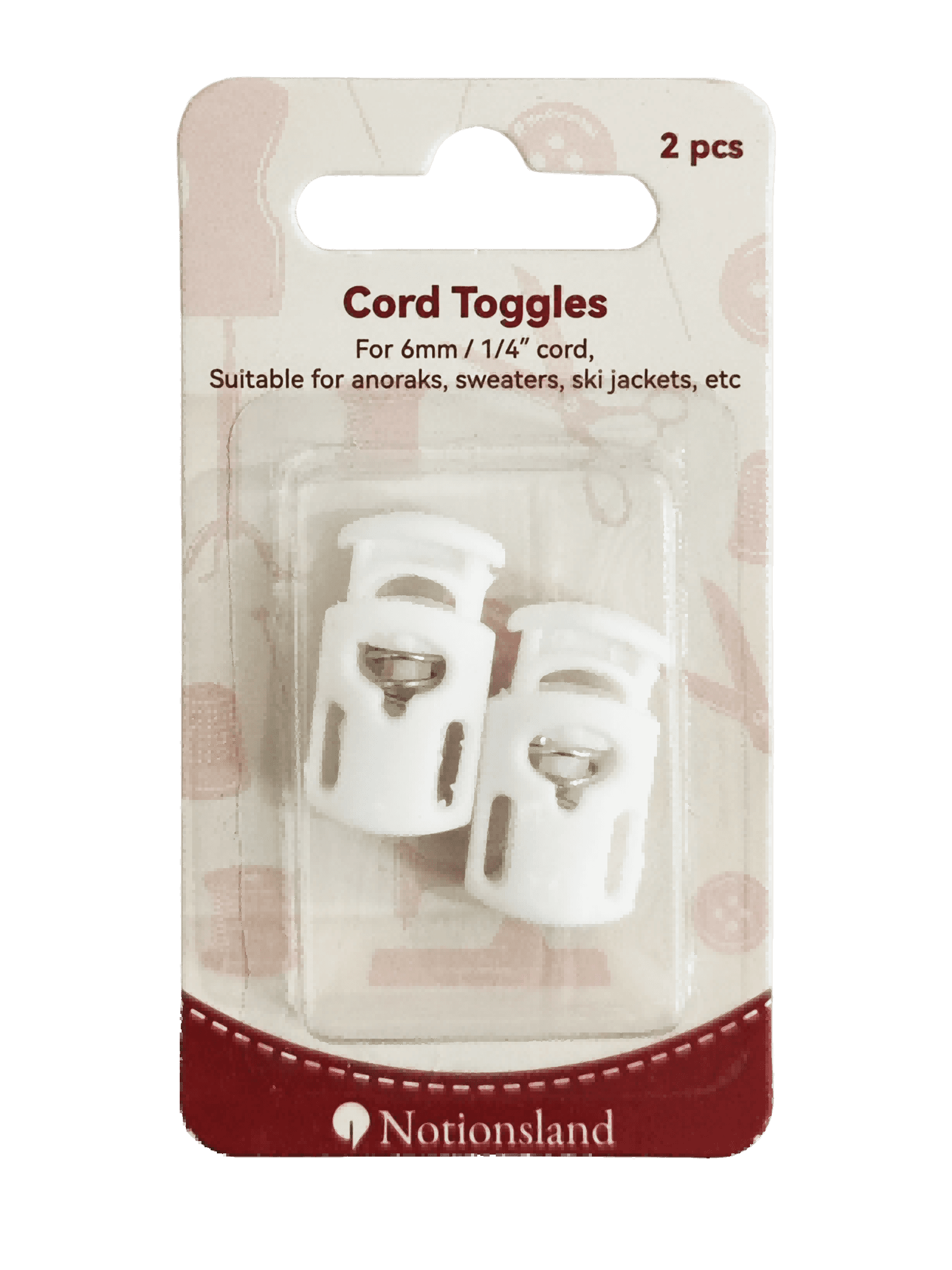
This item is a cord toggle, also called a cord lock, designed for drawstrings and elastic cords. The visible construction shows a cylindrical white plastic body with side openings for cord passage and a spring-like internal mechanism. It comes as 2 pieces per package, making it suitable for paired replacement work or small production runs.
Although the packaging highlights use on anoraks, sweaters, and ski jackets, the same type of hardware is also common on hood channels, hems, backpacks, sportswear, and utility bags. For makers comparing fastening options, it offers a quick mechanical lock without stitching a separate closure system.
Key specifications and visible capabilities
Confirmed visible details
These are the features that can be verified from the provided product information:
• Fits 6 mm / 1/4 inch cord
• 2 pieces per package
• White molded body with a smooth finish
• Internal metal component visible through the opening
• Designed for tensioning and securing cord length
The compact form is useful where bulk matters. On garments, a small hardware profile is usually preferred so the closure does not interfere with movement or layering. On bags and outdoor gear, the same size helps keep cord ends organized and easier to handle with gloves.
Materials and finish options
The visible body appears to be injection-molded plastic, paired with a formed internal spring or clamp component. Exact plastic type and spring material are not specified, so it is best to treat the construction as a molded polymer body with a metal insert rather than assuming a specific resin grade.
The finish is smooth and white, which suits light-colored garments and makes the part easy to see during installation. In product development, that kind of finish can help with color matching or serve as a neutral base for different apparel lines. If your project needs a different visual treatment, ask whether alternative colors or surface finishes are available.
How it works in manufacturing and use
From a production standpoint, this type of cord lock is typically made through plastic injection molding, then fitted with an internal spring or clip element. The user threads the cord through the side openings, and the internal mechanism holds the cord under tension until the toggle is pressed or released. That makes it a convenient choice for fast-adjust products where repeated use is expected.
For repair and assembly work, the key benefit is simplicity. You can replace a worn closure quickly without redesigning the garment or adding bulk. For DIY tailoring hardware projects, the part can also be used to update old outerwear, retrofit waist channels, or create adjustable closures on handmade bags.
Applications in garments and accessories
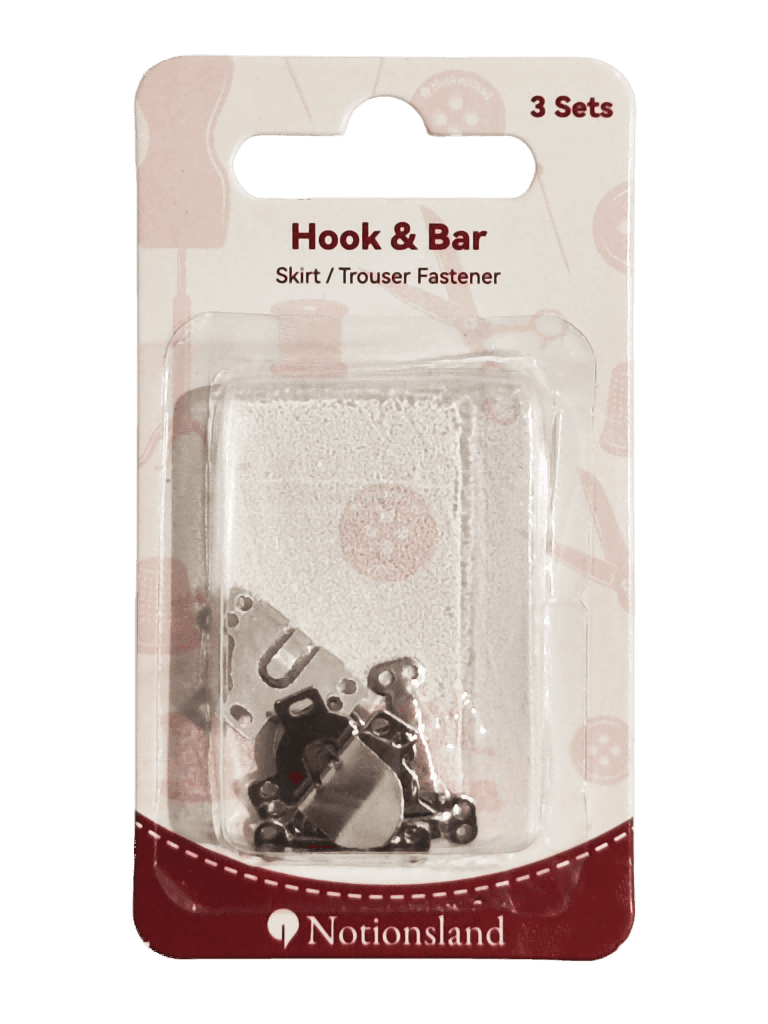
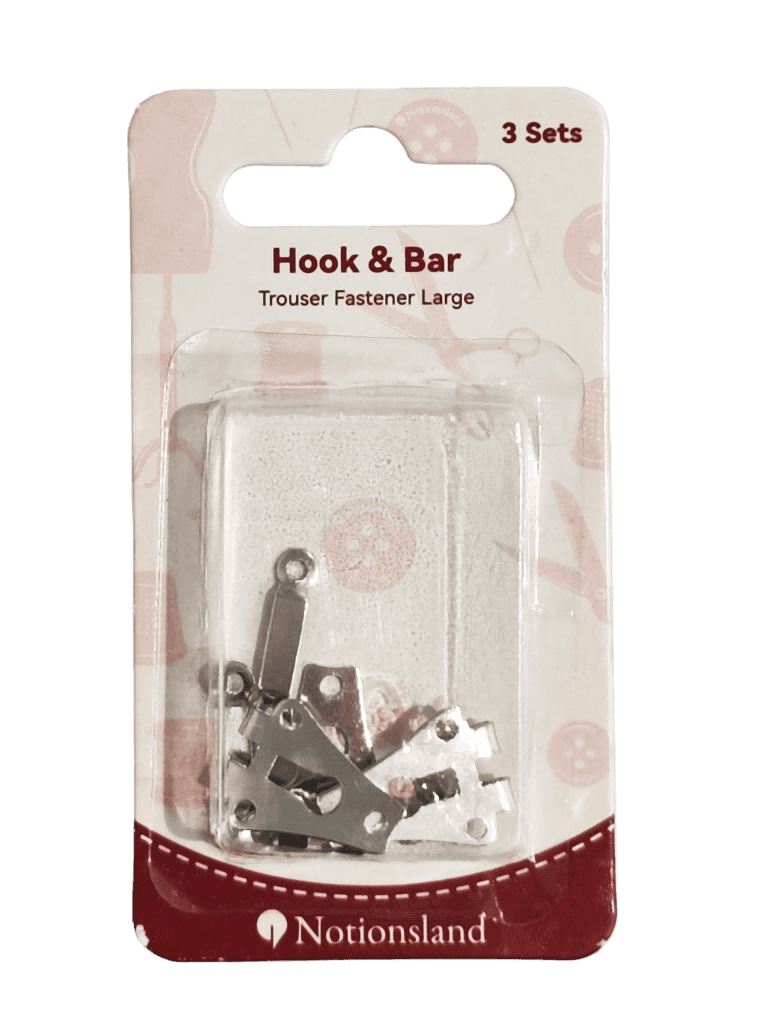
This hardware fits many use cases beyond outerwear. Buyers often consider it alongside skirt hook and eye fasteners when they need a hidden or low-profile closure, but a cord toggle serves a different purpose: it manages tension rather than joining flat fabric edges. In waist applications, it can help reduce looseness in drawstring pants, joggers, or casual trousers where a quick cinch is needed.
It is also a useful alternative when metal side release buckles for jeans would be too heavy, too visible, or too structural for the design. For lightweight garments and soft goods, cord toggles remain one of the most efficient options for user-adjustable fit.
Quality control considerations
When evaluating this part for purchasing or production, focus on cord compatibility, opening consistency, and how smoothly the toggle engages the cord. Because the exact load rating and durability data are not provided, buyers should confirm performance under their own intended use conditions, especially for outdoor, sports, or high-cycle applications.
Basic inspection points include the cleanliness of the molded body, the alignment of the side slots, the visibility and placement of the internal spring component, and whether the cord can pass through without snagging. These checks matter when the part is used in finished apparel that needs dependable everyday adjustment.
Customization guidance for buyers
If you are sourcing for a branded garment line, ask whether the product can be supplied in different colors, sizes, or packaging counts. You may also want to confirm if the same body style is available for other cord diameters. For new product development, matching the cord lock to the channel width and cord stiffness is often more important than choosing the most complex mechanism.
For repair programs, the main decision factor is compatibility with the existing cord. A 6 mm / 1/4 inch opening is useful, but it should still be checked against actual cord thickness, especially if the cord has a soft braid or coated surface.
Why choose this type of tightener
Compared with stitched-only closures, this part provides a reusable adjustment point. Compared with heavier hardware, it is lighter and easier to integrate. And compared with makeshift knots, it gives the wearer a cleaner, faster, more consistent fit. That is why pants waist tightener clips like these remain useful across apparel repair, outdoor gear, and DIY tailoring hardware projects.
Request the right fit for your project
If you need a compact cord lock for clothing or bag production, start by matching cord diameter, finish color, and package quantity to your workflow. Share your application details so the right version can be confirmed before ordering. For replacement parts, sample testing on the actual cord is the safest next step.