Pants waist tightener clips for dependable waistband repair and clean garment finishing
Pants waist tightener clips are a practical solution when trousers, skirts, or workwear no longer sit securely at the waist. Whether the waistband has stretched, the fit has changed, or a closure has failed, this type of hook-and-bar fastening helps restore a neat closure without adding bulk. For tailors, garment factories, and repair shops, it is a simple way to keep apparel wearable and presentable while maintaining a low-profile finish.
Product overview
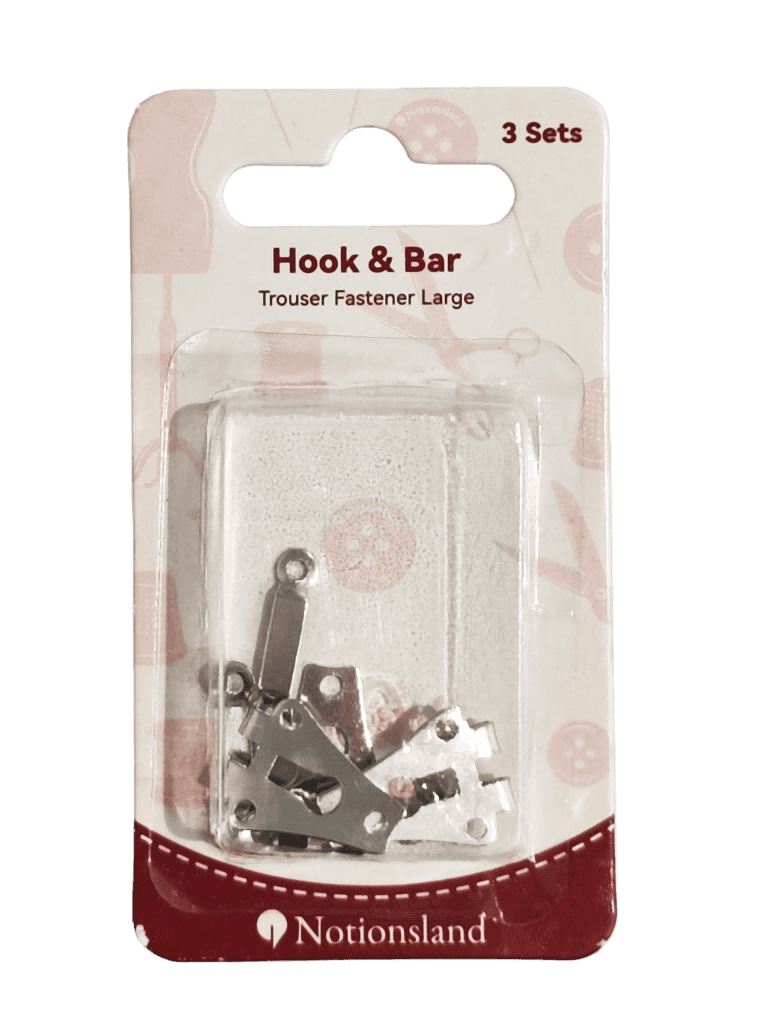
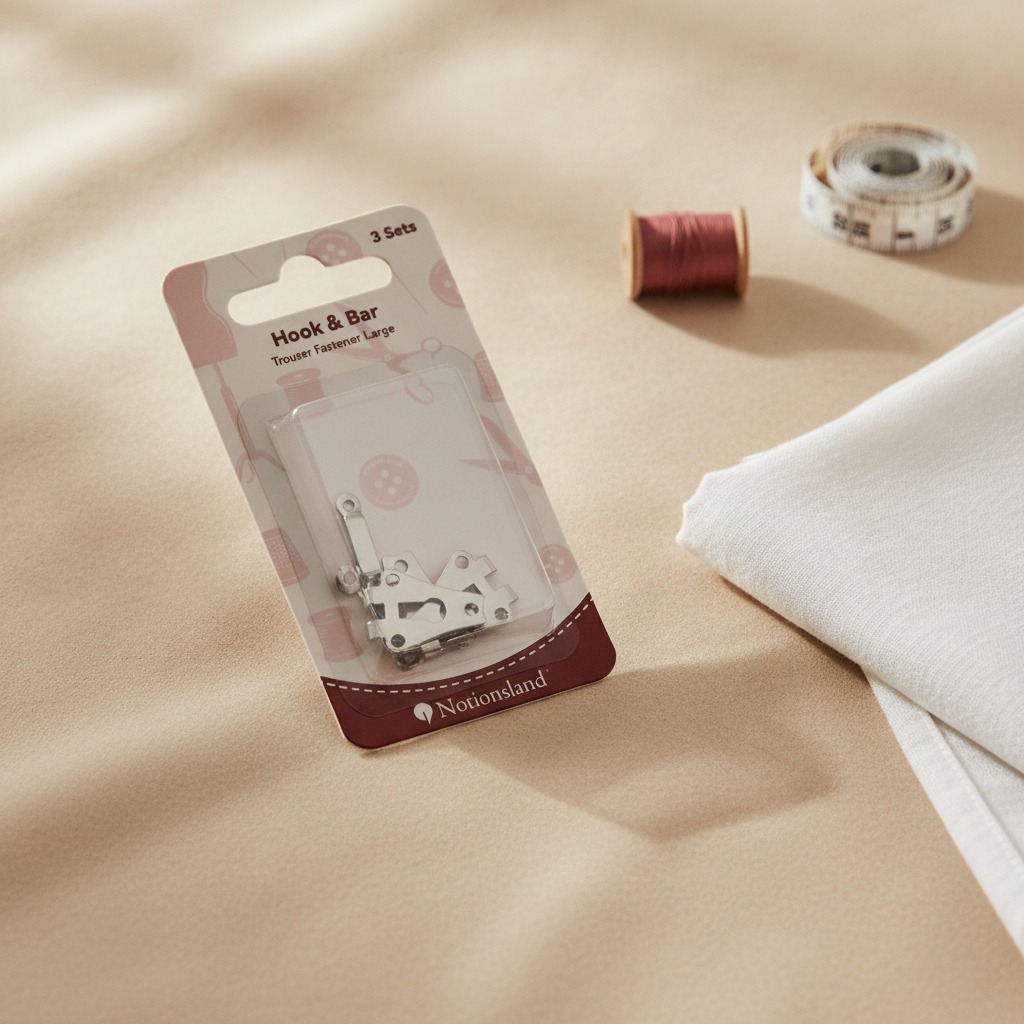
This garment fastener kit is a hook-and-bar trouser fastener set designed for waistband closures. The visible packaging shows “Hook & Bar,” “Trouser Fastener Large,” and “3 Sets,” which indicates three complete fastening sets per pack. The components are small, flat, silver-colored metal parts with a polished or plated appearance, suitable for sewing into apparel where a discreet closure is needed.
The construction appears compact and flush-fitting, which matters in clothing because a bulky closure can press through fabric, distort the front of the waistband, or feel uncomfortable during wear. For buyers searching for a replacement fastening option, this product addresses the common problem of restoring secure closure while preserving the original look of the garment.
Key specifications and visible capabilities
What is visible on the pack
The package contains 3 sets of hook-and-bar style closure pieces. The visible parts include a curved hook component and a bar-shaped mating piece, along with holes intended for stitching or riveting. The label indicates a “large” size, though exact dimensions are not shown and should be confirmed before production use or bulk ordering.
Functional characteristics
These pants waist tightener clips are intended for low-profile fastening on trousers, skirts, waistbands, and similar apparel closures. Because the hardware is thin and flat, it is well suited to garments where the closure must stay hidden under a fly, waistband overlap, or facing. That makes it a sensible choice for both new garment production and alteration work.
Materials and finish options
The visible finish is silver-colored and polished, suggesting a plated or treated metal surface. The exact base metal is not identifiable from the image, so it should not be assumed. In practice, buyers often choose finishes and metals based on garment type, sewing method, and appearance requirements. A clean metallic finish is useful for professional-looking inside closures, especially in tailored trousers and formal skirts.
If you are comparing options such as skirt hook and eye fasteners or uniform trouser extenders, this hook-and-bar format offers a more traditional waistband closure style. It is generally preferred when the goal is to replace or replicate an existing apparel fastening rather than change the waist size substantially.
Manufacturing process and construction style
The parts appear to be stamped and formed sheet-metal garment findings, likely finished with plating. That kind of construction is common for fastening hardware because it supports precise shaping, thin profiles, and efficient production. The flat geometry also helps the fastener sit close to the fabric, which is important for comfort and clean tailoring.
Although exact manufacturing details are not confirmed, buyers in apparel supply chains typically value stamped metal closures for their repeatable shape and compatibility with sewing operations. The visible holes suggest conventional attachment by stitching or riveting, depending on the garment construction method.
Application scenarios
This fastening set is suitable for garment repair, tailoring, alterations, and apparel manufacturing. Common uses include replacing worn trouser closures, finishing waistband openings on skirts, and assembling utility or uniform garments that need a dependable hidden fastening. For repair shops, it is a useful stock item because many garments can be restored with a simple hardware replacement rather than a full redesign.
It can also support production lines that need reliable closure components in small-format packaging. In workwear and structured garments, the discreet profile helps maintain a tidy front appearance while still allowing straightforward fastening and unfastening.
Quality control considerations
When sourcing pants waist tightener clips, buyers should verify consistency in shape, plating appearance, and hole alignment. For sewing applications, the spacing and placement of the attachment holes can affect production efficiency. It is also worth checking that the hook and bar engage smoothly and that the parts match the intended garment thickness. Since exact material and corrosion performance are not provided, final suitability should be confirmed against your own product requirements.
Customization and buying guidance
For apparel brands and manufacturers, the main decision factors are closure style, visible finish, package quantity, and compatibility with the garment’s fabric weight. If you are repairing everyday trousers, a standard hook-and-bar set may be enough. If you are developing a uniform line or formalwear program, you may want to compare this option with metal side release buckles for jeans or other fastening systems, depending on the intended styling and adjustability.
Before placing a bulk order, confirm the required size, attachment method, and finish tone against the garment sample. A “large” label on the package is helpful, but production buyers should still verify fit on the actual waistband construction.
Request the right fastening solution
If you need a compact, professional-looking closure for trousers or skirts, this hook-and-bar fastener set is a practical place to start. It is simple, familiar to sewing teams, and suited to repair or manufacturing workflows. Contact your supplier to confirm packing details, size suitability, and the best configuration for your garment line.