
Iron-On Pocket Patch for Quick Fixes (The "Lazy" Solution)
If a trouser pocket has torn, stretched out, or started to fail at the seams, the Iron-On Pocket Patch for Quick Fixes (The "Lazy" Solution) is the fast answer buyers look for when they need a practical repair without rebuilding an entire garment. In real use, the problem is simple: a damaged pocket makes trousers, skirts, and jackets less wearable, less secure, and less presentable. This sew-in pocket lining component helps restore the inside pocket area so garments can keep doing their job instead of being retired too early.
Product Overview
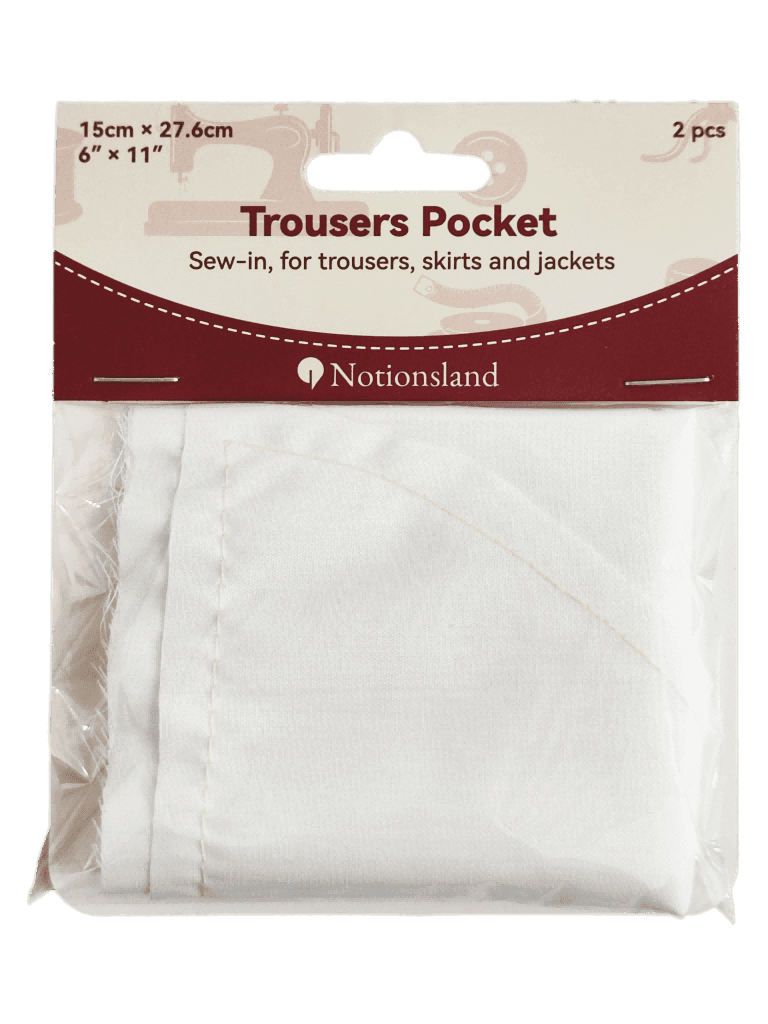
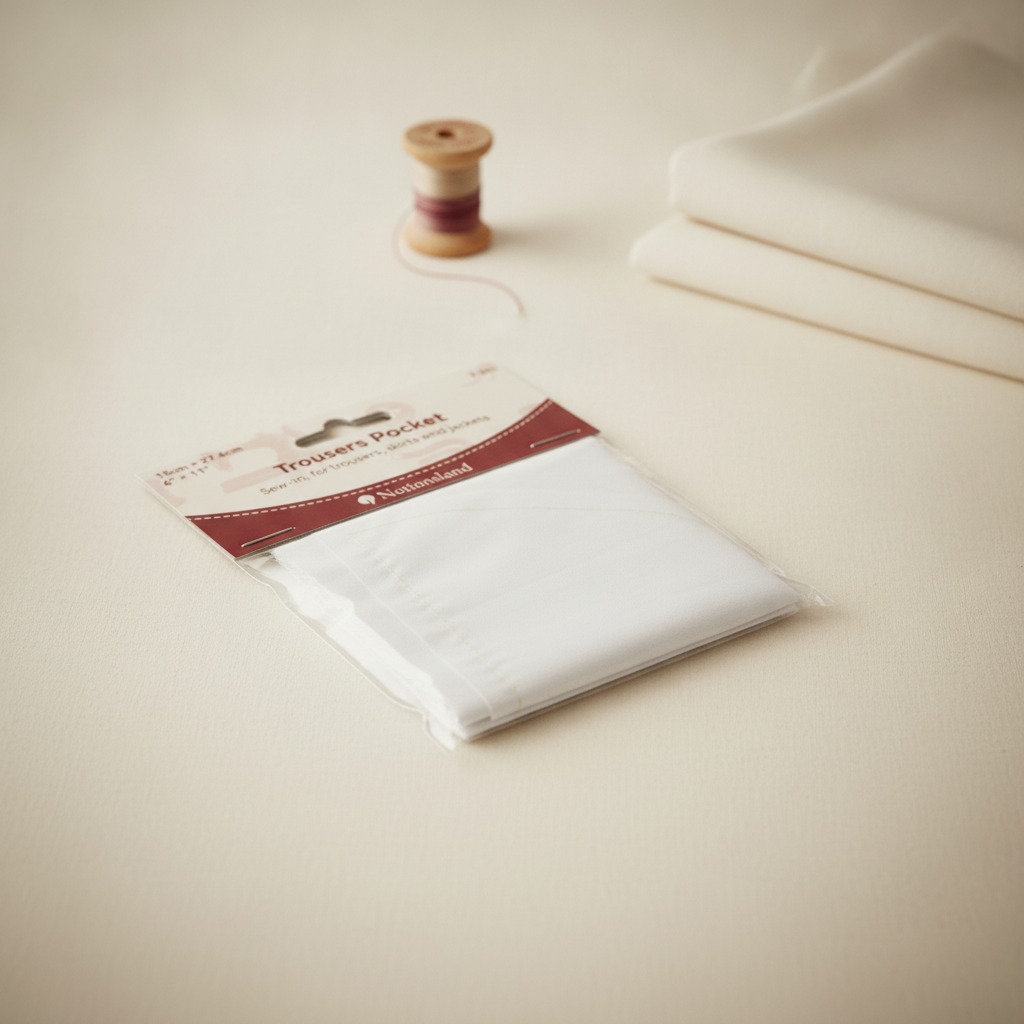
This product is a sew-in trousers pocket lining / pocket bag component used as the internal pocket piece for garment making and repair. The package contains 2 pieces, and the visible size is 15 cm x 27.6 cm (6" x 11"). The pieces appear to be pre-cut, pre-shaped pocket-bag panels with a curved profile, designed for sewing into trousers, skirts, and jackets. The surface shown is white, smooth, and matte, which suggests a lightweight woven pocketing fabric suitable for general garment applications.
Although the product is presented as a quick-fix type solution, it is more accurately a repair and replacement part than a temporary patch. That makes it useful for tailors, home sewers, alteration shops, and garment producers who need a straightforward pocket replacement option.
Key Specifications and Capabilities
Visible product facts
Based on the packaging information, the confirmed details are limited but useful: the item is labeled “Trousers Pocket”, it is sew-in, and it is intended for trousers, skirts, and jackets. The pack includes 2 pcs, which is enough for many common pocket replacement tasks.
What it can solve
This type of pocket lining helps address wear at the pocket bag, tearing caused by daily hand use, and the need to replace a missing or damaged internal pocket piece. For clothing manufacturers and repair services, it also supports faster production because the pocket shape is already prepared rather than drafted from scratch.
Materials and Finish Options
The visible material appears to be a white woven fabric, likely a lightweight cotton or polyester-blend pocketing textile. The finish is plain and functional, with a smooth matte look rather than a decorative surface. No exact fiber content can be confirmed from the available information, so buyers should treat the composition as unverified unless supplier documentation is provided.
For buyers comparing pocketing options, the main considerations are softness, drape, durability, and how well the fabric sits inside the garment without adding bulk. In production settings, pocket linings are usually selected to balance comfort, wear resistance, and easy sewing.
Manufacturing and Use Process
This product fits into garment repair and sewing workflows as a ready-to-install pocket component. In practical terms, the garment is opened at the old pocket area, the damaged pocket bag is removed, and the replacement pocket piece is sewn into place. Because the shape is already established, the operator spends less time cutting and patterning.
For mass sewing or tailoring work, that means more consistent pocket shapes and fewer handling steps. For home sewing, it means a less intimidating repair when a trouser pocket has split along the side or bottom.
Application Scenarios
This pocket lining is suitable for a wide range of clothing repair and garment-making tasks:
trouser pocket replacement
skirt pocket repair
jacket pocket lining restoration
basic tailoring and alterations
garment production that needs pre-cut pocket bags
It is especially useful where the visible outer fabric is still in good condition but the inside pocket bag has failed. That makes it a cost-effective way to extend garment life without replacing the whole item.
Quality Control and Buyer Checks
Since the available data does not include exact test results, buyers should evaluate the product using standard garment-supply checks: pocket shape consistency, edge finish, fabric hand-feel, seam handling, and compatibility with the target garment fabric. It is also wise to confirm whether the two pieces are intended as a matching pair for a single garment or as separate pocket components for different repairs.
Ask for confirmation on fiber content, seam allowance, and whether the panels are fully ready-to-sew or only pre-cut. Those details matter when the product is being used in professional alteration work.
Customization Guidance
For brands, tailoring shops, and OEM buyers, customization often focuses on dimensions, fabric type, color, and packaging format. If you need different pocket depth, heavier pocketing cloth, or a specific hand-feel for premium garments, those should be specified before production. The same applies if your workflow needs left/right pocket matching or larger batch packing for repair kits.
If your sourcing strategy includes stabilizing other garment components, buyers sometimes compare this item with Replacement Trouser Pockets Sew-In Kit (Structural Restoration) and Fusible & Sew-In Interfacing Rolls/Staples (Garment Stabilization). The right choice depends on whether you are replacing the pocket bag itself or reinforcing nearby fabric areas.
Why Buyers Choose This Type of Pocket Component
In garment repair, speed matters, but so does reliability. A pre-shaped sew-in pocket bag reduces layout errors and helps keep repairs neat inside the garment. For production teams, it simplifies standardization. For repair customers, it means the garment returns to use faster. That combination of convenience and function is why pocket replacement parts remain a staple in sewing supply catalogs.
Request Supply Information
If you need a practical pocket replacement component for trousers, skirts, or jackets, this 2-piece sew-in pocket lining is a sensible starting point. Contact your supplier to confirm fabric composition, sizing tolerance, and packaging options before placing bulk orders or using it in a production line.