Self-Adhesive Fabric Repair Squares (The "Invisible" Fix)
When a jacket cuff thins out, a trouser knee starts to fray, or a work bag gets a small tear, the cost of replacing the whole item is often much higher than the repair itself. Self-Adhesive Fabric Repair Squares (The "Invisible" Fix) are designed for that exact problem: they give buyers a fast way to mend, reinforce, and refresh fabric without sewing. This iron-on fabric patch sheet offers a practical repair path for garments and textiles that need coverage, structure, or a cleaner surface finish.
Product overview
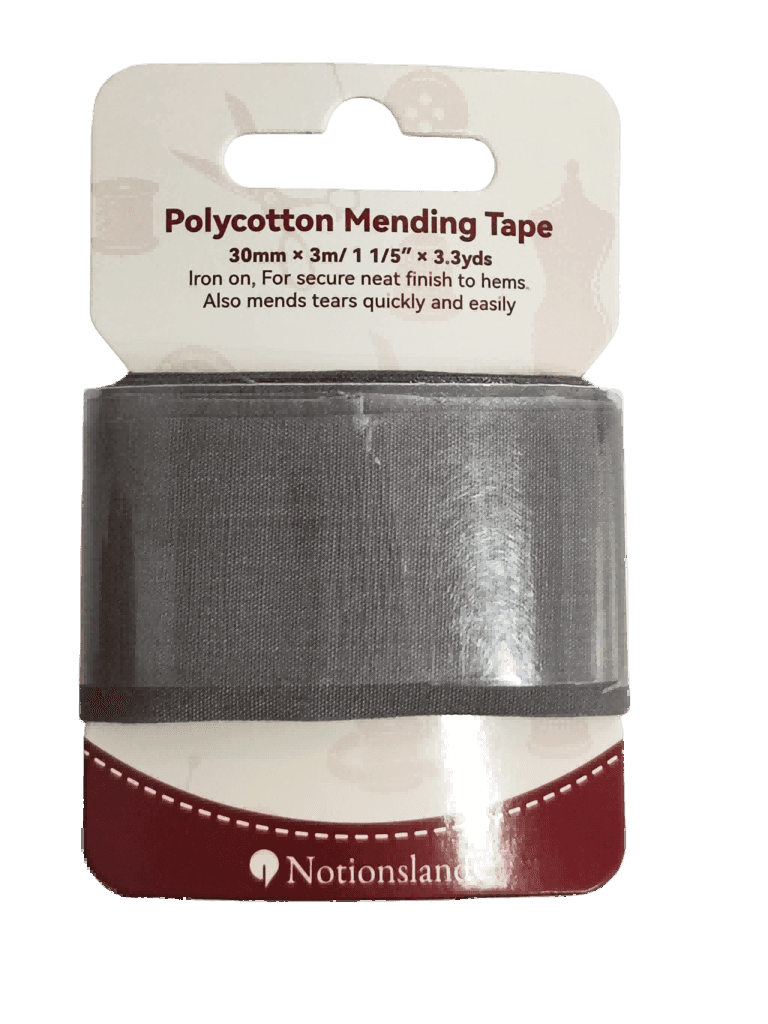
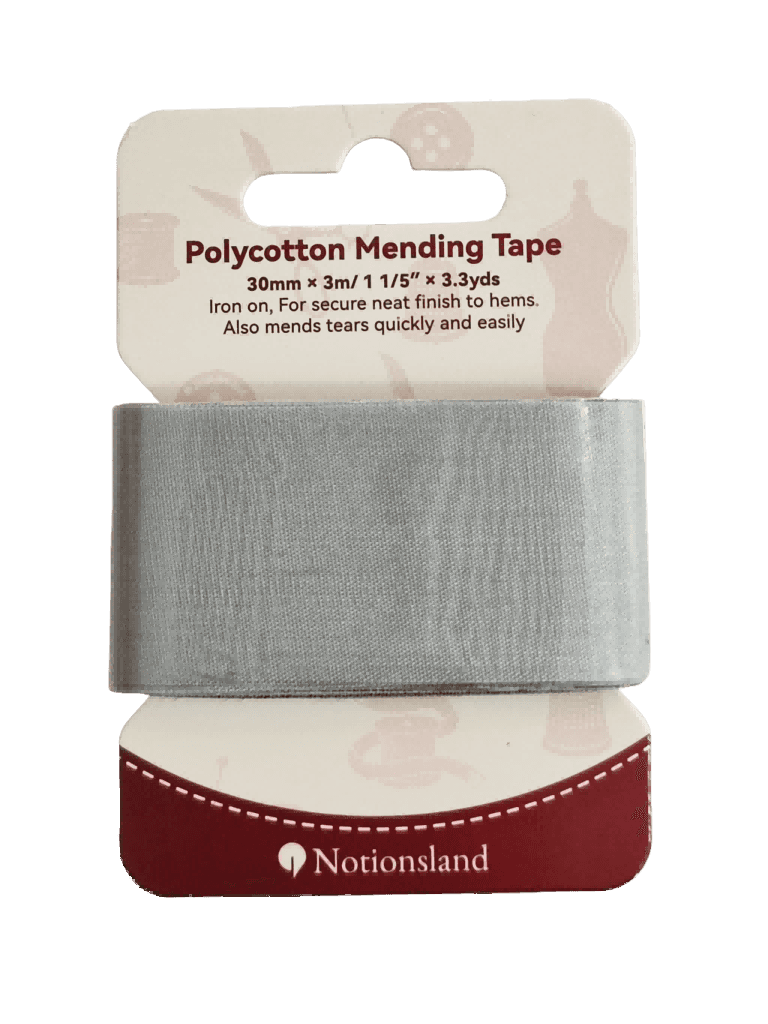
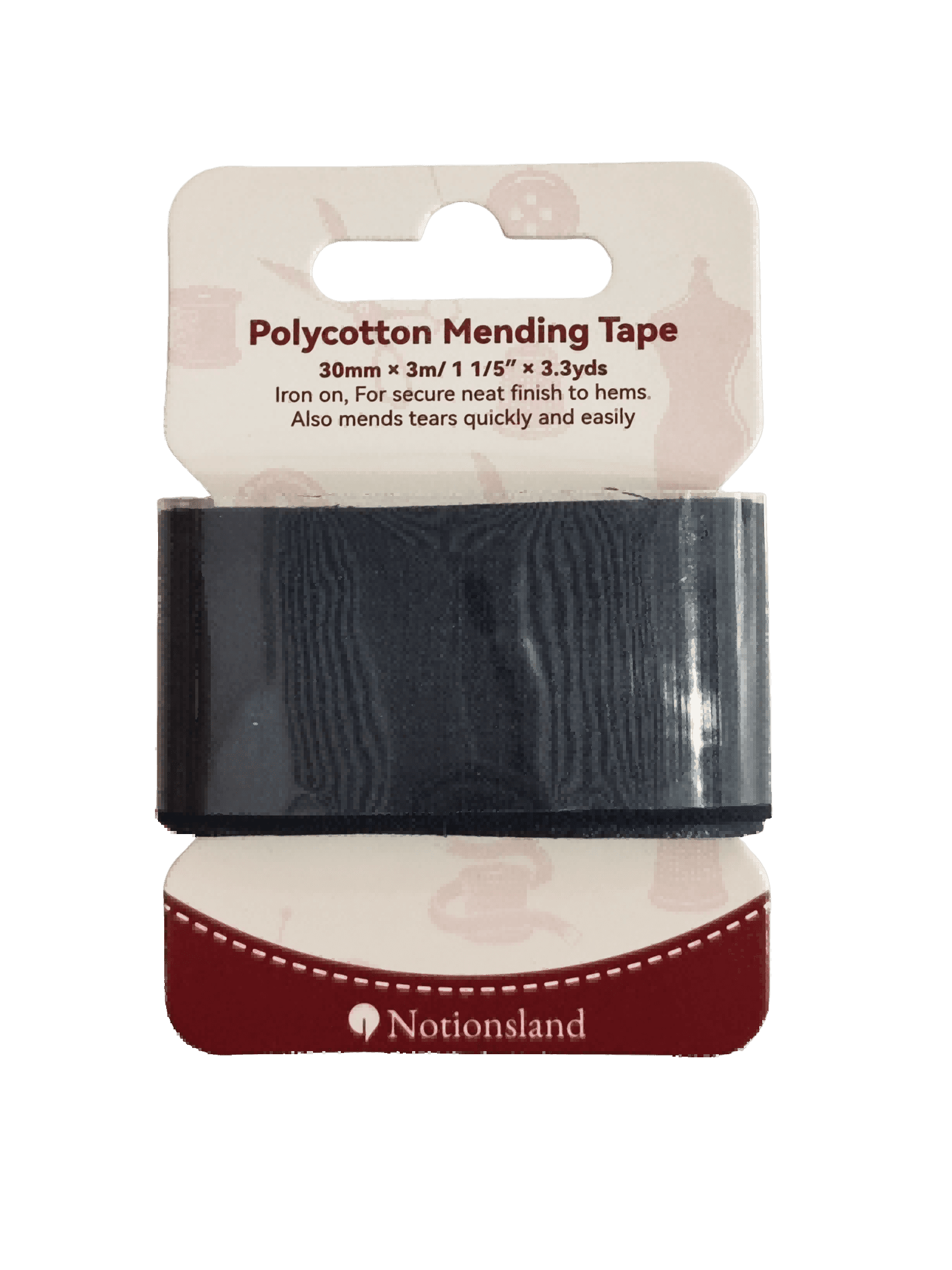
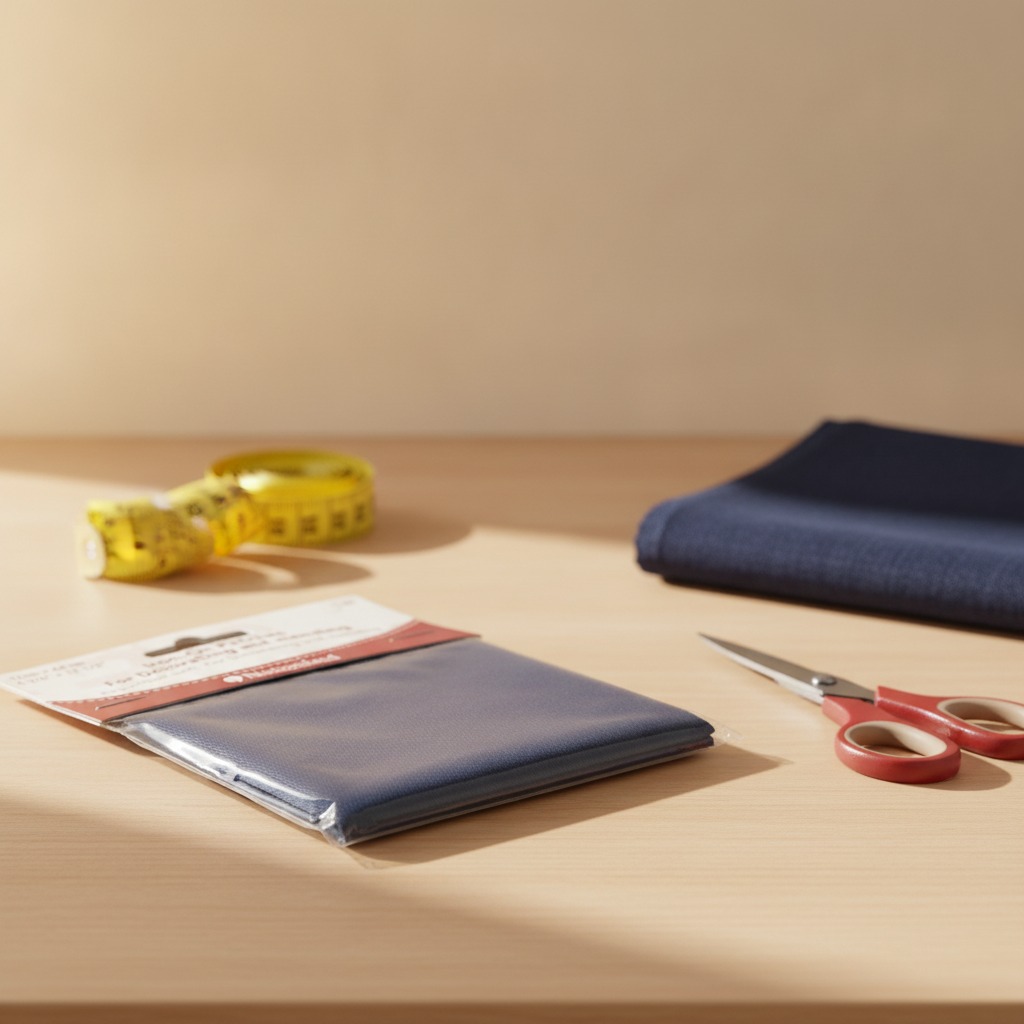
This product is a single rectangular patch sheet made from a polycotton twill surface with a matte, woven-looking appearance. The pack contains 1 piece, and the labeled size is 12 cm × 44 cm (4 3/4" × 17 1/3"). It is presented in a retail hanger-card format and is intended for decorating and mending by heat application. In practical terms, that makes it suitable for buyers who want one material strip they can cut, trim, or place as needed for visible or discreet repairs.
Key specifications and capabilities
What the sheet is built to do
The core value of an iron-on repair patch is straightforward: it helps cover worn areas, close small holes, and reinforce fabric before damage spreads. The flat sheet format gives more flexibility than a small pre-formed patch because it can be adapted to different garment shapes and repair zones. That is useful when the repair area is long, narrow, or irregular.
Visible product details
The observed finish is a dark navy or blue tone with a textile surface that resembles twill. The appearance is understated, which helps the patch blend with utility garments and casual clothing. Because the exact fiber ratio and adhesive chemistry are not shown, buyers should treat the material description as what is visible on packaging rather than as a full lab specification.
Materials and finish options
This item is labeled polycotton twill, a common fabric structure used where a balance of body and flexibility is needed. Twill surfaces are often chosen for repair materials because they look more like garment fabric than glossy film. The matte finish supports a cleaner visual match on outerwear, uniforms, and bags. Since only one color is shown in the supplied data, buyers should consider this product as a navy/blue repair option rather than a broad color-range assortment.
Manufacturing and use method
As a cut fabric patch with a heat-activated backing, this product belongs in the iron-on repair category. The general process is familiar to most garment maintenance teams: place the patch over the damaged area, apply heat with an iron according to the package instructions, and allow it to bond. In a production or service environment, that kind of workflow is valuable because it reduces sewing time and limits the need for special tools. For some buyers, the sheet may also serve as a base material for decorative applications, depending on the intended garment and the application method used.
Typical application scenarios
The patch sheet can be used on jackets, trousers, uniforms, bags, and workwear where abrasion or small damage appears in high-contact areas. It is also relevant for hobby use, including visible mending and surface decoration. Buyers looking for a Poly-Cotton Twill Applique Base for Embroidery (DIY Canvas) may appreciate the textile-like surface, especially when the goal is to build a stitched or layered detail rather than a purely synthetic-looking fix.
For maintenance departments, retailers, and repair-focused customers, the product also fits the logic of an Assorted Color Wardrobe Maintenance Kit (Versatility & Stocking Up) mindset, except this version is a single-format solution: one sheet, one color, one simple stock item to keep on hand for repeat repairs.
Quality control and buyer decision factors
Because the product information does not state exact wash performance, stretch performance, or compatibility with every fabric type, buyers should base selection on the intended use case. Key decision factors include garment material, repair location, required visibility, and whether the patch needs to be trimmed into custom shapes. For workwear and everyday clothing, the main priority is usually coverage and reasonable visual integration. For decorative use, the surface texture and color match matter more.
Before scaling into routine use, it is smart to test one sample application on a non-critical item. That helps confirm how the patch behaves on the target fabric and whether the chosen heat setting is appropriate. This is especially important when repairing blends, coated textiles, or garments that already have a special finish.
Customization guidance
Although the supplied item is a single retail-pack patch sheet, the format itself is friendly to customization. The sheet can be trimmed into rectangles, strips, or shaped pieces for different garment zones. Buyers handling repair programs may also use the sheet as a base layer beneath embroidery or decorative stitching, depending on the look they want. The dark blue tone makes it especially practical for classic utility styling and understated mending.
Why this product is worth stocking
For manufacturers, repair shops, uniform buyers, and maintenance teams, an iron-on fabric patch sheet saves time and reduces waste. It addresses the common buyer problem of small fabric damage without forcing a full replacement. That is why a single, usable sheet with a clean twill surface can be a smart inventory item: it is simple, adaptable, and easy to explain to end users.
Request your product details
If you are sourcing a practical patch material for garment repair, reinforcement, or light decorative use, this sheet is a solid reference point. Contact us to discuss application needs, packaging preferences, and whether this format fits your repair workflow or private-label program.