
Sewing Needles Manufacturer for Hand Stitching and Millinery Work
As a Sewing Needles Manufacturer, the focus is not only on making a sharp metal tool, but on solving a practical problem: giving users a needle that passes cleanly through fabric, supports controlled hand stitching, and holds up during routine mending. For buyers sourcing hand sewing notions, the value is in consistency, easy threading, and packaging that keeps small parts organized for retail or workshop use. This pack of hand needles is designed for general hand sewing tasks, with visible straw or milliners needle styling and a size range marked 5–9.
Product Overview
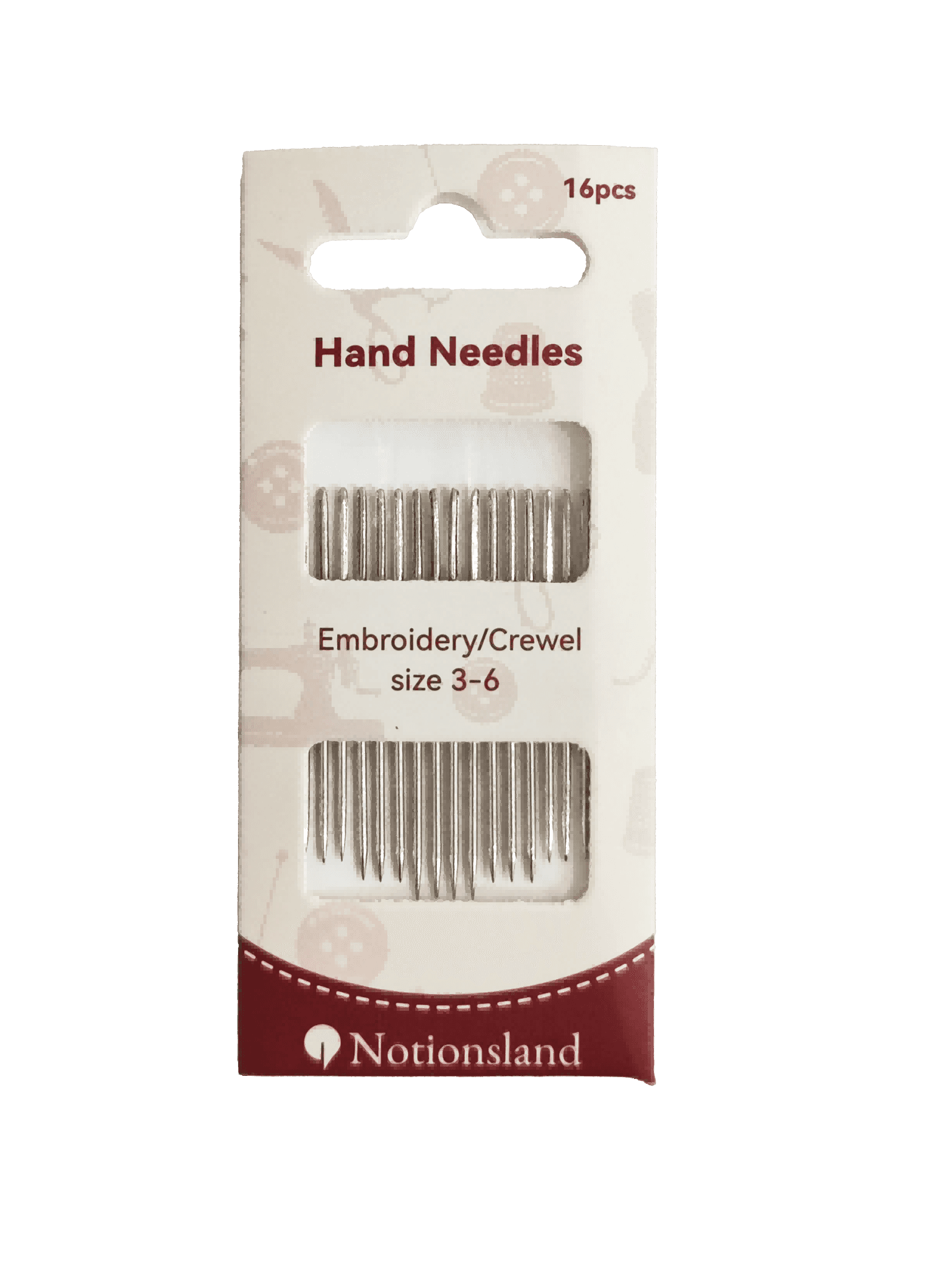
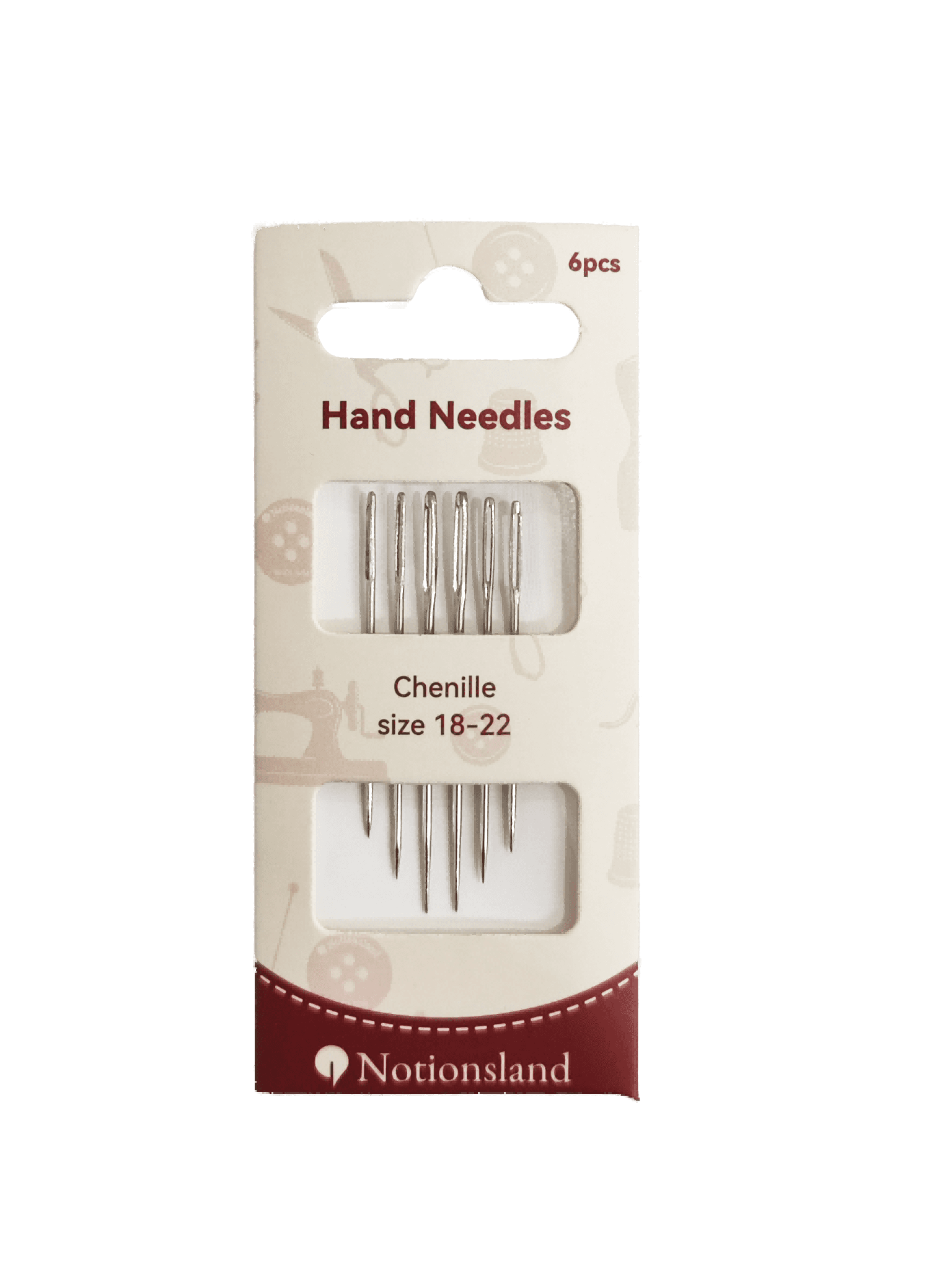
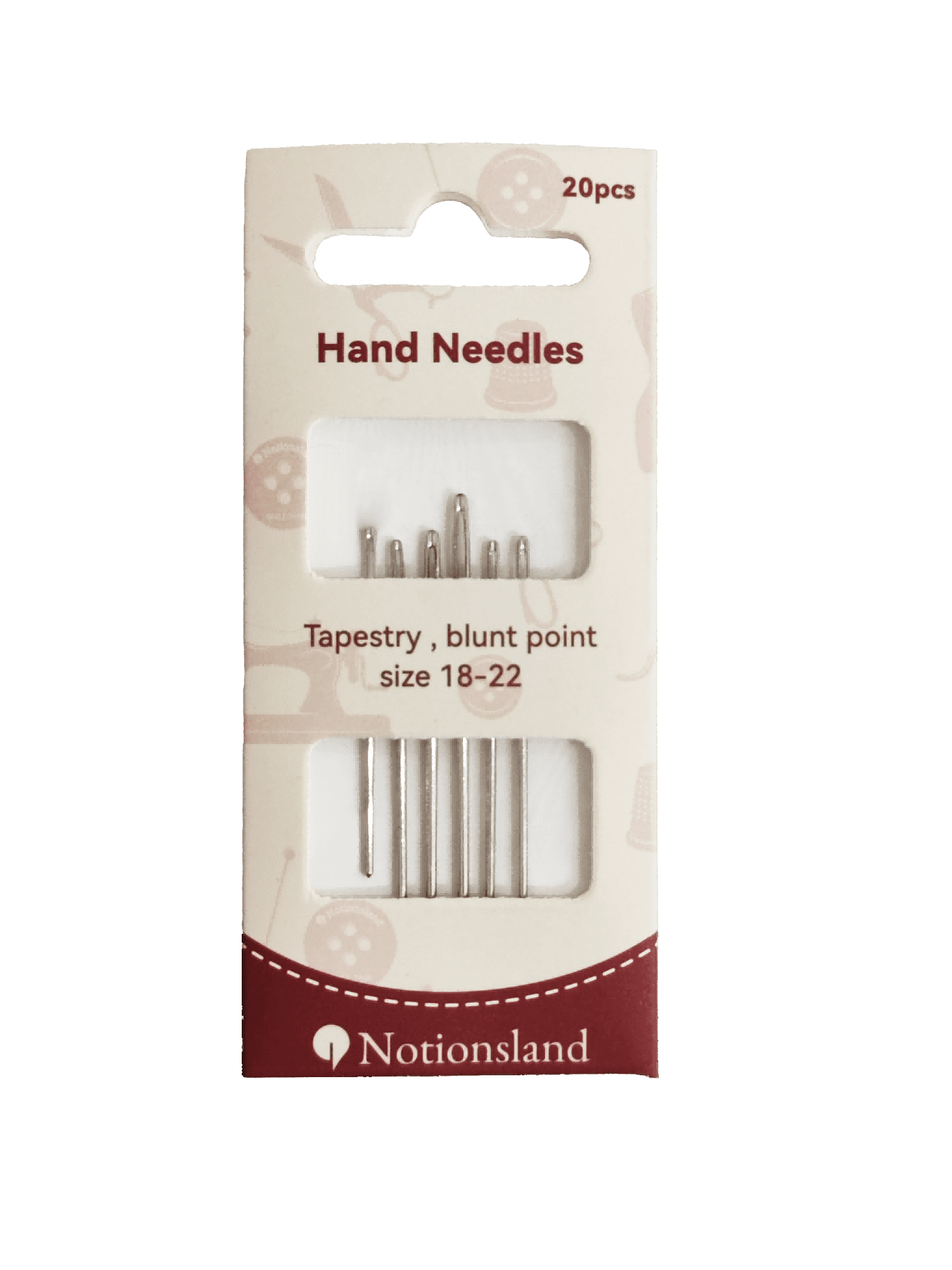
This product is a pack of hand sewing needles labeled “Hand Needles,” presented in a retail card with clear plastic windows. The visible format shows 10 pieces per pack, arranged in two compartments. The needles appear long, straight, and polished, with pointed tips and small eyes, which fits the typical profile used for hand stitching, basting, and lighter needlework. The branding shown on the pack is Notionsland.
The straw/milliners type is commonly selected when a slender, extended needle is needed for smooth penetration and easy handling. In practical terms, that means cleaner movement through fabric layers and more control when working by hand on garments, trims, or small repairs.
Key Specifications and Visible Capabilities
What can be confirmed from the pack
The following details are visible and should be treated as confirmed pack information:
10 pieces per pack
Straw/Milliners needle type
Size 5–9
Metal, silver-colored polished appearance
Retail blister-style cardboard packaging
Brand marking: Notionsland
What this means for the buyer
A size 5–9 range gives the buyer a practical spread for common hand sewing and light repair work. Long, fine needles are often preferred when the stitch path needs to remain neat and when the user wants a tool that feels responsive in the hand. For wholesale customers, a compact 10-piece pack can suit retail shelves, sewing kits, travel repair sets, and craft counters.
Materials and Finish Options
The needles appear to be made of metal, likely steel, with a smooth silver finish visible in the pack. That polished surface is useful in everyday sewing because it helps the needle slide more easily through fabric and thread guides. The image does not confirm coating, wire grade, or heat treatment, so those details should be verified separately if your sourcing standard depends on them.
For this product category, buyers often look for a balance between a clean finish, resistance to bending in normal use, and eyes that are easy to thread without rough edges. Those are the kinds of details that matter more than marketing language when the needle is used repeatedly on the workbench or in a sewing kit.
Manufacturing Process and Packaging
Needles in this class are typically made through mass production methods used for sewing notions, including metal forming, straightening, polishing, point preparation, and eye formation. Exact production steps are not shown in the image, so any detailed process claims would need supplier confirmation.
The packaging is a practical part of the product. A printed cardboard card with clear windows protects the needles, keeps the count visible, and supports retail display. For distributors and importers, this type of packaging can also simplify inventory handling because the contents are easy to inspect without opening the pack.
Application Scenarios
These hand needles suit a range of sewing and repair settings where a long, fine needle is useful. Common applications include:
Hand sewing and everyday mending
Basting and temporary stitching
Millinery work and straw hat making or repair
General needlework and small craft projects
Garment adjustments, lining repairs, and trim attachment
Kit building for tailoring shops, craft stores, and sewing accessory wholesalers
For millinery and straw-related work, the needle shape is especially relevant because the long, slim profile supports controlled stitching in materials that can be awkward with a shorter or bulkier needle.
Quality Control Considerations
When sourcing from a Sewing Needles Manufacturer, buyers usually judge quality by a few straightforward points: straightness, point sharpness, finish smoothness, consistent eye formation, and uniform packaging count. Even without lab data, these are the details that affect the user experience most directly. A needle that snags thread or catches fabric fibers quickly becomes a problem in production, retail, or home use.
For wholesale programs, it is wise to confirm sample packs before placing larger orders. Check how the needle feels during threading, whether the finish is even, and whether the packaging protects the contents during shipping and shelf handling.
Customization and Buying Guidance
If you are purchasing Hand Sewing Needles Wholesale, it helps to define the intended use before selecting a pack format. Retail customers may prefer smaller, easy-to-display card packs, while workshop buyers may want larger bulk counts. Consider the following points when comparing options:
Needle type: straw/milliners or a different hand-sewing style
Size range: whether size 5–9 matches the target application
Pack quantity: 10-piece consumer pack or higher-volume wholesale format
Packaging style: retail blister card, hanging card, or bulk wrap
Use case: mending, tailoring, millinery, general needlework
If you are searching for an Embroidery Needles Supplier, confirm whether this specific needle style fits your embroidery method, since embroidery often requires a different eye size, point profile, or needle length depending on the thread and fabric.
Request Supply Information
For sourcing, compare visible specifications first, then confirm the exact material, finish, and packing format with the supplier. If you need a hand sewing needle pack for retail, repairs, or craft distribution, this product format offers a straightforward starting point. Contact your supplier to request samples, packaging details, and wholesale options that match your market.