
Hand Sewing Needles Sharps Assortment for Everyday Stitching
If you are comparing a sewing tools supplier for basic hand-stitching goods, a hand sewing needles sharps assortment solves a very practical problem: keeping repair work, sample fixes, and general needlework moving without waiting for a machine or specialty part. This 20-piece pack, labeled size 5–10, is designed for manual sewing tasks such as mending seams, joining fabric layers, quilting, and routine garment repair. For buyers who stock wholesale sewing accessories or build a core line of wholesale sewing supplies, this is a compact, high-turn item that serves broad everyday use.
Product Overview
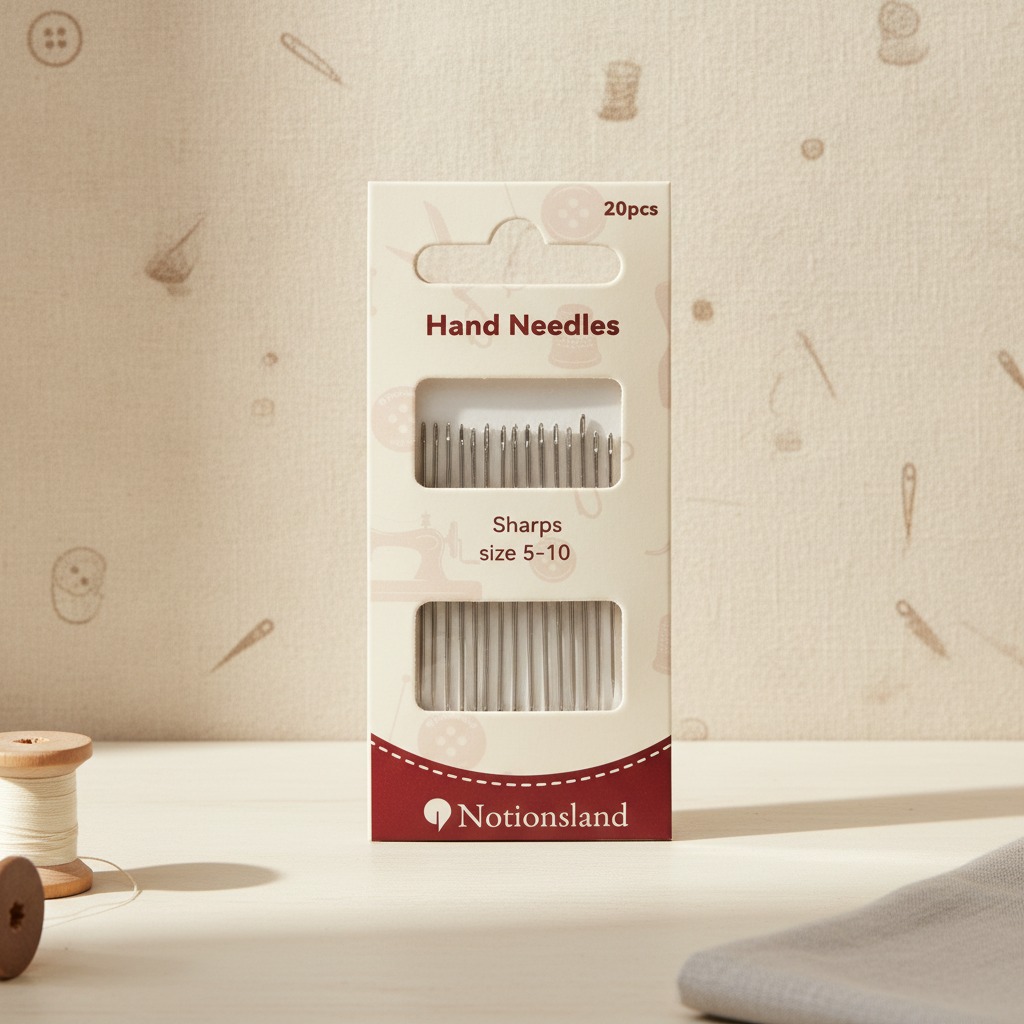
The product is a standard hand needle assortment in the sharps style. Based on the visible packaging, the set contains 20 pieces and is labeled “Hand Needles” and “Sharps size 5–10.” Sharps needles are a common general-purpose option for hand sewing because they are straight, slender, and pointed for passing through woven fabrics with minimal resistance. The assortment format gives users more than one size choice in a single pack, which is useful when fabric thickness, thread weight, or stitch preference changes from one job to another.
What the buyer gets
For purchasing teams, the key value is straightforward: a small, shelf-friendly retail pack that covers many routine hand-sewing needs. The blister-style package with two viewing windows makes the contents easy to identify on store shelves or in inventory bins. Because the product is a basic sewing consumable, it can fit into repair kits, sewing notions sections, craft aisles, and home-use tool assortments.
Key Specifications and Capabilities
When evaluating this item, it helps to focus on the visible and verifiable details rather than assumptions. The pack contains 20 needles. The size range is labeled 5–10. The subtype is sharps, which typically indicates a universal hand-sewing needle profile with a sharp point and an eye at the opposite end. The structure shown is consistent with standard metal hand needles used for stitching by hand.
Practical capability guide
Use this assortment when the job requires control more than speed. Hand needles are preferred for small repairs, delicate positioning, closing openings, finishing seams, and stitching in areas where a machine cannot easily reach. They are also helpful when a project needs precise placement, such as quilting layers, attaching trims, or stitching lightweight fabric components.
Materials and Finish Options
From the visible appearance, the needles look metallic with a smooth bright silver finish, likely steel, though the exact grade is not confirmed. No special coating or colored finish is shown on the pack. In product planning, that usually means a standard-purpose needle option rather than a specialty corrosion-resistant or treated version. For many buyers, a clean metal finish is enough for everyday indoor sewing, craft use, and short repair cycles.
How the Product Is Made
Hand needles are typically produced through metal wire forming, cutting, sharpening, and eye punching or stamping. The exact process for this set cannot be confirmed from the image, but those are the standard manufacturing steps for sharps needles. Consistent shaping matters because the point, straightness, and eye alignment directly affect threading and stitch quality.
Where It Fits in Real Use
This needle assortment is suitable for garment repair, tailoring work, household mending, craft projects, basic quilting, and general needlework. It is also a sensible stock item for sewing kits sold through retail channels, classroom craft packs, travel repair sets, and home maintenance kits. If you supply mixed small-format notions, this product fills the “always needed” category.
Quality Control Points to Check
Before adding the item to your catalog, review a few simple quality indicators. Needles should appear straight, evenly finished, and free from visible burrs. The eye should be cleanly formed, and the point should be uniform across the pack. Packaging should clearly state the count and size range, as this one does with “20pcs” and “Sharps size 5–10.” For a buyer, clear labeling reduces confusion and returns.
How to Choose the Right Version for Your Market
Start with the target user. Home sewing customers usually want a general-purpose assortment. Craft and quilting buyers may value size variety. Retailers often prefer blister packaging because it displays well and protects the needles during handling. If you are sourcing for wholesale sewing accessories, confirm whether your customers need a small pack for personal use or larger bundled quantities for resale.
Customization considerations
If you work with a sewing tools supplier on private label or bundle planning, ask about packaging layout, multilingual labeling, and assortment count options. You may also want to confirm whether the size spread can be adjusted, especially if your market prefers more medium sizes for general mending or finer needles for lighter fabrics.
Buyer Decision Factors
Choose this product if you need a simple, universal hand-sewing solution with broad appeal and low storage complexity. It is best for buyers who want a reliable staple rather than a specialty needle. Confirm the pack count, visible size range, package style, and intended end use. For stores and distributors stocking wholesale sewing supplies, this type of item is often purchased because it is easy to explain, easy to display, and easy for customers to understand.
Request Supply Information
If you are building a sewing notions line or refreshing a repair-kit assortment, ask for packaging details, order quantity options, and available assortment formats. A practical hand needle set like this one can anchor a basic sewing category and support repeat purchases from everyday users. Contact your sourcing team or supplier to confirm specifications and discuss the best packaging setup for your market.