Tuesday morning, phone call, buyer in Rotterdam, 6,000 crocheted foxes at 22 cm in three colourways, quote looks fine. I ask one question. If you wanted those eyes embroidered instead of plastic, what happens? She says she will ask. Nine seconds, and I know she is talking to a trading company, not to an amigurumi crochet kit manufacturer.
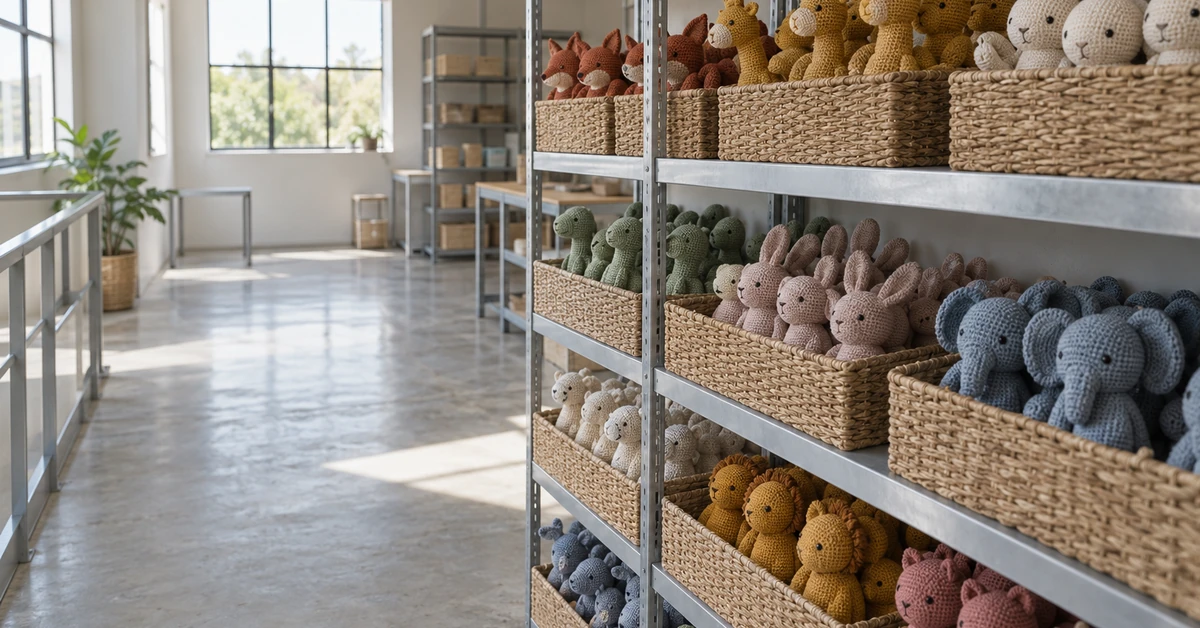
Anybody can send you a fox. Anybody can quote six thousand pieces. Almost nobody can walk into the back and change a specification because you asked.
How I test a supplier in nine seconds
Ask one physical question. Not a price, not a lead time. What happens if the chart grows four rounds. What happens if the 12 mm plastic safety eyes become embroidered ones. What happens if the yarn goes from two-ply to four-ply in the same dyed shade.
Two answers come back. Either a number and a date, ugly or not. Or a version of let me check with our partner. Write the second one down. You will hear it again in eleven weeks, on the afternoon you actually need the change and the cartons are already labelled.
Ask it on a call, mid-sentence. Hand somebody a form and they compose an answer. Catch them talking and you get the real one.
What an amigurumi crochet kit manufacturer can change without asking anyone
Two abilities, no more. Somebody there can move a specification when you ask, and somebody can price the move before it is made. A good sample, a clean packing list and a polite email at ten at night prove nothing, because a middleman can arrange all three.
Range is what it costs. I have not met a site that is genuinely strong on stuffed toys and also good at punched panels and sewing kits. Ask the same floor for all three inside one month and you get a refusal, or a number that quietly pays for the learning curve.
The seven lines I write down before I look at any sample
Twenty minutes per supplier, one spreadsheet column each. Cheaper than a factory visit, and it has saved me more.
| What I write down | Factory answer | Trader answer |
|---|---|---|
| Yarn, and who holds the dye lot | Bought to our shade, held here | Bought per order, held by a partner |
| Hook and needle specification | Set on the floor, changed on request | Passed to a subcontractor |
| Who writes the chart | A named person, or one freelancer we pay | Unclear, and rarely credited |
| Stuffing weight and closures | Weighed batch by batch | Set once, at the sample stage |
| Packing | In the same building | Somewhere else |
| Who signs the inspection sheet | A role inside the building | A role at another address |
| Whose name is on the export file | The name on the sample invoice | A name you have not met yet |
Two of those lines settle most arguments. The dye lot and the inspection signature. A dye lot nobody owns is why the second order arrives a shade off after a three-week wait. A signature from another address is why your complaint takes nine days to travel and comes back without a photograph.
A factory owns the yes
One gate covers production, packing and the first inspection. Rework is decided the same afternoon. A doubtful dye lot stops before anything is cut, which is the cheapest possible place to stop it. The person drawing the chart sits close to the person crocheting the sample, so a chart error shows up in the first piece rather than the thousandth.
The trade is range. The first request outside their lane either slows down or gets priced in somewhere you were not looking.
A trader owns the middle
Four categories in one 40-foot container is one relationship instead of four, and one envelope of paperwork: invoice, packing list, inspection record. Small mixed quantities are the other win. Capacity gets borrowed across several sites instead of a line being held against your deposit.
The margin buys chasing, consolidating and emailing, not authority. A trader can ask for a change; only whoever holds the mould, the chart and the yarn can grant it.
Where the two really differ
| What you are buying | Factory route | Trader route |
|---|---|---|
| Plain design, one size | Usually the lowest quote you will get | Floor price plus a coordination margin |
| Mixed assortment, one shipment | Poor, or refused | Often the only workable answer |
| First sample | Slower while the line is busy | Faster, because sampling is somebody's job |
| A change after the deposit | Priced and decided internally | Possible if the site agrees |
| Rework | Decided on site | Relayed |
| How much you see | The line | The report |
Read it twice. Factory good, trader bad is not the pattern. Inside a narrow range the factory wins on price and control. Outside it, the trader wins on breadth and on how fast somebody replies.
How each of them fails, and how you find out
Factories fail quietly. The order is accepted, scheduled behind something bigger, and the delay arrives as a slipped ship date instead of a refusal. The tell is a factory that will not put a production slot in writing. A schedule that lives in a phone call is not a schedule.
Traders fail late and loudly. One small question travels for a week and comes back slightly different. What you get is a sample nearly right in three places at once: a millimetre of ear, one shade of grey, a closure that sits too low. Nearly right costs more than wrong, because somebody signs it off.
How Onehourcrafts fills in the list
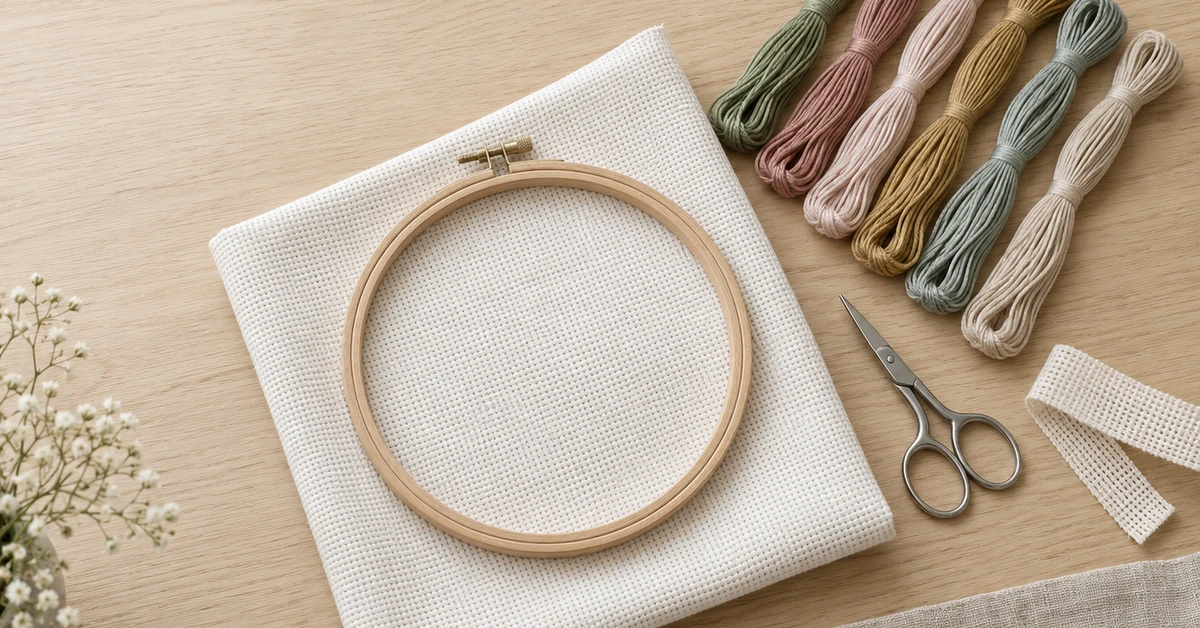
Onehourcrafts works as an amigurumi manufacturer and crochet toy manufacturer across a range that covers crocheted products, crochet DIY kits, punch needle, cross stitch, embroidery, felting and sewing notions. Ask for the seven lines and they come back filled in the same way whatever route fits: what is made here, what is bought to your specification, what depends on somebody else. That list gets written before sampling, not after, and it covers private label amigurumi work too.
Ask every supplier for it. The conversation stops being about personality and becomes about how much of the product anyone is allowed to change. The other checks sit in our buying guide, in the same order.
Five questions to run on the next call
- Is the design fixed for the next two orders, or still moving?
- Does one shipment need more than two craft categories?
- Will anything change after the first batch?
- Is my first order below the minimum they said out loud?
- Can I absorb a four-week delay without telling my own customer?
Work down the list and stop at the first question you cannot answer. The order matters, because a fixed design and a mixed container pull in opposite directions and you will end up arguing with yourself.
Where my own test has failed me
Three times. One of them cost a client a season.
It assumes the design is settled. Anybody still choosing between three colourways should not be picking a route yet. I watched that decision get made a month early once, and the resampling round ate the whole margin.
It assumes the in-house production claim is true. That claim is worth what the export name and one site visit show, nothing more. Trade terms and Incoterms, described in general by the International Chamber of Commerce, explain how documents are supposed to work. They say nothing about whether one supplier's paperwork matches.
And it assumes the assortment stays mixed. Narrow your range after the first season and the trader's advantage narrows with it. The coordination margin stops paying for itself, and nobody rings to tell you.
The one I would keep, if I could keep only one: none of this predicts quality. A factory with a careless inspection bench loses to a careful trader every time. Picking a route narrows the field. It does not rank what is left.
Two calls, two answers
- One animal, three sizes, twice a year. Fixed chart, familiar buyer, clean repeat. The factory route won on unit price and dye-lot control, and the buyer accepted a slower first sample in exchange for a production slot in writing. The second order repeated with no resampling.
- Crochet animals, punched panels, a sewing kit, one autumn shipment. Quantities no single site would schedule, four categories, one delivery date. The trader route won because the value sat in the mixing. The buyer paid a coordination margin and got one container instead of three arguments.
The five questions that separate them
| Question | Sounds like a factory | Sounds like a trader |
|---|---|---|
| Who cuts the yarn for this kit? | A station, sometimes a name | "Our partner" |
| What is your export name? | The name on the sample invoice | A company you have not heard of |
| Who signs the inspection sheet? | A role in this building | A role at another address |
| What happens if I change the chart? | A cost and a date | Your question, forwarded |
| How many lines are running this week? | A number, with products | A description, without numbers |
Next step: send the brief, then read the reply
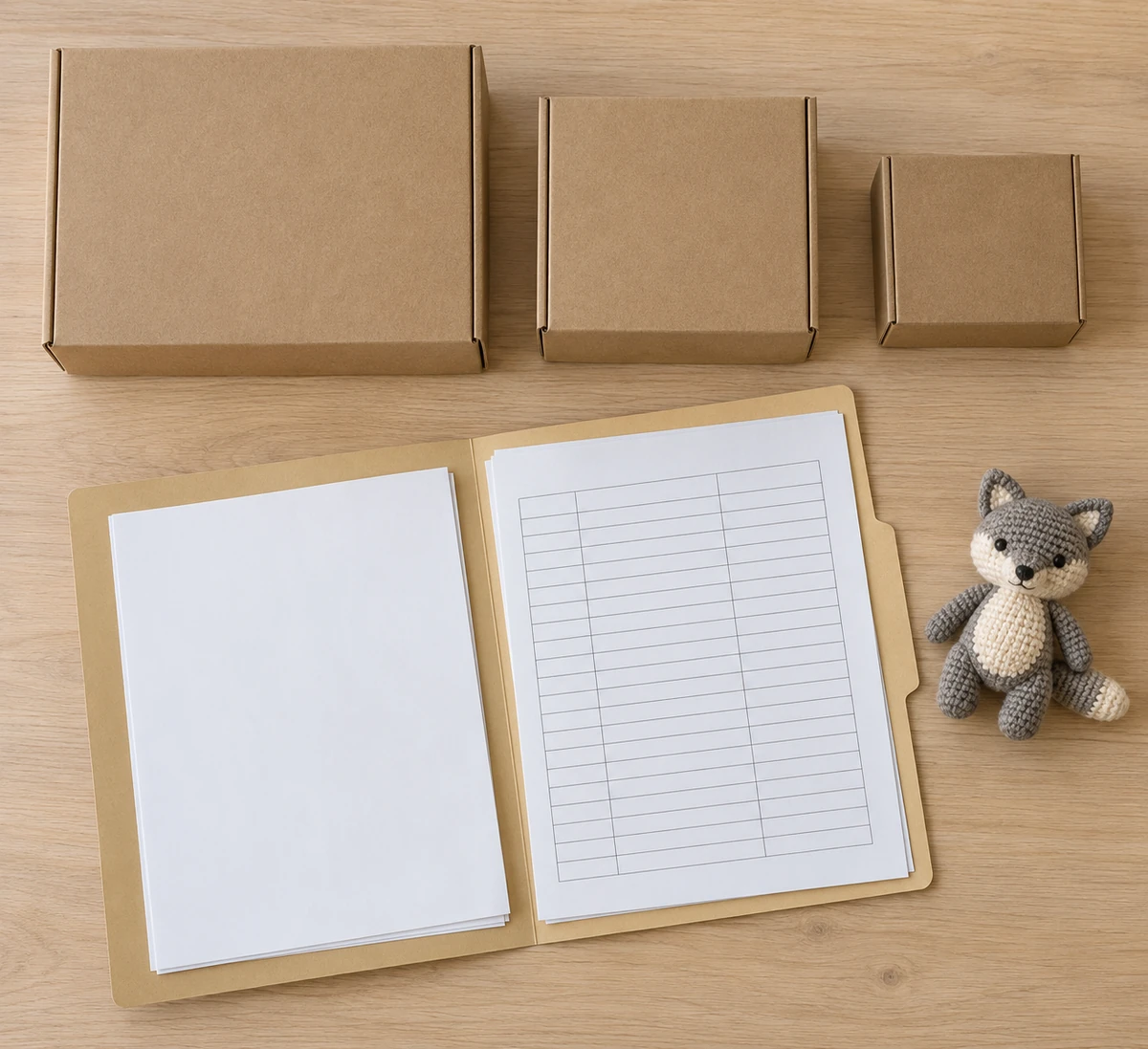
The reply tells you which route you are actually talking to, weeks before a sample arrives. When two suppliers answer the same question the same way, compare export names and inspection signatures next. Wider context on market access and the documents that travel with a shipment sits in the International Trade Administration material.
Buyers who want the seven lines filled in for a specific kit can send the brief to Onehourcrafts. Expect the same three-part answer any straight amigurumi crochet kit manufacturer gives: what is made here, what is bought to your specification, and what depends on somebody else.
Frequently asked questions
Can I still use a trading company?
Of course, and half the buyers I work with do. Pulling four categories into a single 40-foot container is real work, and no factory I know will do it. Where it falls apart is the week you need one specification changed and nobody on the call can say yes.
What should the factory be able to show me?
Four things, and none of them is a certificate. A station where the yarn gets cut. A chart that belongs to the site or to one freelancer they pay. An inspection sheet signed by somebody who works in that building. And an export name that matches the name on the sample invoice.
Is a factory always cheaper?
Not always, and the exceptions are the interesting part. One design, one size, ordered twice a year: yes, usually the lowest quote you will see. Ask for four categories in the same container and the same factory either says no or prices the inconvenience in.
How do I find out who is actually making the kits?
Three checks, and they should agree with each other. The export name. Who signs the inspection sheet. What one mid-order change costs. When those three answers contradict each other, believe the contradiction rather than the brochure.
Does it matter that the yarn is bought elsewhere?
Bought elsewhere is normal. Bought elsewhere and never mentioned is the problem. Whoever holds the stock holds your dye lot, and your second order will look like whatever was on the shelf that week.
What is different after I move to a factory?
Two things, in opposite directions. Rework speeds up, because the person who decides is in the building. The range narrows, usually faster than buyers expect, and the first request outside it is when you find out.
How much can one factory run at once?
Ask what else is on the lines this week. Nobody answers that badly, because it is concrete. A vague description is a bad sign. A list of products with rough quantities is a good one.
Do I need to visit before ordering?
For a first order above what you can comfortably lose, yes. For a trial below a container, read the paperwork first and save the flight. Documents tell you more per hour than the tour does.
What does a visit not tell me?
Capacity, stability, and how they behave in a bad month. The floor looks the same in a quiet week and a panicked one. The difference shows up two months later, in whether your slot was ever put in writing.
Can I keep talking to both while I decide?
I would. Run the same five questions at both, keep the replies in one folder, and let the second round decide. It usually does.