
A crochet collection wholesale order is judged as a set, not as a list of products. Buyers rarely reject a single item; they reject a range that gives them no reason to buy the second piece. The fix is not more SKUs. It is giving each item a job. Onehourcrafts plans a collection in three roles, so a buyer can see where a sample belongs, what it competes with, and what it replaces.
Three roles hold a collection together
An anchor earns the first look. A bridge widens the price or use case without splitting attention. An exit gives the range a stopping point, so the shelf does not trail off into items nobody asked for.
| Role | Job on the shelf | Test question |
|---|---|---|
| Anchor | Earns the first look | Would a buyer pick this up cold? |
| Bridge | Widens price or use | Does it sell to a different shopper? |
| Exit | Closes the range cleanly | Does it answer the last objection? |
Write the role next to every sample before the price conversation starts. A sample with no role is a candidate for removal, no matter how well it is made.
Write the price ladder before the sample list
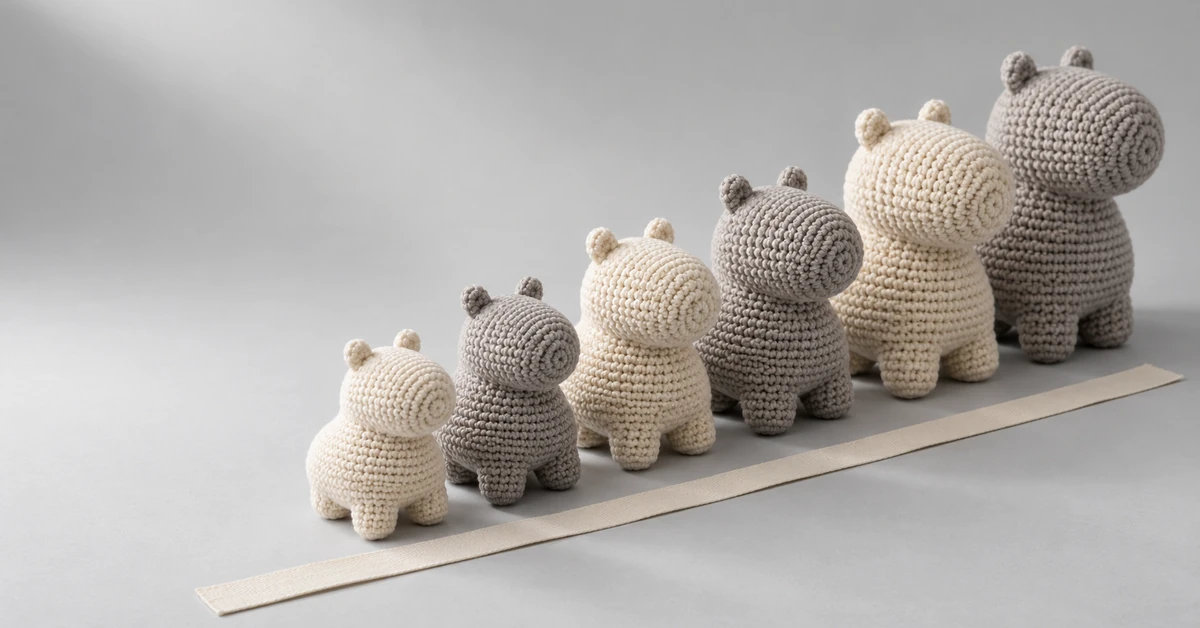
Buyers compare a range in steps, not in absolute prices. Settle the rungs first, then ask which item fills each rung. Doing it the other way round produces a collection where two items compete for the same shopper.
| Rung | What changes | What must not change |
|---|---|---|
| Entry | Size, count or finish | Basic construction |
| Middle | Materials or detail | Same colour family |
| Upper | Extra work or packaging | Same care language |
Keep the step size visible on the shelf. If a shopper cannot see why one item costs more, the cheap one wins and the range collapses into a single seller.
Choose one material story and keep it
A collection reads as a family when the fibre story stays steady and the variation happens somewhere else. Mixing unrelated yarns to hit a price point produces a rack that looks like leftover stock rather than a designed range.
Write the fibre rule once: the fibre family allowed per rung, the finishes allowed to vary, and the care label wording that must stay identical across the set. Suppliers quoting for finished crochet products can then quote against the same rule for every item.
Keep colour continuous across finishes
Colour is the cheapest way to make a range look planned and the easiest way to make it look accidental. Name the colours once, then reuse the same names across sizes, counts and finishes.
- One colour name per shade, used everywhere
- One approved reference per colour, kept with the samples
- One rule for how much a shade may drift between orders
When a new shade joins the range, decide which existing shade it replaces. Collections grow badly when they only ever add.
Let size carry the price difference
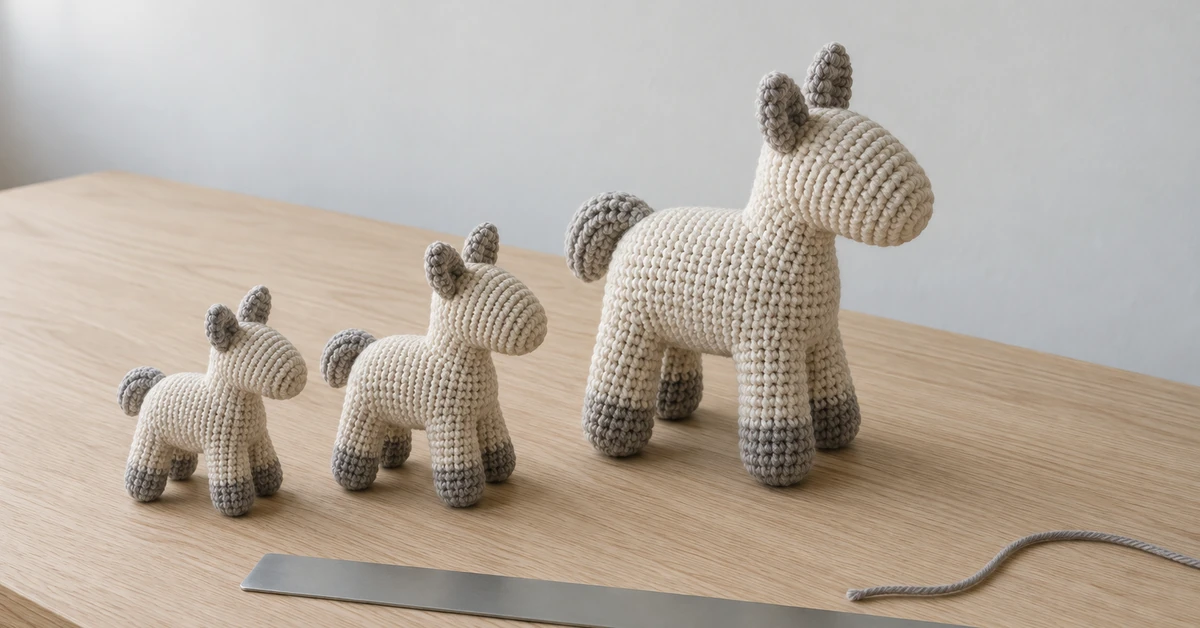
It is easier to explain a higher price through size, count or finish than through an invisible material upgrade. Shoppers can see dimensions and quantity; they cannot see why one yarn costs more.
Keep the visible difference large enough to notice at a glance. Two similar items at different prices teach the shopper that the range is overpriced rather than tiered.
Decide what the collection refuses to include
A written exclusion list is a design tool. It stops the range drifting into novelty shapes, seasonal one-offs or components the factory would have to buy in specially.
State the exclusions in the brief and repeat them in the sample review. Suppliers will not volunteer that an idea sits outside the collection unless they know where the edges are.
Pack the range so a buyer can read the roles
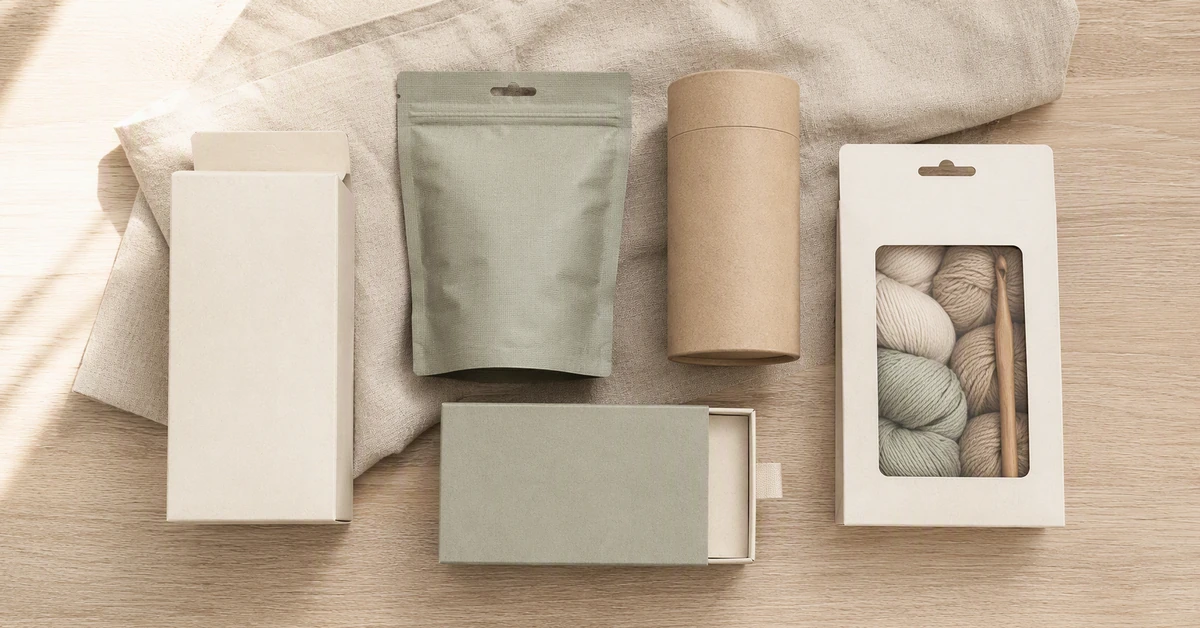
Packing should make the tier obvious without a sales conversation. The same pack shape across the range, with one variable that signals the rung, is usually enough.
| Rung | Pack signal | Reason |
|---|---|---|
| Entry | Simple tag, single colour | Low cost, quick read |
| Middle | Tag plus insert card | Explains the extra work |
| Upper | Window or gift-ready format | Justifies the top price |
Test the collection on a table, not in a spreadsheet
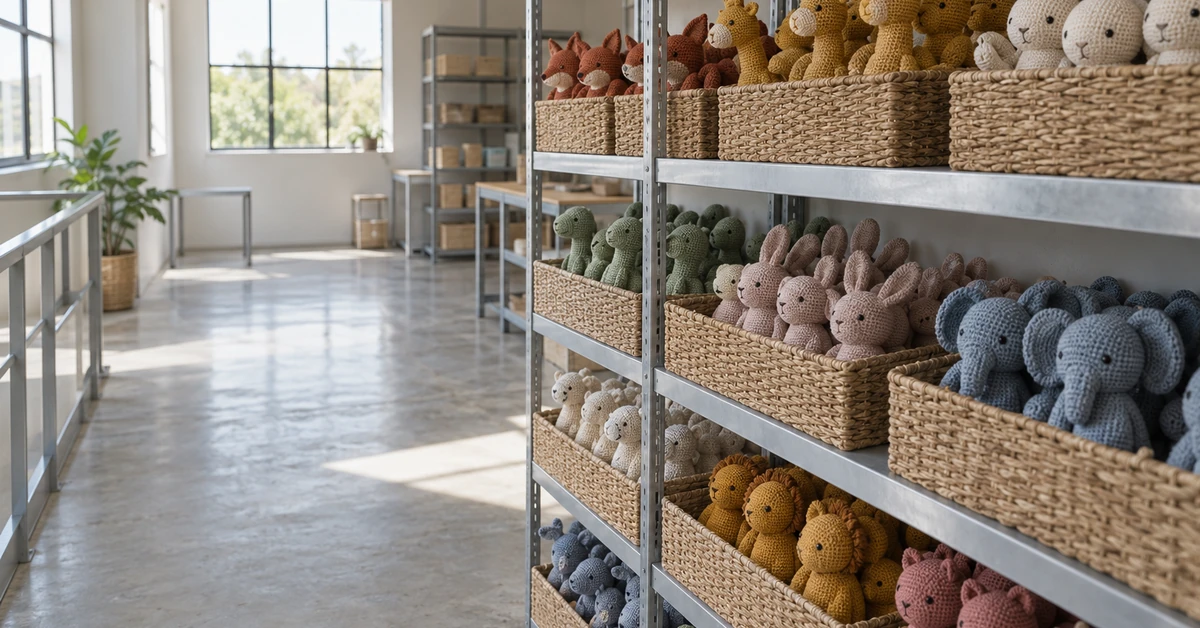
Lay every item out at the width of a real shelf and step back. The range should separate into groups on its own, without labels explaining which item belongs where.
If two items need a caption to tell them apart, one of them is not earning its place. This test costs nothing and catches range problems long before tooling begins.
Set the reorder unit per role
Roles sell at different speeds, so they should not share one reorder quantity. The exit item usually needs a small unit, the anchor a large one, and the bridge sits between.
| Role | Reorder behaviour | Planning note |
|---|---|---|
| Anchor | Fast repeat | Protect stock cover first |
| Bridge | Steady | Watch for shifts between rungs |
| Exit | Slow, deliberate | Keep the unit small |
Retail-ready crochet products usually carry a barcode on the pack, so the reorder unit has to match the way the shop counts stock. The GS1 barcode standard is the usual reference for how that identity is built.
Plan the exit before the season ends
The exit is the item that lets a buyer close the range without discounting the anchor. Plan it early: it should be cheap to make, quick to pack and useful enough to sell on its own.
A weak exit pushes shops into cutting the anchor price, which damages the whole ladder for the next order.
Use a sample set as the shared reference
One complete approved set, kept intact and labelled, prevents most repeat-order arguments. It shows the exact combination the buyer approved rather than a description of it.
- Keep one set with the buyer and one at the factory
- Label every piece with its role and colour name
- Photograph the set in daylight before packing it away
- Replace the set only through a written change note
Put quantity behind a role, not behind a favourite
Buyers often order heavily into the piece they personally like. The safer split funds the anchor first, gives the bridge enough to be judged, and keeps the exit small.
When a first order has to be trimmed, trim the exit and the slowest bridge before touching the anchor.
Ask these questions before you confirm a range
- Which item earns the first look, and why that one?
- What does each rung change, and what stays identical?
- Which colour names are shared across the whole set?
- What is excluded from this collection on purpose?
- What is the reorder unit for each role?
- Which item closes the range without a discount?
A crochet wholesale supplier who can answer these against your own sample set is easier to reorder from than one who only quotes per piece.
Two kinds of buyer read the same range
A retail buyer walks the range looking for what sells next month. A wholesale buyer asks whether the pack can be split, stored and reordered without extra work. Both are reading the same crochet products wholesale sheet, but they are answering different questions, so the brief should show both views side by side.
Shoppers who buy for a shop counter behave differently again from those buying for a workshop. List the crochet products for retailers separately from the pieces you expect to sell direct, and check that every item has a home in one column or the other.
Order components on the same sheet as the range
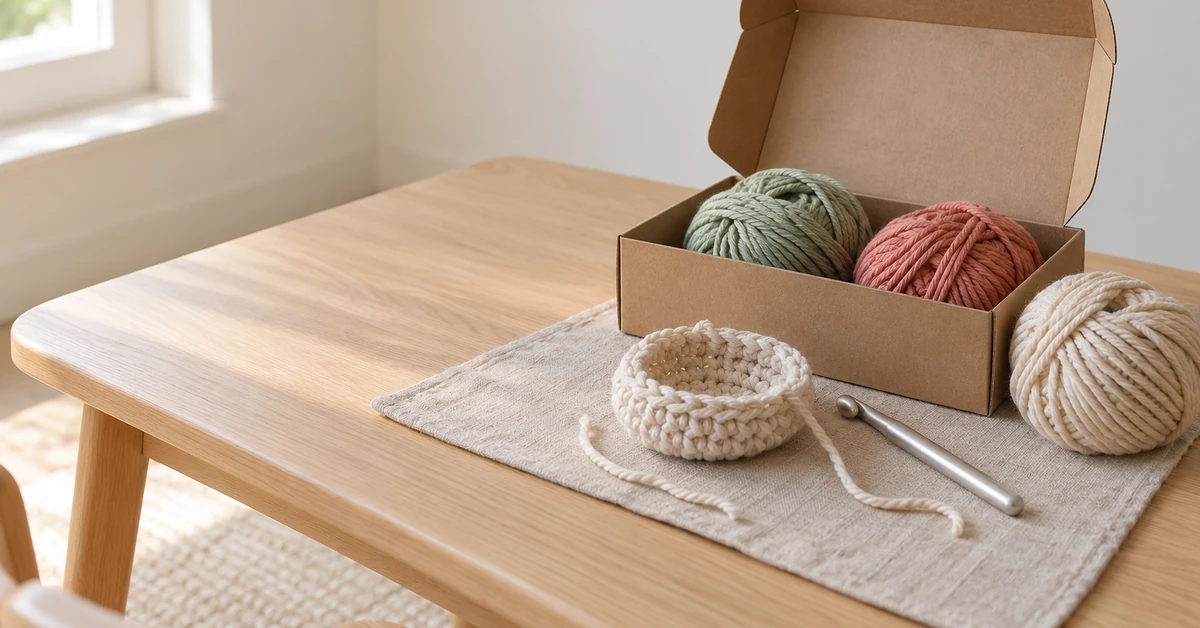
If the range includes hooks, markers or bags, price them on the same document as the finished pieces. Buying wholesale crochet supplies on a separate sheet is how colour and finish drift apart from the products they are meant to accompany.
One sheet also makes the freight conversation easier, because components and finished pieces can be combined into the same carton when their packing allows it.
Make each unit shelf-ready before the range grows
Retail ready crochet products need a hang tag, an identity on the pack and a format that survives handling. Confirm those three on the anchor before the range expands, because retrofitting them across six items costs far more than designing them once.
A crochet collection wholesale order placed before the pack is settled usually comes back with a change request, which resets the sample clock for the entire range.
How Onehourcrafts keeps a collection coherent
Onehourcrafts builds a range from the role sheet outward. Each item is tied to a role, a rung, a colour name and a reorder unit before the first sample is approved, so bulk crochet supplies and finished pieces stay in the same language.
Buyers who plan several seasons can read the buying guide library first, then send a range brief through the inquiry form with the role sheet attached.
Frequently asked questions
How many items should a first crochet collection have?
Enough to demonstrate the roles and no more. A workable first range usually carries one anchor, one or two bridges and one exit, which is small enough to fund properly and wide enough to show a buyer how the line behaves.
Should every item in the range share the same yarn?
Not necessarily. They should share a fibre story and care language, with variation concentrated in size, count or finish rather than in unrelated materials.
How do we stop the middle items competing with each other?
Give each bridge a different shopper or use case, and keep the visible difference between rungs obvious. If two items need a caption to separate them, one is redundant.
Does one crochet collection wholesale order need one barcode?
Each sellable unit normally needs its own identity on the pack so the shop can count and reorder it. Group the range for planning, but keep the identities distinct.
What is the most common range-planning mistake?
Adding SKUs to fix a weak shelf. Extra items rarely repair a range that has no anchor, no clear steps and no exit.
How should a buyer brief a range to a supplier?
Send the role sheet, the price ladder, the colour names, the exclusion list and the reorder unit at the same time. A supplier quoting against all five can flag conflicts before sampling.
When should the exit item be designed?
Early, alongside the anchor. Leaving it until the end usually produces a discount item rather than a range closer.
How do we keep colours stable across a multi-season range?
Name each colour once, keep an approved reference with the sample set, and write a rule for acceptable drift between orders.
Is it better to launch a narrow range or a wide one?
Narrow, if the roles are clear. A tight range that sells through teaches more and reorders better than a wide range that only partially moves.
What does a supplier need to quote a range accurately?
The role of each item, the target rung, the quantities behind each role, the packing level and the trade terms. Incoterms 2020 from the International Chamber of Commerce is the usual reference for the last of those.