A grocery buyer does not judge crochet products for supermarkets the way a craft shop does. The craft shop asks whether the item is charming. The supermarket asks how many facings it needs, what it weighs, whether it survives being pushed along a peg and whether it sells at the price band printed above it.
Suppliers who treat the supermarket as simply another customer usually get one trial order and no repeat. The product may be excellent and still fail the channel, because the channel has its own rules about pack size, packaging strength and replenishment rhythm.
The shelf is the specification
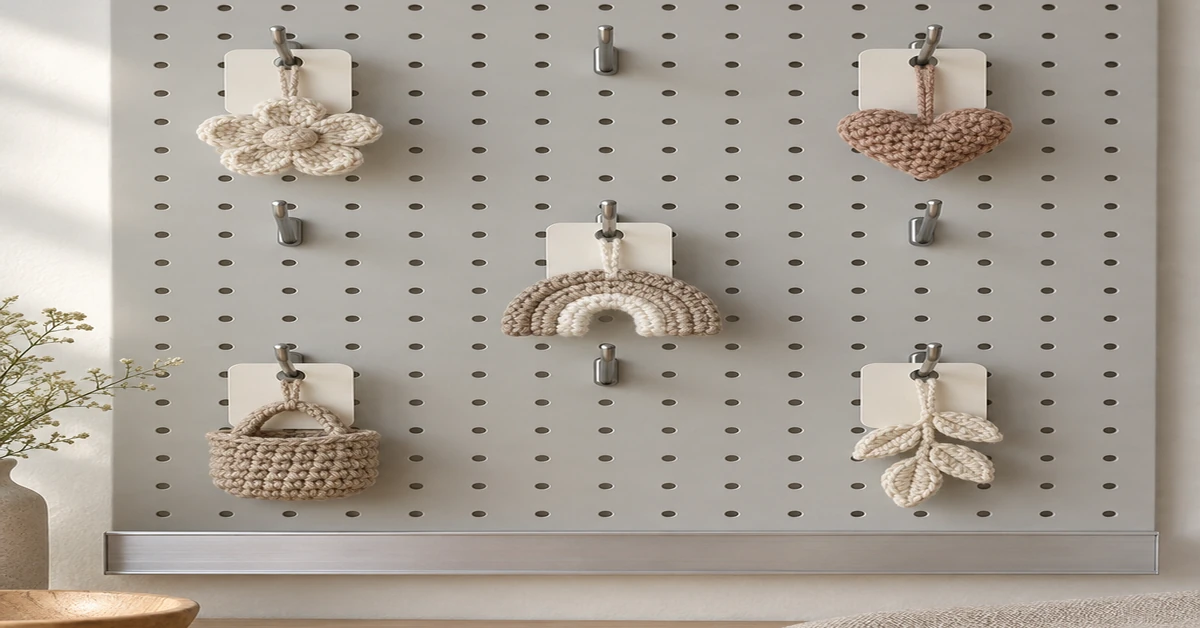
Start from the fixture rather than from the product. A pegboard in a gift aisle, a shallow shelf near the tills and a seasonal dump bin at the entrance impose three different constraints, and a range designed for one rarely works in the others without changes.
The constraints are measurable: peg length and hook capacity, shelf depth, the height of the ticket strip, and how much the fixture is expected to hold before it is refilled. A supplier who asks for those numbers before quoting will design a range that fits the first time.
Peg, shelf or dump bin
| Fixture | What it rewards | Where it punishes the product |
|---|---|---|
| Pegboard hook | A hang card that stays flat, a light unit and a clear front face | Heavy items that swing, or cards that bow on a humid day |
| Shelf with a ticket strip | A stable base, a readable front edge and a shape that stacks | Items that roll, or a pack that hides the price band |
| Seasonal dump bin | A robust pack that tolerates loose handling and re-piling | Soft packaging that creases and starts to look used |
| Till-point tray | A small unit at an impulse price with a single clear idea | Anything that needs explaining before it can be bought |
Most successful grocery ranges pick one fixture and design to it. A range that tries to serve the peg, the shelf and the bin at once usually ends up working in none of them, because the packaging compromise shows wherever the product lands.
- Measure the fixture rather than describing it: peg length, hook spacing, shelf depth and ticket height.
- Ask how often the fixture is filled, because that sets the case quantity more than anything else.
- Photograph an existing product that sells well there, to use as a size and pack reference.
- Choose one fixture for the range and accept that a second channel needs a second pack.
The same discipline applies to a craft range sold through a different route. Crochet products for retailers usually need more explanation on the pack than a grocery item, while retail ready crochet products in a chain store need almost none, because the shopper already knows what the shelf is for.
Pack size and the price band that moves
Supermarket pricing is banded rather than continuous. There is a comfortable impulse band, a gift band above it, and a narrow space at the top where the shopper starts comparing the purchase to something else. A range that lands half a band too high sells far more slowly than one that sits inside a band.
Pack size is the lever. Two small items in one pack, or one item with a card that carries a message, moves the unit through a band without changing what is inside it. That is usually cheaper than shrinking the product, which damages the perceived quality.
| Price band | What sells there | The mistake that stalls it |
|---|---|---|
| Impulse band | One small item with a single clear idea | Adding a second item and leaving the band altogether |
| Gift band | A pair or a set with a card and a box | Packing that looks cheap next to the price ticket |
| Just above the gift band | Nothing reliably, in grocery | Assuming a craft-shop price works on a grocery shelf |
Packaging that survives store handling
Between the factory and the shopper, a pack is handled by a loading crew, a shelf filler and possibly several shoppers. The packaging has to survive all of them and still look new on the weekend, when most of the selling happens.
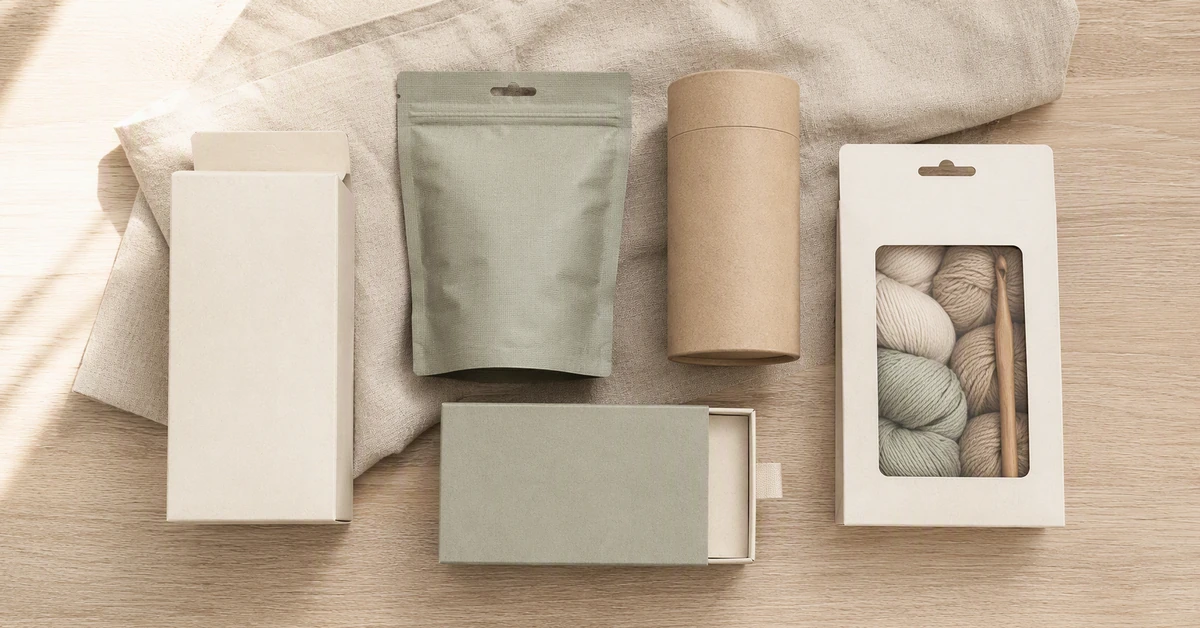
Practically, that means a card thick enough to stay flat, a laminate that resists scuffing on the corners, and a fastening that does not mark the yarn. Where the item is soft, the pack should hold its shape rather than relying on the contents.
Case packs and the replenishment loop
A store replenishes from a case, not from an item. The case quantity decides how fast a shelf looks full again, so it should be chosen with the fixture in mind rather than with the carton optimisation in mind.
For crochet products for supermarkets the case quantity is usually set by how many times the fixture can be filled between deliveries, not by how neatly the cartons stack. Those two answers are frequently different, and the fixture wins.
A case that fills a peg twice over is usually right. One that fills it nine times forces the store to hold back stock that has nowhere to go, and one that fills it halfway leaves gaps between deliveries. Barcode standards published by GS1 cover the identity side of this, and the case quantity is the commercial half of the same decision.
Barcodes, labels and the scan
A grocery listing depends on scanning working first time, at the item level and often at the case level as well. A barcode that reads on the sample and fails on a curved or laminated pack is a listing problem rather than a printing problem.
Test the code on the production pack, at the position it will actually sit, before the print run. Moving a barcode a few millimetres away from a fold is a cheap change at artwork stage and an expensive one after packing.
Seasonal windows on a grocery calendar
Grocery seasonal calendars are set earlier than most craft calendars, and the space is allocated long before the goods are ordered. A supplier who can only confirm a delivery date in June will miss a December fixture that was agreed in March.
The practical answer is to plan the range around the fixture window rather than around the production run, and to hold a little flexibility in pack decoration so one product can serve two adjacent occasions without a new order.
Retail seasonal planning guidance such as the material published by NRF is written for the store rather than for the supplier, and reading it from the store's side is what makes a supplier's calendar realistic. The date that matters is not when the goods can be made; it is when the fixture is built.
What does not sell in a grocery aisle
Anything that needs a demonstration, a long explanation or a size decision fails in this channel. So does anything that a shopper would reasonably expect to find in a specialist shop, because the shopper is not standing in one.
Complex craft projects, specialist tools and narrow colour ranges all underperform here even when the same product does well elsewhere. That is a channel fact rather than a product verdict, and it is worth stating plainly before a range is designed for the wrong shelf.
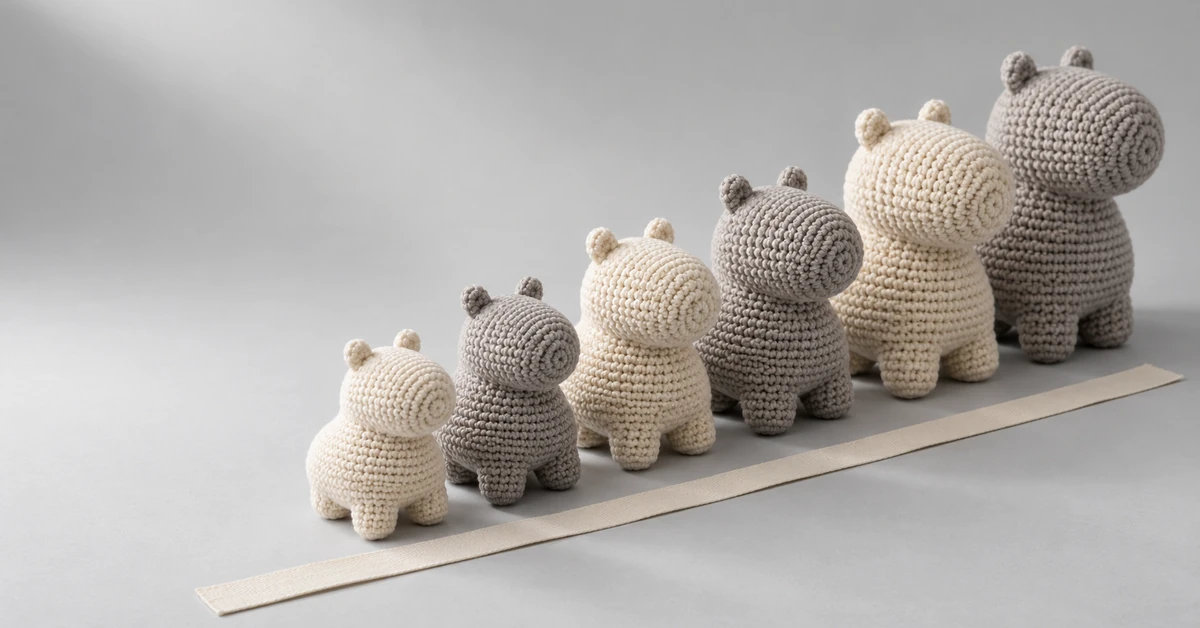
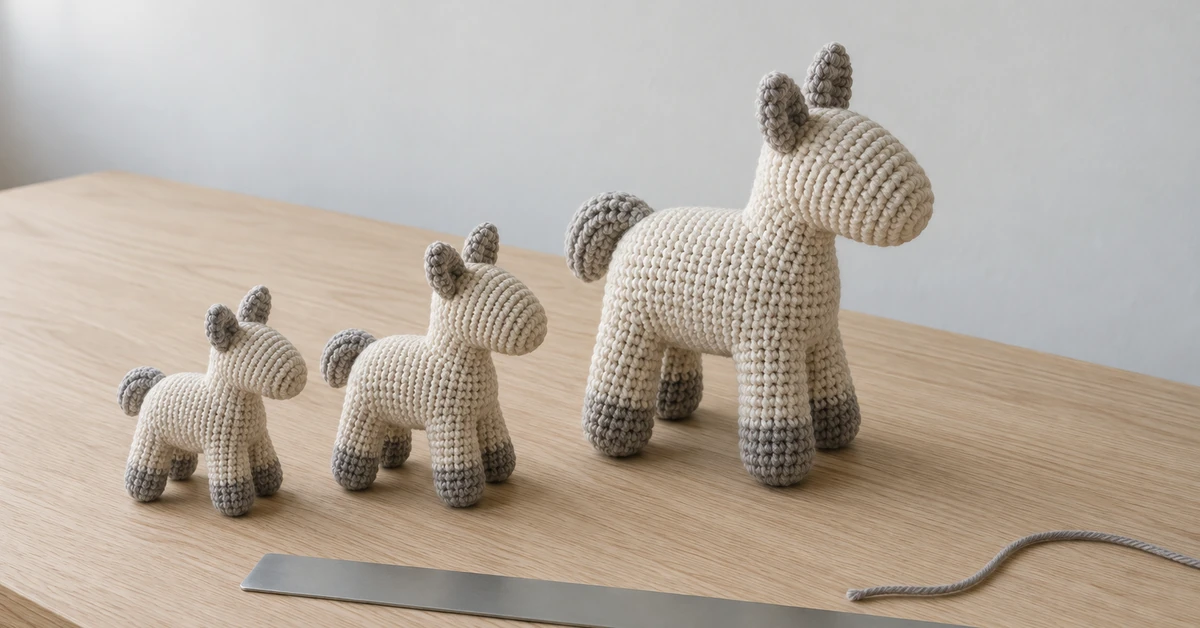
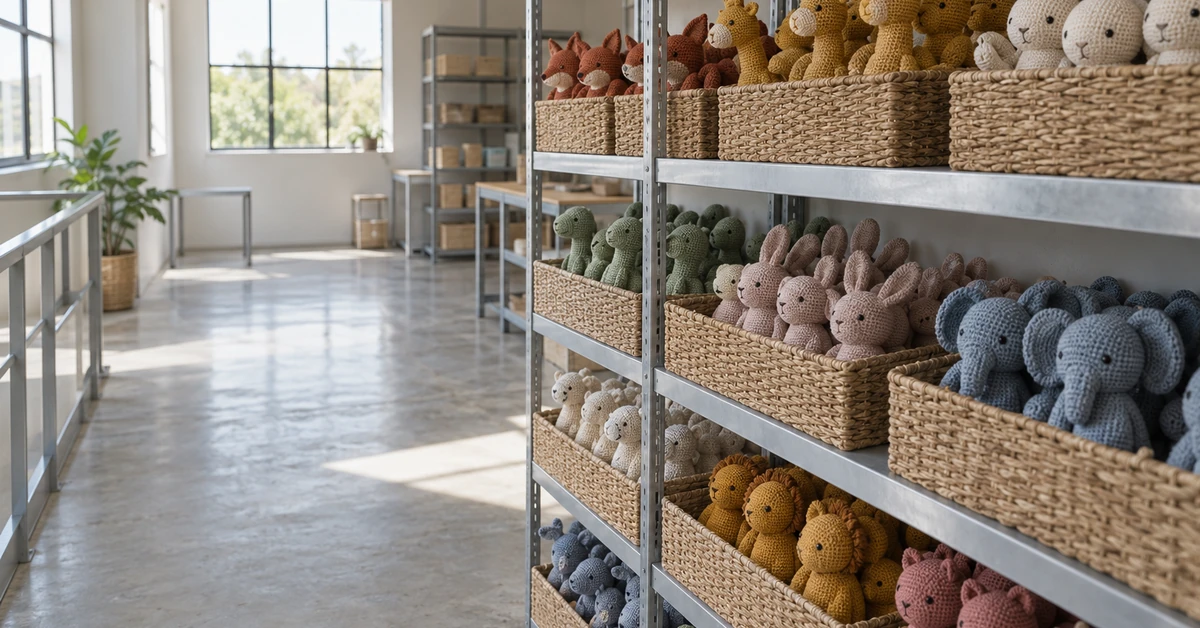
Character-led items are the exception that proves the rule. Crocheted toys wholesale can work in grocery when the character is simple and the pack tells the story in a few words, and an amigurumi supplier with a recognisable house character can build a repeat season from exactly that. Where a design is licensed, the licence terms usually decide the channel as much as the buyer does, so they belong in the first conversation rather than the last.
Free-standing display units and the space they cost
A display unit is a request for scarce floor space, and it is judged on sales per square metre rather than on how attractive it looks. A retailer can afford it, and a supplier usually has to justify it with a rate of sale the buyer believes.
Where a unit is supplied, build it around one clear product family and a single price band. Units that mix bands tend to sell the cheapest item well and the rest not at all, which looks like a weak range rather than a confused display.
How Onehourcrafts builds a supermarket-ready range
Onehourcrafts quotes against the fixture: peg or shelf, pack size, case quantity and the price band the buyer is working inside. The packaging is specified with the card thickness and fastening named, and the barcode position is agreed at artwork stage so it can be tested on the pack that will actually be printed.
Because the volume is set by the fixture, crochet products for supermarkets are quoted against a filled fixture rather than against a pallet, which is why the case quantity appears in the quotation before the unit price does. Buyers who want their own name on the shelf can have custom branded crochet products with a printed card and an unchanged crochet body, and a crochet wholesale supplier can usually run both versions together so the artwork is the only difference between them.
The crochet items this applies to are listed on the crocheted products page, and the wider retail planning notes are collected in the buying guide.
The numbers to bring to an enquiry
Four items make a supermarket enquiry answerable: the fixture type, the price band, the case quantity the store can absorb and the week the goods must be on the shelf. With those, a supplier can propose a pack and a range rather than a single item.
It also helps to say whether the buyer expects a display unit, because that changes the packaging and the logistics rather than only the artwork. Send the four items and the reply will come back as a proposed range. Send the channel details and the quotation will be built around the fixture. More channel notes are on the blog.
Limits: what a trial store proves
One store is a test of the fixture and the neighbourhood, not of the range. A trial that sells out in a busy branch can fail in a quiet one, and a slow trial can be caused by the position rather than by the product.
- A trial proves the fixture holds the pack, and nothing more.
- It does not prove the price band, because one store is a single sample.
- It does not prove the range, because the range was never on the shelf.
- It does not prove the season, because one week is not a season.
Read a trial against its rate of sale per facing and its position in the aisle, and repeat it in at least one contrasting store before changing the design. That habit is what separates a supplier with a grocery business from one with a grocery order.
Frequently asked questions
What unit price sells best in grocery?
There is a comfortable impulse band rather than one price. Most ranges do best when the pack is built to sit inside that band rather than just above it.
Should supermarket packs be larger or smaller?
Larger in content, not in physical size. Two items behind one card often reads better value than a single larger item at the same price.
How thick should a hang card be?
Thick enough to stay flat after weeks on a peg in a humid aisle. Testing a card that has been hanging for a month is more useful than testing a fresh one.
Do supermarkets require case barcodes?
Many do, and the requirement is usually stated in the listing pack. Confirming it early avoids reprinting cartons after the goods are packed.
What is the usual trial order size?
It depends on the chain, but a trial is normally sized to one fixture in a small number of stores. Quoting against the fixture keeps the answer realistic.
Can a craft product work in grocery at all?
Simple, giftable items generally can. Projects that need instruction, specialist tools or a size decision usually cannot, and that is a channel issue rather than a quality issue.
How far ahead should a seasonal range be agreed?
Earlier than most suppliers expect, because fixture space is allocated before orders are placed. Asking about the window first is the fastest way to find the real deadline.
Is a display unit worth supplying?
It can be, if it is built around one product family and one price band. Mixed displays often underperform a plain shelf.
How should a slow trial be judged?
Rate of sale per facing, in position, against a comparable store. Total units alone rarely explain why a trial worked or did not.
Does packaging change the shipping cost?
It can, because a card and a moulded insert add volume and weight. The case pack and the packaging are worth pricing together rather than separately.