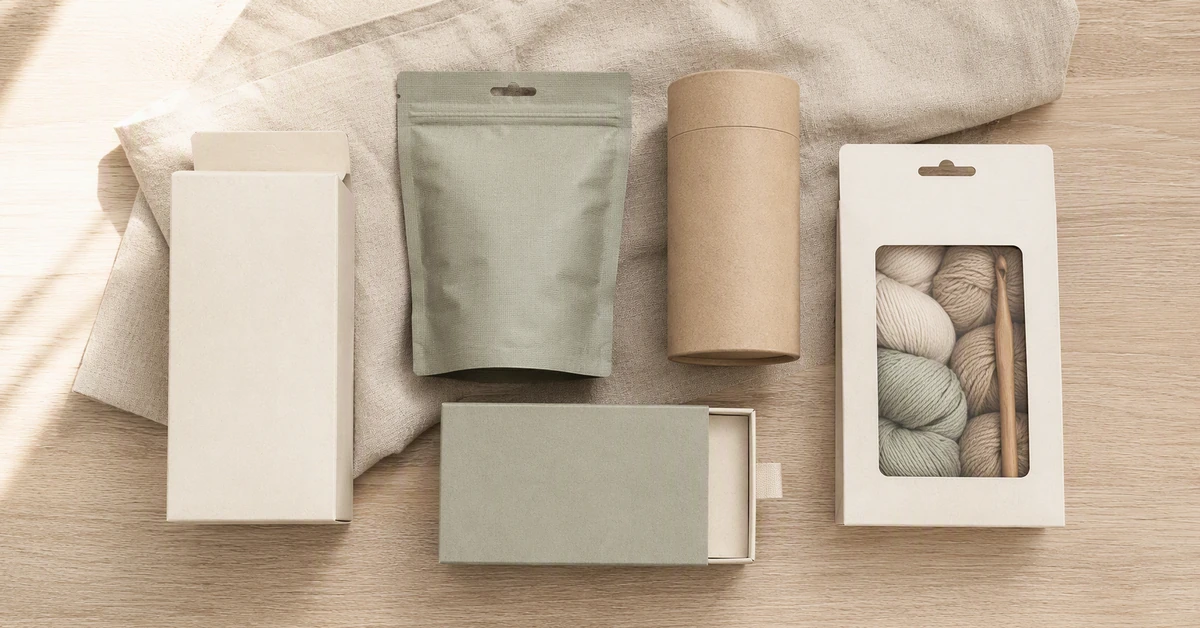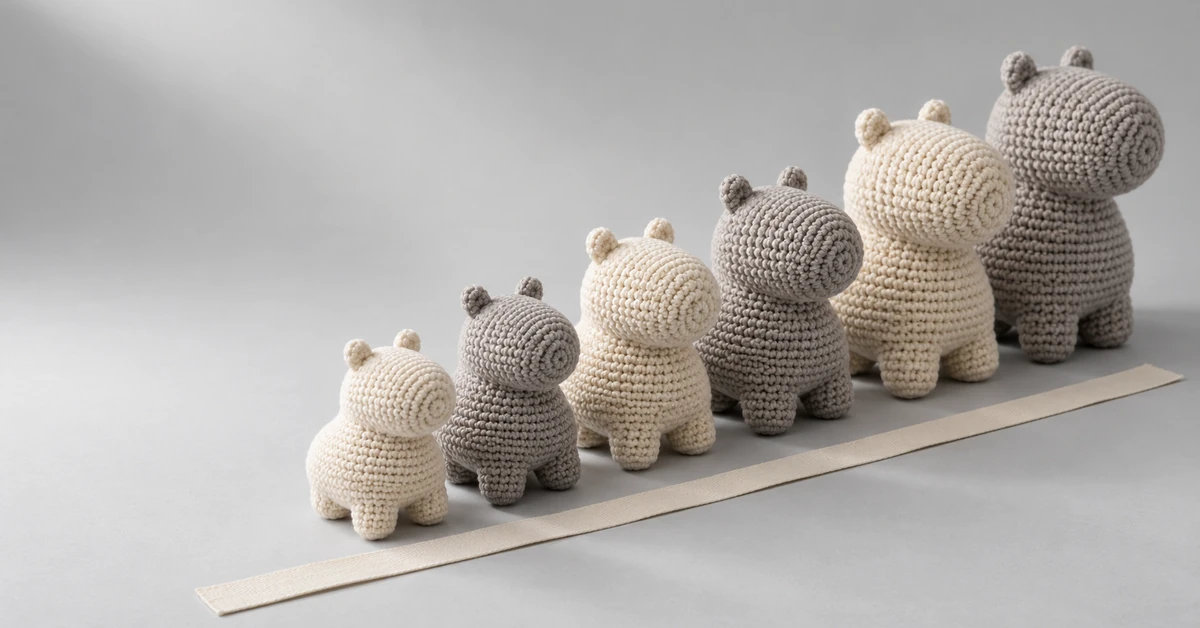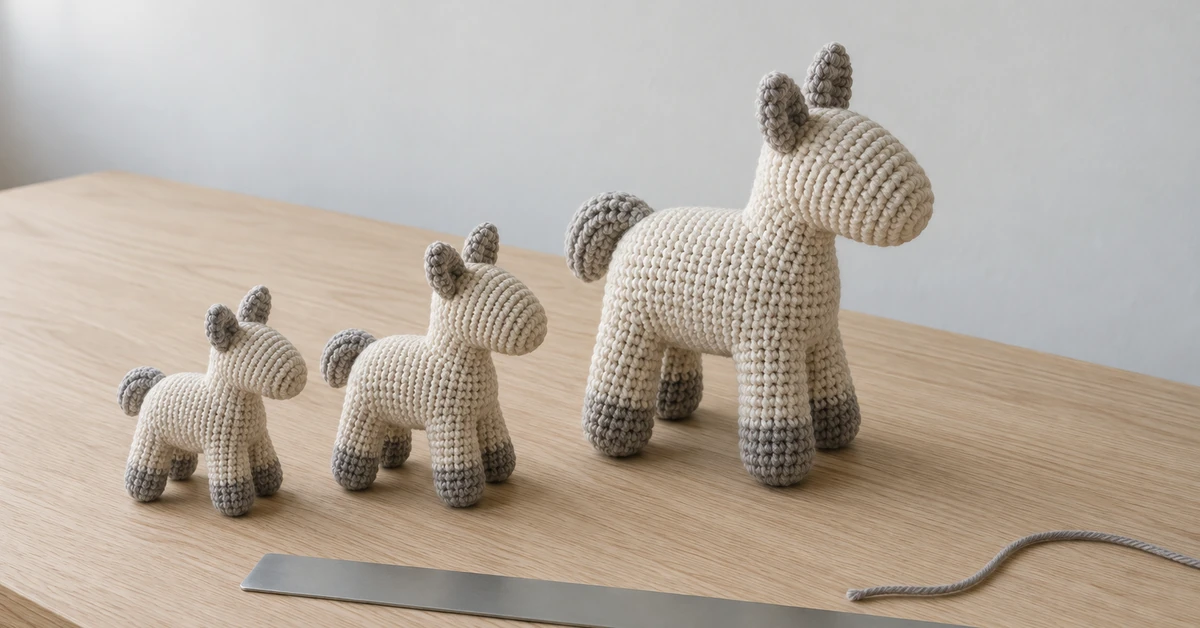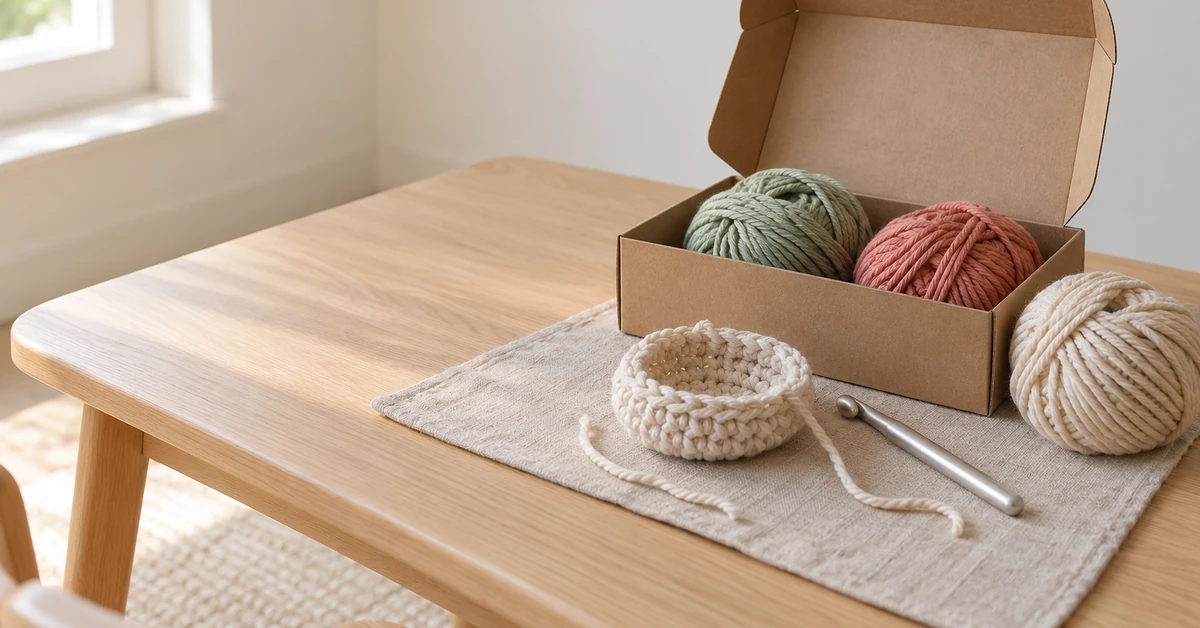

A child almost never opens a needle felting kit alone, and a felting kits for kids wholesale range that ignores the adult in the room will be returned, repacked or quietly refused by teachers. Onehourcrafts treats every children's kit as a two-person session: the pack has to equip the supervising adult with a boundary, a surface and a way to put everything away.
Felting with children is a supervised session, not a solo project
The product is not a box the child owns from start to finish. It is a shared activity with a defined role for whoever is watching. That difference changes the tools, the session length and almost every line of instruction.
Write the supervision requirement into the brief before the design is chosen. A kit that reads as an independent project will be sold as one, and the mismatch shows up later as a complaint about the needles rather than about the expectation.
| Role | Holds | Decides |
|---|---|---|
| Adult | The needle between rounds | When the session ends |
| Child | The fibre and the foam | Which shape to make |
| Both | The work surface | How the table is cleared |
Map who holds which tool
Tool custody is the clearest difference between a children's kit and an adult one. If the needle lives in a shared pot beside the wool, the session will drift within minutes.
Give the adult a place to put the needle down and a way to keep it there. A small holder, a marked tray or a simple instruction to return the tool after each stage achieves the same goal without adding cost.
- One needle out at a time
- A stated resting place
- Return step written down
- No loose spares in the bag
Choose a shape that survives small hands
Broad, simple forms hold their structure under uneven pressure. Thin legs, sharp points and fine detail collapse when a seven-year-old works enthusiastically, and the collapse is read as a product fault.
Test the prototype with the youngest intended user rather than the oldest. Where a shape only works with careful pressure, it belongs in the older age band or in the adult range.
| Shape feature | Risk with young makers | Prefer |
|---|---|---|
| Broad body | Low | Keep for the first project |
| Thin limbs | High | Move to an older band |
| Fine facial detail | High | Add-on stage later |
Contain the fibre before it reaches the floor
Loose wool travels. A session that ends with fibre across a carpet takes longer to clean up than to run, which is exactly the reason a repeat booking does not happen.
Plan a tray, a mat or a bag that collects waste fibre during the session. Note the containment step on the instruction sheet so the adult knows it is part of the activity rather than extra housekeeping.
- Work over a tray or mat
- Waste fibre pot
- Bag for the finished piece
- One clean-up line in the instructions
Set the session length from attention, not ambition
Children's attention is short and uneven, and a felting session uses fine motor control that tires quickly. Build the shape to reach a recognisable stage inside the window the room actually has.
Where the design needs a longer build, split it into two clearly named stages so the first session ends with something worth showing. A paused project that already looks like the intended object will be resumed.
| Session element | Typical constraint | Design response |
|---|---|---|
| Concentration | Short bursts | Landmark in first stage |
| Fine motor fatigue | Builds quickly | Break into two stages |
| Room schedule | Fixed period | Finish within the period |
Write the supervision boundary on the pack
The pack should say who does what in plain language rather than relying on an age number alone. Age bands are useful for shelf sorting but they do not tell an adult what their role is.
A short line such as an adult holds the needle and the child places the fibre gives the session a shape. It also tells a party organiser how many helpers to arrange before the day.
- Role line near the front
- Lighting and surface note
- Sharp-tool custody stated
- Session outline on the back
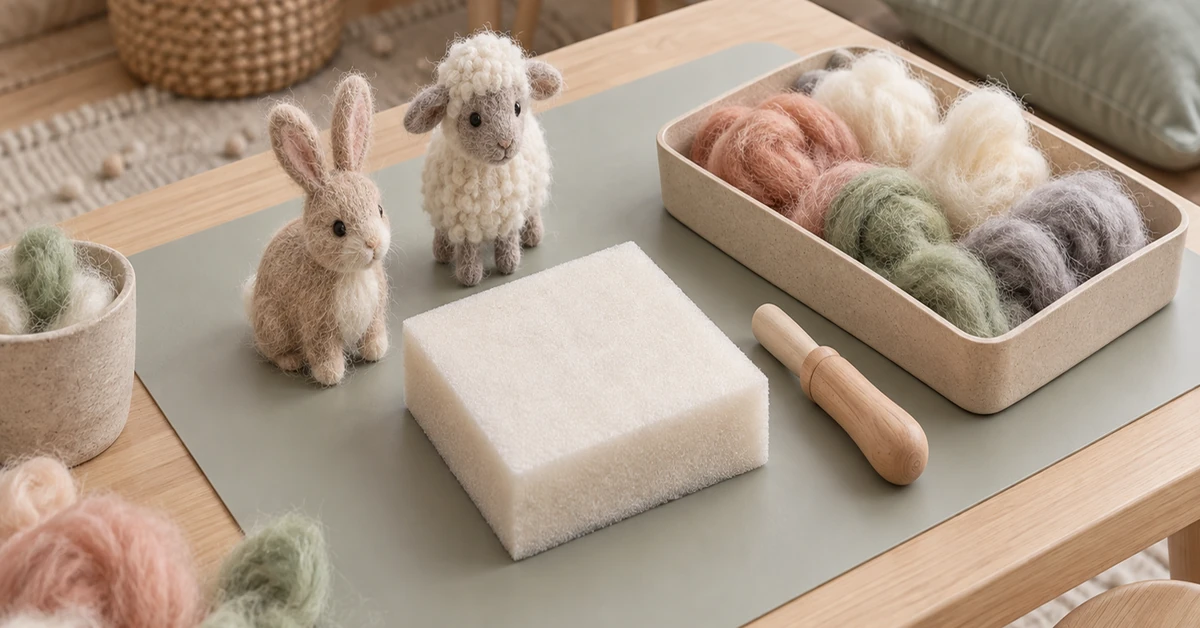
Protect the foam and the work surface
A foam pad is the most used and least noticed item in the kit. If it is thin, it compresses after a few minutes and the needle reaches the table underneath.
State the pad thickness and the surface the kit expects. Where the class works on a polished table, ask for a note about an extra mat so the venue can plan for it.
| Item | Check | Venue action |
|---|---|---|
| Foam pad | Thickness and recovery | Replace when compressed |
| Table surface | Protection needed | Add a mat |
| Needle depth | Stops at pad | Adjust technique |
Store the needles between sessions
The storage question is asked by every teacher and almost no consumer. Where does the needle live between the first and second half of a project, and who is responsible for it then?
Provide a small closed holder and give it a place in the packing plan. A kit that supports two sessions without a storage answer will lose the tool and then the booking.
- Closed holder included
- Named place in the bag
- Return step for the adult
- Classroom count at the end
Test with a real adult and child pair
Recruit an adult and a child who actually live together and ask them to run one session from the kit alone. Watch who reads the sheet and who reaches for the wool first.
Record where the adult intervened, where the child lost interest and whether the cleanup step happened naturally. Those three notes usually rewrite the instruction sheet.
| Observe | Record | Rewrite |
|---|---|---|
| First reach | Who moved first | Order the steps |
| Intervention | Point of help | Add a role cue |
| Clean-up | Happened or not | Move the note earlier |
Price the session, not the fibre weight
A parent compares this kit with a cinema ticket for two, a craft workshop or a rainy-afternoon activity. Fibre weight, which dominates a factory conversation, means nothing in that comparison.
Record which pack the adult picks for a specific child and what they ask about the age range. That question is the strongest signal about whether the boundary is written clearly enough.
| Signal | Record | Read |
|---|---|---|
| Chosen pack | Size and step | Session value |
| Age question | Exact words | Boundary clarity |
| Repeat purchase | Second kit | Format fit |
Build a class or party pack ladder
The same session sold to a household is sold differently to a school or a party host. A ladder of pack sizes lets one product family serve both without a separate development project.
Keep the ratio of tools to participants consistent across the ladder so a teacher can move between sizes without relearning the setup. Label each step with the number of children it serves.
- Single-child kit
- Small group pack
- Class pack
- Party pack with helper notes
Keep children's felt kits visually distinct
A child's kit and an adult's kit may share wool, foam and tools. On the shelf they must not look interchangeable, because the buyer is choosing on age and supervision rather than on contents.
Use a distinct panel colour, a photograph of the paired session and a clear age line. Reserve the detailed realistic animal designs for older bands, where the session can be longer.
- Distinct panel colour
- Paired-session photograph
- Clear age line
- Older band kept apart
Write the RFQ as a supervision plan
A useful inquiry names the supervision boundary, the tool custody plan, the fibre containment step, the session length, the shape complexity and the classroom packing. It asks for a prototype a real adult and child can test.
Use the buying-guide library for the assortment context, the felting collection for related products, and the CPSC business guidance when the brief needs a neutral way to frame general product-safety questions for children's items. The GS1 barcode guidance covers pack identity without implying any certification.
| RFQ block | Request | Owner |
|---|---|---|
| Roles | Who holds what | Product |
| Session | Length and stages | Design |
| Containment | Tray, mat and waste | Brand |
| Storage | Holder and counting | Operations |
How Onehourcrafts keeps the session runnable
Onehourcrafts can bring the supervision boundary, the tool custody plan, the pad specification and the classroom packing into one file, so a buyer can judge whether a session will actually run in the room they have.
Before approving the range, ask for a paired-session record, a prototype shape and a repacking test. The felting kits for kids wholesale decision is settled when an adult who has never felted can run the session and clear the table inside the time available.
- Paired-session record
- Prototype shape
- Repacking test
- Pad specification
The final felting kits for kids wholesale brief should keep needle felting kits for children age bands, the craft kits for kids wholesale ladder and the way felting kits for adults share the same fibre in one record, with the commercial context linked from the company home.
Frequently asked questions
At what age can a child felt alone?
Supervision requirements depend on the tool and the venue. The pack should state the role of the adult rather than relying on an age number alone.
Who should hold the needle?
A common and workable pattern is that the adult holds the needle while the child places the fibre. Whichever pattern is chosen, it should be printed plainly.
What shape suits a first session?
A broad, simple form that holds its structure under uneven pressure, tested with the youngest intended user.
How do you stop fibre spreading across the room?
Plan a tray or mat, a waste pot and a bag for the finished piece, and write the containment step into the instructions.
How long should a children's session be?
Short enough to reach a recognisable stage inside the room's schedule, split into two named stages if the design needs longer.
Should the pack include needle storage?
Yes for anything intended to run across two sessions. A closed holder and a named place in the bag prevent loss between sessions.
Why does foam thickness matter?
A thin pad compresses during use and lets the needle reach the table, so thickness and recovery belong in the specification.
How should class packs be sized?
Keep the ratio of tools to participants consistent so a teacher can move between pack sizes without a new setup routine.
How do you test a children's kit properly?
Run one session with a real adult and child pair, offer no help, and record the first reach, every intervention and whether clean-up happened.
What should an RFQ include?
The supervision boundary, tool custody, containment plan, session length, shape complexity, classroom packing and carton identification.