
The useful answer to how long does OEM craft sampling take is a decision calendar, not a single promised number of days. Onehourcrafts separates brief readiness, feasibility questions, prototype work, revision rounds, artwork, packaging proof and production handoff so the buyer can see what is actually consuming time. Sampling moves quickly when decisions are prepared; it stretches when each round reopens an earlier decision.

Start the clock only when the brief is usable
Define the product reference, dimensions, materials, colors, components, packaging intention, destination, quantity band, target date and approval owner. If these inputs are absent, the calendar is a planning estimate rather than a sampling commitment. Mark open assumptions before asking a supplier to quote a timeline.
Separate elapsed time from buyer waiting time
Track supplier working time, transit time, buyer review time, artwork time and rework time as separate columns. A calendar that combines them hides the real bottleneck. Buyers often control the fastest lever by preparing a single decision owner and a response window for every gate.
Map the sampling stages
| Stage | Output | Decision owner |
|---|---|---|
| Brief review | Questions, assumptions and feasibility notes | Buyer and supplier |
| Prototype | First physical interpretation | Supplier creates; buyer reviews |
| Revision | Updated sample with change log | Buyer approves scope |
| Artwork and pack | Label, insert and sellable-unit proof | Brand and operations |
| Handoff | Production-ready file and sample set | Buyer releases RFQ or order |
Use a feasibility gate before making a prototype
Use a calendar with decision buffers
To build the timeline, add the change-freeze workflow, the OEM handoff example and the buying-guide index to one calendar. Then reserve a buyer review buffer after every physical or printed proof. A calendar with no decision buffer is only a supplier production plan; it is not a launch plan. Track the OEM craft sample timeline, craft prototype approval and sampling revision rounds as separate milestones. ISO quality principles and FTC marketing guidance can provide general context, but neither sets a universal sampling duration.
Set a response window for each gate and state what happens when the window is missed. The supplier may continue a safe, pre-approved task, pause work, or escalate a cost or date impact. Writing this rule before the first prototype prevents silence from being interpreted as approval.
Track the number of open decisions, not only elapsed days. One unresolved material identity can block artwork, packaging and costing at the same time. Closing that decision may shorten the overall route more than asking for a faster prototype. Keep a dependency note beside every date so the buyer can explain a change without inventing certainty.
- Working days owned by the supplier
- Review days owned by the buyer
- Transit or print days
- Revision days triggered by a defined change
- Buffer before the commercial commitment
Record uncertainty as a schedule variable
When a material, artwork file, component source or destination rule is still open, show it as a schedule variable with an owner and a latest decision date. This is more honest than hiding uncertainty inside a long lead-time estimate. If the date passes, the team can decide whether to hold, substitute with approval, split the work or revise the launch plan. Keep the original assumption beside the new decision so later reviewers understand why the calendar moved.
A useful response to how long does OEM craft sampling take therefore includes a calendar, owners and restart rules—not a single optimistic duration.
Ask the supplier to flag construction, material, color, component, tooling, packaging or route constraints before the first sample. A short feasibility exchange can prevent a prototype from being built on an impossible assumption. Record which questions were answered, which remain open and who owns the next evidence.
Make the first sample answer one question
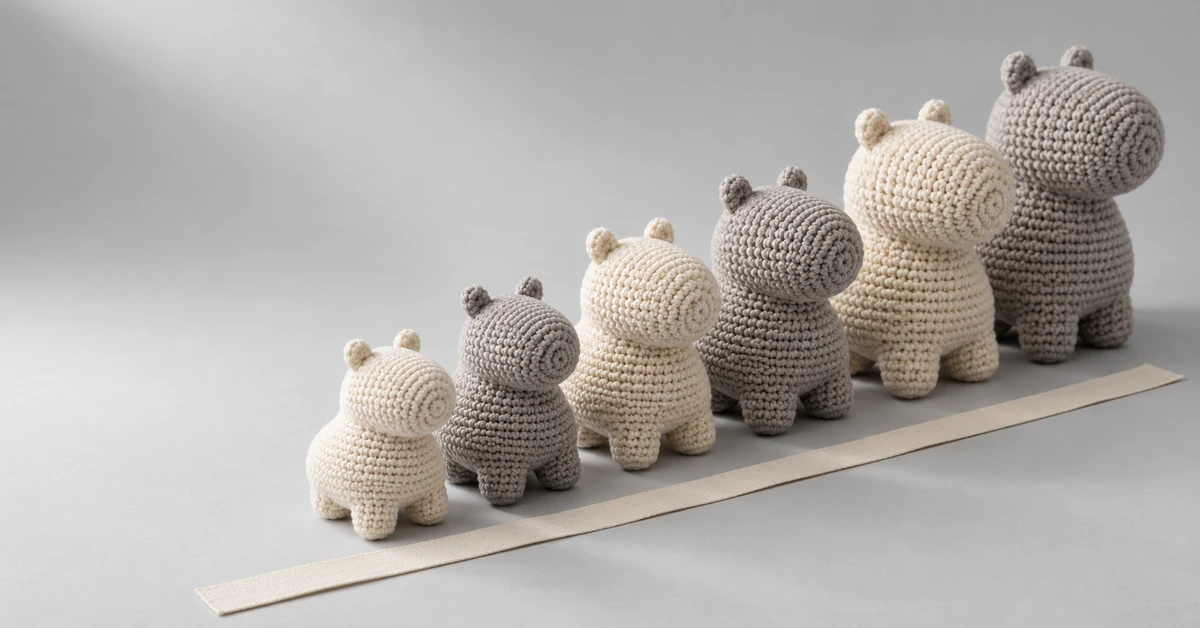
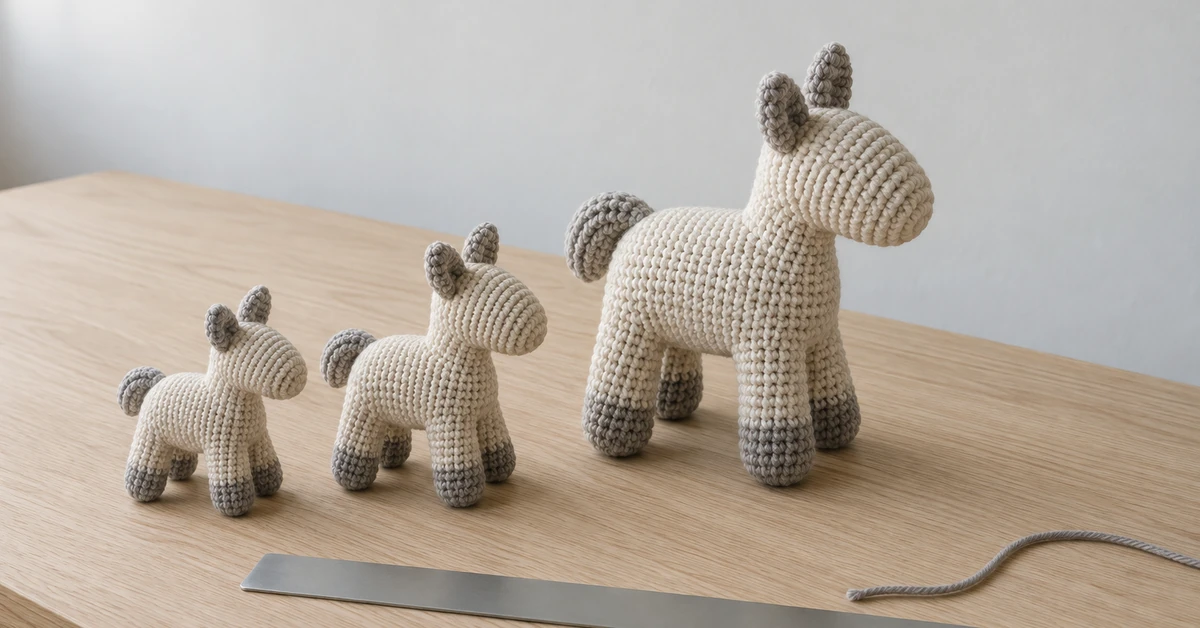
A prototype should have a stated purpose: silhouette, stitch language, component fit, packaging size, instruction path or cost architecture. Trying to approve every attribute in the first sample creates noisy feedback and increases revision loops. Label the sample accordingly so a temporary compromise is not mistaken for a final specification.
Control revision rounds with a change log
List each requested change, reason, reference, owner, impact, approval status and verification view. Group compatible changes into one round and freeze unrelated areas until the intended question is answered. The change-freeze workflow is useful when several stakeholders are tempted to edit the same sample at once.
Define what restarts the clock
- A new silhouette or construction method
- A material or component substitution
- A different packaging architecture
- A new destination label or barcode requirement
- A change after written approval
- A supplier-side process change that invalidates the sample
Not every spelling correction should restart the whole calendar. Define restart rules so the buyer can distinguish a local edit from a new sampling stage.
Reserve time for packaging proof
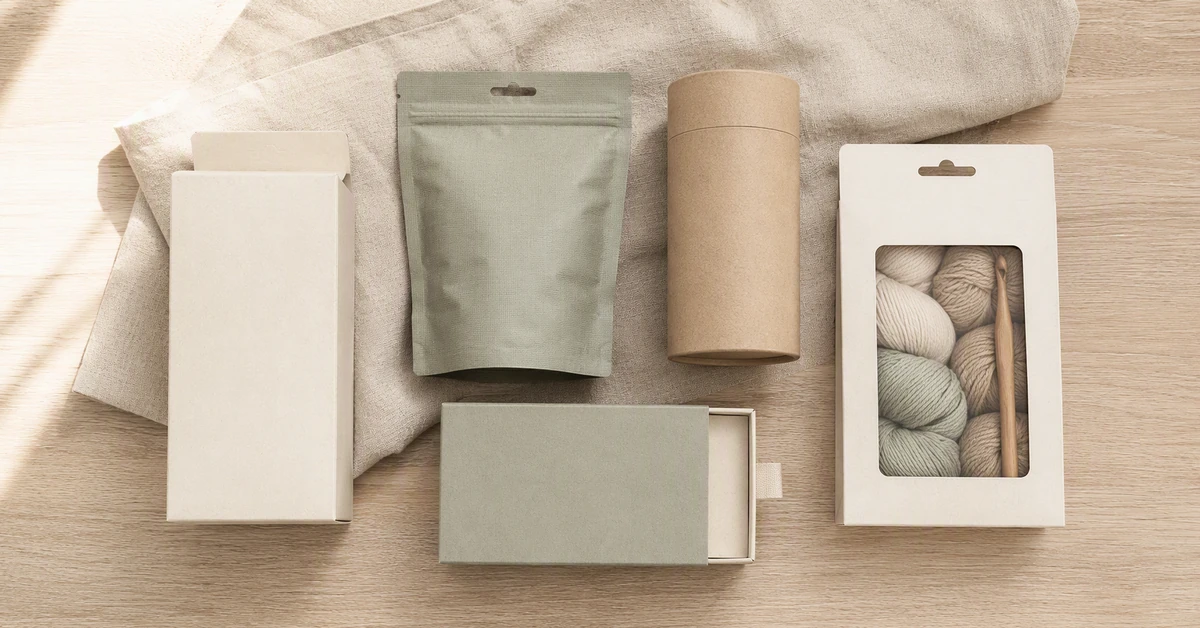
Packaging often adds a second sample stream: dieline, artwork, print, insert, label, pack-out and carton. Ask when the supplier can show a physical or production-intent proof and what information must be frozen first. The production-ready handoff guide shows why product approval and pack approval need a shared file structure.
Add route and handling checks before handoff
A prototype that survives a desk review may still fail when packed, stacked or moved. Define the representative handling needed for the product and destination, then schedule it before the buyer calls the sample final. This is especially important when small components, delicate surfaces or display-ready packaging are involved.
Use a dependency map for approvals
| Decision | Depends on | Can block |
|---|---|---|
| Cost band | Stable materials, dimensions and pack | RFQ comparison |
| Artwork | Approved names, variants and claims | Print proof |
| Packaging | Component map and route assumptions | Sellable-unit sample |
| Production release | Approved sample, files and inspection plan | Purchase order |
| Launch date | All above plus transit and review windows | Channel commitment |
Make the supplier timeline auditable
Ask for a dated plan with output, owner, dependency, assumed response time and escalation path for each stage. Avoid accepting a single ‘sample in X days’ promise with no definition of what arrives. A documented timeline helps the buyer compare suppliers fairly and explain changes to marketing, sales and operations.
Prepare a buyer-side review kit
Keep the brief, reference images, measurement sheet, color references, component list, packaging sketch, acceptance worksheet and decision log in one folder. Give reviewers a short form with pass, change, hold and question fields. Clear review inputs reduce the risk that a supplier waits for scattered comments from several inboxes.
Turn the calendar into an RFQ
Include the intended stages, sample purpose, revision limits, packaging proof, route check, required records, destination, quantity band and approval response windows. Ask the supplier to state what could extend the calendar and what evidence they need before committing. This turns timing into a comparable commercial variable rather than a hopeful footnote.
Release production only after a handoff audit
- Sample and revision code match the approved record.
- Materials, dimensions, components and labels are reconciled.
- Packaging proof matches the sellable unit and carton plan.
- Inspection and change-notification rules are written.
- Owners and dates exist for all remaining open actions.
How Onehourcrafts supports the sampling calendar
Onehourcrafts can coordinate brief questions, sample rounds, packaging proof, approval records and production handoff around the same decision calendar. A clear answer to how long does OEM craft sampling take is a timeline with visible dependencies, not a number detached from the buyer's decisions.
Frequently asked questions
Is there one standard sampling duration for every craft product?
No. Duration depends on brief quality, construction complexity, material availability, revision scope, packaging and buyer response time.
When does sampling officially begin?
Begin when the supplier has a usable brief, named approval owner, agreed sample purpose and the information required to start work.
What usually causes a revision round?
Unclear references, changed materials, silhouette or dimension adjustments, packaging conflicts, artwork changes and feedback arriving from multiple owners.
Should product and packaging samples be approved together?
They should be coordinated, but each can have a defined gate. The buyer should confirm that the packed unit still matches the approved loose product.
What does a timeline estimate need to include?
Stages, outputs, owners, dependencies, assumed response windows, transit or print time, revision rules and escalation path.
Which buyer decision saves the most time?
A single decision owner with a prepared review kit and a defined response window usually removes avoidable waiting and contradictory feedback.
When should the sampling clock restart?
Restart for changes that alter construction, materials, packaging architecture, destination requirements or an already approved area. Define local-edit exceptions in advance.
Can a supplier quote before a prototype is complete?
Yes, as a stated estimate with assumptions. Final commercial terms should be reconciled after the material, dimensions, pack and revision scope are stable.
Why include route checks before production?
Handling can change product condition, component custody and packaging performance. Finding that after production creates a more expensive correction.
What proves a sample is production-ready?
An approved sample and revision record, reconciled materials and files, packaging proof, inspection method, change rules and owners for open actions.