
A craft kit can look perfect in a sample room and still become a frustrating retail product. The colors may be right, but the instructions confuse a beginner. The box may look beautiful, but the materials shift in transit. The quoted price may seem attractive until a missing tool has to be added later.
If you are learning how to source craft kits from China, the most useful place to begin is not a supplier catalogue. Begin with the moment your customer opens the package. What should they understand, make, and feel confident doing next?
That question keeps product development connected to the shopper instead of turning it into a long exchange about isolated parts. The nine decisions below help retailers, craft brands, subscription businesses, and gift programs move from an idea to a kit that is easier to quote, sample, inspect, and sell.
1. Decide what the customer is meant to finish
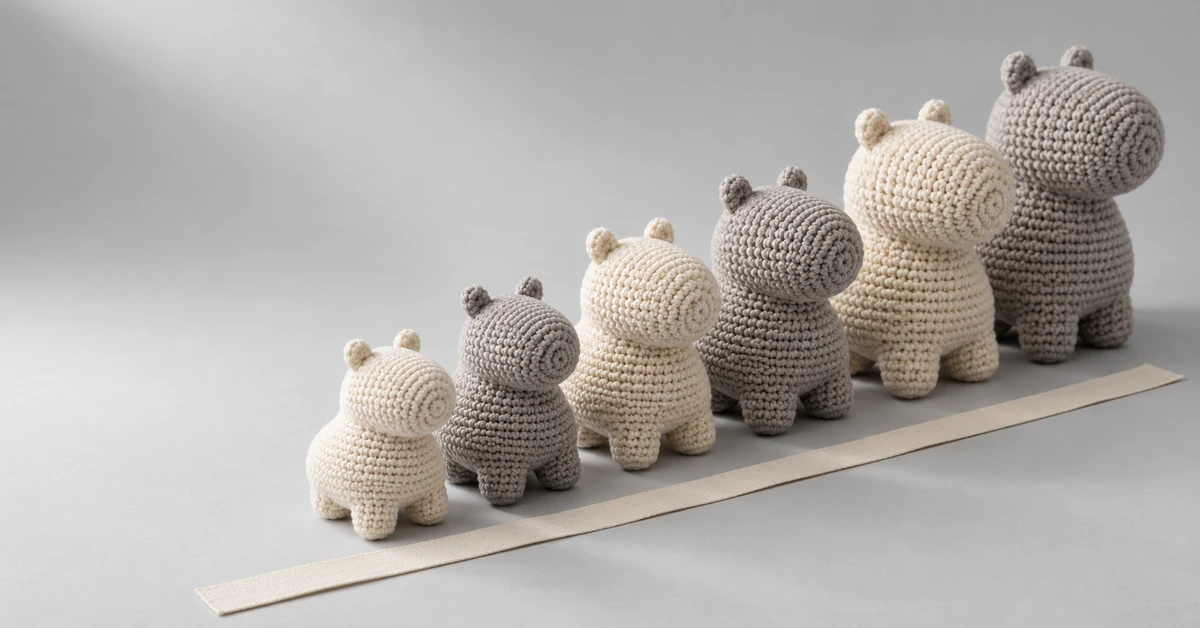
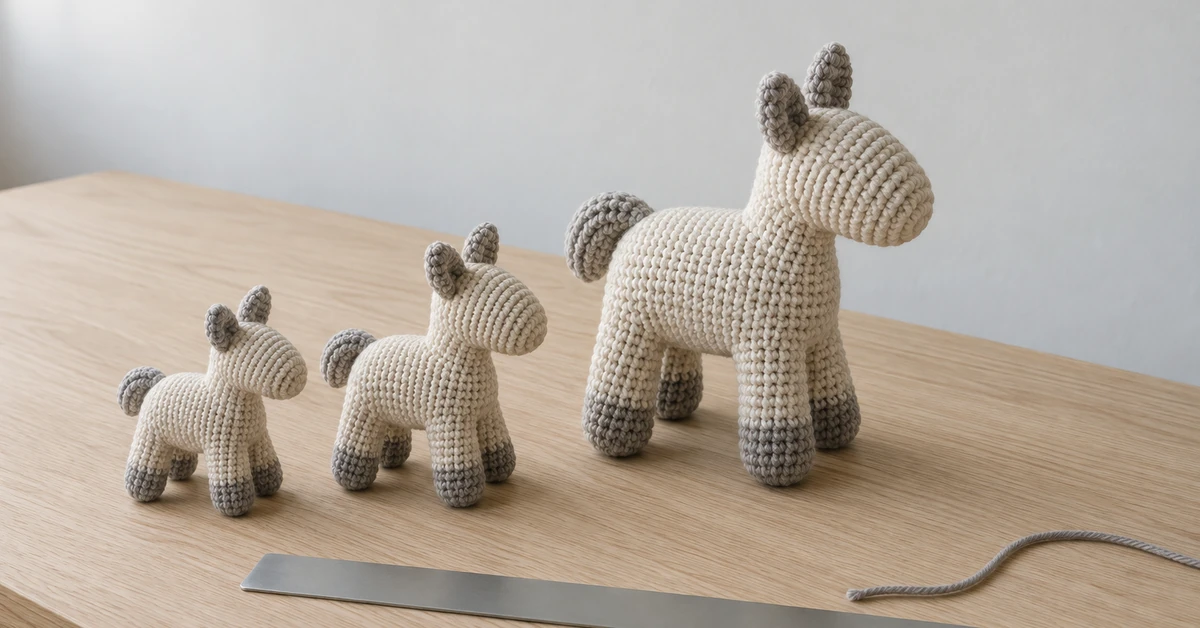
“A beginner crochet kit” is a category, not yet a product. A stronger starting point is: “a first-time customer can make a small potted cactus during two relaxed evenings.” The second description gives the supplier a visible result, an intended skill level, a use occasion, and a rough complexity target.
Write the finished promise in one sentence before discussing materials. It might be:
- Make a tiny animal that can hang from a backpack.
- Stitch a floral hoop suitable for a new-home gift.
- Complete a portable repair kit for travel and everyday clothing emergencies.
- Create three small felt decorations for a seasonal display.
This sentence becomes a filter. If a decorative accessory raises cost but does not improve the result, instructions, or customer experience, it may not belong in the kit.
2. Replace the mood board with a one-page product brief
A mood board is useful for visual direction, but it cannot answer every manufacturing question. Turn the idea into a compact brief that a designer, sample maker, packaging team, and buyer can all read the same way.
Include the target customer, intended age positioning where relevant, craft type, finished object, approximate size, skill level, design theme, main colors, expected contents, packaging format, sales market, target quantity, target price position, and launch date. Mark which points are fixed and which are open to supplier recommendations.
Reference images should explain specific choices. Write “use this image for the muted color direction” or “the rounded body shape is important.” Without notes, a supplier may copy the least important detail and miss the reason the image was shared.
3. Choose complexity for the customer, not for the catalogue
A product with more pieces can look generous in a specification sheet while feeling overwhelming at home. Difficulty comes from the whole experience: the number of techniques, clarity of the pattern, size of the parts, color changes, finishing steps, and how much the customer must organize.
Ask somebody close to the intended skill level to complete the sample without verbal help from the development team. Watch where they pause, misread a symbol, lose a component, or need a tool that was not included. A five-minute explanation from an experienced designer can hide a real problem that every customer will later meet alone.
For broader product planning, Onehourcrafts separates its assortment into crochet products, embroidery and other craft formats, and sewing notions. The right format should follow the customer and selling channel, not simply the largest available range.
4. Confirm what “complete kit” actually means
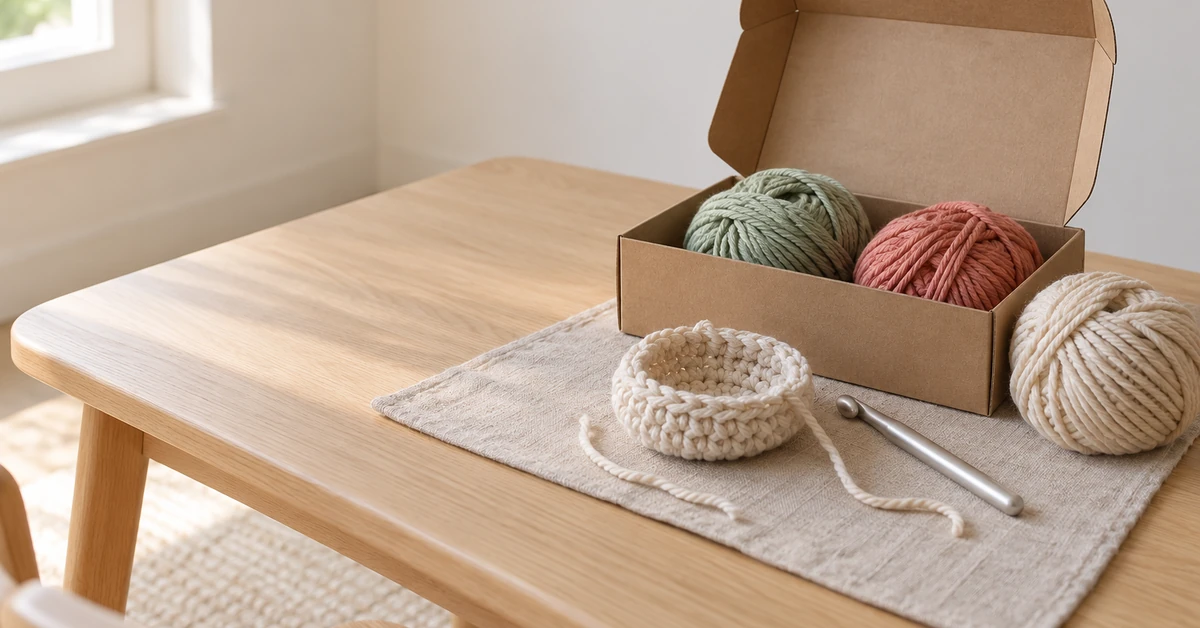
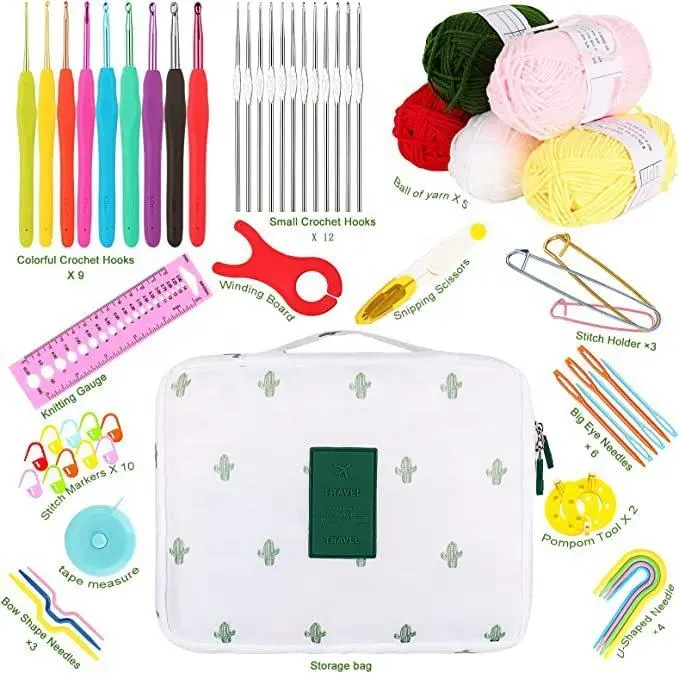
Two suppliers can quote the same product name while including different things. One crochet kit may contain yarn, hook, filling, eyes, needle, markers, and instructions. Another may exclude the hook or use packaging that assumes the customer already owns scissors and basic tools.
Create a contents list with quantities, materials, colors, sizes, and acceptable alternatives. Separate components into three groups:
- Essential: the customer cannot complete the project without them.
- Helpful: they make the process easier but may already be widely owned.
- Presentation: they support gifting, storage, display, or brand experience.
Then check the list against the instructions. Every tool mentioned should either be included or clearly identified on the outside of the package as something the customer needs to provide. The disappointment of discovering a missing essential item is much larger than the cost of explaining it properly.
5. Sample the project, instructions, and package as one experience
Approving only the finished craft item is not enough. The retail product has at least three connected samples: what the customer makes, how they learn to make it, and how the materials arrive.
Review the project sample for appearance, size, color, construction, difficulty, and the amount of material left after completion. Review the instructions for sequence, terminology, diagrams, translations, print size, and consistency with the actual components. Review the package for protection, organization, shelf communication, barcode space, required market information, and the ease of putting unfinished materials away.
Use one numbered comments document rather than sending corrections through scattered messages. A note such as “change the green” invites another interpretation. “Match approved color reference C, because the current green photographs too blue beside the package artwork” gives the team a decision it can repeat.
6. Treat MOQ as a product-design question
MOQ is rarely one simple number. The finished kit, printed box, custom thread color, molded tool, branded label, and instruction booklet may each have different production minimums. One component can quietly determine the practical order size for the whole project.
Ask the supplier to explain which parts drive the MOQ. Then explore design choices rather than asking only for a lower number. Several SKUs might share one box size, base instruction format, thread card, or tool set. A standard component may work for the first order while customer demand is tested. Custom color or packaging can be introduced after the range proves itself.
A lower opening order is helpful only when the unit economics, product quality, and presentation still fit the business. Paying more per kit may be sensible for a market test; removing an essential component to reach the target price usually is not.
7. Build a quality checklist around customer failure points
A generic request for “good quality” is difficult to inspect. Define what can go wrong for this particular kit.
For a crochet project, checks may include yarn color consistency, hook size, filling quantity, secure accessories, readable stitch counts, and whether the finished shape matches the approved sample. For an embroidery or cross stitch kit, pattern alignment, thread separation, needle inclusion, fabric condition, and symbol readability may matter more. Sewing and repair kits may require checks on needle storage, thread strength, tool function, and closure security.
Inspect both individual components and assembled kits. A correct needle in one tray and a correct thread card in another do not prove that every retail package contains both. Record the approved reference sample, defect definitions, sampling method, and what happens when a problem is found.
8. Make the packaging answer the first buyer questions
A shopper should not need to rotate the package five times to understand the product. The front needs a clear finished result and a concise reason to care. The back or side can then explain the contents, difficulty, approximate project information, required extra tools, instructions, and brand details.
Design for the real channel. Hanging bags, boxes, pouches, subscription packs, gift sets, and countertop displays face different limits. Online sellers need an image sequence that explains scale and contents. Physical retailers need the product to read from a shelf or peg. Workshop kits need fast distribution and simple cleanup.
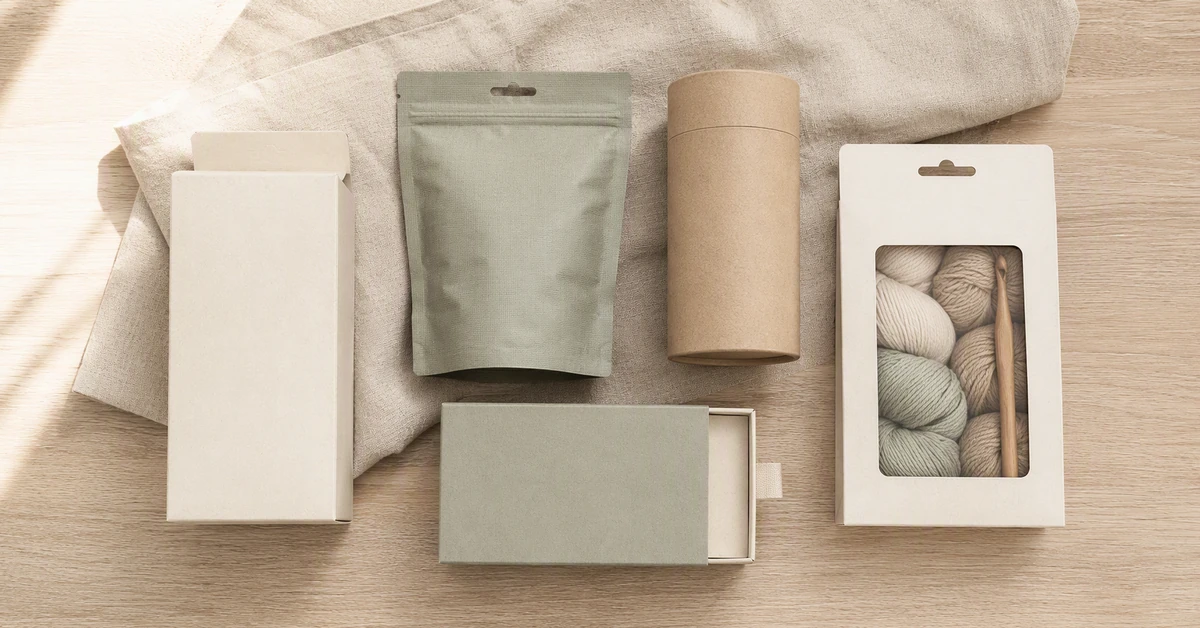
Ask for a physical packaging sample when structure, color, print finish, insert fit, or transit protection affects the experience. A flat artwork PDF cannot show whether the materials slide into a pile, the box opens awkwardly, or the finished-project image prints too dark.
9. Build the timeline backward from the selling date
“Production takes 30 days” is not the same as “the product will be ready in 30 days.” Development may include brief clarification, artwork, pattern work, component sourcing, first sample, buyer feedback, revised sample, packaging artwork, print proof, testing or documentation, production, inspection, and shipping.
Start with the date the stock must be available for sale. Work backward through transit, inspection, production, packaging, final approval, and sampling. Add decision time on the buyer side. A sample waiting ten days for internal comments delays the project just as effectively as a factory delay.
Seasonal kits need more margin because a late arrival loses selling time quickly. Keep the first collection manageable, and avoid making every SKU depend on a completely different custom component or approval path.
Compare quotations on the same product
When deciding how to source craft kits from China, the lowest number is not meaningful until the quotations describe the same product. Compare component specifications, quantities, packaging, printing, instruction development, sample charges, tooling, testing responsibilities, inspection terms, trade terms, lead times, and what is excluded.
A useful comparison sheet should show:
- Unit price at the same order quantities.
- MOQ for the finished kit and important custom components.
- Sample scope, cost, revision policy, and timing.
- Packaging and printing included in the price.
- Quality criteria and inspection arrangement.
- Production lead time after final approval.
- Trade term and shipping responsibility.
- Payment schedule and quotation validity.
Price matters, but so does the amount of uncertainty left for the buyer to absorb.
A practical sourcing sequence
- Define the customer, finished project, channel, and target launch.
- Send a one-page brief and labeled references.
- Confirm contents, specifications, packaging, and commercial assumptions.
- Request a sample plan with clear approval stages.
- Test the kit with a person close to the intended skill level.
- Consolidate revisions and approve a final reference sample.
- Confirm production, inspection, shipping, and documentation responsibilities.
- Review a small set of finished production units against the approval standard.
This sequence is simple enough to follow but flexible enough for crochet DIY kits, embroidery projects, cross stitch, punch needle, felting, latch hook, and sewing kits.
Where Onehourcrafts fits
Onehourcrafts is backed by Zhejiang Dongzheng Craft Products and supports OEM/ODM development across crochet, creative craft, and sewing product lines. Its manufacturing and cooperation information covers product development, materials, private-label packaging, retail presentation, production, and long-term B2B supply.
A useful first enquiry includes the target customer, sales channel, craft type, finished result, reference artwork, expected contents, packaging direction, quantity, destination market, and required launch timing. A clear brief gives both sides something concrete to improve.
Questions buyers ask before starting
Should I ask for a catalogue or send a product brief first?
Do both when possible. A catalogue shows existing capability and components, while a brief explains the customer and commercial goal. The supplier can then recommend relevant products instead of sending an unfocused list.
How many designs should be included in a first order?
The right number depends on the channel and MOQ structure. A focused range of coordinated SKUs is usually easier to sample, photograph, inspect, and learn from than a large collection in which every product uses different materials and packaging.
What should I test in a craft kit sample?
Complete the project using only the package contents and instructions. Record time, confusing steps, missing tools, material shortages, waste, finished appearance, package organization, and whether the advertised difficulty feels accurate.
Can a supplier help develop the pattern and instructions?
Many OEM/ODM projects include pattern or artwork development and instruction support, but the scope should be confirmed in the quotation. The buyer should still test the instructions with the intended user and approve the final version.
What information helps a supplier quote accurately?
Provide the product type, design reference, approximate size, material expectations, contents, packaging, quantity, target market, quality requirements, and launch timing. Identify open questions so the supplier knows where alternatives are welcome.
Protect the customer experience from the first email
The practical answer to how to source craft kits from China is to keep the finished customer experience visible through every commercial decision. A component list affects whether the project can be completed. An MOQ affects how the collection is structured. A packaging choice affects whether the shopper understands the result. A sample comment affects what production can repeat.
Contact Onehourcrafts with your product idea, customer, quantity, packaging direction, market, and launch timing to discuss a sourcing plan, sample, or custom craft kit range.