
Walk into a gift shop and pick up two craft boxes. The first promises “42 pieces.” The second shows a half-hour project that can be made at a kitchen table and mailed to a friend. Most shoppers will understand the second box faster, even if it contains fewer things.
This is where many private label craft kits either become interesting or remain ordinary. Yarn and felt may fill the box, but what the customer buys is a particular evening, gift, journey, or small achievement.
A collection also needs a point of view. It should be possible to describe each kit without reading the component list aloud. The following seven directions begin with a customer moment and then work backward to the materials.
A rainy afternoon box that does not turn the table into chaos
A family box sounds simple until three projects are opened at once. Thread travels, felt pieces mingle, and nobody remembers which needle belongs to which envelope. The answer is not a larger pile of supplies. It is better portioning.
Give each person a small, complete activity: perhaps a felt character, a stitched card, and a yarn charm. Separate the materials by project and print one finished example on each envelope. If the adult needs ten minutes to decode the setup, the table is already in trouble.
Bookstores and museum shops can sell this comfortably, especially around school holidays. It also makes a useful family gift for anyone hunting for a screen-free afternoon. That is enough of a promise; the box does not need to guarantee silence or instant mastery.
The desk-drawer project
Not every customer has a craft room or an empty weekend. Some have twelve minutes between calls and a drawer that must close afterward. That changes the product.
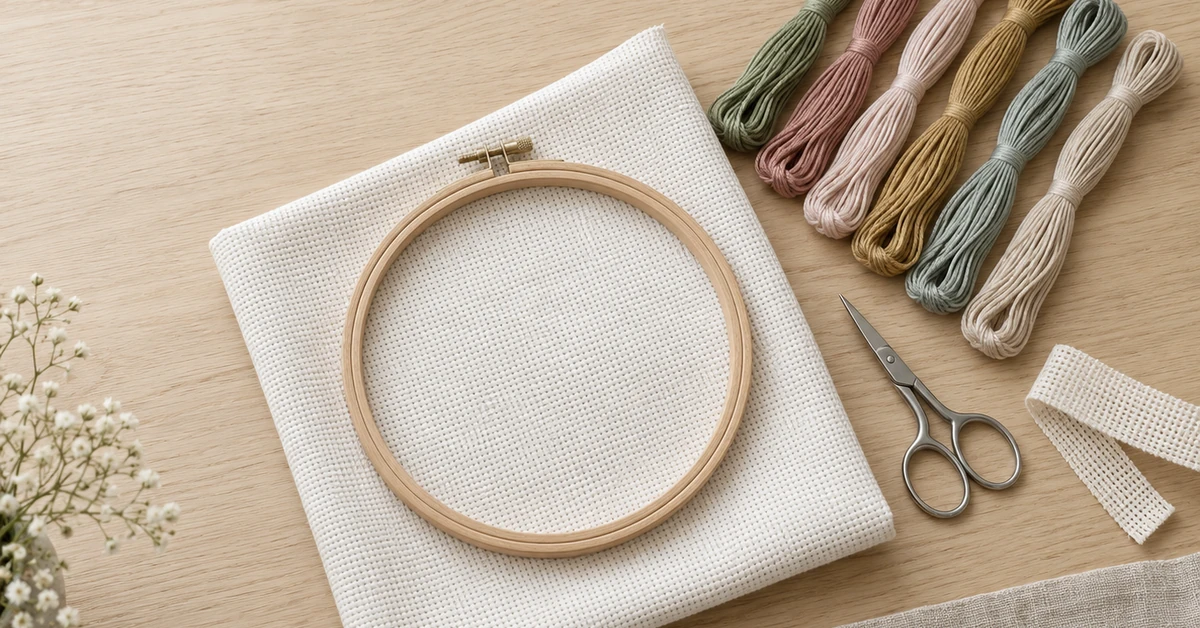
A tiny punch-needle motif or embroidery card is only suitable if it survives interruption. Give the customer somewhere to park the needle and loose thread. In practice, a rigid tray or resealable pouch may be worth more than one more color in the bundle. Two days later, the next step should still be obvious.
The appeal is not speed alone. It is the permission to make something without reorganizing the whole evening.
A gift the customer finishes and mails
A stitched patch, felt bookmark, or tiny crochet charm is light enough to post and more personal than a card pulled from a rack. Oddly, many kits still stop just before the gifting moment.
Include the backing card, envelope, attachment method, and a place for a handwritten note. Check the finished thickness against the intended mailer. If the customer has to search for glue, cardboard, or another envelope after completing the craft, the idea is not quite finished.
One basic format can support birthdays, encouragement, friendship, thank-you messages, new babies, and seasonal designs. That gives a retailer fresh artwork without rebuilding every component underneath it.
A local souvenir that takes more than a second look
A garden, hotel, museum, or destination store already has images people care about. A small making project can turn one of those images into an experience: a local flower in embroidery, a landmark in cross stitch, a regional animal in felt, or a food icon as a crochet charm.
The project should be small enough to begin during the trip or soon after returning home. Add a short story card explaining the motif. The customer is then making a memory of a place, not merely another generic pattern with a new logo.
A first-home collection rather than unrelated craft boxes
Put a crocheted coaster on the coffee table, a small punch-needle piece on the wall, and an embroidered cushion on the chair. Add a felt label to the storage basket. Nothing uses exactly the same technique, yet one palette and one room can make the four products feel related.
This gives lifestyle stores a better merchandising option. The kits can sit near mugs, textiles, frames, or storage instead of disappearing into a general craft aisle. A shared skill-level mark and package architecture hold the collection together while each project keeps its own character.
Begin with three or four pieces. A carefully photographed room is more persuasive than twenty boxes that look as if they came from different catalogues.
The project that can travel without losing its needle
A romantic travel-kit photograph often hides the practical questions. Where does the loose thread go? Is the hoop too large for a tray table? Can the needle be covered when the train stops suddenly?
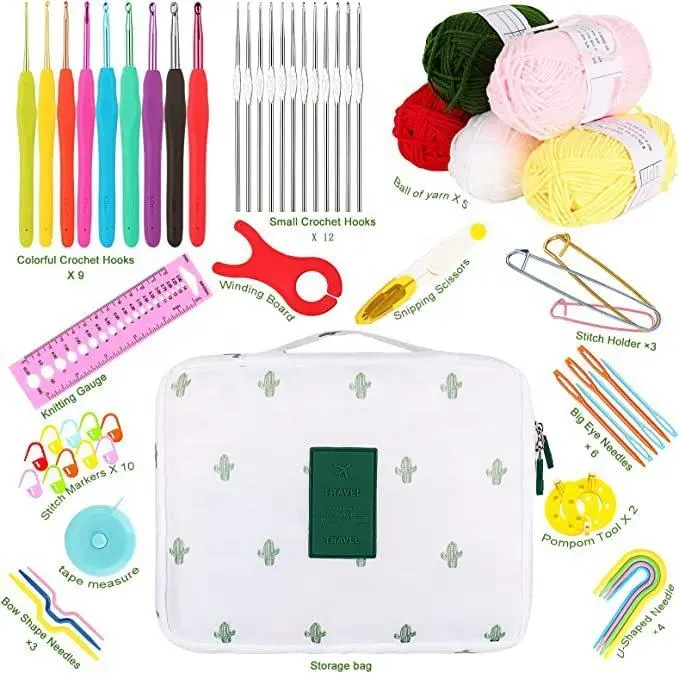
A zip pouch and a safe place for the needle answer most of those questions. Pre-sort the thread, shorten the guide, and leave a pocket for offcuts. When the project is finished, the pouch should still be useful enough to keep.
It could sit in an airport, but it need not. A hotel boutique, bookshop, or online slow-travel bundle may tell the story just as well.
When the class ends before the project does
Instructors need materials that are quick to hand out and easy to count. Customers need normal instructions when the two-hour class ends before the project does. A good workshop pack respects both people.
Individual portions can arrive inside one larger carton with a teacher sheet and spare high-loss pieces. Each participant's pack should retain its own label, barcode, and take-home guide. Stores can then sell a second color or design after the event without creating a separate product system.
Four roles are enough for a first collection
There is no need to launch every idea. Pick one project that finishes quickly, one that feels giftable, one with a little more depth, and one reason to talk about the range now. The last could be local, seasonal, or tied to a workshop. Four products already reveal plenty about price and customer motive.
Use one recognizable detail throughout: perhaps a warm color family, the same illustrated border, or a consistent way of showing difficulty and completion time. The detail does not need to dominate. It only needs to make the products look related at a glance.
Test the promise with the complete sample
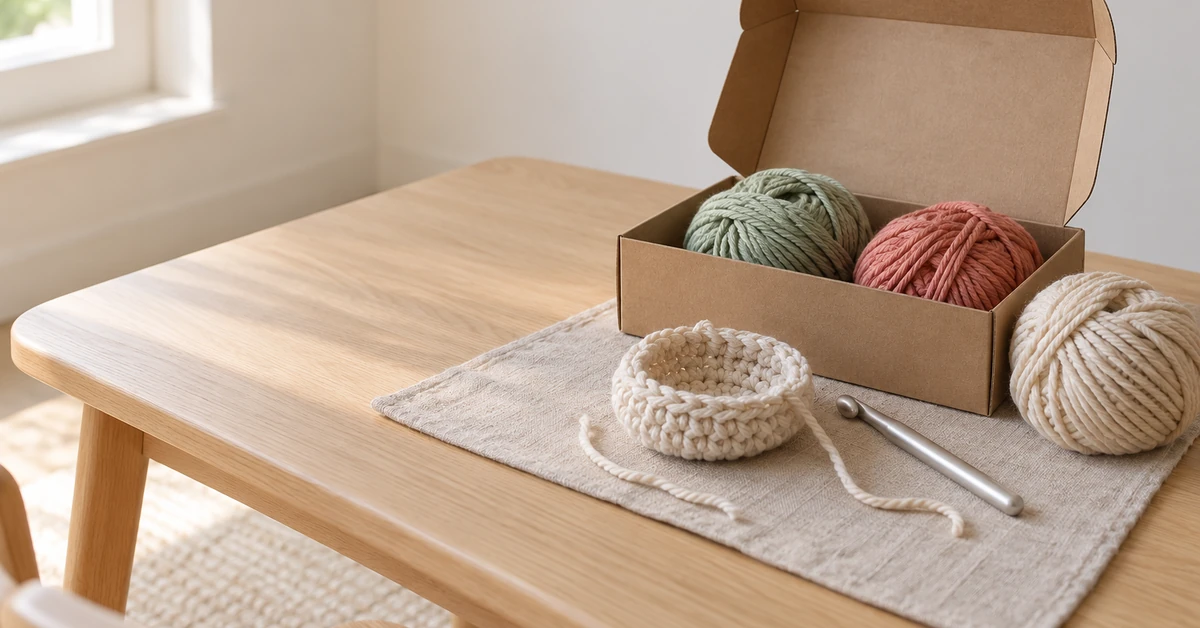
When evaluating private label craft kits, do not hand a tester loose components and a digital instruction file. Give them the real box, real quantities, printed guide, tools, inner bags, and storage solution. Otherwise the most important problems stay hidden.
Notice the pause before asking whether the tester enjoyed it. What did they expect from the package image? Did they reach for a phone to search for a missing explanation? Count what is left and compare the result with the photograph. A beginner's hesitation is useful product information, not a failed test.
The sales channel changes the box
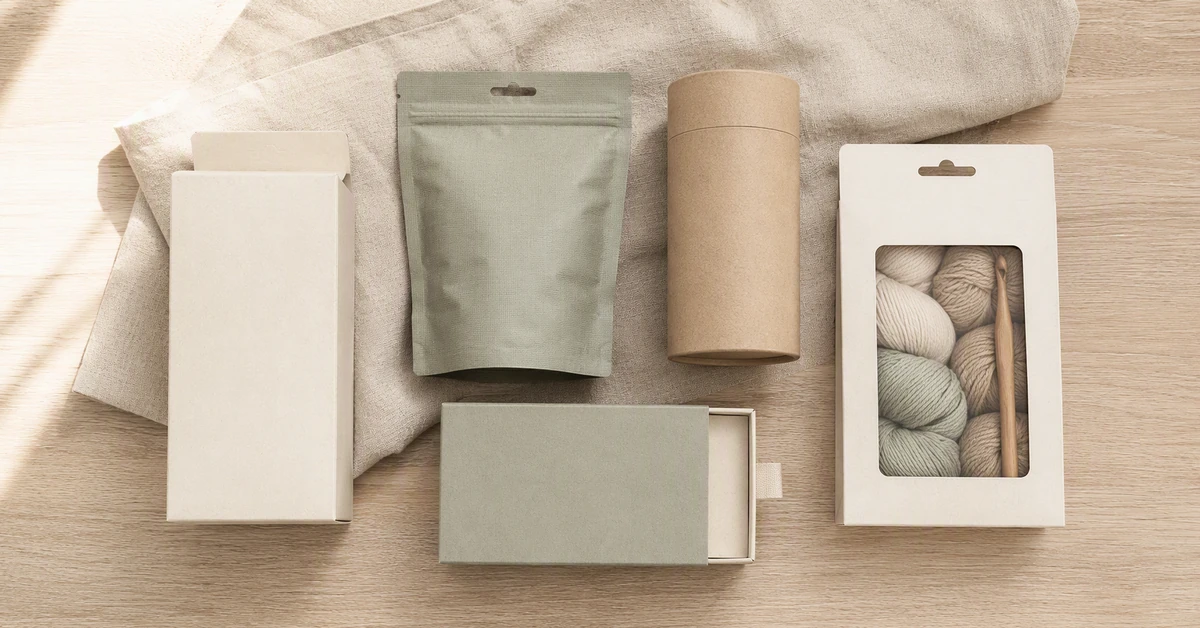
A shelf pack needs a readable front and stable hanging or stacking. An e-commerce kit needs protective inner organization and images that explain scale. A subscription kit may use a simpler outer carton. A workshop version must be fast to distribute and simple to clear away.
These decisions affect dimensions, inserts, material portions, carton quantities, and price. Settle the main channel before approving the mood board.
Safety questions arrive before the artwork
Age, tools, small parts, fibers, finished use, and destination market determine what must be considered. Warnings, traceability, importer information, and testing can change the pack and sometimes the project itself.
For EU consumer products, buyers can review the official General Product Safety Regulation. Children's products sold in the United States may require review against relevant CPSC guidance. Requirements should be confirmed for the actual product before artwork approval.
Where Onehourcrafts fits
Onehourcrafts develops products across crochet, other crafts, and sewing notions. A project can include material development, tools, printed instructions, private-label inserts, boxes, pouches, barcodes, and retail displays.
A useful first message names the customer, the finished object, skill level, sales channel, market, approximate quantity, and launch date. Artwork and packaging references become far more useful once that sentence is settled.
Questions that usually come up before sampling
Which craft is easiest for a first kit?
Felt, cross stitch, embroidery, punch needle, crochet, and sewing are all possible. Difficulty depends less on the technique name than on the specific project, material organization, and whether a real beginner could follow the guide.
How many products should launch together?
Three to six coordinated products can test several shopping moments without creating an unmanageable first range. Sales and customer feedback should decide what follows.
Can one character be a finished gift and a DIY kit?
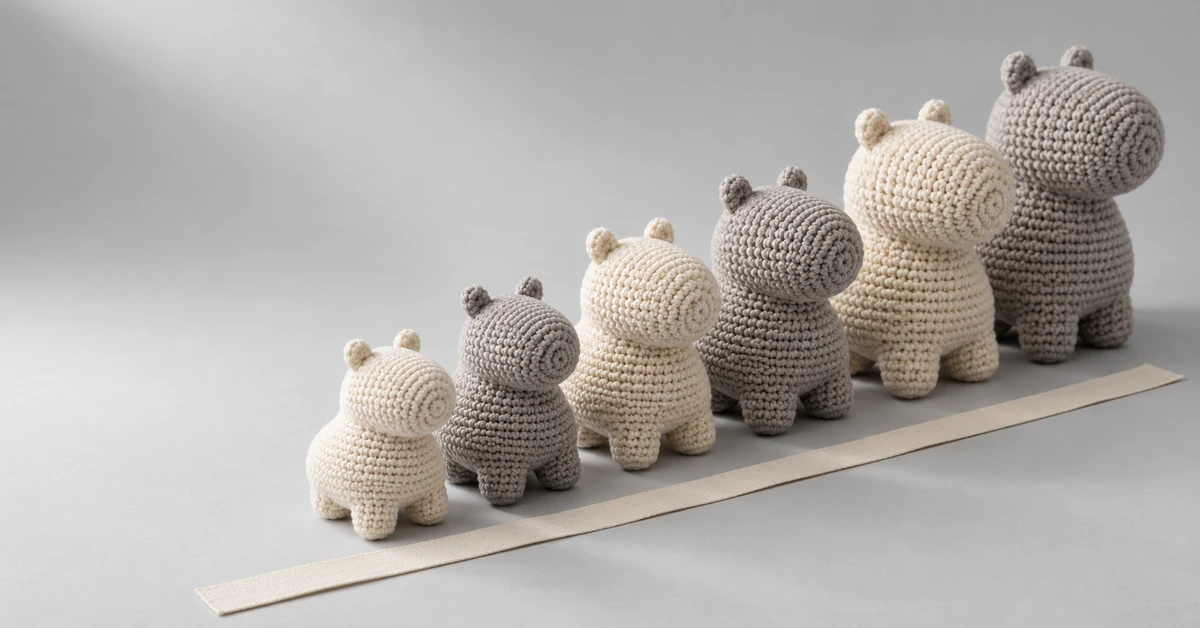
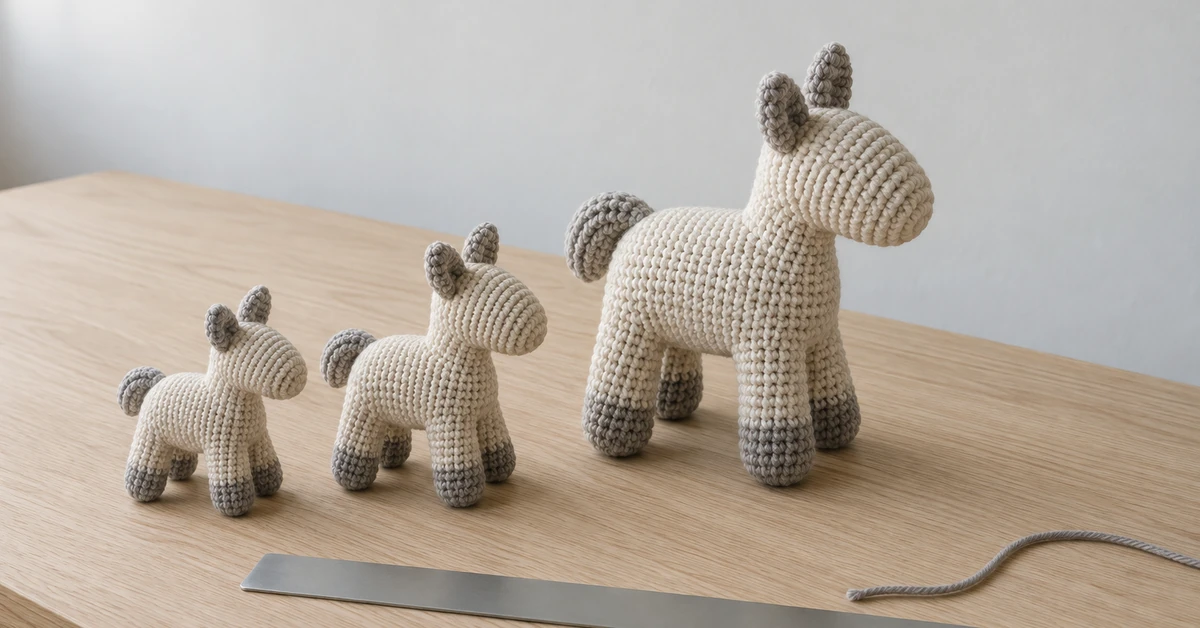
Often yes. The make-your-own version may need simpler construction, different material allowances, and separate safety and instruction planning.
What should be approved before production?
Approve the complete sample, bill of materials, instructions, quantities, artwork, labels, barcode position, packing method, and market-specific requirements.
Begin with the sentence on the front
The clearest private label craft kits can be understood before the component list: a quiet desk break, a gift worth mailing, a local memory, or a workshop project that continues at home.
Contact Onehourcrafts with the customer moment and finished project you want to create, together with the intended market, quantity, branding direction, and launch timing.