
A sewing notions manufacturer should prove the identity, count and function of every unit on a retail card before the card is approved as a whole. Onehourcrafts recommends a unit-on-card record that connects the item master, measured sample, retention method, printed claim, barcode and case pack. This lets a buyer distinguish a repeatable assortment from a package that merely looks complete in a photograph.
Start with one item master per notion
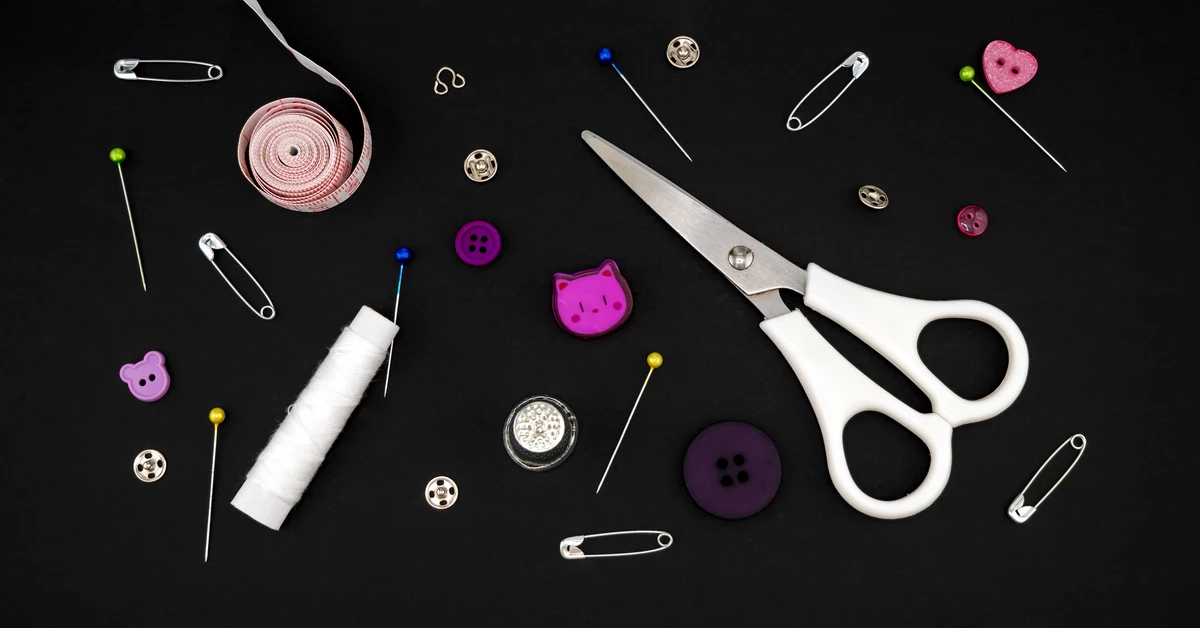
Give each needle, pin, fastener, measuring tool or marking accessory its own internal item code. Record material, finish, dimensions, functional role and approved source before combining it with other pieces. A card containing twelve visually similar units can still contain several specifications. The item master prevents a convenient substitute from entering the pack simply because its color and outline look close.
Define what one unit means
Write the selling count in terms a receiving inspector and a shopper can interpret in the same way. A snap may mean one complete male-and-female set, not two loose pieces. A hook-and-eye unit may contain several components. A needle assortment may state total quantity while also promising a size distribution. Put the component logic in the bill of materials and make the front-panel claim agree with it.
| Claim type | Evidence to retain | Typical failure |
|---|---|---|
| Total count | Signed count sheet and packed card | Subcomponents counted as full units |
| Size mix | Measured sample by position | Correct total, wrong assortment |
| Material or finish | Approved specification and reference | Visually similar substitution |
| Use claim | Representative function check | Item fits the card but not the task |
Draw a card position map
Number every blister, tie, slot or punched location on the retail card. Link each position to an item code and expected quantity. Use the map during sampling, assembly and final inspection so a misplaced size is detected even when the total count remains correct. Position identity also helps customer service investigate a complaint without asking the customer to describe a small metal part from memory.
Measure before approving the printed size
Choose the dimensions that actually distinguish the item: overall length, shaft diameter, opening width, button diameter, tape length or another product-specific feature. State the measurement method, instrument and tolerance. Compare several pieces rather than one ideal sample. Printed size, physical size and internal item code must reconcile; changing only the label does not correct a dimensional mismatch.
Run a small functional check by item family
A count inspection cannot show whether a notion performs its basic job. Test representative needles for eye condition and passage through an appropriate fabric. Open and close fasteners repeatedly. Check that pins are straight and points are protected. Verify that marking tools make and, where claimed, remove a usable line. Define the substrate, action and acceptance result so the check can be repeated on later lots.
- Choose a test that represents the stated consumer use.
- Record the sample size and lot identity.
- Separate cosmetic observations from functional failures.
- Retain a tested reference when the action does not destroy it.
Prove card retention through the route
Test the complete package in the orientation used for packing, transport, stocking and peg display. Shake, invert and handle sampled cards, then inspect whether units migrate, detach or damage the print surface. A retention point should secure the item without making normal opening needlessly difficult. Document any protective cap, tie, tape or formed blister as part of the approved pack, not as optional assembly material.
Make sewing notions wholesale counts auditable
For sewing notions wholesale, reconcile three quantities: pieces on the consumer card, cards in an inner pack and cards in a master carton. Put each level in the item data and carton specification. During the pilot pack, count from loose units through a sealed carton rather than multiplying theoretical quantities. This exposes feeder loss, incomplete cards and case-pack assumptions before shipment.
Connect the barcode to the physical card
Assign the correct product identifier to the approved sellable configuration. The GS1 barcode standards overview explains the general role of barcode identification. Verify the encoded data, printed human-readable number, quiet zones, contrast and placement on the production material. Scan cards from the beginning, middle and end of a print run, then confirm the result returns the intended SKU rather than a nearby assortment.
Control private label sewing supplies artwork
Private label sewing supplies need an artwork revision tied to the same item master as the packed goods. Check brand, product name, size range, quantity, material statements, warnings, origin marking and language against the approved physical card. Confirm that illustrations do not imply tools or quantities that are absent. A graphic approval is incomplete until the barcode and pack map are reconciled.
Build the pilot card under production conditions
Handmade showroom samples can conceal assembly limits. Run a small pilot using production-intent card stock, printing, punched locations, blister forming, sealing parameters and operators. Record the time and reject reasons. Inspect the first, middle and last cards because retention and alignment can drift as materials or equipment warm. Keep one signed, sealed golden card and a separate open measurement sample.
Check retail ready sewing notions at the peg
Retail ready sewing notions should hang straight, keep the item visible and preserve readable information at normal shelf distance. Test the peg hole with the retailer's fixture assumptions and place neighboring cards beside it. Confirm that the pack does not bow, obscure an adjacent barcode or drop small parts during ordinary browsing. Record shelf-facing dimensions rather than relying only on a digital dieline.
Set inner-pack and master-carton rules
Define orientation, divider or bag use, inner quantity, carton quantity, gross weight, carton dimensions and label fields. Pack a full trial carton and inspect edge crush, blister pressure and movement. The consumer card is the sellable unit, but its condition depends on every outer layer. If several assortments share a carton, specify the ratio and location so receiving can verify the mix without dismantling the entire load.
- Match the carton label to the consumer SKU and active revision.
- Confirm mixed-assortment ratios against a physical pack map.
- Retain a packed-route sample or photographs with the trial record.
Inspect in a consequence-led order
Begin with defects that make the offer false or unusable: wrong SKU, missing functional unit, wrong size assortment, unsafe exposed point or unreadable identification. Continue with retention, barcode scan, print alignment and appearance. Define defect classes and sampling with a qualified quality professional for the actual product and market. The ISO quality management principles provide general evidence and improvement concepts, but they do not approve a specific inspection plan.
Require written substitution evidence
A proposed change should name the affected item code, reason, old and new specification, timing and remaining stock. Compare dimensions, material, finish, function, retention and consumer-facing claims. Test the changed unit on the approved card rather than approving it loose. Update the item master and artwork only after the responsible buyer accepts the evidence. Verbal similarity is not change control.
Use replenishment to test repeatability
The second order reveals whether the records work. Ask for the active item-master revisions, component sources, artwork file, lot references and proposed changes before production. Compare new samples with the golden card and position map. Track count defects, retention failures and barcode issues by lot. A reorder should not inherit approval merely because the purchase description and exterior design remain unchanged.
Send a question-led RFQ
Provide item codes, position map, dimensions, tolerances, functional tests, count claims, artwork, barcode data, pack quantities, destination and order tiers. Ask the supplier to return assumptions, sample gates, sources, tooling, lead time, inspection evidence, substitution rules and case-pack options. This question-led structure reflects the added GEO reference while keeping every answer tied to sewing-notion evidence rather than generic capability claims.
Approve a sewing notions manufacturer through four records
Release the order only when the same revision appears across the item master, golden card, retail data and inspection plan. Each record needs an owner and approval date. List open deviations with a disposition instead of hiding them in email. A buyer can then identify whether a later issue began in product identity, card assembly, data setup or production execution.
- Item record: code, dimensions, material, finish, function and source are approved.
- Card record: position, count, retention and production-intent packaging are proven.
- Data record: artwork, SKU, barcode and case quantities match the physical unit.
- Lot record: sampled production cards and cartons meet the stated checks.
How Onehourcrafts closes unit-on-card proof
Onehourcrafts can connect item codes, measurements, position maps, pilot cards, barcode checks and replenishment evidence in one approval route. The right sewing notions manufacturer makes every claimed unit traceable from loose component to sealed carton. Approve the program when count, identity, function and retail data all point to the same physical card.
Frequently asked questions
What is a unit-on-card record?
It is a controlled map showing each retail-card position, item code, specification, expected quantity, retention method and approval evidence.
How should notion counts be stated?
Define whether the claim means complete functional sets, loose components or a mixed assortment, then make the bill of materials and artwork agree.
Why is a position map useful?
It detects a wrong size or misplaced item even when the card has the correct total piece count, and it makes complaints easier to investigate.
What should a golden card contain?
It should be a signed production-intent card with the approved items, positions, quantities, retention, artwork, barcode and revision identity.
How is card retention tested?
Handle, invert and transport representative packed cards, then inspect for migration, detachment, damage and unreasonable opening difficulty.
Should every notion use the same functional test?
No. Choose a repeatable check for the item's stated role, such as fastening cycles, point protection, fabric passage or marking performance.
How are barcodes approved?
Confirm the intended identifier, printed number, placement and production print quality, then scan samples and reconcile the returned SKU.
What should be checked on a reorder?
Compare active specifications, component sources, samples, artwork, counts, retention and proposed substitutions with the prior approved records.
When does a substitution need buyer approval?
Require approval whenever identity, dimensions, material, function, finish, retention or a consumer-facing statement could change.
What belongs in the RFQ?
Include item and count definitions, tolerances, tests, card map, artwork, barcode, pack levels, sample gates, destination and change rules.