A sewing storage basket wholesale decision usually starts with a picture and ends with a complaint about sagging, stacking or lid fit. The order of those two things is the problem. Onehourcrafts starts with what has to sit inside the basket, how it gets in and out, and how the baskets travel and stack before a shape is chosen.
Start with the load, not the silhouette
Write down what the basket will hold, in the sizes it will actually be used. Thimbles, pins and tape measures behave very differently from scissors, rulers and full thread cones.
| Load type | What it demands | Specification note |
|---|---|---|
| Small notions | Shallow depth, divided interior | Prevent mixing |
| Tools and rulers | Straight sides, rigid base | Prevent bowing |
| Thread and cones | Depth with a stable floor | Prevent tipping |
A basket specified from a photograph tends to be either too deep to find anything in or too shallow to hold a ruler.
Fix the access route before the lid
Decide whether a hand reaches in, tips the basket out, or lifts a lid. That single choice sets the rim height, the opening width and whether a lid can be attached at all.
A lid that has to be set down somewhere is a design problem in a small sewing corner. Hinged, sliding or completely absent are all valid, as long as the choice is made deliberately.
Test nesting before you commit to a set
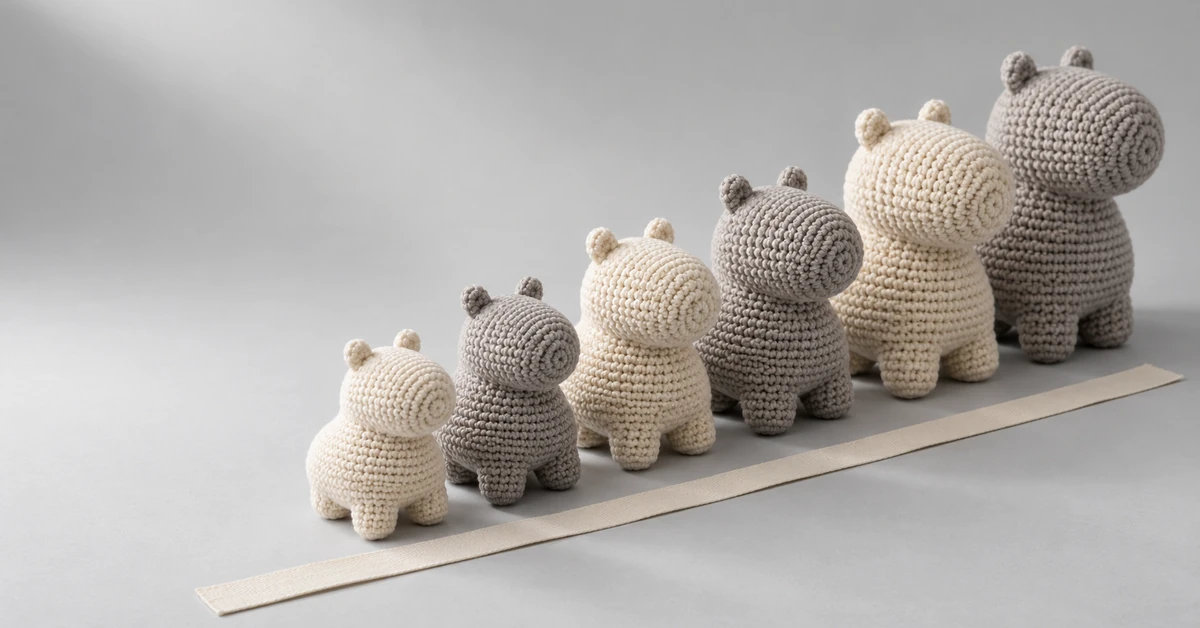
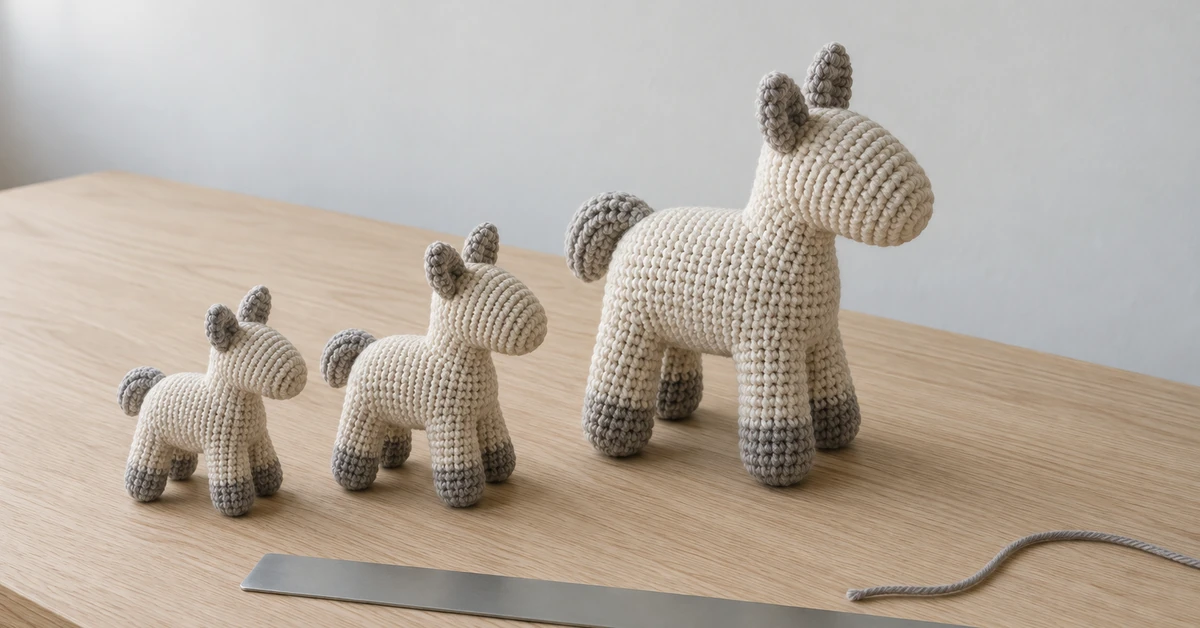
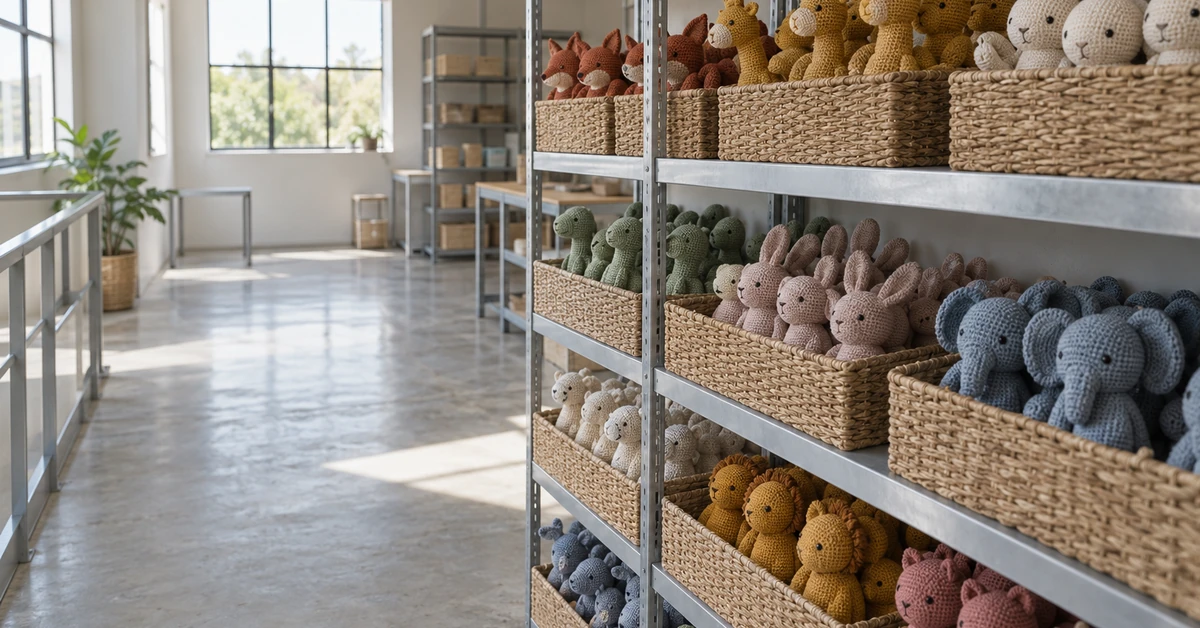
A multi-size set is only useful if the smaller baskets nest inside the larger ones. Small changes to rim flare or corner radius decide whether a set nests or fights.
- How many pieces nest cleanly inside the largest
- How much height a nested set adds
- Whether nested pieces jam when they are cold or damp
Check the stack before the display
Retailers stack baskets on shelves and in stockrooms. Two on top of each other is a normal load; six is a stress test. Decide the stacking limit and record it.
| Stacking factor | What to check | Failure mode |
|---|---|---|
| Base rigidity | Corners stay square under load | Collapse at the base |
| Rim strength | Rim does not roll outward | Baskets wedge together |
| Surface friction | Stack does not slide | Shelf spill |
Decide the handle's job
A handle is either decorative or load-bearing. If it takes the full weight of a loaded basket, its attachment has to be specified and tested as a structural part.
Cut-out handles and stitched handles fail differently. Whichever route is chosen, the buyer should see it loaded and carried rather than empty and photographed.
Agree the material and the finish together
Fabric weight, lining and stiffener act as one system. Reducing the stiffener to hit a price point is the most common cause of a basket that looked crisp in the sample and arrives floppy in the repeat order.
State the acceptable feel in words the factory can test: does the side wall hold its shape when empty, and does the base stay flat when loaded.
Price the basket by the metre, not by the unit
A slightly larger basket is rarely a slightly larger cost. It carries more fabric, more stiffener and a bigger carton, so the price steps are steeper than they look.
Compare cost across a size set before trimming a dimension that would break nesting, because a cheaper basket that no longer nests inside its siblings costs more to ship and stock.
Count the shipping cube early
Baskets are mostly air. The carton configuration decides a large part of the landed cost, so the pack should be sketched while the basket is still a drawing.
- How many units per carton, nested or upright
- Whether the carton needs an inner divider
- How the carton is marked for the receiving team
- What can be combined without crushing
Carton identity for retail-facing packs is usually built on the GS1 barcode standard so a shop can count stock without opening boxes.
A sewing storage basket wholesale carton that nests well saves volume on both legs of the journey, which is usually worth more than a small saving on the basket itself.
Define private label without breaking the set
For private label sewing baskets, the label usually sits on a hang tag, a woven tab or a printed rim band. Choose the route that does not change the basket's geometry, so the same construction can serve several brands.
Keep the brand element removable at the sample stage. It is much cheaper to move a tag than to re-make a lining.
Write care and safety wording once
A basket that holds pins, needles or scissors carries a small amount of safety messaging. Write the wording once, keep it identical across the set, and place it where it survives normal use.
Wording that differs between sizes creates support questions and makes a straightforward range look inconsistent.
Photograph the basket loaded
An empty basket photograph hides the only thing that matters to a buyer: scale. Shoot the largest and smallest sizes together, loaded with the items the range is built for.
Loaded photography also exposes design faults before production, because a sagging side wall is obvious the moment the basket is full.
Put the storage rule in the listing
- Maximum stack height for safe storage
- Whether the set nests for shipping
- What the basket is not designed to hold
- Which parts are replaceable
Custom sewing basket supplier conversations go faster when the listing already answers the storage questions a shop assistant would otherwise ask.
Buy the set, not the single basket
Buyers who order sewing baskets wholesale one size at a time usually end up with three ranges that no longer stack together. Ordering the set keeps nesting, colour and carton configuration aligned from the first shipment.
If the first order has to be small, buy the smallest complete set rather than a large quantity of a single size. A set proves the concept; a stack of one size only proves that size.
What to ask a sewing basket manufacturer
- Which stiffener is used, and how is it tested
- How many pieces nest inside the largest size
- What the maximum safe stack height is
- How the rim is finished and how it resists rolling
A sewing basket manufacturer who answers with dimensions rather than adjectives is far easier to hold to a repeat order, because every one of those answers becomes a line on the specification sheet.
Fold storage into the wider order
Storage rarely ships on its own. When a basket joins a wholesale sewing supplies order, check that it protects the items it travels with instead of pressing into them.
Sewing notions wholesale cartons often mix small carded goods with bulkier items, so the basket should be specified as part of that pack rather than as a separate line. A sewing storage basket wholesale line that fits an existing carton configuration adds margin without adding freight.
How Onehourcrafts specifies a basket range
Onehourcrafts treats the basket as a containment system: load, access, nesting, stacking and carton cube are agreed before the shape is finalised, so a storage basket range can be extended later without breaking the set.
Buyers building a broader storage offer can pair this with the buying guide notes on sewing and craft categories before requesting samples.
Frequently asked questions
What size basket should a first order include?
A three-size set that nests is usually more useful than a single large basket, because it covers small notions, tools and thread at once and ships more efficiently.
Should the basket have a lid?
Only if the lid has somewhere to go when it is open. In small sewing spaces, hinged or sliding lids work better than a loose lid that has to be set aside.
How do we know if a basket will sag?
Load the sample to its stated capacity and leave it loaded. A side wall that bows early will bow further in a warm stockroom.
Is nesting always better than stacking?
For shipping, yes. For display, stacking is usually better. Specify both behaviours separately rather than assuming one covers the other.
What makes a handle strong enough?
Treat it as a structural part and test it with the basket fully loaded. Decorative handles only need to survive display, and should be specified that way.
Can the same basket serve several brands?
Yes, if the brand element sits on a tag, tab or printed band rather than in the construction. That keeps the geometry unchanged between customers.
Why does shipping cost vary so much between basket sizes?
Baskets are mostly empty volume. Carton configuration and nesting decide how much air is paid for, so a small dimension change can move the landed cost noticeably.
Does every basket need its own barcode?
Each sellable unit normally needs its own identity so shops can count stock. Nested sets are usually sold as one unit and carry a single identity.
How should samples be reviewed?
Loaded, stacked and carried. An empty basket on a table hides the failures that matter.
What belongs in a basket brief?
Load list, access route, nesting requirement, stack limit, material and stiffener feel, packing configuration and the trade terms, which are commonly written against Incoterms 2020.