
1. Why an Adjustable Sewing Thimble Wholesale Option Matters
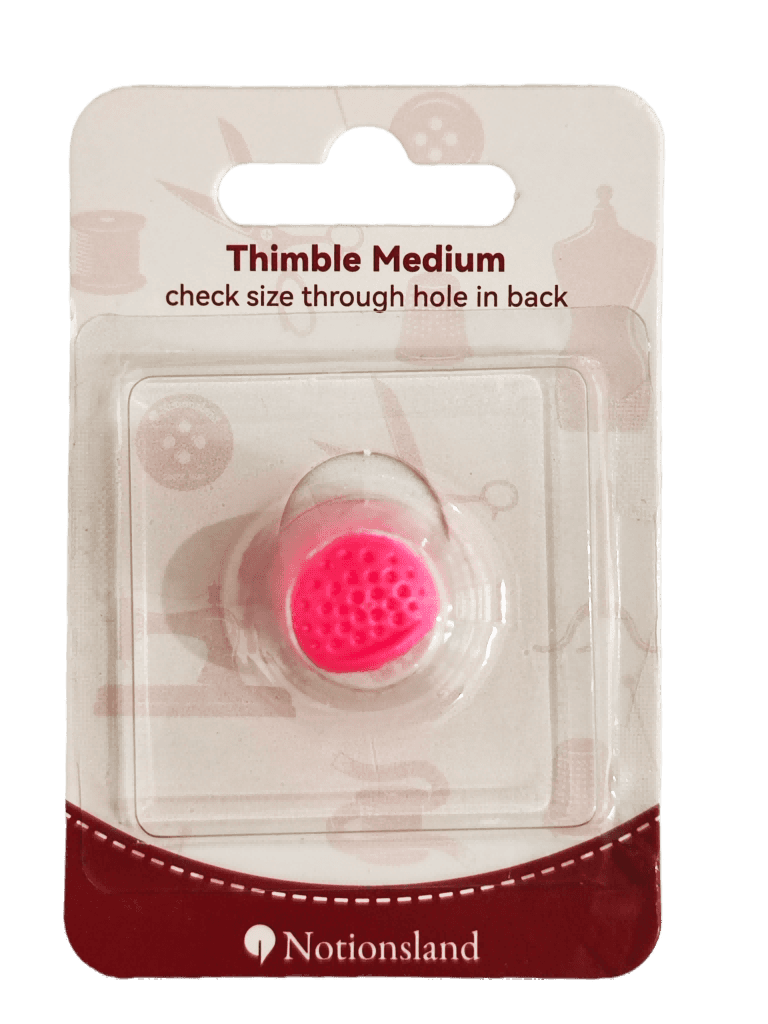
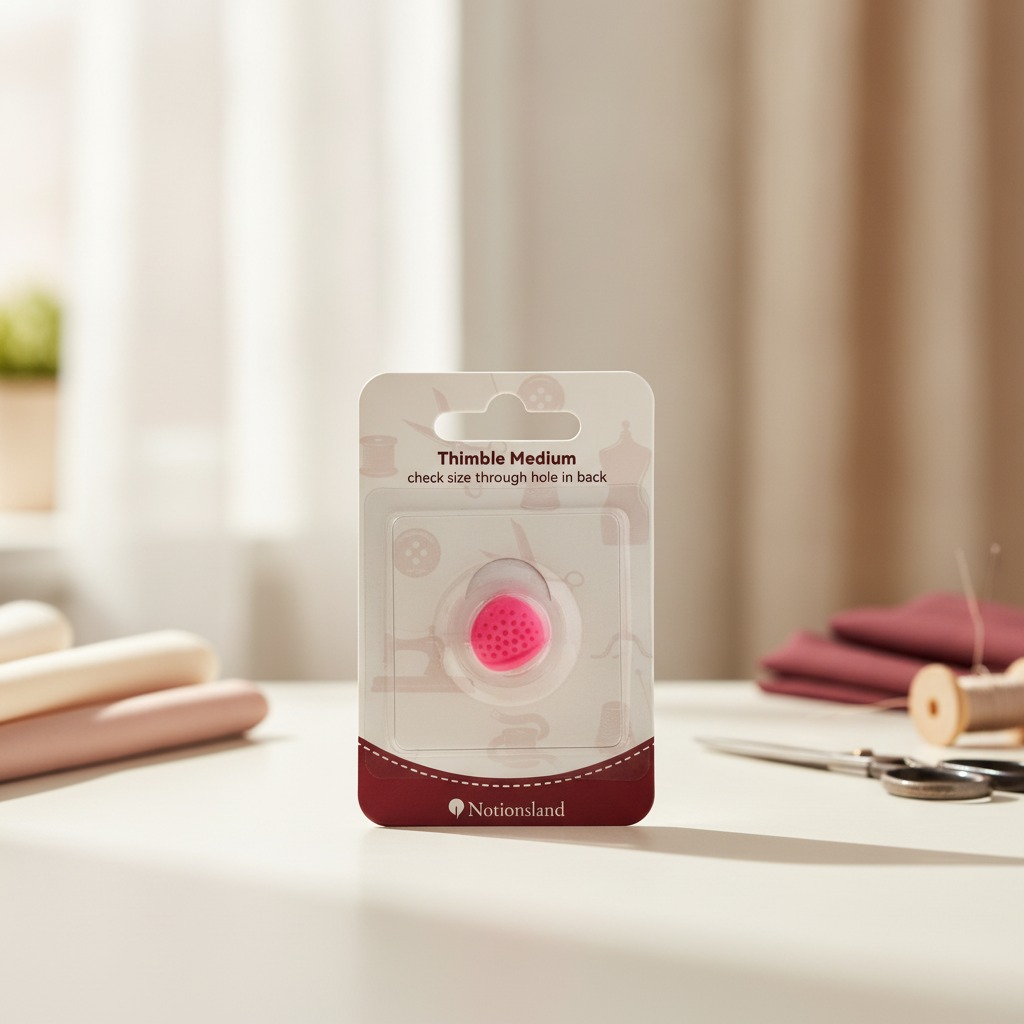
Adjustable Sewing Thimble Wholesale is a practical sourcing choice for shops and distributors that need a small but essential sewing aid for hand stitching, quilting, embroidery, and mending. The buyer problem it solves is simple: different users need fingertip protection and needle-push control, but not every finger is the same size. A medium thimble like the one shown, labeled Thimble Medium, helps reduce fingertip pressure while giving the sewer a steadier surface for pushing a needle through fabric.
For retailers, craft brands, and sewing-supply resellers, this category is useful because it sits in a high-frequency, low-complexity product segment. The item is easy to display, easy to bundle with thread or needle kits, and easy to explain to end users. The visible packaging also shows a clear retail blister format, which supports shelf presentation and quick scanning in-store.
2. Key Features Buyers Usually Compare
2.1 Finger protection and needle push assistance
The core function of any sewing thimble is to protect the fingertip while helping the user push a needle through layered fabric. That matters in hand sewing, visible mending, and dense materials where repeated pressure can slow work or cause discomfort.
2.2 Medium size for common household use
The visible size marking is Medium, which makes this style a straightforward option for general-purpose sewing kits. For wholesale buyers, a medium size often works well as a standard stock item because it is familiar to many users and can be paired with other sizes if a range is needed.
2.3 Dimpled or vented front surface
The front face appears to have a dimpled, grippy, or perforated pattern. While the exact function cannot be confirmed from the image, this kind of surface is commonly used to improve needle control and reduce slipping during push-through work. Buyers often look for this detail when selecting an Adjustable Thimble Supplier because it affects handling more than appearance alone.
2.4 Rear opening for size checking
The package notes that the size can be checked through a hole in the back. That suggests a rear opening or open-back style feature. If you are evaluating Open Back Thimble Bulk options, this type of design is worth noting because it can improve fit flexibility and make sizing easier for users who want a more forgiving finger-cap style fit.
3. Materials and Finish Options to Request
3.1 Visible finish in the sample
The product shown is a bright pink molded thimble with a rounded cup shape. The material is not stated, so it should not be described as silicone, rubber, or plastic without confirmation. It does appear to be a soft molded polymer, but that is only a visual impression, not a verified material claim.
3.2 Common finishing directions for wholesale orders
When sourcing similar sewing notions, buyers often ask for a few practical variations: different colors for size coding, matte or grippy surfaces for better control, and packaging that clearly shows the size. For retail-ready goods, a clear blister pack with a printed backer can help the product stand out while keeping the item protected.
3.3 Packaging format
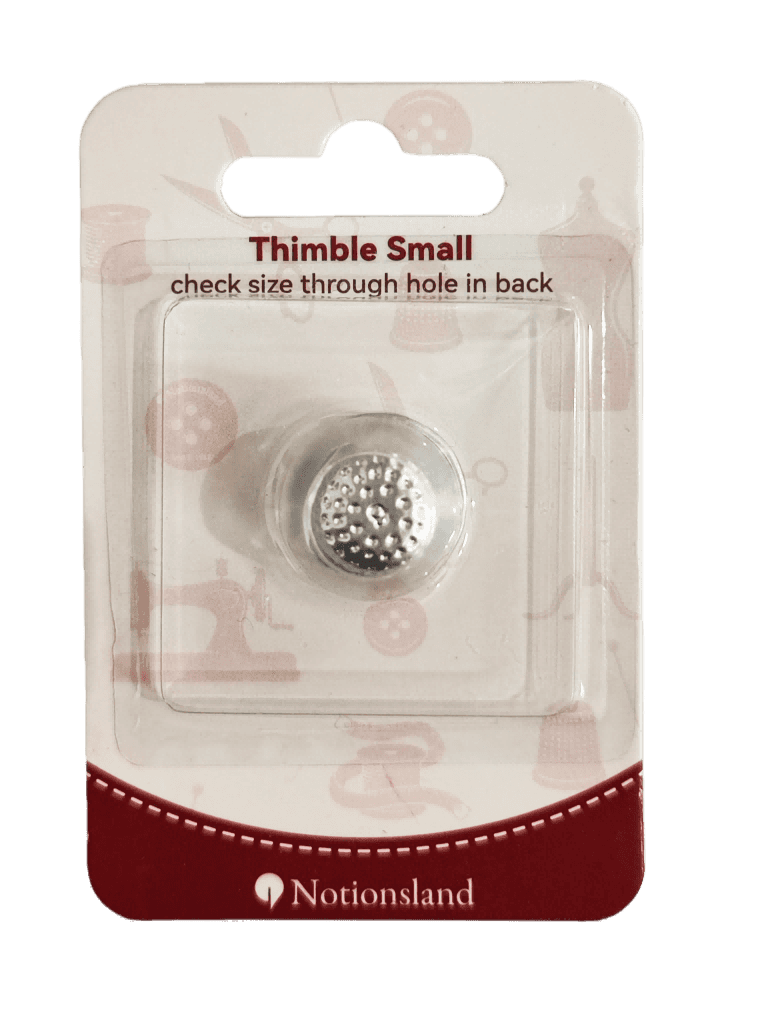
The visible packaging is a single-piece blister pack on a printed cardboard backer, branded Notionsland. This format is useful for hanging display, barcode labeling, and small-item inventory control. It also helps buyers inspect the shape and size before opening the package.
4. Manufacturing and Supply Considerations
4.1 Likely production method
The thimble appears to be a molded consumer sewing accessory. The exact process is uncertain, but injection molding or another polymer molding method would be typical for this kind of item. For wholesale planning, the main point is that the product family is usually stable, repeatable, and suited to volume production.
4.2 What to confirm with a supplier
If you are buying from an Adjustable Thimble Supplier, ask for the confirmed material type, size chart, surface texture description, and packaging specification. Those details are more important than general product naming because they affect fit, retail labeling, and customer satisfaction.
4.3 Batch consistency
For small sewing accessories, consistent size and molding quality are essential. A thimble that is too loose, too tight, or uneven on the surface can become a return issue even though the product is inexpensive. Bulk purchasers should request sample checks before placing larger orders.
5. Best Application Scenarios
5.1 Hand sewing and mending
This type of thimble is a natural fit for basic repairs, hemming, patching, and routine garment maintenance. It helps users apply pressure without direct fingertip strain.
5.2 Quilting and embroidery
Quilters and embroidery users often work through multiple layers or dense fabric areas where needle resistance increases. A grippy thimble can make repeated hand motions more controlled and less tiring.
5.3 Craft kits and teaching sets
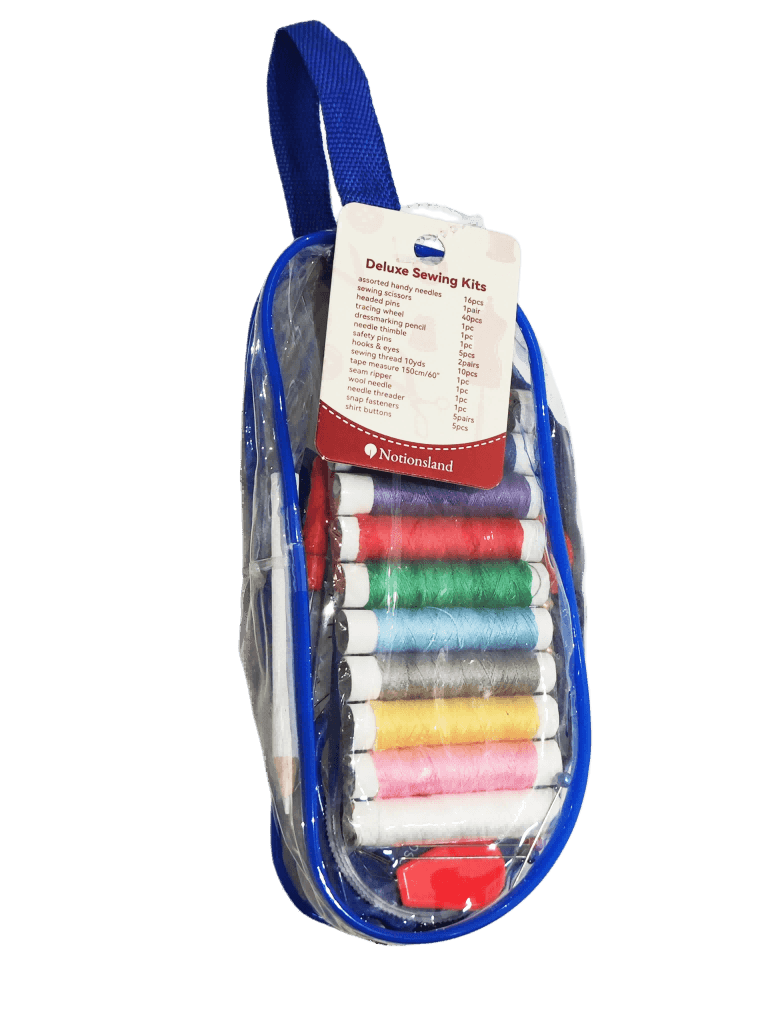
Because it is compact and easy to package, the product also works well in beginner sewing kits, school craft kits, and bundled notions sets. Retailers can pair it with needles, thread, seam rippers, or storage cases.
6. Quality Control Checks Worth Adding
6.1 Fit and opening check
Since the visible package references a back hole for checking size, a practical QC step is to confirm the opening shape and overall fit against the stated medium size. That reduces the risk of mismatch between the retail label and user expectation.
6.2 Surface condition
Inspect the dimpled or textured face for uniformity, because irregular texture can affect needle grip and comfort. A smooth exterior edge and even molding line are also important for a clean retail impression.
6.3 Packaging integrity
Clear blister packs should seal properly, stay visually clean, and protect the thimble during shipping. For wholesale shipping, carton compression and rubbing can damage presentation even when the item itself is fine.
7. How to Choose the Right Wholesale Version
7.1 Decide by end-user profile
If your customers are general home sewists, a medium open-back style may be enough. If you sell to studios or repair shops, you may want multiple sizes or mixed-size assortments. This is where Open Back Thimble Bulk sourcing can be especially useful because it supports broader fit coverage.
7.2 Decide by merchandising need
Retail sellers often care about color, visible size marking, and packaging style more than technical complexity. Bright colors can help shelf visibility, while clear labeling reduces customer questions.
7.3 Decide by reordering ease
When choosing a wholesale partner, ask whether the product can be repeated with the same shape, color, and backer design. Stable repeat orders matter more than one-off presentation if you plan to build a regular sewing notions line.
8. Practical Next Step for Buyers
If you are building a sewing accessory catalog, this type of thimble is a low-risk add-on item with broad everyday use. Start by requesting a sample, confirming the medium size, checking the rear opening, and reviewing the retail blister packaging. From there, you can decide whether to list it as a single SKU or as part of a larger Adjustable Sewing Thimble Wholesale assortment.
For procurement teams, the most efficient next step is to ask for material confirmation, size details, packaging specs, and order format. That keeps the purchase aligned with your customer base and reduces avoidable returns.