
Seam Ripper Wholesale for Sewing, Alteration, and Repair Supply
When stitches need to come out cleanly, a seam ripper is one of the fastest ways to correct mistakes without tearing fabric or slowing down production. For buyers sourcing Seam Ripper Wholesale, the main challenge is finding a simple sewing tool that is easy to display, practical for everyday use, and suitable for repeated retail or workshop demand. This product addresses that need with a slim handheld format, a visible branded card, and blister packaging that is ready for hanging display.
The seam ripper shown here is a standard sewing notions tool used for cutting and removing stitches, opening seams, and undoing embroidery or overlocked seams. It fits common use cases in garment sewing, tailoring, alterations, sample making, repair work, and craft sewing. For distributors, merchandisers, and store buyers, the benefit is straightforward: a familiar item with clear retail presentation and broad end-user appeal.

Product Overview
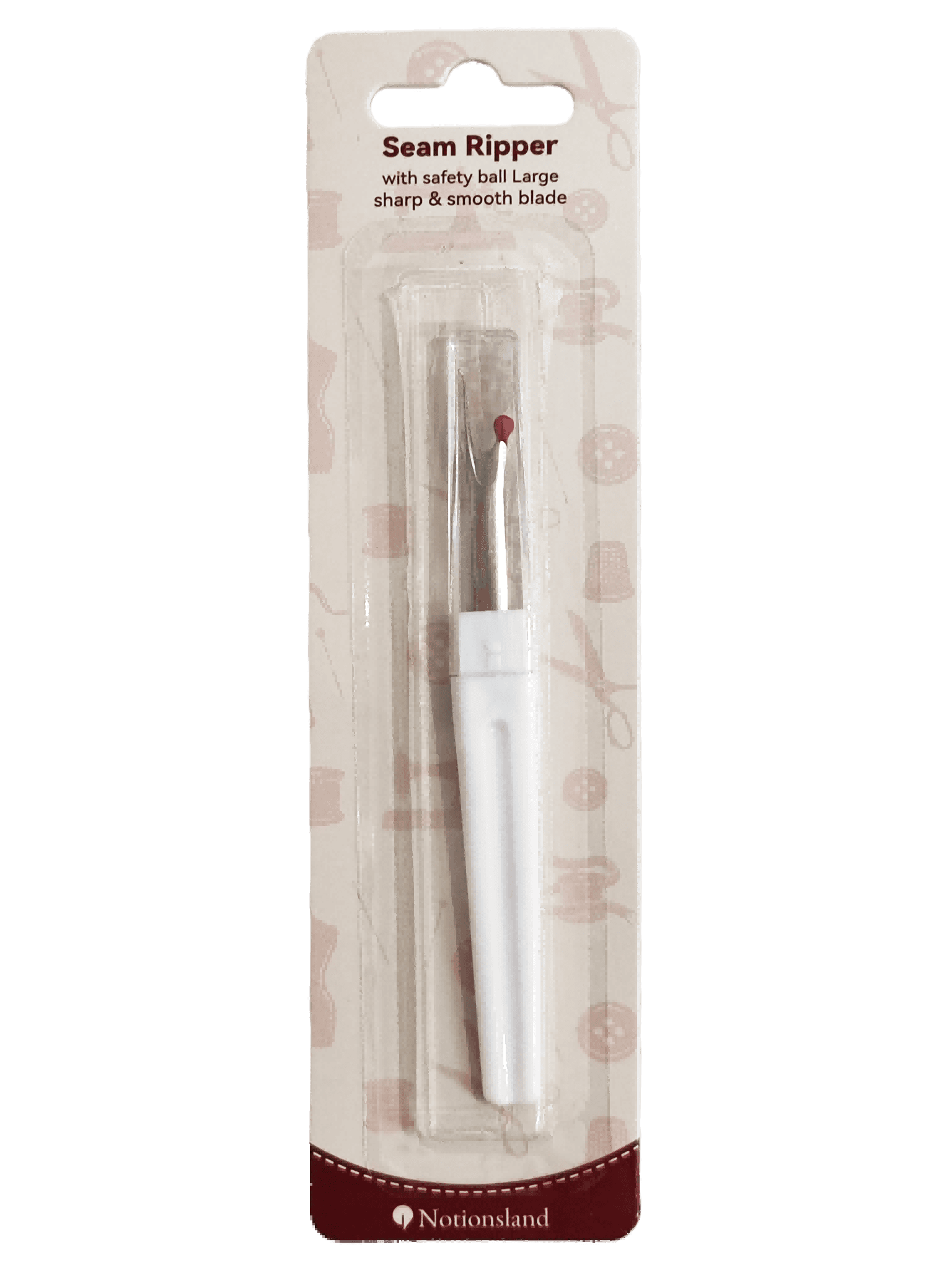
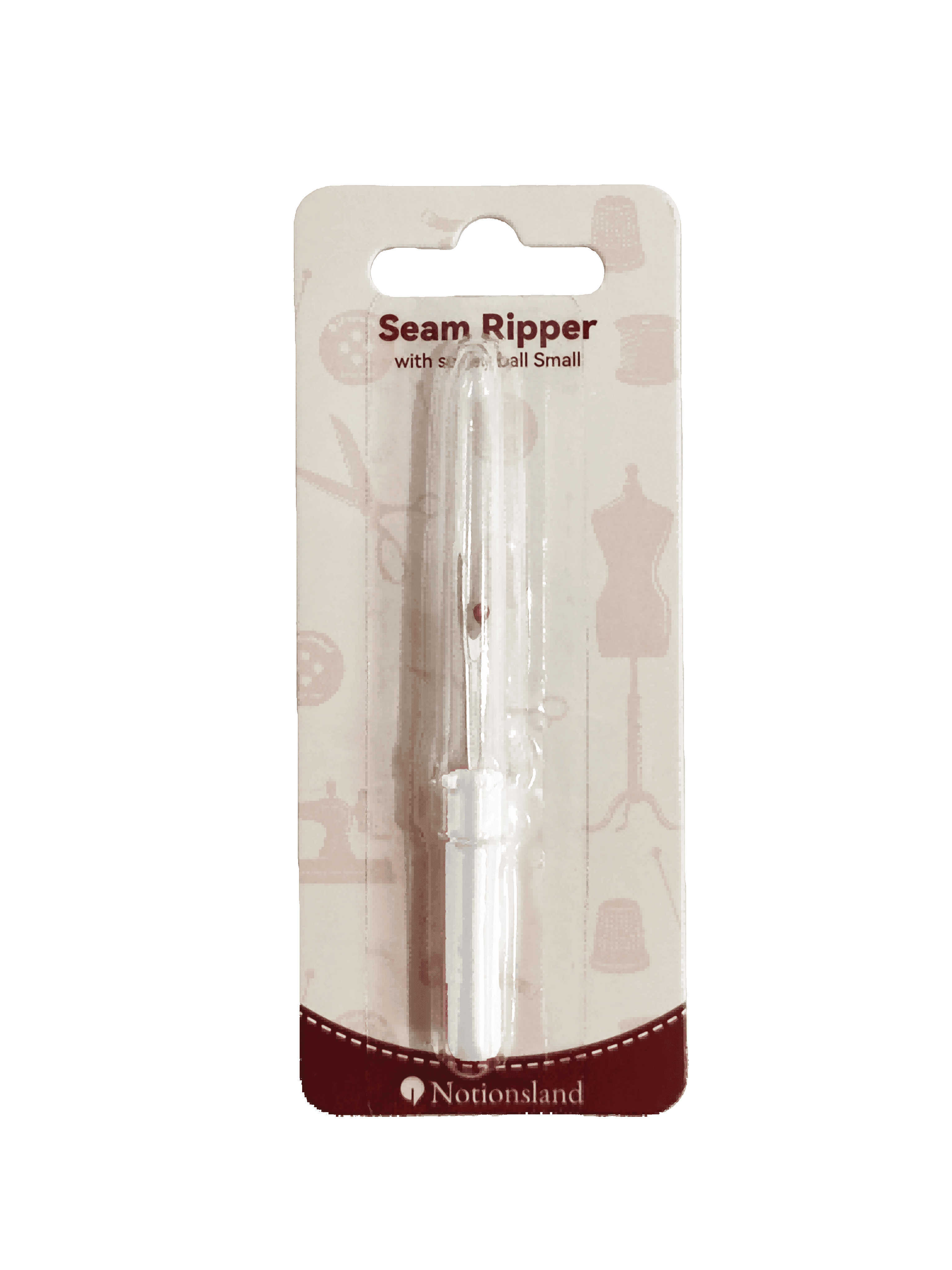
This seam ripper is packaged in a clear plastic blister on a printed paperboard card. The card displays the brand text Notionsland and the product name Seam Ripper, and it includes a hanging euro slot for retail presentation. The visible tool appears straight and narrow, with a white cylindrical or pen-like body and a small red element near the middle or upper area. The cutting end is not clearly visible through the packaging, so blade details should be confirmed before final purchasing decisions.
For catalog planning, the product fits the everyday sewing notions category rather than specialized industrial cutting equipment. It is the kind of accessory that buyers often order in volume because the unit price, display simplicity, and broad utility all matter more than complex specifications.
Key Specifications and Visible Features
What can be verified from the packaging
The following features are visible and useful for procurement review: the product name Seam Ripper, the Notionsland brand text, a clear blister pack, a paperboard backing card, and a euro slot for hanging display. The tool itself appears slim, white, and compact in shape, with a small red accent visible on the body.
What should be confirmed before ordering
Exact dimensions, blade material, handle material, tip design, and whether the product includes a safety ball or cap are not visible with certainty. If your assortment requires a specific version such as a Seam Ripper with Safety Ball Supplier format, the safest approach is to confirm the tip structure or request sample photos before placement. That avoids mismatch between listing text and the actual item shipped.
Materials and Finish Options
From the visible presentation, the handle or body looks like smooth white plastic or another coated synthetic material. The packaging is a standard retail blister style, which helps protect the tool during transport while keeping the front of the package easy to inspect. The cutting tip is likely metal, which is typical for this type of sewing accessory, but that construction is not fully visible and should not be assumed without supplier confirmation.
For wholesale planning, finish consistency matters. Buyers of Small Seam Ripper Bulk programs often want a clean surface, uniform color, and stable packaging that can move directly to shelf or kit assembly. A simple finish also helps the product fit into sewing kits, classroom packs, and basic repair assortments without looking out of place.
Manufacturing and Assembly Context
This type of product is usually a mass-produced sewing accessory assembled from a cutting element and a plastic handle or body. The package format suggests standard packaging operations: component assembly, placement into the blister, card backing insertion, and retail sealing. Because the exact internal structure is not visible, it is best to describe it as a conventional assembled seam ripper rather than a fully defined engineered tool.
For importers and resellers, that simplicity can be an advantage. Standardized production is often easier to integrate into sewing accessory catalogs, especially when the goal is dependable replenishment rather than highly specialized technical performance.
Application Scenarios
Seam rippers are used wherever stitches need to be removed carefully. Tailors use them for adjustments and repairs. Garment factories and sample rooms rely on them when correcting seams or revising prototypes. Craft sewing users keep them on hand for finishing work, embroidery removal, or undoing overlocked sections. Schools, training studios, and alteration counters also benefit from keeping a small stock available.
Because the item is compact and familiar, it works well in multi-item sewing sets and repair kits. Buyers sourcing Small Seam Ripper Bulk often place them alongside thread cutters, needles, scissors, and measuring tools to build complete notions assortments.
Quality Control Considerations
For a tool like this, quality review should focus on practical points rather than complicated test claims. Check that the packaging is intact, the card print is clear, the euro slot is properly formed, and the tool sits securely in the blister. The handle should look uniform, the red accent should be positioned consistently, and the visible surfaces should be free from obvious defects.
Because the cutting end is not clearly visible in the image, buyers should request confirmation on tip shape and safe handling features if those details matter to the application. This is especially important for retailers serving beginner sewists or kit builders who may expect a specific seam-ripper style.
Customization and Buying Guidance
When evaluating Seam Ripper Wholesale options, start with the end user. A retail store may prioritize display-ready packaging, while a workshop may care more about function and easy replacement. Schools and promotional kits often need compact packaging and straightforward labeling. If your project requires a branded card, barcode placement, or carton-level packing format, those details should be discussed early.
If you are comparing a Seam Ripper with Safety Ball Supplier option against a standard model, verify the exact tip structure before placing a large order. If you need a simple everyday sewing accessory for broad use, this visible Notionsland format may fit the brief well. If you need a Small Seam Ripper Bulk purchase for kits or resale, confirm the package count, outer carton setup, and whether the presentation matches your shelf requirements.
Why Buyers Choose This Category
The problem is easy to understand: sewing mistakes happen, seams need correction, and users need a compact tool that works without damaging the fabric. This seam ripper answers that need with a familiar form, clear retail packaging, and broad usefulness across sewing-related tasks. It is not a complicated item, and that is part of its value. In wholesale supply, dependable basics often move faster than niche tools.
For sourcing teams, the next step is simple. Review the visible packaging, confirm the tool specification that matters to your market, and request samples or product images if you need exact tip details. If you are building a sewing notions catalog or refreshing a repair-tool assortment, this seam ripper is a practical candidate for retail display, kit packing, and repeat replenishment.
For quotation requests, carton planning, or sample confirmation, share your target order format and packaging needs so the supply can be matched to your channel.