
Engineered Reliability: Braided Elastic for Waistbands & Underwear (The "Workhorse")
In high-volume garment manufacturing, inconsistent waistband recovery and seam roll-over remain leading causes of fit returns and factory rework. Sourcing the right braided elastic for waistbands & underwear (the "workhorse" of daily apparel construction) directly resolves these assembly vulnerabilities. When mass-producing essentials—ranging from lounge bottoms to everyday briefs—procurement teams cannot risk using elastic materials that curl under seam stress or snap after minimal laundering. Selecting a calibrated, high-recovery narrow band ensures garments maintain their dimensional stability on the retail hanger and their targeted fit profile on the wearer.
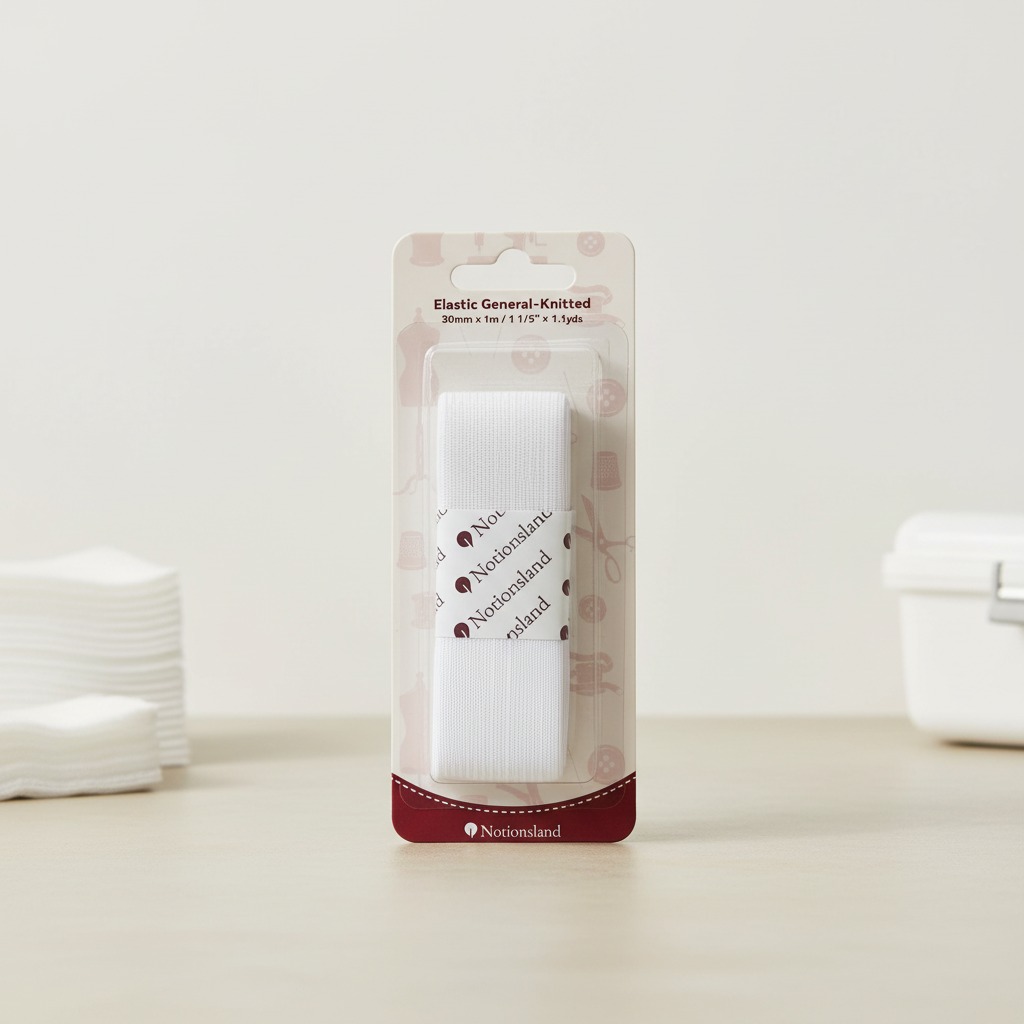
Product Overview: Structural Profile and Dimensions
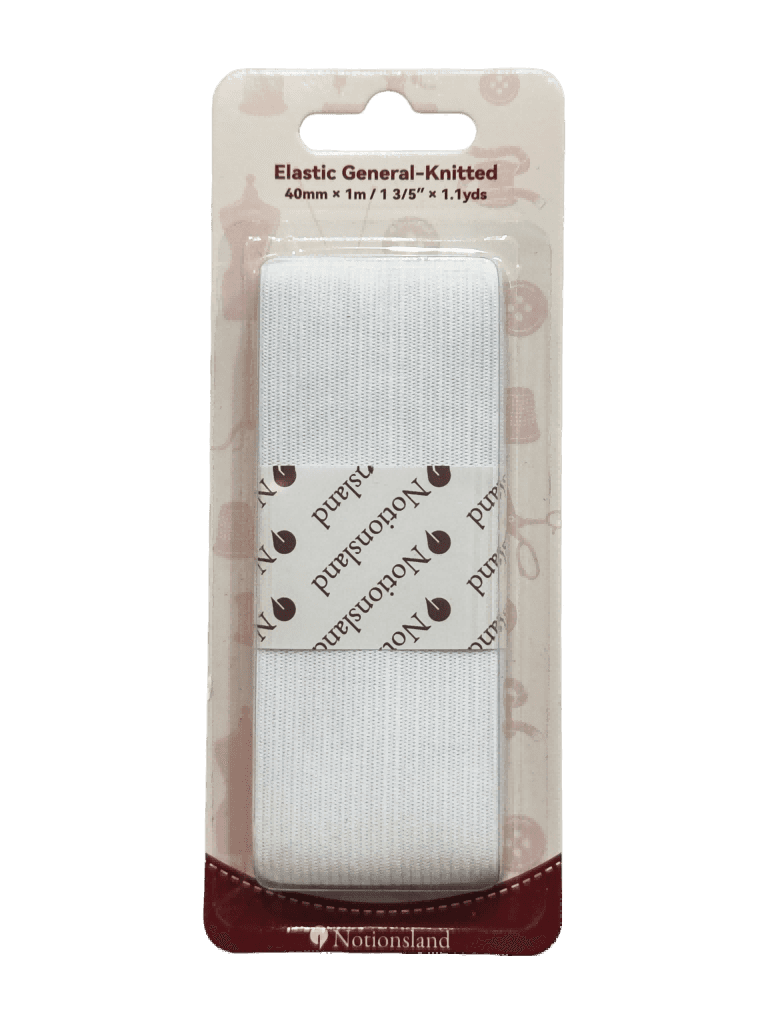
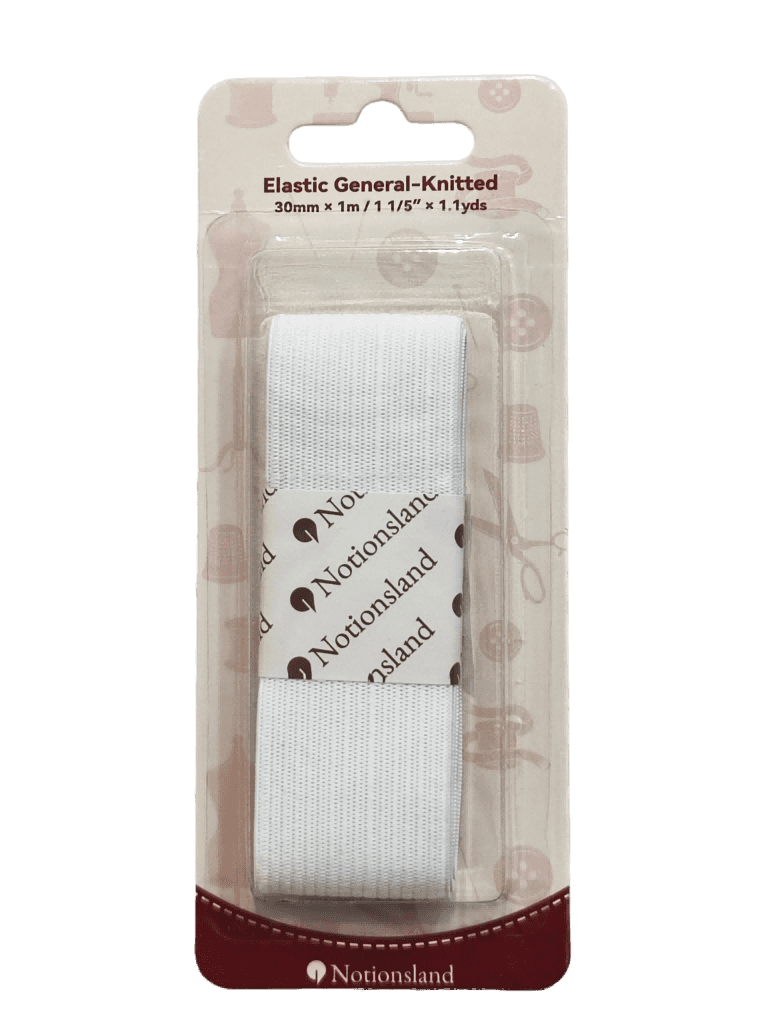
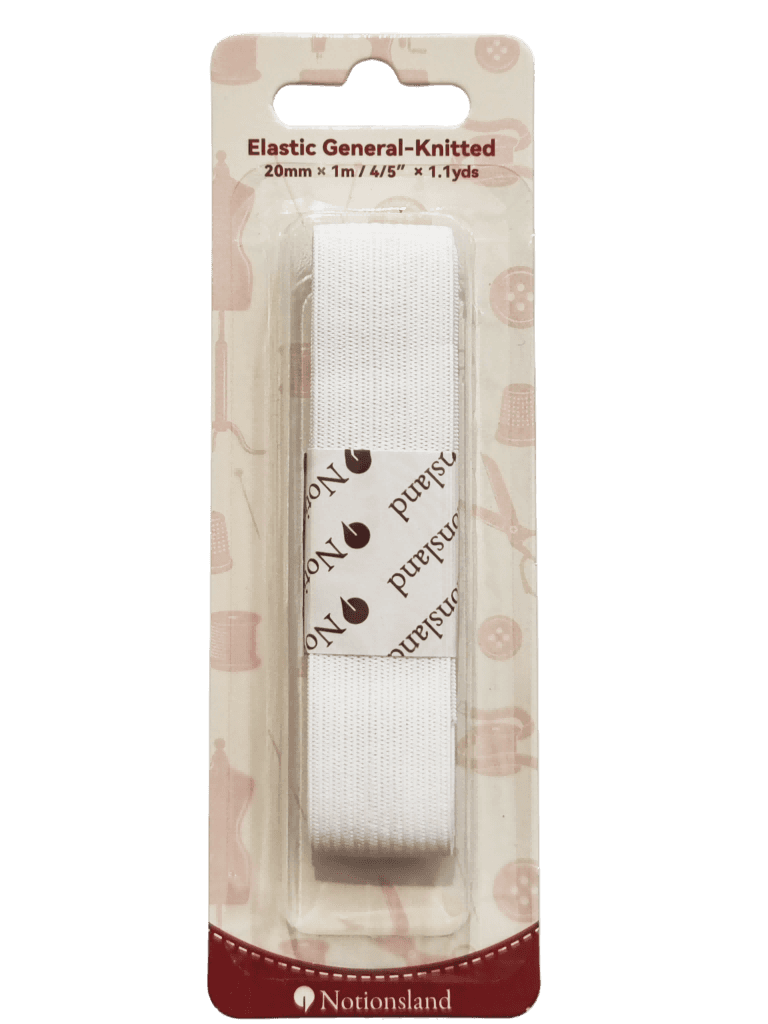
Narrow elastic bands serve as the structural backbone for functional apparel channels. Packaged and supplied across industry-standard gauges, core dimensions like the 30 mm width profile provide the ideal balance between load distribution and seam flexibility. While general-purpose supplies often package discrete unit cuts, commercial production runs demand continuous yardage that feeds seamlessly through automated pullers and feed dogs.
The visible construction of this baseline narrow textile band features a tightly structured surface engineered to hold its flat geometry. Unlike loose knit constructions that narrow excessively when pulled, a reinforced core structure distributes tension evenly across the full 30 mm cross-section, shielding the internal elastomeric threads from friction damage during high-speed sewing.
Material Construction and Comparative Dynamics
Elastic narrow fabrics operate on distinct performance axes depending on how their internal elastomer interacts with surrounding sheath fibers. While garment sections such as raw-edge hems or ribbing rely on knit-in elastic yarn for socks & cuffs (specialty fiber) to blend directly into the textile matrix, waist applications demand self-contained structural support.
In standard encased waistband setups, the protective textile sleeve houses individual elastomeric cores that prevent premature dry-rot caused by body oils and commercial detergents. The dense yarn wrapping ensures high transverse rigidity, meaning the elastic resists folding over inside casing tunnels. Understanding these mechanical properties prevents catastrophic mismatches on the production floor; heavy fleece trousers require high-modulus retention, whereas lightweight underwear liners require gentle elongation with instant snap-back.
Manufacturing Precision and Stitch Tolerances
Feeding narrow elastics through multi-needle chainstitch machines introduces continuous mechanical friction. Low-grade elastic trims often suffer from structural fraying or snapped internal strands when the sewing needle pierces the band. Precision-controlled narrow textile manufacturing mitigates this through optimized thread tension during braiding and knitting stages.
By spacing elastomeric pathways systematically across the width, sewing machine needles pass cleanly between active cores rather than severing load-bearing strands. This structural foresight ensures that topstitching or bar-tacking retains full structural integrity without leaving dead zones or localized slack along the waistline.
Application Environments and System Integration
Every garment sub-assembly requires specialized elastic dynamics. For instance, headwear and technical outdoor gear often implement an adjustable hat sweatband & visor insert (functional hardware) to manage moisture and fit via rigid mechanical adjusters. Conversely, standard apparel rely on the elastic band itself to generate reliable, passive radial pressure.
Primary target applications include:
- Standard underwear waistbands requiring dependable wash-and-wear resilience.
- Cased sleepwear, scrub bottoms, and loungewear drawstrings.
- Athletic short hems that mandate consistent holding power without leaving skin indentations.
- Rapid garment maintenance and contract production alterations.
Quality Control Benchmarks for Wholesale Procurement
Technical evaluation of elastic webbing requires strict laboratory and line verification prior to line deployment. Because fiber blends and elastomeric compounds vary, procurement teams should verify three core parameters:
First, test elongation percentage and hysteresis loss. The band must stretch to its designated length and snap back without measurable creep over continuous cycling. Second, evaluate thermal resistance against standard curing and commercial iron temperatures to ensure internal polymers do not melt or glaze. Third, conduct wash degradation checks to confirm that the casing yarns do not pill or unravel after laundering, preserving the smooth outer skin required for comfortable skin contact.
Specification and Customization Guidance
While standard white 30 mm formats satisfy conventional casing requirements, industrial programs frequently require customized physical profiles. Specifiers should evaluate exact spool formats—such as continuous traverse-wound spools versus pre-cut bundled formats—to reduce operator reload downtime on the sewing line. Beyond width variations, custom requirements can dictate soft-brushed exterior texturing for direct skin contact, specialized modulus ratings for specialized compressive apparel, or treated finishes for mildew resistance in humid storage climates.
Secure Your Baseline Trim Supply
Eliminate line stoppages, uneven waist gather, and post-wash customer returns by standardizing your garment trims. Contact our technical narrow-fabrics team today to discuss volume roll specifications, custom width requirements, and sample swatch evaluations suited to your operational manufacturing schedule.