Elastic Band for Sewing Projects That Need a Cleaner Finish
An elastic band is often the small component that decides whether a garment feels comfortable or frustrating to wear. When a waistline twists, a cuff bunches, or a DIY project loses shape, the problem is usually the elastic itself. This black elastic option is designed as a non-roll elastic, helping buyers choose a sewing elastic that stays flatter in use and supports cleaner garment construction.
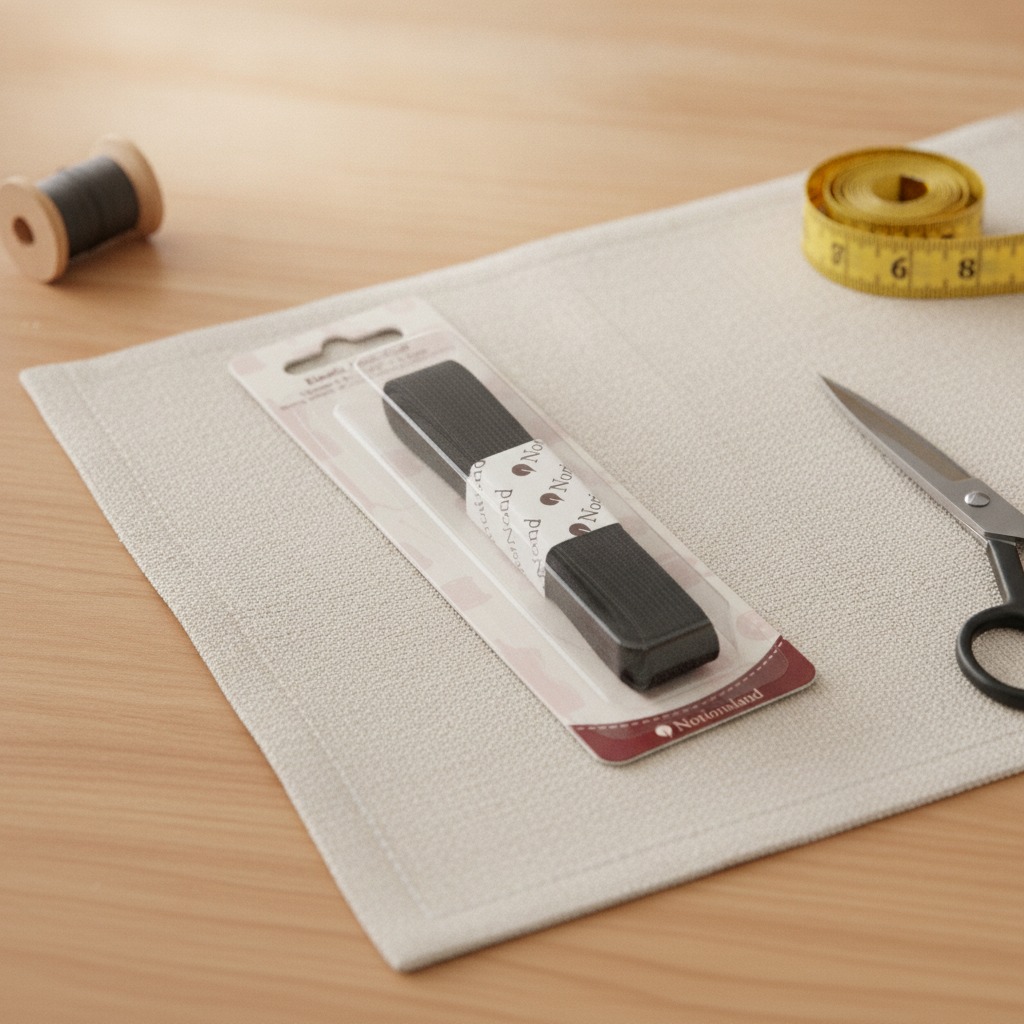
Product Overview
This packaged elastic sewing accessory is a narrow black woven elastic tape supplied on a retail card and protected in a clear blister pack. The visible product details show a width of 15 mm and a length of 2 m, or 3/8" x 2.2 yds. The packaging also highlights “Elastic Non-Roll” and “strong elastic,” which points to a practical focus: controlled stretch with less twisting during stitching and wear.
For makers, repair shops, and small production buyers, that matters. A narrow elastic can be used in garments and craft items where bulk must stay low but flexibility is still required. The structure appears flat and ribbed, which is useful for sewing applications that need better handling on the machine and more stable placement in finished seams.
Key Specifications and Capabilities
Visible product facts
Width: 15 mm
Length: 2 m
Color: black elastic
Structure: woven textile elastic with a ribbed surface
Packaging: clear plastic blister on printed cardboard backing
Functional benefits
The main advantage of a non-roll elastic is simple: it helps reduce edge curling and twisting while you sew and after the item is finished. That makes it easier to insert into waistbands, cuffs, sleeves, mask channels, and costume pieces where the elastic should sit neatly instead of turning inside the tunnel. The narrow profile also makes it suitable for detailed sewing work where a wider band would feel too bulky.
Materials and Finish Options
The product shown is a black woven elastic, and the exact fiber blend is not visible. What can be confirmed is the woven, ribbed appearance and the non-roll construction called out on the package. For buyers sourcing sewing elastic, black is a versatile finish because it works well in dark garments, linings, and repair jobs where visible stitching should remain discreet.
If your project requires a different look or handling profile, it is useful to compare woven elastic, knitted elastic, and other specialty bands by their surface texture, firmness, and tendency to roll. This packaged option is positioned toward controlled sewing performance rather than decorative trim.
Manufacturing and Construction
Based on the visible structure, this elastic band is likely produced as woven elastic webbing, with elastic fibers integrated into a textile body that helps the strip hold its shape. That type of construction is commonly chosen when a buyer needs a more stable edge and less distortion during sewing. Because the package specifically states “specially woven to resist rolling,” the construction is a central part of the product value.
For manufacturing teams, this matters during cutting and stitching. A non-roll elastic can be easier to feed evenly, reduce rework, and improve consistency across repeated garment assemblies. It is not a substitute for testing in your own application, but it gives a more predictable starting point than a generic stretch strip with no stated structure.
Typical Applications
This sewing elastic is suitable for waistbands, cuffs, sleeves, masks, costume making, repairs, and general DIY garment assembly. It is also practical for hobby sewing and small-batch production where a narrow elastic is needed for moderate stretch support without excessive width. In repair work, a black elastic band can be especially useful because it blends into darker fabrics and linings.
Quality Control and Buyer Checks
Before placing a purchase order, buyers should confirm the width, length, and intended end use. If the project depends on a specific stretch feel, wash performance, or skin-contact requirement, request those details separately, since they are not visible on the package. For production use, it is wise to test stitching behavior, recovery, and seam compatibility with the actual fabric you plan to use.
Consistent packaging and clearly stated dimensions help with inventory control, but the real decision factors are application fit and handling during sewing. If you need a non-roll elastic for neat construction, this format is a sensible choice to evaluate.
Customization and Sourcing Guidance
If you are sourcing for retail, kit assembly, or sewing supply distribution, consider whether you need the same elastic band in other widths, colors, or spool lengths. Buyers often compare sewing elastic by packaging format, roll length, and whether the product is optimized for garment making or general craft use. Matching the product to the end application avoids waste and reduces returns.
Request This Elastic Band for Your Project
If your production line, repair bench, or craft inventory needs a compact black non-roll elastic, this product is built for that kind of work. Use it where stable stretch, narrow width, and easier sewing handling are priorities. Contact your supplier to confirm availability, packaging needs, and any project-specific requirements before ordering.