
Cotton Tape for Sewing, Binding, and Everyday Fabric Finishing
Cotton tape is a practical choice when a project needs a narrow, stable, non-stretch textile strip that can reinforce edges, finish seams, or create clean ties and loops. For sewing teams, tailors, and craft buyers, the main problem it solves is control: it helps fabric edges stay neat without adding bulk or unwanted stretch. This makes it useful anywhere a reliable cotton tape is needed for garment repair, edging, or general haberdashery work.
Product Overview
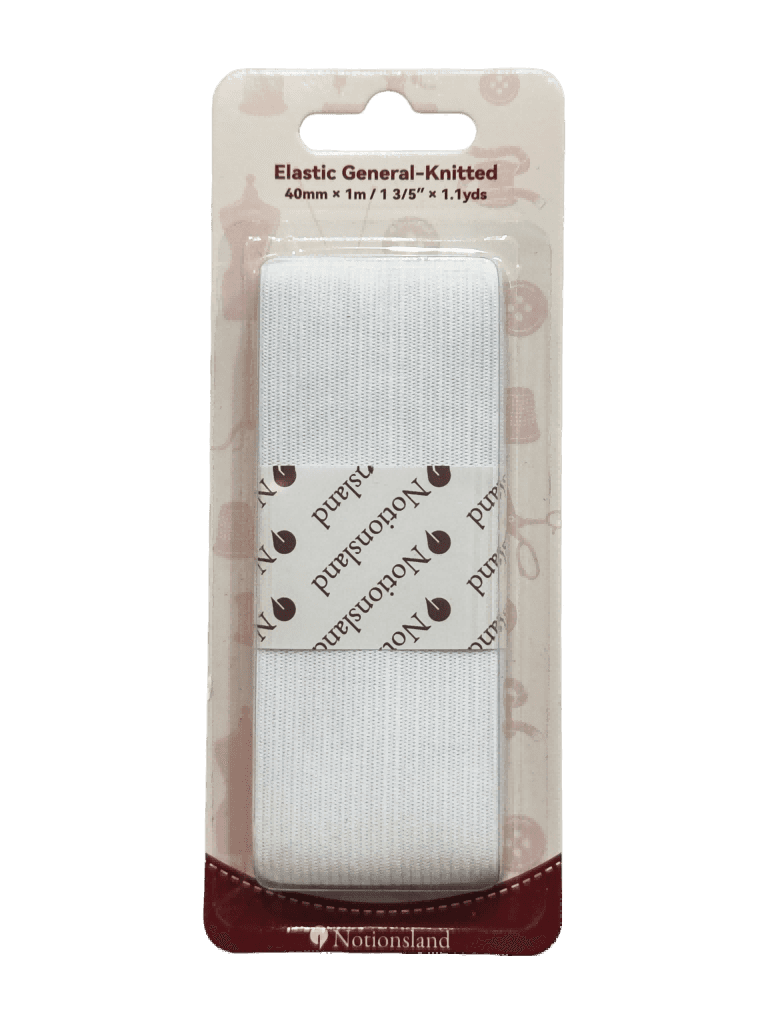
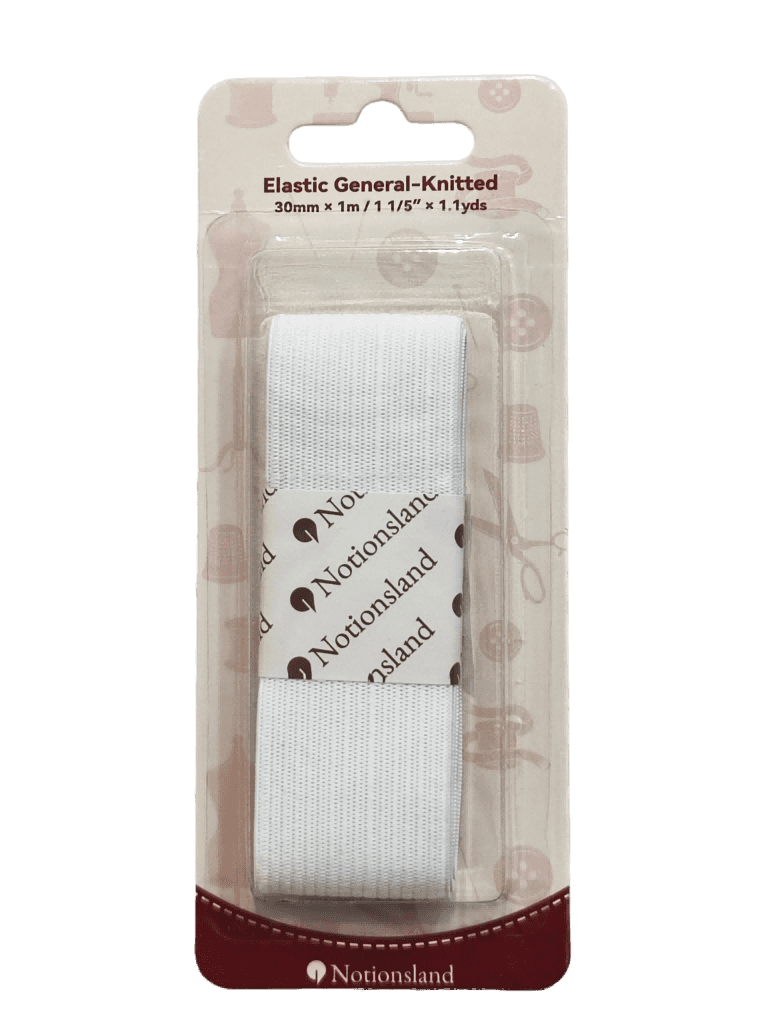
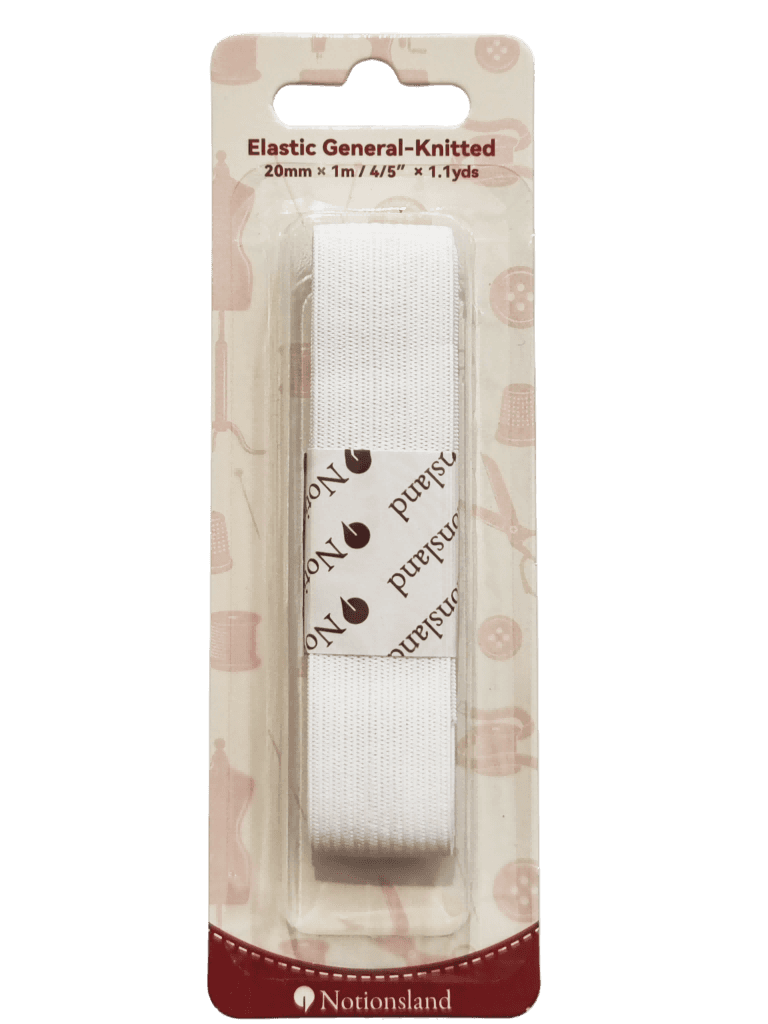
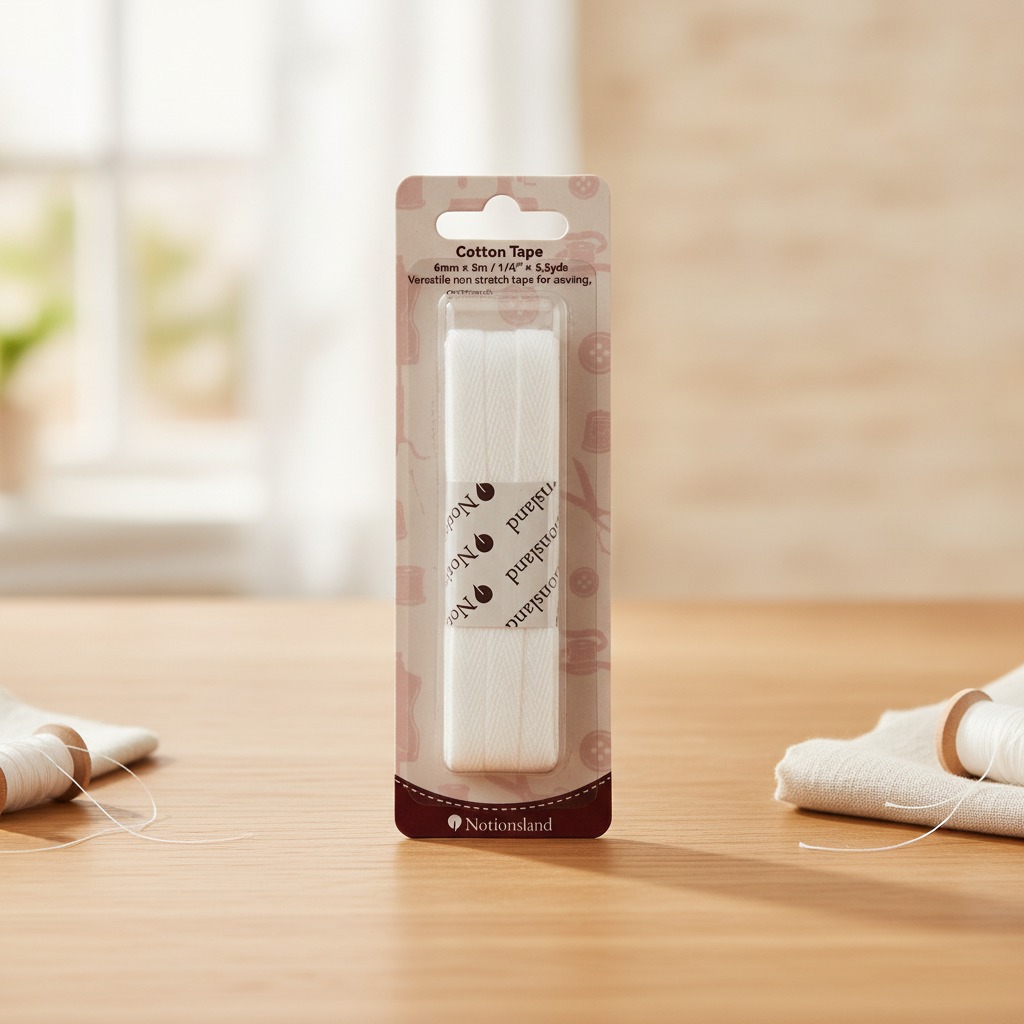
This product is a retail-packed sewing tape sold on a blister card, with the visible label showing 6mm x 5m / 1/4” x 5.5yds. It is presented as a versatile non stretch tape for sewing, which indicates a narrow textile tape intended for finishing and reinforcing tasks rather than elastic movement. The visible color is white, and the surface has a matte woven texture with a compact roll format that is easy to store, display, and dispense at the workbench.
The packaging style also suggests it is suitable for retail merchandising in fabric stores, notions aisles, and repair kits. For distributors, the carded format helps with shelf presentation and hanging display through the die-cut slot.
Key Specifications and Capabilities
Visible product details
Based on the supplied product information, the tape is narrow, flat, and non-stretch. The packaging states the size as 6 mm wide and 5 m long. The brand name shown is Notionsland. The exact fiber blend is not fully confirmed beyond the cotton labeling, so buyers should treat it as cotton-based tape unless the supplier documentation states otherwise.
What this format is good for
Because the tape does not stretch, it is well suited to jobs where edge stability matters. It can be used for seam reinforcement, lightweight binding, garment trimming, and sewing applications that need a consistent line without distortion. In many workshops, this type of narrow tape is also used for small loops, hanging tabs, craft edging, and repair details where precision matters more than elasticity.
Materials and Finish Options
The visible finish is a white woven textile surface with a dry, matte appearance. That texture is often preferred in sewing because it lays flat and behaves predictably under stitching. If a buyer is comparing options such as binding tape, quilt binding, or garment trim, the key point is the function required by the project. A non-stretch narrow tape is typically chosen when the goal is reinforcement or neat edging rather than decorative volume.
Since only the visible product data is available, it is best not to assume special coatings, adhesive backing, or performance treatments. Buyers needing a specific finish should confirm fiber makeup, weave type, and colorfast requirements with the supplier before ordering in volume.
Manufacturing and Construction Notes
The tape appears to be a woven narrow fabric rather than a printed ribbon. In general, products in this category are made by weaving narrow strips directly or by processing textile webbing into a compact width. That structure gives the tape its stable edge and controlled handling during sewing. The exact production method is not confirmed from the image, so it should be described as a woven cotton-style sewing tape unless additional specifications are supplied.
Common Applications
This tape fits a wide range of light-duty sewing and craft uses:
• garment repair and edge finishing
• hemming and seam reinforcement
• handmade bags, pouches, and textile accessories
• loops, ties, and hanging tabs
• craft projects and general haberdashery work
• light binding where a narrow stable strip is required
For buyers who stock sewing consumables, the product sits comfortably alongside garment trim and other narrow textile accessories used in tailoring and home sewing.
Quality Control and Buyer Considerations
When evaluating cotton tape, buyers should focus on width consistency, roll length, weave uniformity, edge stability, and whether the tape behaves as a true non-stretch material in use. Those factors affect how cleanly it feeds through a sewing machine and how well it supports the final garment or craft item.
For sourcing, it is also worth checking packaging quality, retail presentation, and whether the carded format suits your sales channel. If the tape is being purchased for production use, confirm roll-to-roll consistency and request the supplier’s material declaration if cotton content is important to your specification.
Customization and Order Guidance
If your business needs a different width, length, color, or packaging format, it is sensible to discuss those requirements early. Some buyers may need bulk rolls rather than blister-card retail packs, while others may want a matching width for a particular garment line or craft kit. The right choice depends on the finished application, the sewing method, and whether the tape is decorative, structural, or purely functional.
Why This Tape Makes Sense for Practical Sewing Work
For many users, the value of cotton tape is not flashiness but reliability. It is narrow, simple to handle, and designed for sewing tasks where the result should stay neat and controlled. If your project needs a straightforward non-stretch strip that can reinforce, bind, or finish fabric edges cleanly, this type of tape is a sensible purchase.
Request Supply Information
If you are sourcing cotton tape for retail, repair, or production use, ask for confirmation of fiber content, width tolerance, packaging format, and carton quantities before placing a larger order. A quick specification check now can prevent mismatches later and ensure the tape performs as expected in your sewing process.