
A supplier sends you an amfori BSCI audit summary with a respectable grade. That is useful evidence, but it is not a complete supplier approval.
A practical BSCI craft factory audit checklist should answer three separate questions: Was the correct production site audited? What did the auditor actually find and what has changed since then? Can the factory also make your product safely, consistently, and legally for the destination market?
The short conclusion is simple: use the audit as one part of a risk-based decision, not as a certificate that replaces product testing, quality control, traceability, or buyer due diligence. The 12 checks below help craft brands, retailers, subscription-box teams, and private-label buyers turn an audit report into a clearer sourcing decision.
First, understand what an amfori BSCI audit does
amfori describes BSCI as a social risk management system that helps members identify, assess, verify, and mitigate risks in supply chains. Its current public guidance says an audit uses on-site observations, worker interviews, and document reviews to assess 81 questions. The resulting report receives a grade from A to E.
Just as important, amfori states that BSCI is not a certification. It is built around risk assessment and continuous improvement rather than a permanent pass-or-fail label. A full audit begins a two-year cycle; depending on the grade, a follow-up audit may be required to examine identified weaknesses and evidence of improvement.
The system currently covers 13 performance areas, including social management, worker involvement, freedom of association, discrimination and harassment, remuneration, working hours, occupational health and safety, child labor, young workers, precarious employment, forced labor, environmental protection, and ethical business behavior.
For a buyer, this means the report can reveal meaningful social-compliance risks. It does not tell you whether a crochet hook matches the approved size, whether every kit contains the right yarn, whether a printed instruction is accurate, or whether the finished product meets every rule in your sales market.
Use three evidence layers instead of one document
A stronger supplier file combines three layers:
- Social-compliance evidence: the current audit report, scope, findings, and corrective-action records.
- Product and process evidence: samples, specifications, quality plans, inspection records, material controls, and production traceability.
- Market-access evidence: test reports, labeling information, declarations, and other documents required for the product and destination market.
Keeping these layers separate prevents a common mistake: using one positive document to answer questions it was never designed to answer.
BSCI craft factory audit checklist: 12 checks before approval
1. Confirm the legal entity and exact production address
Match the company name and site address in the audit report with the supplier quotation, business license, bank beneficiary, sample paperwork, and planned production location. Similar company names, trading-company addresses, and nearby subcontracting workshops can create false confidence.
Ask a direct question: “Will every stage of this order be completed at the audited site?” If printing, hand assembly, crochet work, packing, or storage happens elsewhere, request the name, address, role, and oversight method for each additional location.
2. Check whether the audit is current and what type it was
Record the audit date, audit type, grade, next required action, and cycle status. A report can be genuine but no longer describe current conditions after rapid hiring, relocation, new management, production expansion, or a shift to peak-season overtime.
Do not read a follow-up report as though it repeated the entire full audit. amfori explains that a follow-up concentrates on areas previously identified for improvement, while still requiring minimum due diligence in selected worker well-being and fair-practice areas.
3. Review the full findings, not only the grade
Two sites with the same overall grade may carry very different buyer risks. One may have an administrative gap that can be corrected quickly. Another may have recurring overtime, weak worker representation, unsafe equipment, or incomplete wage records.
Read each finding, its performance area, severity, evidence, root cause, due date, and current status. The official amfori audit rating guide is a useful reference for understanding how findings influence grades, but the commercial decision still belongs to the buyer.
4. Separate zero-tolerance risks from correctable gaps
Create an internal escalation rule before reviewing suppliers. Allegations or evidence involving forced labor, child labor, serious safety danger, retaliation, falsified records, or bribery should not be handled like an overdue training record or a missing signature.
Your rule should state who pauses sourcing, who reviews evidence, when legal or compliance specialists become involved, and what conditions would make the supplier ineligible. A checklist is valuable only when it leads to a defined action.
5. Test whether corrective actions address the root cause
A closed item is not automatically a solved problem. If excessive working hours resulted from unrealistic production planning, a revised policy alone may not prevent recurrence. Useful evidence could include capacity planning, hiring records, time-system data, manager training, revised incentives, and several months of working-hour records.
Ask four questions for every material finding:
- What caused the issue?
- What immediate correction was made?
- What system change should prevent recurrence?
- What objective evidence shows the change is working?
6. Compare audit capacity with your order plan
A supplier may operate responsibly under normal demand and struggle when a buyer adds too many SKUs, late artwork, compressed lead times, or large last-minute volume. Compare headcount, normal working hours, seasonal capacity, subcontracting plans, and production schedule with your proposed order.
Buyers influence risk through purchasing practices. A realistic launch plan, consolidated feedback, stable specifications, and reasonable lead time make responsible production more achievable than repeated urgent changes.
7. Verify subcontracting and homework controls
Craft products often involve labor-intensive steps: crochet, embroidery, trimming, accessory attachment, kitting, labeling, and final packing. Some work may be outsourced or distributed beyond the main facility.
Ask which operations leave the audited site, how workers are recruited and paid, how hours and age are verified, who provides materials, and how quality and social requirements are monitored. If the supplier cannot map the production chain, the buyer cannot understand the real scope of the audit.
8. Look for worker-voice evidence
Policies show what management intends. Worker interviews, grievance records, training participation, representative-meeting records, and remediation outcomes help show whether the system functions in practice.
Ask how workers can raise concerns confidentially, whether retaliation is prohibited, how complaints are investigated, and whether recurring themes are reviewed by management. Avoid requesting personally identifiable worker information that the buyer does not need to receive.
9. Connect occupational safety findings to the real craft process
General safety documentation should match the operations used for your order. A sewing-kit project may involve sharp-object control, needle storage, cutting tools, and packing-line ergonomics. Printed kits may involve inks, adhesives, ventilation, and chemical storage. Stuffed crochet products may involve small accessories and manual finishing.
Review emergency exits, machine guarding, personal protective equipment, chemical labeling, first-aid arrangements, fire drills, and training records in the context of the actual process. If a new production method is introduced after the audit, ask for a new risk assessment.
10. Run a separate product-quality audit
A social audit is not a substitute for an approved sample and production quality plan. Define the customer failure points for the exact product.
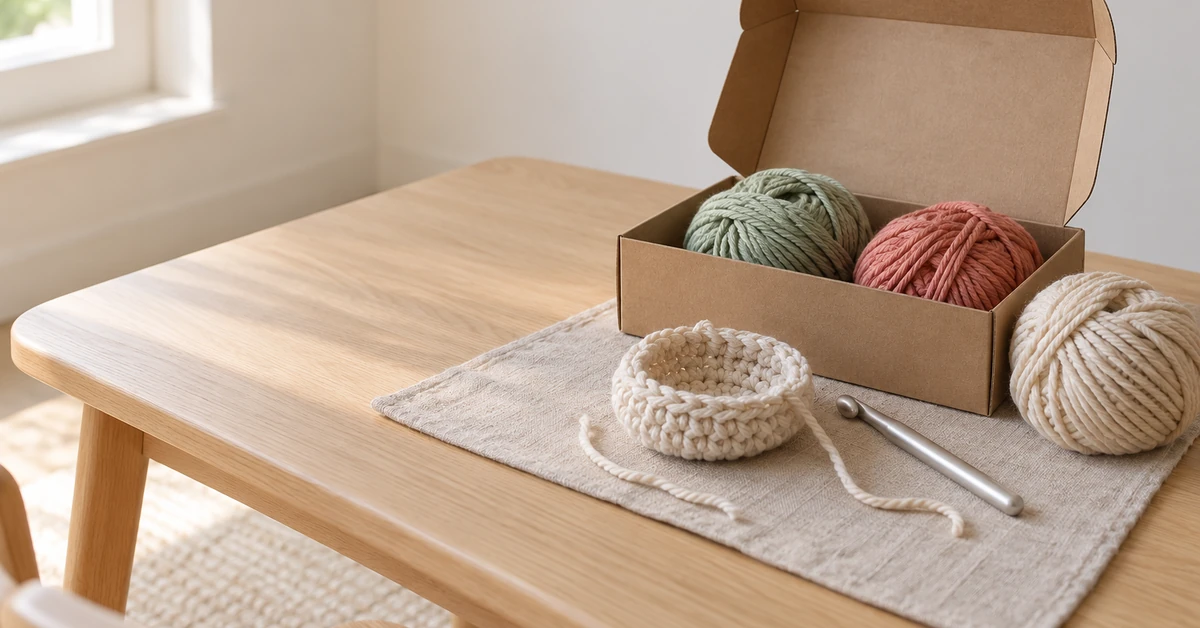
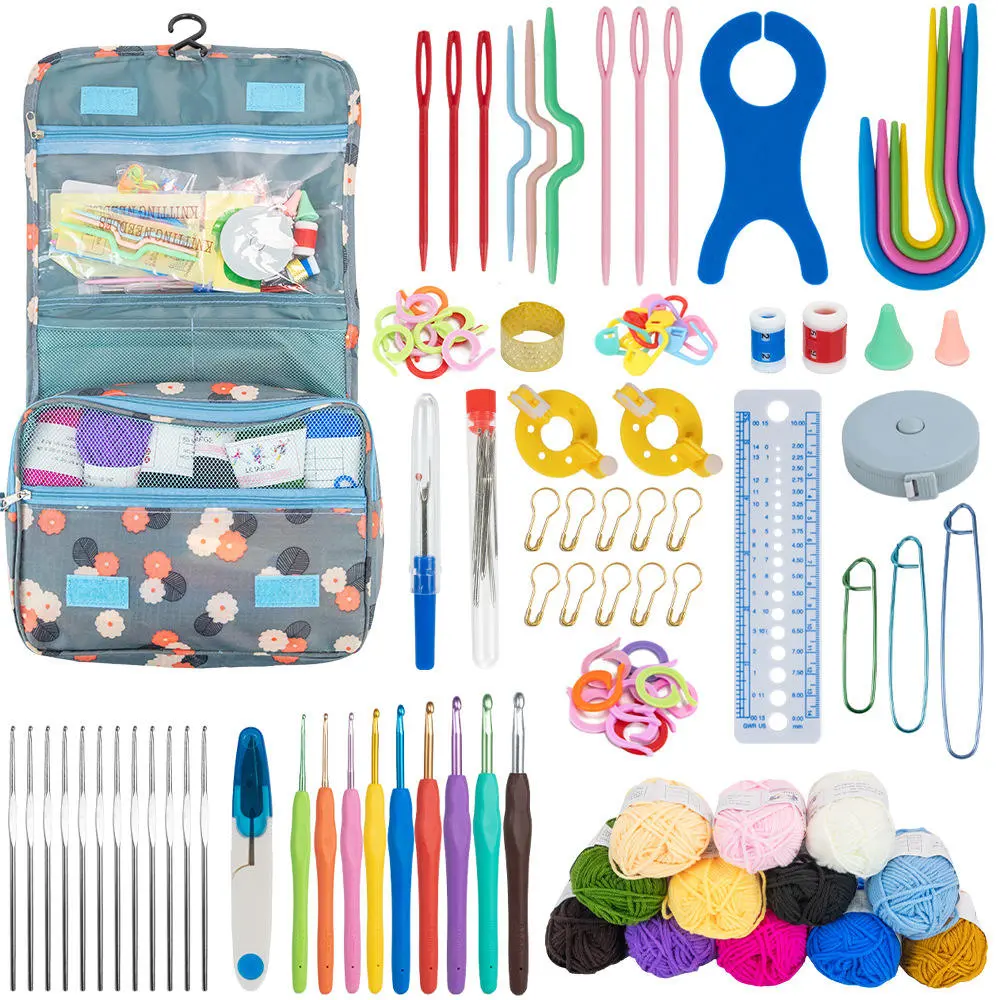
For crochet DIY kits, checks may include yarn color and quantity, hook size, tool function, pattern accuracy, instruction readability, component completeness, package organization, and whether a beginner can complete the advertised result. For finished amigurumi, the buyer may need construction, dimension, accessory-security, filling, appearance, and labeling checks.
Record specifications, defect categories, approved references, sampling level, inspection timing, and the response to nonconforming goods.
11. Confirm destination-market requirements separately
The buyer should identify which product rules apply based on intended use, age positioning, materials, accessories, packaging, claims, and destination market. Requirements for a decorative adult craft kit may differ from those for a children’s toy or a product containing small parts.
Ask who is responsible for testing, which standards and laboratories will be used, whether the tested sample matches production, how material changes are controlled, and what labeling or technical files are required. Obtain specialist advice when classification or regulatory scope is uncertain.
12. Set a monitoring plan after the first order
Supplier approval should have review dates and triggers. Reassess after serious complaints, a factory move, a major capacity increase, a new subcontractor, management change, significant product change, or evidence that corrective actions are not sustained.
Track a compact set of indicators: audit actions overdue, late deliveries, inspection defect rates, missing components, customer complaints, unapproved substitutions, and repeated document gaps. This connects social and operational risk without pretending they are the same thing.
A buyer decision matrix
| Finding | Evidence to request | Typical buyer response |
|---|---|---|
| Correct audited site, minor documented gaps, credible closure evidence | Corrective-action records, dated evidence, responsible owner, monitoring result | Proceed with conditions and a scheduled review |
| Material finding still open but a credible remediation plan exists | Root-cause analysis, milestones, interim controls, follow-up timing | Pause or limit commitment until defined evidence is accepted |
| Production will use an unaudited site or undisclosed subcontractor | Site identity, scope, oversight method, appropriate social-compliance evidence | Do not approve the production route until visibility is restored |
| Serious rights, safety, integrity, or falsification concern | Independent investigation and specialist review | Escalate immediately and stop routine sourcing approval |
This matrix is a starting point, not a universal legal standard. Adapt thresholds to your company policy, product risk, market, customer requirements, and due-diligence obligations.
What to request in the supplier file
- Legal entity, production address, and business-license details.
- Current audit report or member-platform evidence available to your program.
- Audit date, type, grade, scope, and production-site identity.
- Open findings, corrective-action plan, due dates, and closure evidence.
- Subcontractor and off-site process map.
- Production capacity and peak-season plan for the proposed order.
- Product specification, approved sample, and quality-control plan.
- Required test reports, declarations, labels, and market documents.
- Named contacts for compliance, quality, and production follow-up.
Add the list to the same sourcing file used for samples, quotations, and approvals. If you are still defining the project, Onehourcrafts’ guide on how to source craft kits from China explains how the product brief, contents, sampling, MOQ, packaging, quality, and timeline fit together.
Where Onehourcrafts fits
Onehourcrafts supports B2B wholesale and OEM/ODM development across crochet kits, finished crochet products, creative crafts, and sewing products. Its product information covers customization such as packaging, color combinations, instructions, branding inserts, barcodes, sampling, production, and quality control.
That product-development capability does not remove the buyer’s responsibility to define social-compliance, product, and destination-market requirements. A useful enquiry should state the product, quantity, sales market, launch date, required audit or customer-program documentation, testing expectations, packaging direction, and any restricted production locations.
Review Onehourcrafts’ company and manufacturing information, then ask for project-specific evidence during quotation and sampling.
Frequently asked questions
Is amfori BSCI a certification?
No. amfori’s official guidance says BSCI is not a certification. It is a risk-based social-compliance and continuous-improvement system used by amfori members and their suppliers.
Does a good BSCI grade prove product quality?
No. The audit addresses social performance areas. Product quality needs separate specifications, samples, process controls, inspections, and defect criteria.
Can a buyer rely on an audit summary?
A summary may help with initial screening, but approval should consider the exact audited site, full findings available through the appropriate channel, corrective actions, report timing, and the proposed production route.
What if part of the order is subcontracted?
Map the subcontractor, process, location, workforce controls, quality controls, and oversight method. Do not assume the main factory’s audit automatically covers a separate site.
How often should supplier evidence be reviewed?
Use the applicable audit cycle and your own risk triggers. Review sooner after serious findings, site or ownership changes, new subcontracting, rapid capacity growth, major product changes, or repeated quality and documentation problems.
Turn the report into a sourcing decision
A useful BSCI craft factory audit checklist does more than collect a report. It confirms the correct site, examines findings and corrective actions, tests whether purchasing plans create new pressure, maps subcontracting, and then connects the social review to separate product-quality and market-access controls.
The goal is not a perfect folder. It is a defensible decision with clear evidence, known limitations, named owners, and a next review date.
Contact Onehourcrafts with your craft product brief, target quantity, destination market, packaging needs, timeline, and supplier-document requirements to discuss an OEM/ODM sample and sourcing plan.