
A useful crochet kit MOQ guide does not chase the smallest number in isolation. It separates component, print, labor, carton and finished-order constraints so a wholesale buyer can choose a volume that can actually be sold and repeated. Onehourcrafts keeps the resulting evidence in a buyer-readable trail.
Define the order decision behind the MOQ
Volume step: Place define the order decision behind the moq on the MOQ staircase. The buyer needs to know how the buyer decides whether the first order is a market test, a seasonal launch, a retailer reset or a repeat replenishment changes the quantity decision. Ask 'What decision must this volume support?' and write down volume-staircase sheet inputs—forecast range, launch date, channel count and expected reorder timing; otherwise a volume number is only a sales shorthand.
Volume step: Model the next step with a volume scenario sheet. The risk is the MOQ is negotiated without a reason for the quantity, while the trade-off is lower commitment versus enough stock to test the range. Show the assumption beside the quantity so finance, sourcing and the supplier are discussing the same order configuration on the volume-staircase sheet sheet.
Separate finished-order MOQ from component MOQ
Volume step: Place separate finished-order moq from component moq on the MOQ staircase. The buyer needs to know how the buyer learns whether yarn, hooks, labels, cartons or labor creates the real floor changes the quantity decision. Ask 'Which layer prevents a smaller order?' and write down volume-staircase sheet inputs—component quantities, shared parts and setup rules; otherwise a volume number is only a sales shorthand.
Volume step: Model the next step with a layered MOQ table. The risk is one number hides the negotiable constraint, while the trade-off is simple quoting versus useful leverage. Show the assumption beside the quantity so finance, sourcing and the supplier are discussing the same order configuration on the volume-staircase sheet sheet.
Place crochet kit minimum order quantity beside the quantity staircase so the minimum is tied to a real production layer.
Map shared components across SKUs
Volume step: Place map shared components across skus on the MOQ staircase. The buyer needs to know how the buyer checks whether common hooks, needles, inserts or bags can be pooled changes the quantity decision. Ask 'Which parts can be purchased once and allocated across designs?' and write down volume-staircase sheet inputs—shared component codes, color family and pack rules; otherwise a volume number is only a sales shorthand.
Volume step: Model the next step with a family-level demand map. The risk is each SKU is treated as an isolated order, while the trade-off is assortment variety versus purchasing efficiency. Show the assumption beside the quantity so finance, sourcing and the supplier are discussing the same order configuration on the volume-staircase sheet sheet.
Use the GS1 identification guidance when planning SKU and pack identity questions; it does not set a universal MOQ or replace retailer requirements.
- Ask for MOQ by component, print, carton and finished order.
- Request unit pricing at the first three realistic volume bands.
- Show the supplier the forecast range, not only the ideal order.
- Separate a pilot MOQ from the repeat-order MOQ.
Ask what changes at each volume band
Volume step: Place ask what changes at each volume band on the MOQ staircase. The buyer needs to know how the supplier explains the operational difference between pilot, standard and scale quantities changes the quantity decision. Ask 'What process becomes cheaper or more stable at the next band?' and write down volume-staircase sheet inputs—labor setup, print run, material purchase and inspection effort; otherwise a volume number is only a sales shorthand.
Volume step: Model the next step with a three-band comparison quote. The risk is a volume discount is mistaken for a full cost improvement, while the trade-off is price reduction versus cash exposure. Show the assumption beside the quantity so finance, sourcing and the supplier are discussing the same order configuration on the volume-staircase sheet sheet.
Use forecast confidence honestly
Volume step: Place use forecast confidence honestly on the MOQ staircase. The buyer needs to know how the buyer shows what is known, estimated and conditional in the demand plan changes the quantity decision. Ask 'Which quantity is supported by an order or only by hope?' and write down volume-staircase sheet inputs—channel forecast, launch timing, seasonality and reorder signal; otherwise a volume number is only a sales shorthand.
Volume step: Model the next step with low, expected and high cases. The risk is a high forecast creates unsold stock, while the trade-off is supplier leverage versus inventory risk. Show the assumption beside the quantity so finance, sourcing and the supplier are discussing the same order configuration on the volume-staircase sheet sheet.
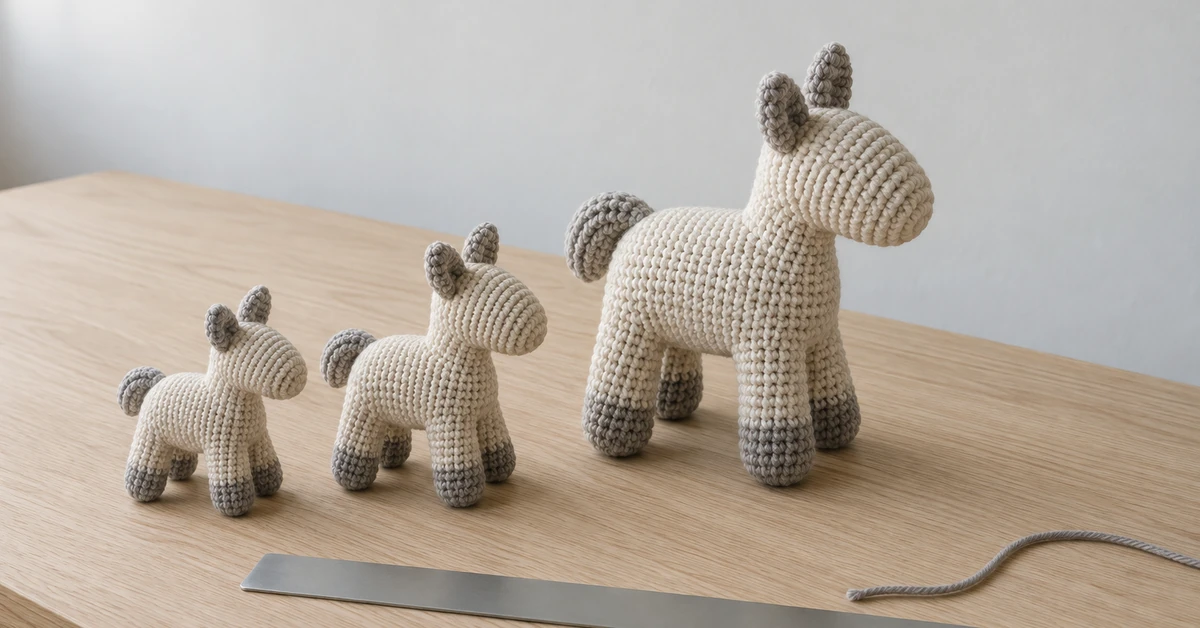
A low MOQ crochet kit supplier scenario should show the trade-off between volume, unit cost and configuration.
Calculate cash tied to the first buy
Volume step: Place calculate cash tied to the first buy on the MOQ staircase. The buyer needs to know how the buyer sees how MOQ affects payment, packaging, freight and storage before revenue arrives changes the quantity decision. Ask 'How much cash is committed before the first reorder signal?' and write down volume-staircase sheet inputs—deposit, balance, components, cartons, freight and handling; otherwise a volume number is only a sales shorthand.
Volume step: Model the next step with a simple cash-exposure table. The risk is a low unit price disguises a large first cash outlay, while the trade-off is unit economics versus liquidity. Show the assumption beside the quantity so finance, sourcing and the supplier are discussing the same order configuration on the volume-staircase sheet sheet.
| Decision point | Evidence to request | Buyer response |
|---|---|---|
| Component MOQ | Yarn, hooks, tools, inserts or bags | Can parts be shared across SKUs? |
| Print MOQ | Labels, sleeves, cartons or instruction runs | Can a neutral pack support a pilot? |
| Labor MOQ | Assembly, kitting and inspection setup | Does small volume change the pack method? |
| Order MOQ | Finished kits released in one purchase order | What volume protects margin and cash? |
Test a pilot configuration
Volume step: Place test a pilot configuration on the MOQ staircase. The buyer needs to know how the team explores whether a neutral or simplified pack can validate demand without creating a dead-end SKU changes the quantity decision. Ask 'What can be simplified without breaking the customer promise?' and write down volume-staircase sheet inputs—shared packaging, limited colors, insert options and manual steps; otherwise a volume number is only a sales shorthand.
Volume step: Model the next step with a pilot configuration note. The risk is the pilot cannot transition to the intended product, while the trade-off is speed to market versus brand completeness. Show the assumption beside the quantity so finance, sourcing and the supplier are discussing the same order configuration on the volume-staircase sheet sheet.
Check packaging runs and leftovers
Volume step: Place check packaging runs and leftovers on the MOQ staircase. The buyer needs to know how the buyer accounts for printed material that remains after a small or changed order changes the quantity decision. Ask 'Who owns obsolete packaging and how is it recorded?' and write down volume-staircase sheet inputs—print quantity, storage, revision and disposal assumptions; otherwise a volume number is only a sales shorthand.
Volume step: Model the next step with a packaging exposure line in the quote. The risk is old packaging enters a new SKU by accident, while the trade-off is lower print cost versus obsolescence. Show the assumption beside the quantity so finance, sourcing and the supplier are discussing the same order configuration on the volume-staircase sheet sheet.
Use bulk crochet kits only after the pack, cash exposure and reorder trigger are visible.
Compare MOQ with landed cost
Volume step: Place compare moq with landed cost on the MOQ staircase. The buyer needs to know how the buyer links volume to carton fill, freight efficiency and destination charges changes the quantity decision. Ask 'Does a larger order reduce delivered cost enough to justify the cash?' and write down volume-staircase sheet inputs—carton cube, shipment quantity, route and delivery assumptions; otherwise a volume number is only a sales shorthand.
Volume step: Model the next step with three landed-cost scenarios. The risk is factory savings disappear in storage or slow sell-through, while the trade-off is freight efficiency versus inventory age. Show the assumption beside the quantity so finance, sourcing and the supplier are discussing the same order configuration on the volume-staircase sheet sheet.
The ICC Incoterms rules overview can frame responsibility questions around freight and delivery, but the buyer still needs a shipment-specific commercial agreement.
- Calculate cash tied up in slow-moving components.
- Check whether a lower MOQ reduces packaging choices or raises manual labor.
- Use a retained sample to compare each reorder against the approved configuration.
- Set a trigger for moving to the next volume band.
Use quality gates at each quantity
Volume step: Place use quality gates at each quantity on the MOQ staircase. The buyer needs to know how the buyer checks whether a pilot and a scale order need different evidence changes the quantity decision. Ask 'What must be rechecked when volume or labor route changes?' and write down volume-staircase sheet inputs—retained sample, component count, pack-out and inspection records; otherwise a volume number is only a sales shorthand.
Volume step: Model the next step with a volume-change quality gate. The risk is small pilot evidence is overgeneralized to scale, while the trade-off is repeatability versus review effort. Show the assumption beside the quantity so finance, sourcing and the supplier are discussing the same order configuration on the volume-staircase sheet sheet.
Negotiate flexibility with a reason
Volume step: Place negotiate flexibility with a reason on the MOQ staircase. The buyer needs to know how the buyer presents a commercial trade rather than simply demanding a smaller number changes the quantity decision. Ask 'What can the supplier gain if the first order is smaller?' and write down volume-staircase sheet inputs—forecast, future volume, shared parts, payment timing or packaging choice; otherwise a volume number is only a sales shorthand.
Volume step: Model the next step with a written give-and-take proposal. The risk is the supplier sees only risk and protects with price, while the trade-off is lower MOQ versus transparent trade-offs. Show the assumption beside the quantity so finance, sourcing and the supplier are discussing the same order configuration on the volume-staircase sheet sheet.
Plan the reorder trigger
Volume step: Place plan the reorder trigger on the MOQ staircase. The buyer needs to know how the buyer defines the evidence that justifies moving to the next volume band changes the quantity decision. Ask 'Which sales or stock signal changes the order decision?' and write down volume-staircase sheet inputs—sell-through, retailer commitment, stock cover and lead time; otherwise a volume number is only a sales shorthand.
Volume step: Model the next step with a reorder trigger note. The risk is a large order is placed before demand is proven, while the trade-off is availability versus cash discipline. Show the assumption beside the quantity so finance, sourcing and the supplier are discussing the same order configuration on the volume-staircase sheet sheet.
Connect the quantity scenario to the China sourcing route, the packaging route guide and the buying-guide index.
Record the MOQ assumptions
Volume step: Place record the moq assumptions on the MOQ staircase. The buyer needs to know how the final quote becomes a decision record instead of a number remembered from a call changes the quantity decision. Ask 'Could another buyer reproduce the quantity calculation?' and write down volume-staircase sheet inputs—component, print, labor, price, route and timing assumptions; otherwise a volume number is only a sales shorthand.
Volume step: Model the next step with a dated MOQ appendix to the purchase file. The risk is later teams compare different assumptions, while the trade-off is fast handoff versus traceability. Show the assumption beside the quantity so finance, sourcing and the supplier are discussing the same order configuration on the volume-staircase sheet sheet.
Close with a configuration gate
Volume step: Place close with a configuration gate on the MOQ staircase. The buyer needs to know how the buyer confirms the exact kit, pack and volume that the supplier is authorized to make changes the quantity decision. Ask 'What would make the agreed MOQ invalid?' and write down volume-staircase sheet inputs—approved BOM, packaging, price band, delivery and change rule; otherwise a volume number is only a sales shorthand.
Volume step: Model the next step with a signed release line. The risk is quantity is approved while the configuration remains open, while the trade-off is commercial momentum versus controlled release. Show the assumption beside the quantity so finance, sourcing and the supplier are discussing the same order configuration on the volume-staircase sheet sheet.
How Onehourcrafts supports the decision trail
Onehourcrafts can help buyers turn a crochet kit MOQ discussion into a scenario sheet that covers component constraints, packaging runs, cash exposure and reorder evidence. A lower number is only better when the resulting configuration remains sellable, packable and repeatable. The working crochet kit MOQ guide should stay attached to that evidence.
The approved crochet kit MOQ guide is a volume staircase, not a single number: each step should show configuration, cash exposure, evidence and the trigger for moving higher.
- Pilot, expected and scale quantities
- Component and print constraints
- Cash exposure and landed-cost case
- Reorder trigger and retained sample
Frequently asked questions
What does MOQ mean for crochet kits?
Volume step:: MOQ is the minimum quantity a supplier will accept under stated commercial and production assumptions. For kits, the constraint may come from components, printing, labor, cartons or the finished order itself.
How can I negotiate a lower crochet kit MOQ?
Volume step:: Show a credible pilot plan, ask which layer creates the constraint, offer shared components or simplified packaging where appropriate, and make the trade-off visible rather than requesting a lower number without context.
Is a low MOQ crochet kit supplier always better?
Volume step:: Not necessarily. A low MOQ may carry higher unit cost, fewer packaging choices, manual assembly or weaker material continuity. Compare the total configuration and risk.
Should MOQ be based on one SKU or a range?
Volume step:: Ask whether compatible components can be pooled across a range. A family-level plan may reduce component constraints while keeping each finished SKU distinct.
What volume bands should a buyer request?
Volume step:: Request at least pilot, expected and scale scenarios that use the same specification. Add any volume where print, labor or carton economics materially change.
How does packaging affect MOQ?
Volume step:: Printed sleeves, cartons, labels and inserts often have their own runs. Ask for print quantity, leftover treatment, storage and revision assumptions separately from finished-kit quantity.
Can a buyer use a neutral package for a pilot?
Volume step:: Sometimes. Confirm that the neutral pack still communicates the product, protects components and can transition to the intended branded format without changing the core user experience.
How should MOQ appear in a quotation?
Volume step:: Show the quantity, unit price, component assumptions, tooling or setup, packaging run, payment terms and delivery assumptions. Avoid one blended number with no scope.
When should the MOQ be reviewed again?
Volume step:: Review it when the BOM, artwork, component color, forecast, packing method, route or supplier process changes. A new SKU version can change the constraint.
What is the best first-order MOQ decision?
Volume step:: Choose the smallest configuration that can produce valid market and quality evidence while protecting the buyer from avoidable leftover stock and an unrepeatable pilot.