
A custom needle felting kit supplier should lock the fiber color recipe before volume production, because shade, quantity, needle role and project instructions operate as one system. Onehourcrafts recommends a controlled recipe with physical color masters, measured allowances, component codes and written substitution approval. This keeps a recognizable character or motif from drifting across samples, cartons and reorders.
Start with the finished object, not a color card
Photograph an approved finished model under controlled lighting and label every visible color region. A loose fiber swatch can look different after fibers are layered, compacted and blended. The finished object is therefore the visual target, while the loose swatches are production controls. Keep both, along with the exact needles and instructions used to make the model.
- Assign a code to every visible and hidden fiber color.
- Mark where blends, underlayers and surface details appear.
- Record the approved finished dimensions and weight.
- Seal a reference model away from sunlight and handling.
Give each color a physical identity
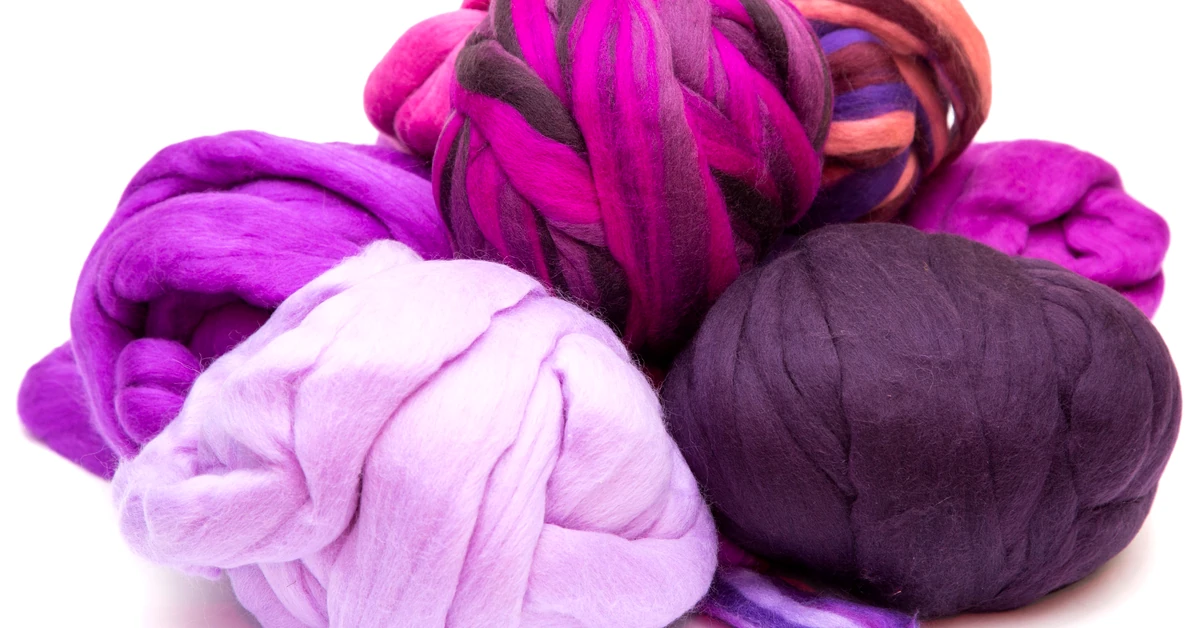
Names such as “warm gray” or “fox orange” are useful for communication but insufficient for production. Attach a fiber sample to the specification, add a supplier material code, and use instrumental color values when the process supports them. Because wool and other fibers have texture and direction, readings and screen previews do not replace side-by-side visual approval under agreed lighting.
Record fiber character beside shade
Two fibers can match in color and behave differently. Document composition, preparation, average fiber length, crimp, cleanliness and the intended felting role. A coarser core fiber can build volume quickly while a finer surface fiber can create detail. A substitution that preserves shade but changes felting speed may make the instructions and quantities inaccurate.
| Recipe field | What it controls | Evidence |
|---|---|---|
| Fiber code | Identity and purchase route | Labeled retained swatch |
| Composition | Handling and market information | Supplier record and verification |
| Preparation | Drafting and felting behavior | Approved material description |
| Shade limit | Visual consistency | Master plus accepted boundary samples |
Weigh the project, then add a visible allowance
Measure the fibers used by several makers following the intended instructions. Add an allowance based on observed variation, trimming and unavoidable handling loss. Do not hide an important accent inside a combined total; state each color quantity. Small detail colors often generate the most complaints because a tiny shortage can prevent the final face or marking from being completed.
- Pre-weigh every color before the making trial.
- Collect and weigh usable leftovers separately from waste.
- Compare novice and experienced consumption.
- Set the pack target and lower acceptance limit by color.
Treat blends as formulas
If two colors are mixed, specify the ratio, method and stage. “Blend some brown and white” will produce inconsistent results. Show measured portions and step photographs, or preblend the fiber under a controlled process. Define whether slight marbling is intentional. A finished blend chip should remain with the loose components to resolve later disagreements.
Connect needle roles to the recipe
Needle gauge and shape influence speed, surface finish and breakage risk. The recipe should indicate which needle forms the core and which refines details. If needles are color coded, the instruction and component legend must use the same colors. The beginner felting kit test offers a complementary way to observe how first-time users handle the supplied tools.
Make the instruction consume the approved amounts
Every step should correspond to a recipe portion. Use “half of packet A for the body” or a visual division guide where household scales are unrealistic. Make clear which fiber must be reserved for later details. Then conduct blind trials using sealed production-intent packets rather than generous studio supplies.
- Label packets with codes used in the booklet.
- Show a reserve cue before large forms are built.
- Photograph scale and firmness at key checkpoints.
- Record leftovers and shortages after each trial.
How a custom needle felting kit supplier locks change
The approved bill of materials should include a revision number, effective date and linked sample. A proposed shade, origin, preparation or packet-quantity change needs written review before it enters an order. Ask the supplier to state whether the original fiber remains available and to provide a side-by-side making trial when replacement is unavoidable.
The ISO quality management principles support evidence-based decisions and process control. They are a management reference rather than proof that a specific kit is compliant, safe or fit for every market.
Approve boundary samples, not only one perfect shade
Natural fiber lots can vary. If the product permits a range, approve light and dark boundary samples that still produce an acceptable object. This gives inspectors a realistic decision tool. For critical branded colors, tighter control or blended stock may be necessary. State which decision belongs to instrumental measurement and which requires visual assessment.
| Change | Review level | Minimum evidence |
|---|---|---|
| Lot within approved shade range | Routine receiving check | Boundary comparison and lot record |
| New dye recipe or mill | Buyer approval | Swatch, behavior trial and object comparison |
| Different fiber preparation | Full functional review | Timed making trial and quantity validation |
| Packet quantity adjustment | Instruction impact review | Consumption data and revised BOM |
Keep colors separated through packing
Adjacent loose fibers can migrate and make small packets difficult to identify. Select bags, bands or compartments that survive transit and are easy to reopen during crafting. Check static, compression and transfer under warm conditions. Component codes should remain visible after the outer pack is opened.
Scale beginner felting kits wholesale carefully
Beginner felting kits wholesale programs need extra allowance for learning behavior, stronger needle custody and clearer recovery guidance. Do not assume a novice will interpret a studio photograph correctly. Observe several first projects and note when users overcompact a core, consume detail colors early or choose the wrong needle.
The felting product collection can help buyers separate project kits from tool and material extensions. Use the range architecture to prevent beginners from confusing refill packs with complete kits.
Control private label felting kits at artwork handoff
Private label felting kits connect the recipe to brand artwork. The color names on the box, booklet, packet labels and wholesale records must map to the same codes. Lock photography only after the production recipe is approved; otherwise the pack may promise colors the final kit cannot reproduce.
- Issue one controlled copy deck for all printed pieces.
- Cross-check color codes in artwork against the BOM.
- Build a sealed unit from production-intent components.
- Approve barcode, case label and consumer pack together.
Compare needle felting supplies wholesale beyond price
Needle felting supplies wholesale quotes should state fiber specification, lot policy, packet tolerance, needle count and type, foam or brush specifications, instruction format and packing method. Request the cost of overages, rework and retained material where custom shades are involved. The lowest fiber price is not a saving if makers run out of one critical accent or receive a noticeably different reorder.
Review labeling and market responsibilities
Fiber composition, warnings, age grading and responsible-party information depend on product design and destination. The U.S. Consumer Product Safety Commission business education resources offer a starting point for firms selling into the United States. They do not replace product-specific analysis, testing or advice for other markets.
Measure recipe success after launch
Track shortages by color code, needle breakage, confusing steps, shade complaints and replacement requests. Ask customer service to preserve photos and lot information. Review returns against the recipe revision so recurring issues can be separated from one-off technique differences. A needle felting supplies residue trail can add a practical route for tracing material observations back to a lot.
How Onehourcrafts releases and protects the recipe
A release package should contain the approved model, fiber masters and boundaries, BOM, weight limits, tool roles, instruction files, pack standard and change log. Onehourcrafts can organize that package for sampling and repeat orders. The right custom needle felting kit supplier will treat color and behavior as controlled product data, not as a last-minute visual choice.
Frequently asked questions
Why are screen colors insufficient for fiber approval?
Screens vary, and fiber reflects light through texture and direction. Use physical retained swatches and finished-object comparisons under agreed lighting, with digital values as supporting data.
How much extra fiber should a kit include?
Set the allowance from measured trials across different users and by color. There is no universal percentage because project form, fiber type, instruction and maker behavior all affect consumption.
Should core and surface fibers be different?
They can be when the project benefits from fast volume building and a finer finish. If they differ, identify their roles clearly and test that beginners can distinguish them.
What is a color boundary sample?
It is an approved light or dark limit representing the edge of acceptable variation. Production material should fall within the agreed range and still produce an acceptable finished object.
How should tiny accent colors be packed?
Pack them separately, label them clearly and set a specific quantity limit. Keep them from migrating into larger fiber bundles and show when they must be reserved.
When must a substitution be retested?
Retest when composition, preparation, shade, fiber length, supplier, needle or quantity changes in a way that can affect making behavior, appearance or instructions.
How can buyers verify packet weight?
Use calibrated scales suited to the small quantities, a defined sampling plan and controls for tare. Record results by color and lot rather than only weighing the complete kit.
What should the retained master package contain?
Keep the signed model, loose fiber swatches, boundary samples, component codes, needles, printed instructions, approved pack and revision record in protected storage.
Can natural shade variation be eliminated?
Not always. Buyers can define acceptable limits, blend lots or choose tighter production routes. Claims and imagery should reflect the controlled range rather than an impossible absolute.
What data is useful after launch?
Capture lot and revision, shortage color, shade concern, tool issue, failed step, user experience and photos. Structured data makes corrective action more reliable than general reviews alone.