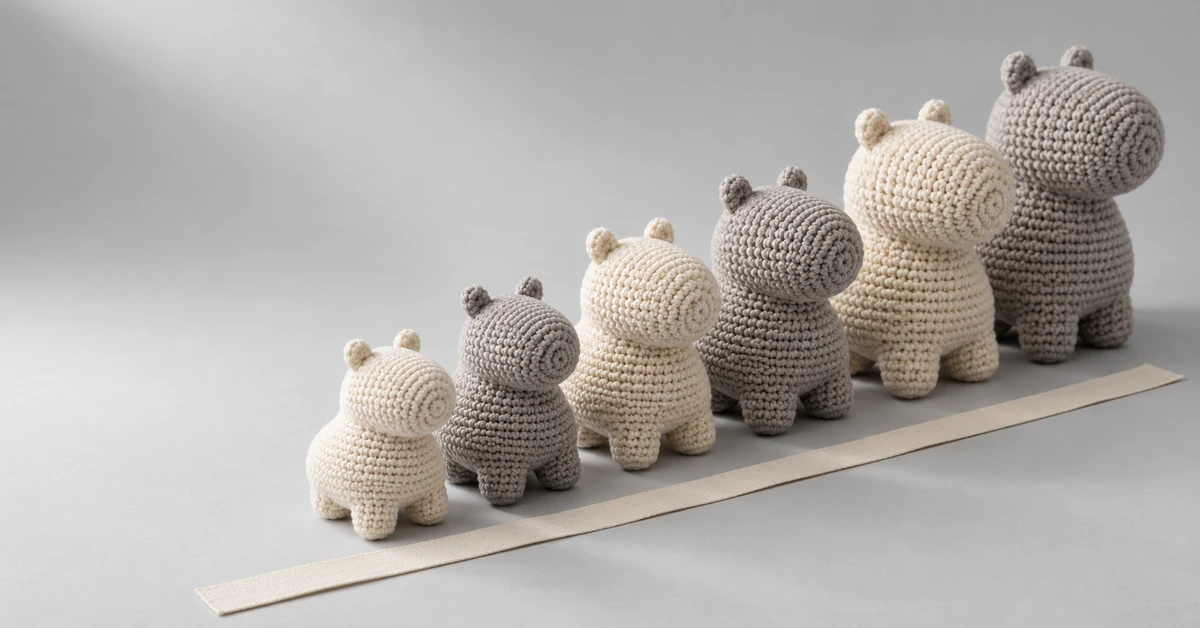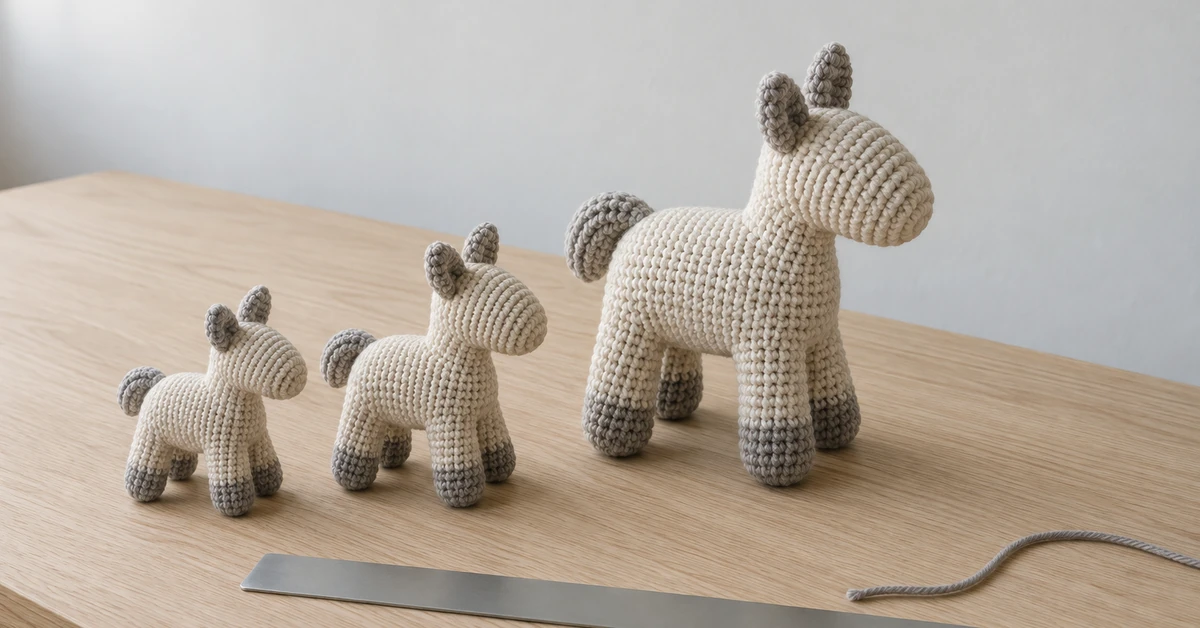

Needle felting supplies wholesale can be evaluated by reading what remains after a realistic making session: loose fiber, snapped or bent needles, foam impressions, mixed colors, stray fragments and unusable leftovers. Onehourcrafts recommends treating this residue as evidence rather than tidying it away before review. The trail shows how components behave together and where a specification may create waste, friction or risk.
Photograph the clean field first
Prepare a defined work area and photograph every supplied component before use. Record fiber weight or count, needle types, work-surface dimensions, finger protection, instructions and packaging. A clean-field image creates the baseline needed to distinguish supplied debris from material released during use.
Use a light and dark background if the assortment contains both pale and dark fibers. Fine residue can disappear visually on a similar surface. The goal is not laboratory-level measurement unless required; it is a repeatable buyer comparison under stated conditions.
Divide the table into evidence zones
Mark zones for unused supply, active work, retired or damaged tools, sweepings and completed sample. Ask testers to place fragments rather than discard them. At the end of each stage, photograph the zones and record what changed. This preserves the sequence behind the residue.
| Evidence zone | What belongs there | Question answered |
|---|---|---|
| Unused supply | Untouched fiber and tools | What remained available? |
| Active work | Current project and working fiber | Where did handling become difficult? |
| Retired tools | Bent, blunt or broken pieces | When and why did performance change? |
| Sweepings | Loose fiber and fragments | What escaped the intended process? |
Give the residue a timestamp
Pause after fiber separation, core forming, detail work and finishing. Capture the residue before cleaning. A final pile alone cannot show whether dust came from aggressive initial separation, repeated correction or low-control finishing. Timestamps connect an observation to a task and tool.
- Record the starting condition and component identity.
- Pause at the same project milestones for each sample.
- Collect loose material without mixing evidence zones.
- Note the action immediately before a tool changed or failed.
- Compare the finished sample with unused and discarded material.
Needle felting supplies wholesale leave a fiber signature
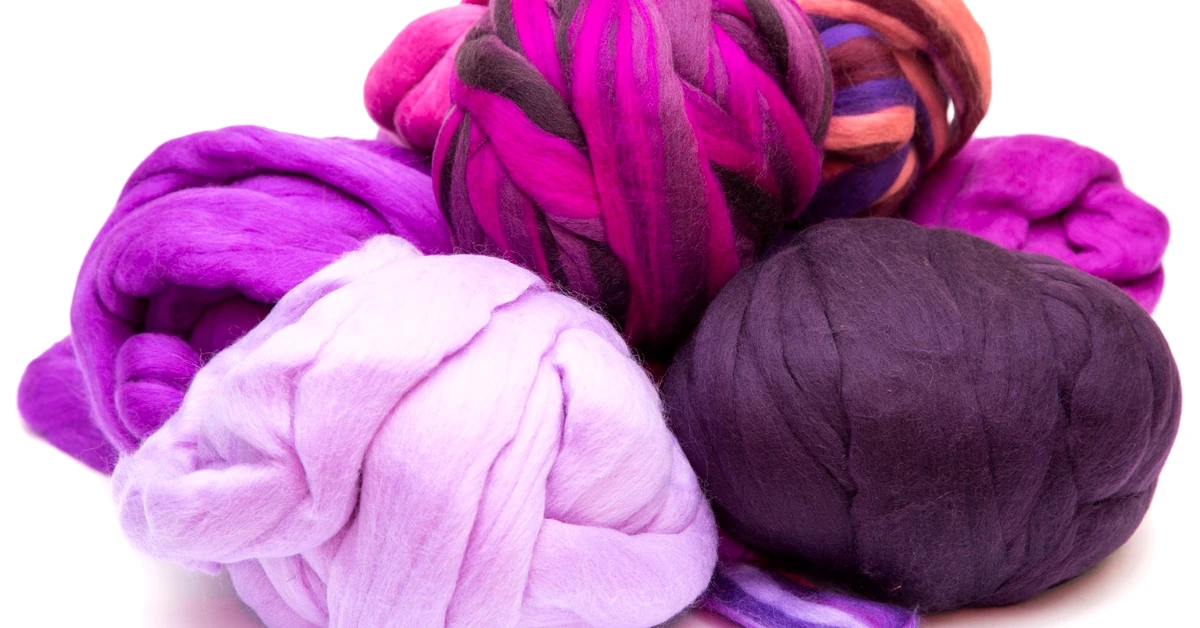
Observe how easily wool separates, whether short flyaway fibers dominate, how colors blend and whether unwanted inclusions appear. The appropriate behavior depends on fiber type, preparation and project. A very smooth fiber is not automatically superior, and visible flyaway does not by itself prove a defect. Compare performance against the intended technique and approved sample.
Record color transfer between zones and packaging. Pale fiber can reveal dark contamination; saturated fiber can reveal dye or loose particulate on hands and surfaces. Any concern should be assessed with suitable technical and market expertise.
Reconstruct every needle event
When a needle bends, blunts or breaks, stop and record its type, insertion angle, work depth, surface location and tester action. Do not attribute every event to needle quality. Side loading, an unsuitable work surface, dense internal material or user technique can produce similar outcomes.
The needle felting needle custody guide provides a method for counting sharp tools through use and disposal. Residue analysis adds context by linking the count to the physical event.
Read the work surface as a pressure map
Inspect foam, brush or pad impressions after each stage. Deep local channels can indicate concentrated technique, insufficient rotation or a surface that no longer supports the needle path consistently. Check whether fragments detach, cling to the wool or make needle recovery difficult.
Measure useful working area rather than external dimensions alone. A cover, edge taper or unstable base can shrink the area available for normal hand placement. Test the surface on the kind of table a customer is likely to use.
Separate productive loss from avoidable waste
Some small fiber loss is inherent to handling and shaping. Avoidable waste includes tangled portions that cannot be separated, surplus colors provided without purpose, contaminated fiber, repeated discarded details caused by unclear instructions or packaging that traps usable material. Name the mechanism before setting an improvement target.
| Leftover type | Possible meaning | Next check |
|---|---|---|
| Even small color remnants | Deliberate margin | Repeat with other testers |
| Large unused main color | Overfill or instruction mismatch | Compare actual consumption |
| Tangled compact clump | Handling or preparation problem | Observe separation step |
| Mixed-color sweepings | Poor zone control or flyaway | Review layout and fiber behavior |
Make adult positioning evidence-based
Felting kits for adults may use finer needles, longer sessions, complex forms or subtle color work, but adult labeling does not remove the need for clear sharp-tool information. State the intended user and skill assumptions. Provide storage, handling and disposal guidance appropriate to the exact components and market.
The U.S. Consumer Product Safety Commission offers general business education resources. Product classification and obligations depend on design, claims, users and destination, so buyers should obtain qualified advice.
Ask whether the pack can contain the session
Open packaging becomes part of the workspace. Test whether unused needles remain identifiable, colors stay separated and partly used fiber can return without compression or mixing. If the retail pack cannot support storage, state whether a separate container is expected instead of assuming the user will invent one.
For retail ready felting kits, the exterior must also retain its product identity after handling. The craft kit unboxing test checklist can help connect first opening with repeat-session storage.
Use residue to compare substitutions
When a fiber, needle or work surface changes, run the same project stage under the same observation plan. Compare residue, tool events, completion time, appearance and tester behavior. A substitute that looks identical in the sealed pack may change correction rate or material loss.
- Keep the pattern and tester instructions constant.
- Identify the substituted component by lot.
- Compare the trail at matching milestones.
- Require approval before production use.
Connect small orders to full controls
A low MOQ felting kit supplier may offer a useful range trial, but reduced quantity does not make sharp-tool custody, fiber identity or instruction accuracy optional. Ask which components use shared inventory, what surplus remains and whether small batches introduce more manual sorting.
Use the craft kit batch traceability checklist to connect the observed trail to fiber, needle and packing lots. Without identity, an improvement cannot be confirmed on the next production batch.
Turn the sweepings into a review record
Do not retain loose sharps or unstable residue casually. Photograph the evidence, record measured or categorized observations, count needles and dispose of material through an appropriate controlled route. The review record should state project, tester, duration, components, milestones, deviations, conclusions and the person responsible for each follow-up action.
ISO describes general quality management principles that support evidence-based process improvement. A residue review remains product-specific and does not establish compliance by itself.
What Onehourcrafts needs for a residue trial
Onehourcrafts can plan a useful trial when the inquiry includes project design, user level, fiber specification, colors, needle types, work surface, protection, packaging, destination markets and quantity. State any known complaints or comparisons so the observation plan focuses on the right events.
- Approved project and finished reference
- Fiber, needle and work-surface specifications
- Intended user and session assumptions
- Safety, label and market requirements
- Known substitution or waste questions
Frequently asked questions
Is all loose fiber a defect?
No. Some loss may be normal for the material and technique. Compare it under repeatable conditions against intended performance.
Why record when a needle bends?
The preceding action helps distinguish tool, surface, project and technique factors instead of guessing from the damaged needle alone.
Should sweepings be weighed?
Weight can help when the quantity is measurable and the method is consistent, but categorized photographs may be more practical for small trials.
Can different testers be compared?
Yes, if the task, instructions and milestones are controlled. Differences may reveal usability sensitivity rather than simple tester error.
What does foam damage indicate?
It may reflect normal wear, concentrated work, unsuitable density or technique. Record location and stage before concluding.
How should broken needles be handled?
Stop work, account for fragments and follow an appropriate sharp-item control and disposal procedure.
Does more leftover wool mean better value?
Not automatically. It may indicate useful margin, overfill or a mismatch between instruction and actual consumption.
Can residue testing replace material specifications?
No. It complements identity and performance specifications by showing how the combined system behaves in use.
When should a substitution trial be repeated?
Repeat it whenever the changed component could affect handling, safety, appearance, consumption or the finished result.
What should the supplier receive after review?
Provide identified photos, event records, measurements, acceptance decisions and the exact component lots involved.
Do not sweep away the learning
The value of needle felting supplies wholesale is visible not only in the finished figure but in the path used to make it. Fiber traces, surface marks, tool events and leftovers show where the system supported the maker and where it demanded correction. Capture that evidence before cleanup, then translate it into specifications and change decisions that can be verified on the next lot.