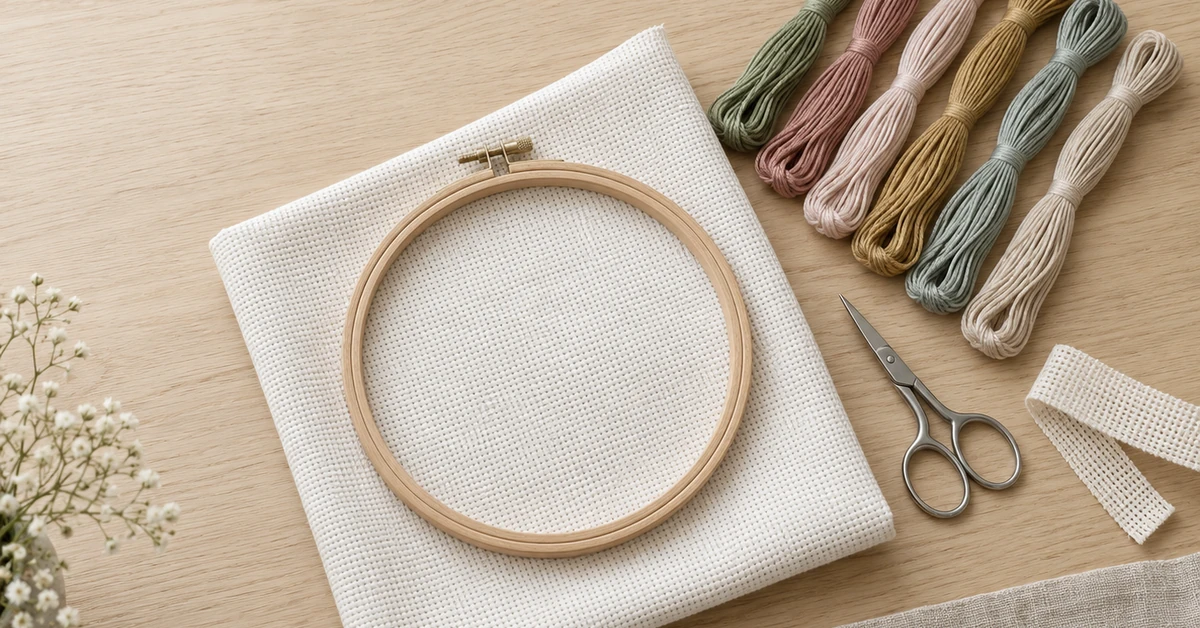

An embroidery hoop kit wholesale range works better when every item has a defined retail job. The same circular tool can hold a beginner's first project, frame a finished design or become reusable equipment, but those promises require different components, instructions, packaging and price logic.
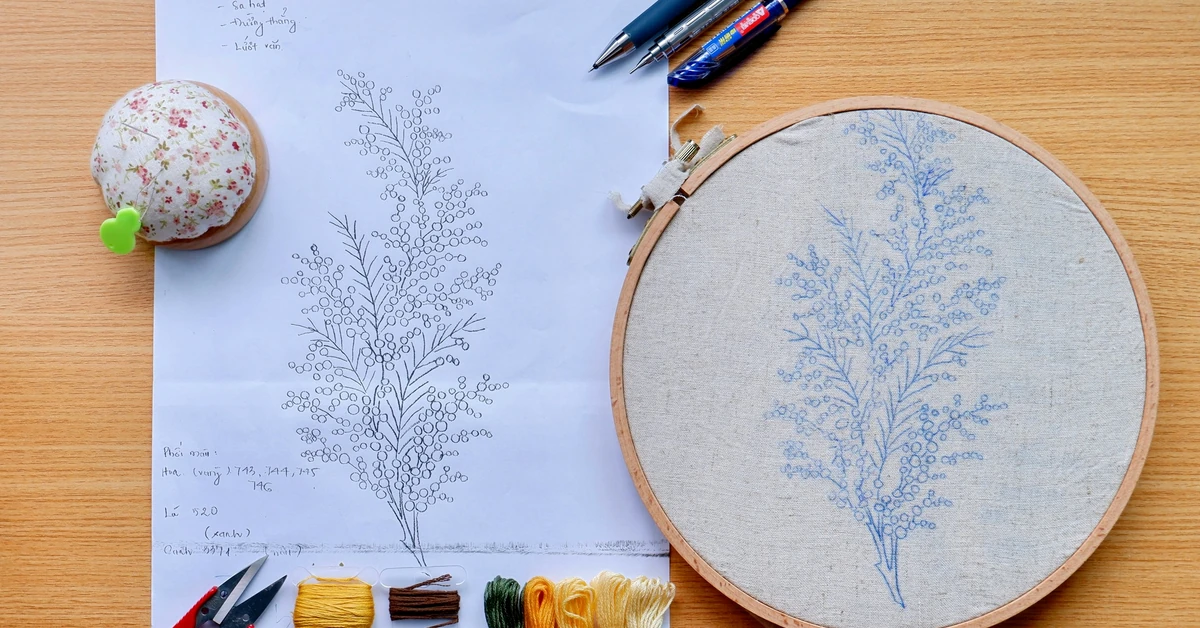
Give the hoop a retail job before a diameter
Start with the customer outcome, then select hoop size and materials. “Six-inch hoop” describes an object; “weekend starter project” describes why it belongs on a shelf. A clear job helps the buyer reject unnecessary pieces and notice missing ones. It also separates products that would otherwise look interchangeable in a line review.
Use three jobs as the initial architecture: make a first project, finish and display a keepsake, or build a reusable tool set. A retailer may stock one, two or all three, but each needs an independent reason to exist.
Job one: complete a first project
The starter offer should reduce decisions without concealing the learning involved. Match a manageable design area to fabric count, thread lengths and an instruction sequence that explains hoop loading before stitching. Include a needle-storage method and a clear inventory. Avoid filling the box with extra colors that make the project look generous but increase sorting and shortage risk.
- One project-sized hoop with smooth, functional hardware
- Marked or counted fabric appropriate to the teaching method
- Pre-sorted thread with identification that survives handling
- Needle and a safe, visible storage position
- Instructions aligned with every material in the pack
For stitch density decisions, the cross-stitch fabric count guide provides a useful sizing reference, even when the final product uses surface embroidery rather than counted cross stitch.
Job two: finish and display the piece
A display-led kit treats the hoop as part of the finished object. The outer surface, screw color, closure appearance and fabric margin become visible product features. Instructions need a finishing path: center the design, tension the fabric, trim or secure the excess, and protect the reverse as appropriate. The buyer should examine how the finished piece hangs and whether the hardware rotates out of position.
Photography must show the actual display scale. A close crop can make a small project appear larger than it is. State the hoop diameter and finished design dimensions separately.
Job three: return the hoop to the tool drawer
A reusable-tool set can justify multiple sizes, stronger hardware and durable storage. It may not need thread or a fixed design. Instead, it needs nesting logic, clear diameter marks and enough grip to hold common fabrics without excessive tightening. An embroidery tools supplier should explain the ring material, adjustment hardware and available size tolerances.
| Retail job | Customer promise | Main range risk |
|---|---|---|
| First project | Everything needed for one guided make | Instruction-component mismatch |
| Display piece | Make and frame in the same hoop | Finish looks rough or scale misleads |
| Reusable tools | Use the hoops across future projects | Weak hardware or redundant sizes |
Build a range with deliberate distance
Place proposed products on a simple matrix using project time, skill demand, hoop diameter, included materials and price. If two items occupy the same space, change one job or remove one SKU. Variety should come from meaningful outcomes rather than five near-identical floral designs.
- Choose one accessible entry project with a clear finished result.
- Add one step-up item with a visible reason for the higher price.
- Decide whether reusable hoops belong beside projects or in tools.
- Assign replacement or replenishment items only where demand is credible.
- Test shelf communication without relying on staff explanation.
Make hoop mechanics part of approval
Measure inner and outer ring dimensions, roundness and mating fit on several samples. Operate the screw through its usable range. Look for rough edges, splinters, cracked plastic, plating defects, sharp burrs and a ring that springs open under tension. Load the intended fabric, tighten to the instruction level, and inspect again after a timed hold.
A larger hoop may magnify flex and tension differences. Do not approve a family from one middle size. Sample the smallest and largest proposed diameters plus the hero retail size.
Match fabric margin to the whole workflow
The fabric must be large enough for loading, stitching, repositioning where permitted and finishing. Calculate margin from the design boundary, not just from the hoop diameter. Printed or marked designs should be centered within an agreed tolerance, and removable marks should be tested using the stated method. Natural fabric variation should be described rather than hidden behind a single studio sample.
| Check | Starter project | Display piece | Reusable tool |
|---|---|---|---|
| Fabric included | Yes, project matched | Yes, finishing margin checked | Usually no |
| Centering | Supports learning | Controls final appearance | Not applicable |
| Long hold test | Prevents mid-project slip | Checks display tension | Tests repeat use |
Audit every thread position
When thread is included, reconcile the color key, physical organizer, instruction symbols and bill of materials. Test whether labels remain readable after the organizer is removed and returned. Measure usable length by color on development samples, then set an allowance based on stitch design and realistic learner waste. The safest response to shortages is a controlled allowance plus replacement support, not an arbitrary excess that conceals poor calculation.
Stage the opening in the intended order
The first visible layer should confirm the project and protect sharp components. Ask a new user to open the pack without coaching, identify the start point and return loose items to storage. Record where pieces scatter, snag or become hidden. The craft kit return reduction checklist can help connect opening friction to preventable returns.
- Finished-project image matches the supplied colors and scale
- Needle is visible but secured against accidental release
- Thread organizer can be removed without tangling
- Instructions appear before irreversible steps
- Hoop and fabric return to the box without crushing
Position age and safety with evidence
A needle and small components require deliberate age positioning, warnings and market review. Do not convert an adult craft design into a children's product merely by using playful graphics. In the United States, the CPSC children's products guidance explains how intended use and marketing affect classification. The CPSC also publishes an Art and Craft Safety Guide covering common material and tool hazards.
Requirements depend on the destination, age grading, materials and claims. Obtain market-specific compliance advice and testing plans; a generic supplier statement does not automatically establish conformity. For a product intentionally developed for younger users, compare the project brief with our embroidery kits for kids wholesale guide before approving tools, instructions and presentation.
Decide what private label really changes
Private label embroidery kits involve more than replacing a logo. Brand choices affect artwork ownership, color naming, instruction tone, language versions, barcode allocation, warning placement and replacement support. Lock these elements in a packaging approval file. Keep editable artwork under version control and link each version to the exact bill of materials.
Plan replenishment by component logic
Project kits usually replenish as complete units; reusable tools may support single-size replacement. Decide whether loose hoops, needle packs or thread refills belong in the range only after reviewing likely demand and shelf complexity. An embroidery kits wholesale program with too many dependent refills can strand inventory when the hero project rotates out.
| Item type | Reorder signal | Exit consideration |
|---|---|---|
| Starter kit | Sell-through by theme and price | Seasonal design retirement |
| Display kit | Gift periods and design trend | Artwork lifecycle |
| Tool set | Stable utility demand | Size duplication |
| Single hoop | Replacement demand | Minimum order depth |
How Onehourcrafts can brief the three jobs
For an embroidery hoop kit wholesale inquiry, Onehourcrafts can separate starter, display and reusable-tool requirements before sample development. Buyers can provide target retail job, skill level, design size, hoop format, material preferences, market, packaging and inspection needs. That brief allows samples to be judged against an outcome rather than against one attractive photograph.
Frequently asked questions
What is the best hoop size for beginners?
There is no universal size. Match the diameter to the design area, fabric handling, stitch method and expected session length.
Should the project stay in the hoop?
Only when the product is designed and instructed as a display piece. Reusable-tool offers need a removal and storage path.
Are wooden hoops always better than plastic?
No. Material, finish, ring fit, hardware and intended job matter more than a broad material label.
How much extra thread should a kit include?
Set allowances from the design calculation and learner trials, then verify usable length and color placement in production.
Can one hoop sample approve every size?
No. Test size extremes because flex, roundness, hardware and fabric hold can change across the family.
What should be on the retail front?
Show the actual finished outcome, product type and essential scale information without obscuring the design.
How should needles be packed?
They should be secured, visible to the opener where appropriate and supported by market-relevant warnings and instructions.
Do starter kits need every embroidery tool?
No. Include what the defined project needs and explain any ordinary household item the customer must provide.
When does a refill make sense?
When customers are likely to reuse the tool, the component has repeat demand and minimum quantities fit the channel.
What belongs in a buyer inquiry?
State the retail job, design scope, size, components, age position, market, packaging, quantity and required evidence.
Let every ring earn its shelf space
A coherent embroidery hoop kit wholesale collection does not need repetitive themes or tiny feature changes. Assign each SKU one customer outcome, test every component against that outcome and preserve visible distance between price points. The ring may be shared, but the retail promise should never be vague.