
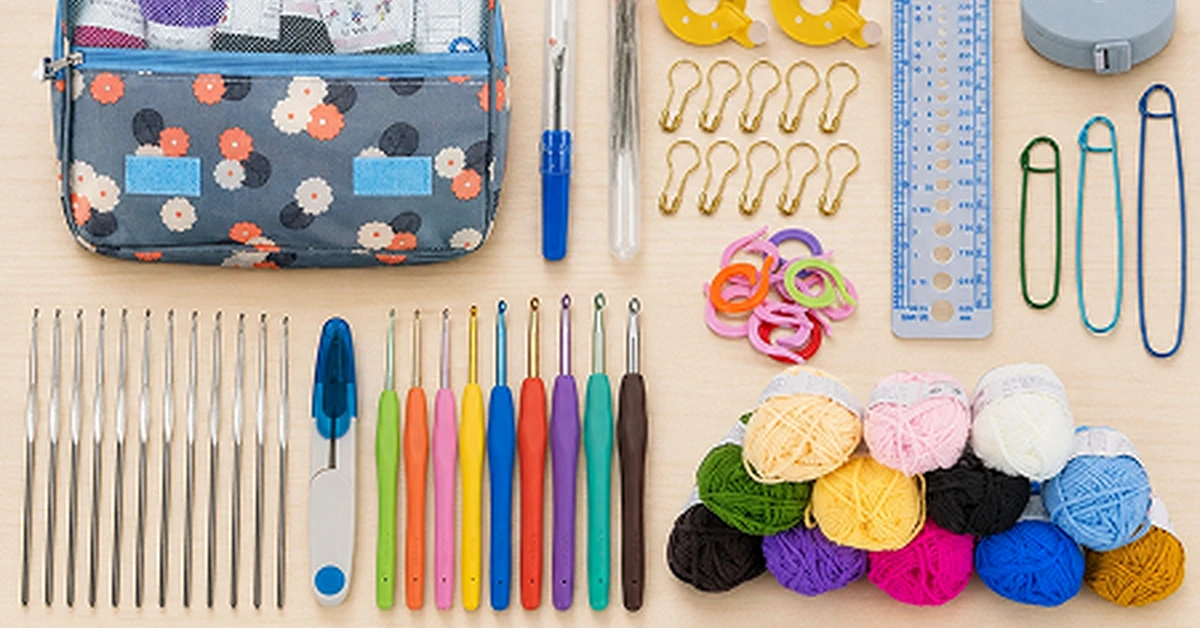
Ergonomic crochet hooks wholesale samples are best compared in a coded use trial, because a comfortable-looking handle may behave differently once users change yarn, stitch rhythm and grip. A buyer needs repeatable tasks, several hand profiles and component checks before turning one tester's favorite into a full retail assortment.
Set up the blind grip trial
Remove brand names, retail prices and color stories from the first round. Label samples A, B and C, then record dimensions separately so testers respond to the tool rather than the marketing. Include at least two hook sizes used with different yarn weights. Keep the hook head and shaft material comparable where possible; otherwise, note that material differences may affect drag as well as grip comfort.
Use a short orientation, then let each tester complete the same tasks. The purpose is comparative selection, not a medical or injury-prevention claim. The NIOSH hand-tool ergonomics guide provides useful principles about posture, grip and tool selection, but a retail trial cannot establish a health outcome.
Meet the three coded profiles
| Code | Handle concept | Question under test |
|---|---|---|
| A | Soft oval grip with thumb flats | Does indexing help without forcing one grip? |
| B | Firm rounded grip with a gradual taper | Can users reposition easily? |
| C | Hybrid grip with a wider center | Does extra diameter improve control or feel bulky? |
Do not assume one profile must win every segment. A starter set may favor clear indexing and size marks; an experienced-user range may favor smooth repositioning. The eventual crochet hooks wholesale assortment can include distinct families if their role is obvious and inventory remains manageable.
Run one script across every sample
- Make a foundation chain for two minutes at a natural pace.
- Work a compact swatch using one simple stitch for five minutes.
- Complete a row requiring repeated yarn-over and pull-through motions.
- Pause, switch to a second yarn and repeat the shorter sequence.
- Rate the tool before seeing its measurements, brand or price.
Use the same hook size, yarn lot, task instructions and timer within each comparison. Rotate sample order to reduce first-tool and fatigue effects. If testers are new to crochet, give them practice time that is excluded from scoring.
Recruit for grip diversity
A single expert can detect machining flaws but cannot represent the market. Include pencil-grip and knife-grip users, newer and experienced crocheters, different hand sizes and both left- and right-handed testers where relevant. Record the group, not personal health details. Small panels are directional, so describe results as a use trial rather than universal proof.
- Primary grip style and dominant hand
- Typical session length and experience band
- Approximate hand-size band using a consistent method
- Yarn and hook sizes commonly used
- Any sample the tester could not use as instructed
Score behavior, not adjectives
“Nice” is difficult to act on. Ask for ratings tied to observable use: ease of finding the thumb position, security during pull-through, ability to rotate the hook, visibility of size marks, drag at the handle transition and perceived effort after the timed task. Add one forced choice for the sample the tester would select for another ten minutes.
| Measure | Scale | Follow-up prompt |
|---|---|---|
| Grip stability | 1–5 | Where did the fingers move? |
| Rotation control | 1–5 | Was the hook easy to turn? |
| Surface feel | 1–5 | Too slick, balanced or too tacky? |
| Mark visibility | Pass/fail | Could size be read in normal light? |
| Continue choice | One code | Why this sample? |
Measure the grip after the vote
Once scores are locked, reveal the physical data: maximum diameter, length, cross-section, thumb-rest location, weight and balance point. A winning feature often has a range rather than a single ideal number. Compare comments with measurements to see whether the issue is diameter, contour or where the widest point sits.
Ask a custom crochet hooks manufacturer to state the tolerance for handle dimensions and molded surfaces. A comfortable approval sample can drift if tooling, material hardness or insert position is not controlled.
Watch the handle-to-shaft transition
The joint between grip and metal shaft can interrupt yarn movement or create a pressure edge. Inspect the transition under side lighting and run yarn past it during use. Check for flash, adhesive residue, movement, exposed seams and inconsistent shaft insertion depth. Pull and twist tests should be defined with the supplier according to the construction and intended use; excessive improvised force can damage a good sample and produce meaningless results.
Separate hook-head geometry from comfort
A tester may prefer a sample because its head captures yarn cleanly, even if the handle is not the cause. Compare throat depth, lip shape, shaft diameter and surface finish. Use the same swatch task with more than one yarn texture. Our crochet hook size guide for kits helps connect hook selection to yarn and project design, while the stitch tension guide explains why users can produce different fabric with the same nominal size.
Test markings in retail reality
Size information should remain legible after handling, rubbing and cleaning permitted by the product instructions. Verify millimeter marks rather than relying only on letter systems, which can vary by market. Place the sample in its intended tray or pouch and check whether the user can return each hook to the correct position. Color coding can support recognition, but it should not be the only identification method.
- Mark location remains visible in the normal grip
- Contrast works under warm and cool retail lighting
- Printed or molded marks survive a defined rub check
- Size sequence is correct on hook, insert and outer pack
- Replacement stock uses the same coding system
Challenge coating and cleanup
Soft-touch surfaces can attract lint, become tacky or show oils differently from firm materials. Define a basic handling and storage trial using clean, dry samples plus any cleaning method permitted in the instructions. Inspect color transfer, odor, swelling, cracking and loss of adhesion. The NIOSH ergonomic hand-tool guidance also emphasizes selecting tools that support neutral working positions; buyers should translate that principle cautiously into comparative design questions rather than promises that a hook prevents pain.
Turn scores into an assortment
Rank samples within intended retail jobs. A compact starter pack might prioritize clear marks and a forgiving grip. A broader set may add fine and large sizes while preserving handle consistency. Private label crochet hooks need packaging that explains the size range, materials and included count without unsupported therapeutic language. Give each range a clear opening price, step-up reason and replenishment plan.
| Retail role | Likely range | Approval emphasis |
|---|---|---|
| Starter | Core sizes for common yarns | Mark clarity and simple storage |
| Project-led | Sizes matched to a kit family | Yarn compatibility and instructions |
| Expanded | Broader graduated set | Consistency across every size |
Inspect the full set, not one hero hook
Measure and use samples from the smallest, middle and largest sizes. Mold behavior, shaft insertion and balance can change across the range. Confirm the count, sequence, finish, marks and storage fit on production samples. Use the crochet pattern verification checklist to make sure the selected hook range also agrees with project instructions and trial output.
What Onehourcrafts would put on the scorecard
For ergonomic crochet hooks wholesale development, Onehourcrafts would document coded samples, user groups, task conditions, measurements, defect observations and the reason each retail profile advances. The final inquiry should state required sizes, grip material, marking method, packaging, target market and inspection criteria. This leaves a supplier with an actionable specification rather than a request for something merely “more ergonomic.”
Frequently asked questions
How many testers are enough?
There is no universal number. Use enough diverse participants to expose repeat patterns, and treat a small panel as directional evidence.
Should testers know the price?
Not during the first use round. Evaluate handling first, then consider price and merchandising as a separate decision.
Can a soft grip be called therapeutic?
Not without appropriate substantiation and regulatory review. Comparative comfort language should remain specific and cautious.
Which grip diameter is best?
No single diameter suits every hand, grip and project. Test a controlled range and examine results by user group.
Why rotate sample order?
Rotation reduces the chance that learning, novelty or task fatigue unfairly favors one coded sample.
Should the same handle serve every hook size?
A consistent family is useful, but balance and shaft proportions should still be checked at the range extremes.
What causes sticky handles?
Material formulation, coatings, storage conditions, contamination and incompatible cleaning can all contribute, so test the actual construction.
Are color-coded sizes sufficient?
No. Add durable size marks because colors may be confused, altered between lots or interpreted differently.
What belongs in the approval sample?
Keep the full size set, packaging, material specification, color references and signed dimensional requirements together.
What should buyers send with an inquiry?
Send the intended range, users, yarn categories, grip direction, market, packaging and required testing or inspection.
Name the winner by retail job
The best result is not “Sample B is comfortable.” It is a documented decision showing which profile worked for which users and tasks, where results were mixed and what production controls protect the design. Select ergonomic crochet hooks wholesale ranges through measured use, transparent limitations and full-set inspection, then let each grip earn a defined place on the shelf.