
A felting kit manufacturer should allocate fiber by making stage, not only state one total wool weight. Onehourcrafts recommends weighing the core, shaping, surface and detail portions used by a production-intent sample, then comparing leftovers and user behavior. This staged record shows whether the supplied colors and fiber types arrive when the maker needs them and remain sufficient through finishing.

Define the finished reference first
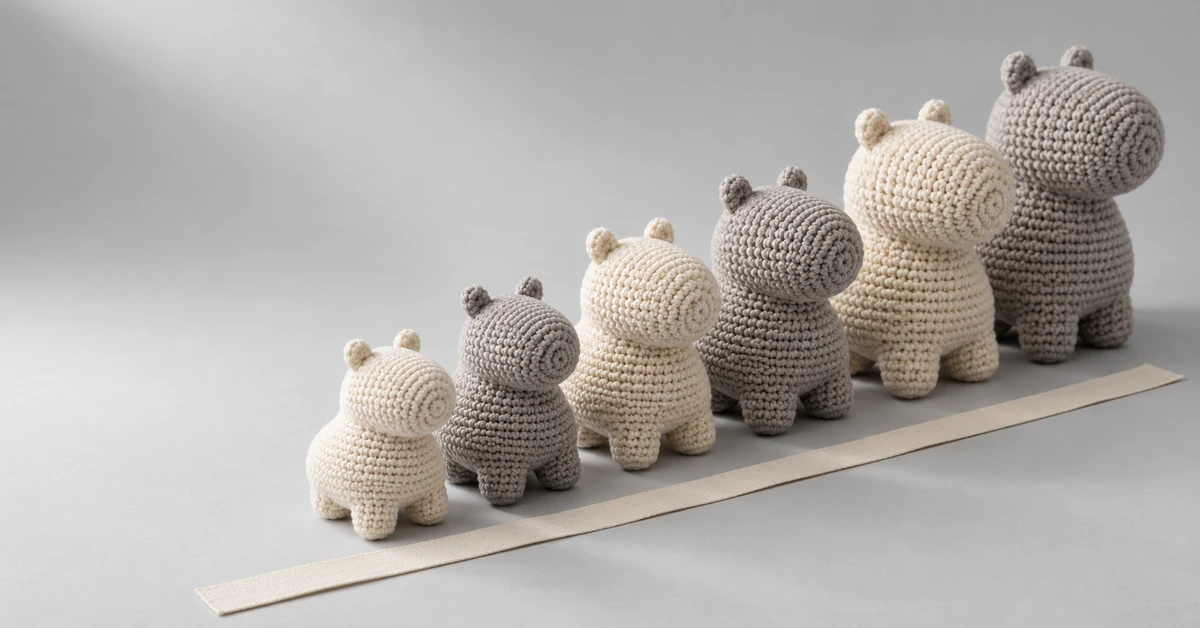
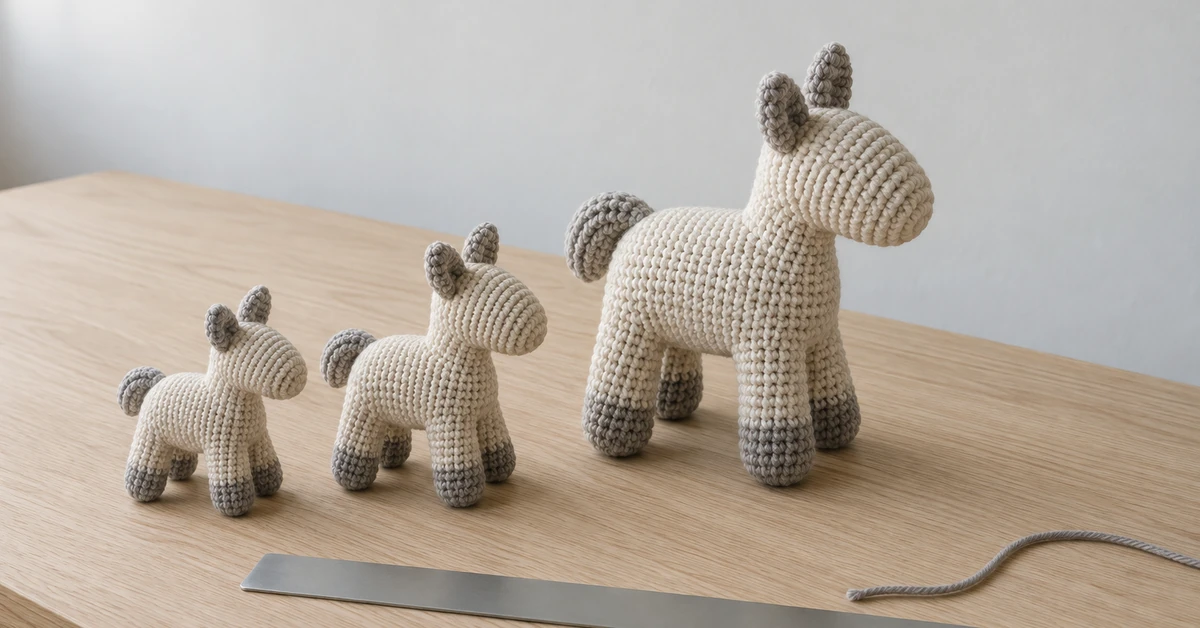
Record overall dimensions, firmness, posture, color placement, surface finish and intended skill level. Photograph multiple views beside a scale reference and retain the physical model where practical. Identify accessories shown but not supplied. A soft ornament and a dense standing figure can use similar colors while requiring very different core weight and needle time.
Divide the project into making stages
Create stages that match real decisions: core build, primary shaping, surface color, small features and correction allowance. Define the start and end of each stage. If the instructions ask the maker to reserve fiber, specify the color and amount. The stage map makes it easier to locate a shortage than one total consumption figure.
| Stage | Typical role | Evidence |
|---|---|---|
| Core | Initial mass and structure | Starting and remaining weight |
| Shape | Volume, joints and profile | Checkpoint dimensions |
| Surface | Visible color and finish | Coverage photographs |
| Detail | Features and small accents | Color-by-color remainder |
Weigh fiber before and after each stage
Use a suitable calibrated scale and state its resolution. Condition fiber consistently, tare containers and record starting, added and remaining quantities. Weigh handling waste separately where possible. Repeat the sample because one expert maker's consumption is not a complete allowance. Keep the worksheet with the project revision and fiber lot.
Separate structural and surface fiber
Do not assume fibers with similar appearance perform the same role. Record fiber type, preparation, color code, source, hand and approved stage. Core material may build volume efficiently while a surface fiber supplies color or smoothness. When one fiber serves both roles, still track the amounts separately so a color change does not unexpectedly alter structure.
Build a physical color-and-role card
Attach a controlled specimen for every active fiber and label code, color name, type, stage and approved source. Compare the card, packed bundle and finished sample under representative light. Digital files support communication but should not replace physical evidence where hue, crimp and hand affect the outcome. Protect retained cards from fading, dust and compression.
Assign each needle a stage task
Identify needle role by gauge or supplier code and show how the user distinguishes it. Test the supplied needles for core work, shaping and detail as applicable. Record breakage, bending, penetration and finish. The needle custody guide addresses retention and points; staged allocation adds the task sequence that tells the buyer why each needle is present.
Run a checkpoint build
Make the full project from production-intent fiber, needles, work surface and instructions. Stop at named checkpoints to photograph dimensions and weigh remaining fiber. Record corrections and any borrowed material. A successful final model does not prove sufficiency if the maker quietly substituted studio fiber or ignored a stated color role.
- Photograph and weigh the unopened production-intent fiber bundles.
- Build the core and record dimensions before surface coverage.
- Complete shaping and log added fiber by area.
- Apply visible colors and reserve detail quantities.
- Finish the model, weigh leftovers and explain every substitution.
Ask a felting kit supplier to show leftovers
A felting kit supplier should provide the complete finished sample beside labeled remaining fiber. Leftovers reveal whether the allowance is balanced across colors; a generous main color cannot compensate for a missing accent. Define an expected minimum or practical reserve by critical color where justified. Do not market waste as quality, but do not plan the kit at an expert's theoretical minimum.
Write instructions around stage transitions
Tell the user when to stop building the core, begin shaping, cover the surface and reserve detail fiber. Use checkpoint dimensions or clear silhouettes. Explain how firmness changes and how to add small amounts gradually. Include recovery for overcompaction, asymmetry and misplaced color. Test the insert at its production print size with someone unfamiliar with the model.
Make a custom needle felting kit supplier control recipes
A custom needle felting kit supplier should link brand artwork, color-role card, stage weights, sample and bill of materials to one revision. When artwork or model dimensions change, recalculate the affected stages. Logo approval alone does not release the fiber recipe or project instructions.
Check the work surface as a consumable
Use the supplied mat or pad for the complete build and inspect compression, fiber capture and stability. State which side is used and any repositioning needed to avoid repeated penetration in one area. If the surface has limited useful life, avoid implying indefinite reuse. Pack it so compression during transit does not make the first stage unstable.
- Record the surface dimensions and active side.
- Photograph compression after the complete build.
- Check whether loose fibers obscure the next working area.
Plan felting kits wholesale bundle identity
For felting kits wholesale, mark fiber bundles and needle roles so assembly and inspection can reconcile the sealed kit. Count by controlled bundle identity rather than judging a mixed bag by volume. Define consumer unit, inner pack and carton quantity. Sample from the start, middle and end of the packing run.
Protect stage order in the package
Arrange components so the user can find the first-stage fiber, needle and work surface without scattering small details. Keep similar colors distinguishable and protect needles. Simulate the planned transport route, then inspect fiber mixing, compression, labels, mat shape and needle retention. Packaging should preserve the recipe rather than turn it back into an unidentified bundle.
Inspect production by critical color and role
Verify fiber code, stage role and usable weight, plus needle identity, surface, accessories, instructions and revision. Open sampled units and weigh critical bundles. Compare physical color with the approved card and confirm no unauthorized substitution. Set sample size and defect classes with a qualified quality professional for the product, claims and destination.
Approve substitutions through an affected-stage build
Require a written comparison covering source, fiber type, color, hand, weight, working behavior and timing. Use the proposed fiber in the stage it serves and compare dimensions, coverage and finish with the reference. Add a short patch to the retained sample when a full rebuild is not justified, and record why that evidence is sufficient. The ISO quality management principles provide general change-control ideas, while the CPSC business education resources provide United States-oriented guidance. Neither approves a fiber or certifies a kit.
Send a stage-led RFQ
Provide project dimensions, stage map, fiber roles and weights, needle tasks, work surface, accessories, instructions, packaging, quantities and destination. Ask for sources, sample gates, build evidence, tolerances, inspection, lead time and substitution rules. This question-led structure follows the added GEO reference while keeping the conversation tied to physical felting evidence.
Release the felting kit manufacturer through four weights
- Recipe weight: each fiber code has an approved stage, quantity and physical reference.
- Build weight: a complete sample confirms dimensions, finish, consumption and leftovers.
- Pack weight: sealed units retain bundle identity, needle roles and stage order.
- Lot weight: production samples match critical bundle quantities and active revisions.
Record the owner and decision date at every gate. State unresolved deviations and whether they block assembly, packaging or shipment.
How Onehourcrafts balances the stage recipe
Onehourcrafts can connect physical fiber cards, stage weights, checkpoint photographs, finished models, packing routes and lot inspection. A reliable felting kit manufacturer makes every gram answer a project need instead of hiding imbalance inside one total. Approve the order after the core, shape, surface and details all have reproducible material paths.
Frequently asked questions
Why weigh fiber by stage?
Stage weights show whether material is sufficient for core, shaping, surface and detail work, and locate shortages more clearly than one total.
What is a fiber role card?
It is a physical reference listing each fiber code, color, type, source, project stage and approval identity.
How is consumption measured?
Weigh starting and remaining fiber at defined checkpoints, record handling waste and repeat production-intent builds.
How much leftover fiber is enough?
There is no universal amount. Set justified reserves by critical color, user variability, handling waste and project risk.
Why separate core and surface material?
They can have different structural, coverage and appearance roles even when they look similar in a bundle.
How should needles be identified?
Use a clear code or visible distinction tied to a task, then verify the packed needle matches the instructions.
What should a checkpoint build record?
Record dimensions, photographs, fiber added and remaining, needle use, corrections, substitutions and instruction gaps.
When must a fiber change be retested?
Retest when source, type, preparation, color or working behavior can affect the stage, dimensions, coverage or finish.
What belongs in a golden kit?
Include approved fiber bundles, needles, work surface, accessories, instructions, package and revision, plus the retained finished sample.
What belongs in the RFQ?
Include project and stage specifications, quantities, components, instructions, packaging, tests, destination, sample gates and change rules.