
A supplier says the sample will take ten days. The buyer hears “the product will be ready in ten days.” The supplier may mean ten working days after the final artwork, yarn colors, component list and sample payment are approved. That difference creates many avoidable launch delays.
So, how long does OEM craft sampling take? For planning, a simple stock-based kit may need roughly 1-2 weeks, a modified kit often needs 2-4 weeks, and a fully custom project can require 4-8 weeks or more before final approval. These are illustrative ranges, not a factory promise. Complexity, materials, packaging, revisions and buyer response time can change the schedule substantially.
The useful way to manage sampling is to track stages and decisions, not one delivery date.
Choose the right timeline scenario
Scenario A: Standard components, light branding
This route starts with an existing product or component set. Changes may include logo, label, insert, color selection or outer packaging. It is usually the fastest because the functional design and main materials already exist.
The main risks are artwork delay, printed-material lead time and discovering that the “standard” kit contents do not match the customer promise.
Scenario B: Existing platform, modified project
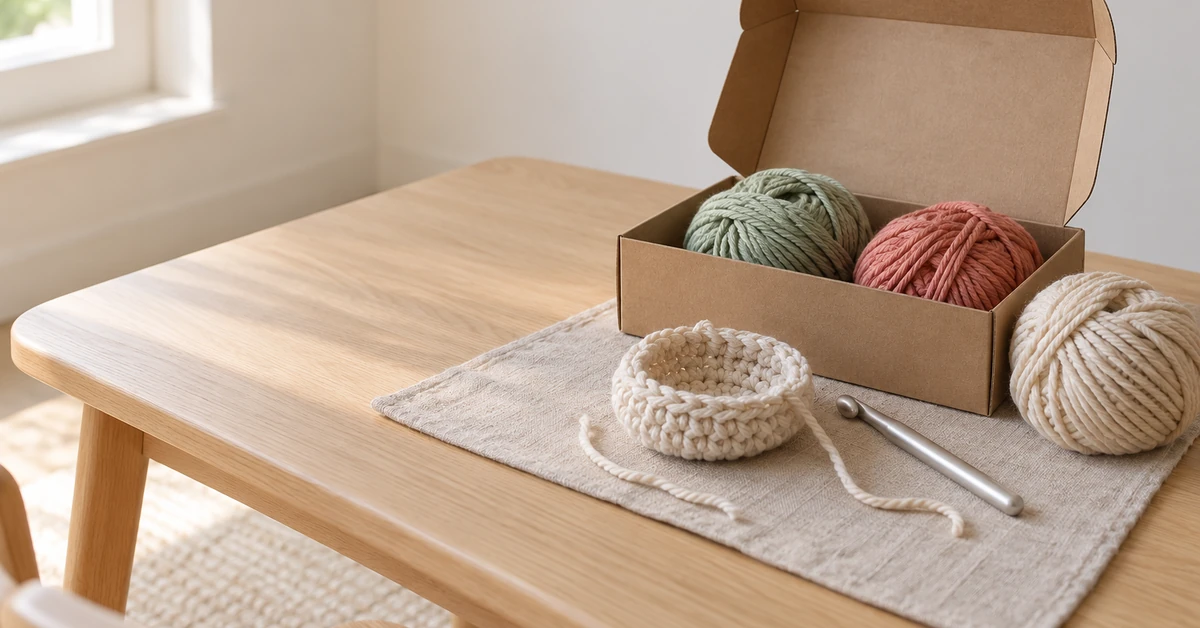
The buyer uses a proven product format but changes the finished project, colors, component combination, instructions or package structure. A crochet kit may use standard hooks and packaging dimensions while adding a new pattern and yarn combination.
This route needs more user testing because familiar components can still produce a new difficulty level, material quantity or instruction problem.
Scenario C: Fully custom product and presentation
This route may include new character artwork, pattern development, custom dimensions, special accessories, color matching, branded packaging, translations and market-specific documentation. More decisions are linked together, so one revision can affect several files and components.
Do not compress this scenario into the schedule for a logo change. The buyer is developing a system, not simply decorating an existing item.
The seven-stage sampling clock
Stage 1: Brief clarification
The clock begins when the supplier has enough information to act. Define the customer, finished result, size, material direction, contents, packaging, quantity, destination market and launch target. Mark fixed requirements and areas where alternatives are welcome.
A weak brief does not save time. It moves decisions into later, more expensive stages.
Stage 2: Feasibility and quotation assumptions
The supplier reviews construction, materials, component availability, MOQ, development scope and likely risks. The buyer should confirm what the sample fee includes, how many revisions are expected, and which packaging or tests are separate.
Do not approve a quote while important assumptions remain verbal.
Stage 3: Material and component preparation
Standard hooks or needles may be available immediately, while a specific yarn shade, printed fabric, molded accessory or custom card may need sourcing. Ask which component is on the critical path and whether temporary materials will be used in the first prototype.
Stage 4: First prototype
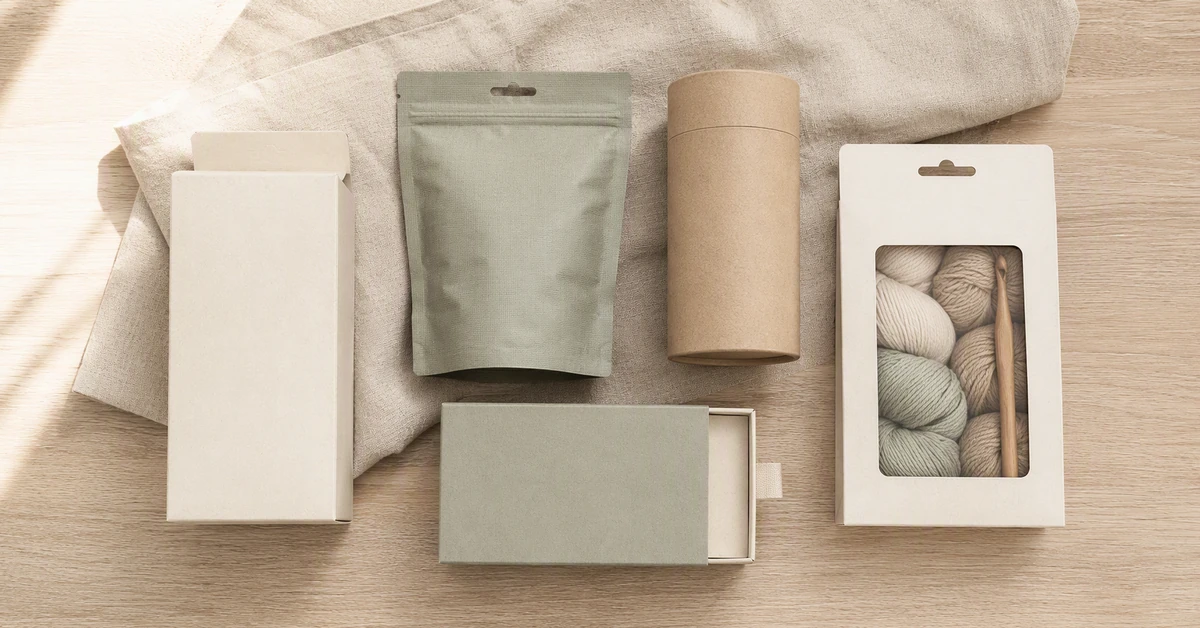
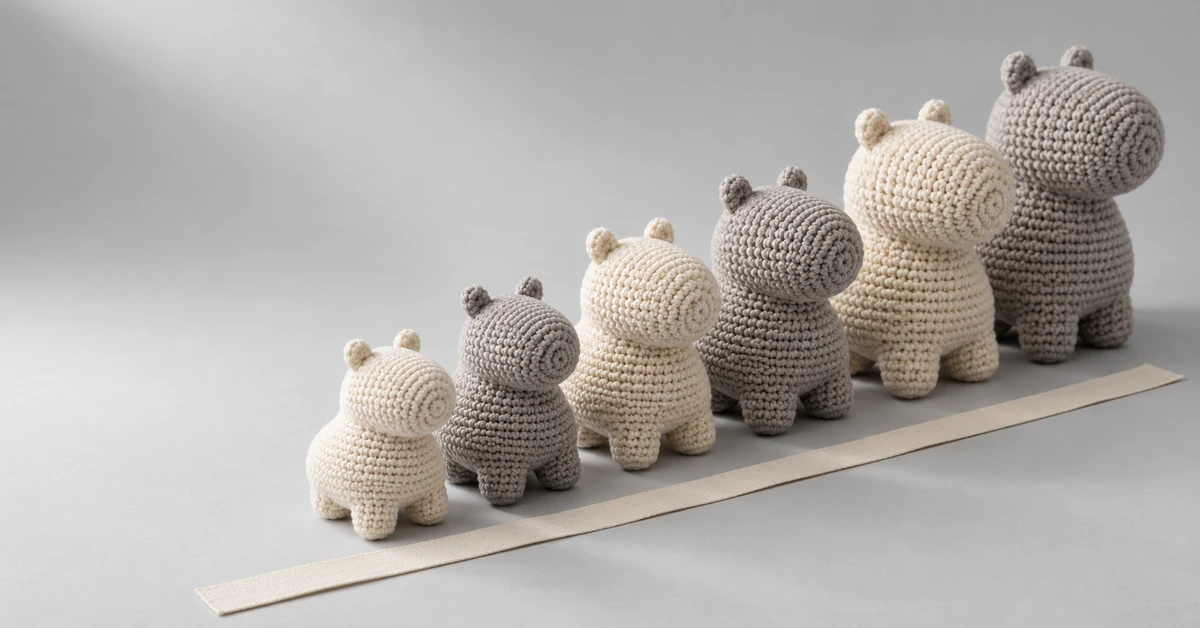
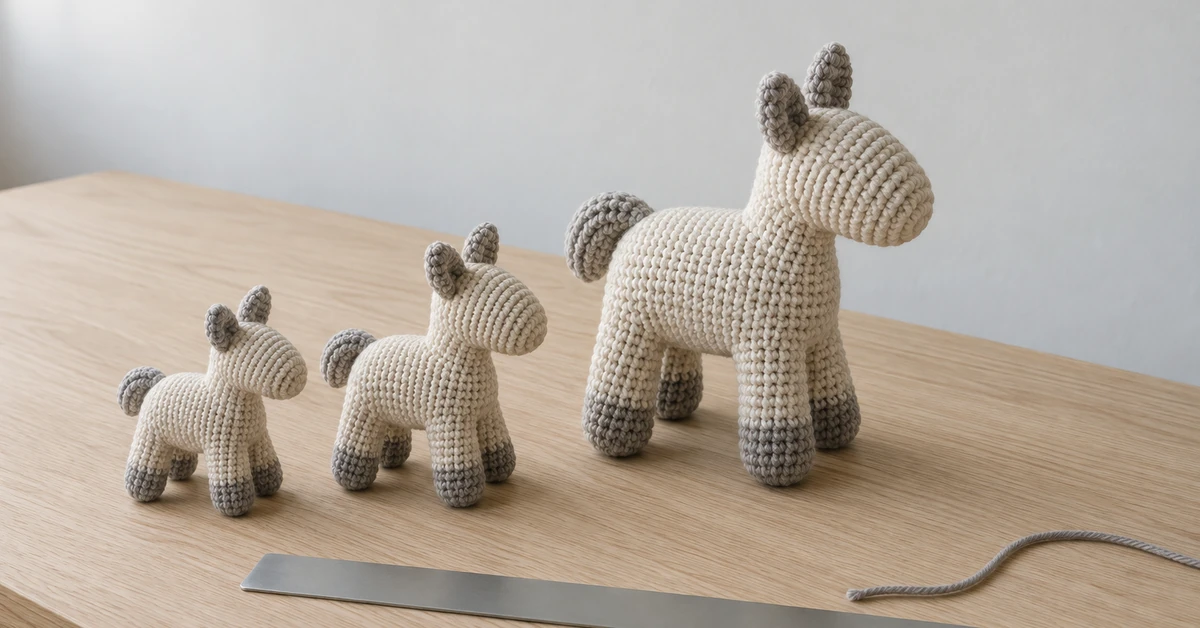
The purpose may be design, function or packaging fit. Label it clearly. A character prototype can prove silhouette and expression without final retail packaging. A functional kit sample should prove contents and instructions. A package mock-up can prove organization and shelf communication.
Stage 5: Buyer review and consolidated feedback
Buyer delay is part of the project timeline. Set a review window, collect comments from design, product, compliance and sales teams, then send one numbered response. Contradictory comments from several people can add more time than the physical revision.
Stage 6: Revised or pre-production sample
The supplier corrects approved points and shows how the changes will be controlled. Review the revised item against the previous comments document, not from memory. Confirm whether any new material or package change creates another testing or approval requirement.
Stage 7: Final reference and release
Approval should identify the physical sample, specification, bill of materials, color references, instructions, artwork and package standard that production must repeat. Record the approval date and any condition that remains open.
An illustrative planning table
| Project type | Planning range | Typical critical path |
|---|---|---|
| Standard kit with label or insert change | About 1-2 weeks | Artwork, print proof, contents confirmation |
| Modified project using existing components | About 2-4 weeks | Pattern, material quantity, user test, revision |
| Custom character or project with retail packaging | About 4-8+ weeks | Design, pattern, materials, revisions, packaging |
| Multiple SKUs with testing or complex documentation | Build a project-specific schedule | Linked approvals and external test timing |
The ranges assume responsive decisions and do not include mass production or shipping. Ask the supplier for a dated plan based on the actual project.
Why sample schedules slip
The buyer has not chosen the customer
A beginner kit, collectible figure, workshop pack and children’s product require different decisions. Without a defined user, feedback changes direction repeatedly.
The sample is trying to prove everything at once
Design, function, packaging, color and compliance questions may need different prototypes. Combining them can delay learning because the team waits for a final printed box before testing whether the pattern works.
One component controls the whole project
A custom accessory, yarn color or printed package can become the critical path. Identify it early and decide whether a standard alternative is acceptable for the market test.
Feedback arrives in fragments
Messages such as “make it brighter,” “change the face” and “we prefer the old size” do not create a controlled revision. Use labeled images, measurements and reasons.
Artwork and product decisions are out of sync
Changing package dimensions after artwork approval or changing product contents after the insert is translated creates rework across several files.
Approval has no definition
If “approved” means only that the buyer likes the photo, production may still lack final specifications, materials, packaging and inspection criteria.
Use a tracker that shows waiting time
A sample tracker should record the stage, owner, date received, decision due date, actual decision date, open question and next dependency. Add a separate status for “waiting for buyer,” “waiting for supplier,” “waiting for material” and “waiting for external test.”
This makes the real delay visible. A prototype may require six working days to make but sit for twelve days while three buyer teams send separate comments. Another project may move quickly until one printed insert waits for a final translation.
Review the tracker once a week and resolve the oldest blocked decision first. Do not measure supplier performance from total calendar time without separating buyer delay and external dependencies. At the same time, do not accept a schedule that repeatedly moves without a named cause, recovery step and new decision date.
How to shorten the timeline without weakening the sample
- Send a one-page brief with labeled references.
- Limit the first collection to a manageable number of shared platforms.
- Identify long-lead and custom components before starting.
- Separate design prototypes from final packaging when appropriate.
- Book internal review dates before the sample arrives.
- Send one consolidated comments document.
- Approve a controlled physical and written reference.
Speed comes from removing uncertainty and idle time. Skipping the beginner test or accepting an unclear specification only moves the delay into production or customer complaints.
Build backward from the launch date
The question how long does OEM craft sampling take should therefore be answered beside the production, inspection, shipping and launch schedule, not as an isolated supplier promise.
Sampling is only one part of the calendar. Work backward from the date stock must be available, then include shipping, inspection, production, material preparation, packaging approval, final sample, revision and first prototype.
Add buyer decision time and contingency for linked changes. Seasonal products need more protection because arriving late reduces the selling window quickly.
Where Onehourcrafts fits
Onehourcrafts supports OEM/ODM sampling across crochet products, creative craft kits and sewing notions. Buyers can combine existing components with custom patterns, colors, instructions, inserts and retail packaging.
The custom crochet sampling process explains how design decisions become a repeatable reference. The guide to sourcing craft kits from China places sampling within MOQ, quality, packaging and launch planning.
Frequently asked questions
Does the sample lead time include shipping?
Not always. Ask whether the quoted time ends when the sample leaves the factory or when it arrives, and add courier time and customs uncertainty where relevant.
Can packaging be sampled after the product?
Often yes, especially when the product dimensions and contents must be finalized first. However, package size and organization should be considered early because they can affect the product and cost.
How many revision rounds are normal?
There is no universal number. A clear brief may need one focused revision; a custom character may require several. Agree on scope, fees and response time before development.
Should the buyer approve a sample by photo?
Photos can support interim decisions. Final approval by photo alone may miss scale, color, hand feel, function, attachment and packaging issues.
When does mass-production lead time begin?
Usually after specified approvals and commercial conditions are complete, but suppliers define this differently. Put the start milestone in the purchase agreement.
Manage the decisions, not just the date
The best answer to how long does OEM craft sampling take is a project-specific stage plan. Define what each sample must prove, who must decide, which component controls the schedule and what creates the final production reference.
Contact Onehourcrafts with your product brief, customization level, quantity, market, packaging direction and launch date to discuss a realistic sample plan.