
A supplier can answer quickly, send attractive photos and quote a competitive price while still being the wrong production partner. Crochet products depend on pattern interpretation, yarn control, handwork consistency, component sourcing and finishing decisions that are difficult to judge from a catalogue alone.
The practical answer to how to choose a crochet manufacturer is to build the shortlist around evidence. First apply non-negotiable gates that remove suppliers with the wrong product fit or weak control. Then compare the remaining factories on the tradeoffs that matter to the range, such as development support, capacity, packaging and communication.
This process is designed for retail buyers, private-label brands, gift companies and product developers sourcing crochet kits, finished amigurumi, accessories or mixed craft ranges.
Use a two-stage selection process
Do not score every supplier from zero to one hundred at the beginning. A polished presentation can earn points while hiding a basic mismatch. Use two stages instead:
- Evidence gates: confirm the supplier can make, document and repeat the required product.
- Commercial comparison: compare samples, cost structure, capacity, packaging, service and project risk among the suppliers that pass.
A failed gate does not always mean the factory is poor. It may simply mean the factory is not suitable for this product, market, order size or launch schedule.
Gate 1: Relevant product experience
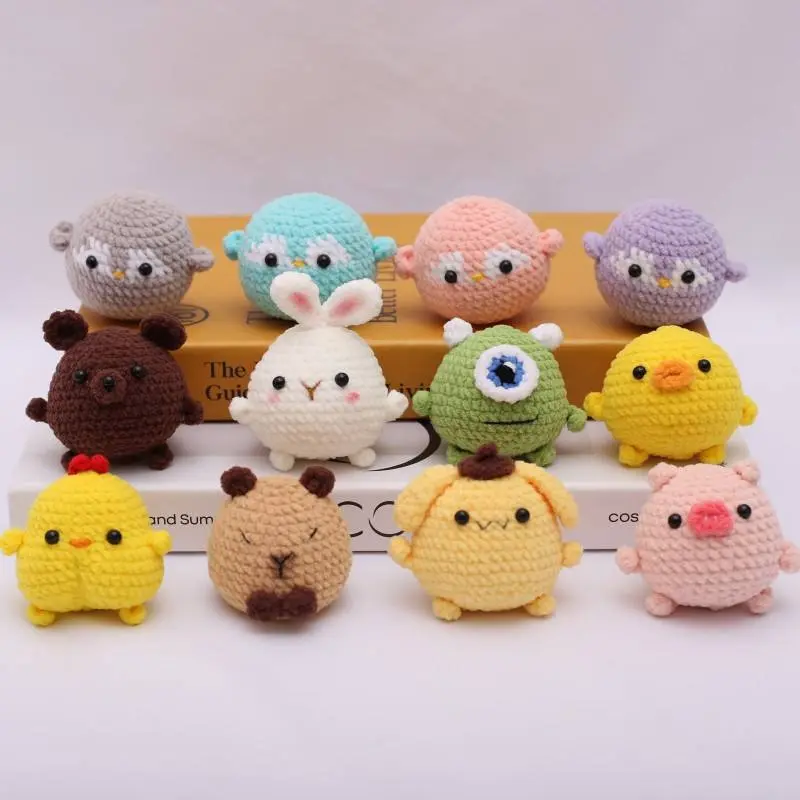
Ask for examples that match the product mechanism, not only the broad category. A factory experienced with simple round amigurumi may not be prepared for fitted garments, structured bags, mixed-material kits or characters with many identity-critical details.
Request evidence for similar:
- Yarn weights, fibers and textures.
- Finished dimensions and construction complexity.
- Loose kit components versus finished crochet products.
- Accessories such as eyes, key rings, cards, tools and storage cases.
- Retail packaging, barcodes and destination-market labeling.
Do not ask the supplier to disclose another buyer's confidential files. Product photos, anonymized process examples, material cards and sample-room evidence can still demonstrate relevant capability.
Gate 2: A controlled sampling method
Ask the supplier to explain how an idea becomes an approved reference. A strong process normally separates the brief, material approval, pattern or construction development, first sample, revision notes, packaging sample and final production reference.
Listen for specific controls: who interprets artwork, how dimensions are recorded, how yarn substitutions are approved, how revision comments are closed and which sample becomes the production standard.
The custom crochet product sampling process explains the buyer documents that support this work. If a supplier responds only with "send a picture and we will copy it," the development risk remains with the buyer.
Gate 3: Material and component traceability
A quotation should identify the material assumptions that affect appearance, performance and cost. Ask for yarn fiber, count or weight, color direction, filling, tools, accessories, printed items and package materials.
Then ask what happens if a component is unavailable. The answer should include a substitution approval step. Silent changes to yarn, eyes, hooks, needles, adhesives or printed inserts can alter quality, compliance evidence and customer experience.
For a kit, request a bill of materials with quantity per finished unit. For a finished crochet item, record the controlled construction and accessory sources. Traceability does not need to be complicated, but it must connect the approved sample to production purchasing.
Gate 4: Proof of repeatability
One beautiful sample proves that one unit can be made. It does not prove that the factory can repeat the silhouette, expression, dimensions, component placement and finishing across a production lot.
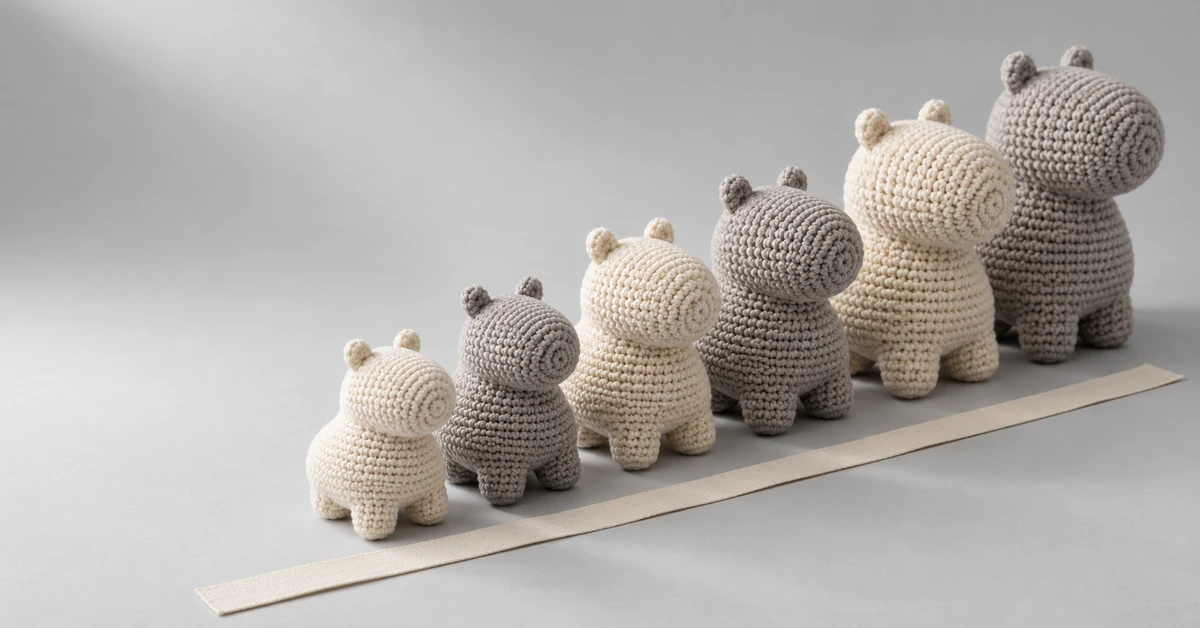
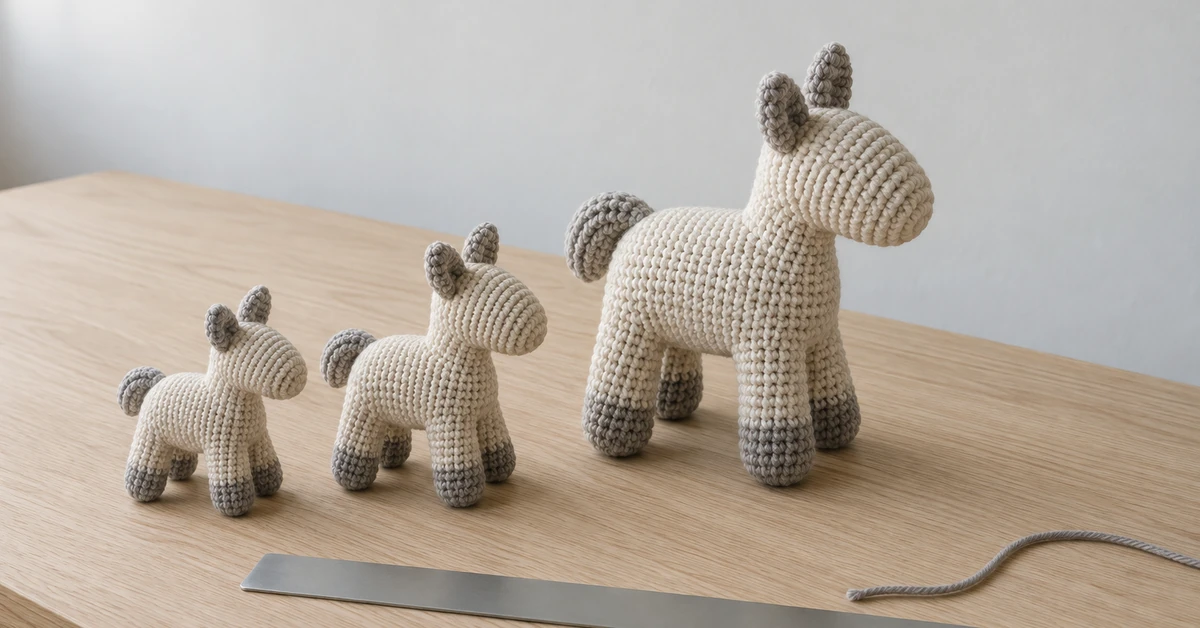
Ask for a small group made with the intended production method. Compare height, width, weight, yarn shade, feature placement, attachment method and overall appearance. Define which handmade differences are acceptable and which change identity or function.
Use the amigurumi quality scorecard for character products, or build a shorter product-specific checklist. The important evidence is not a perfect hero sample; it is controlled variation.
Gate 5: Capacity that matches the launch
Capacity is more than a monthly unit number. Ask how many skilled workers are available for the relevant construction, which operations are completed in-house, which components are outsourced and how seasonal peaks are planned.
Discuss three quantities:
- The development and sample quantity.
- The expected first order by SKU.
- The repeat-order or peak-season quantity if the range succeeds.
A small launch may need flexible scheduling and component purchasing. A larger program may need work allocation, in-process checks and material booking. Ask how lead time changes when colorways or designs share yarn, packaging or accessories.
Gate 6: Quality control tied to the product
General statements such as "we check every item" are not enough. Ask what is checked, when it is checked, who records the result and what happens to nonconforming units.
Useful control points include incoming yarn and components, first production units, in-process construction, final dimensions, attachment security, kit completeness, package condition and barcode verification. Request sample inspection records or a proposed checklist.
The buyer should identify critical defects before production. A missing instruction card, incorrect eye position, weak seam and wrong yarn shade should not all be treated as the same type of issue.
Gate 7: Packaging and market-readiness support
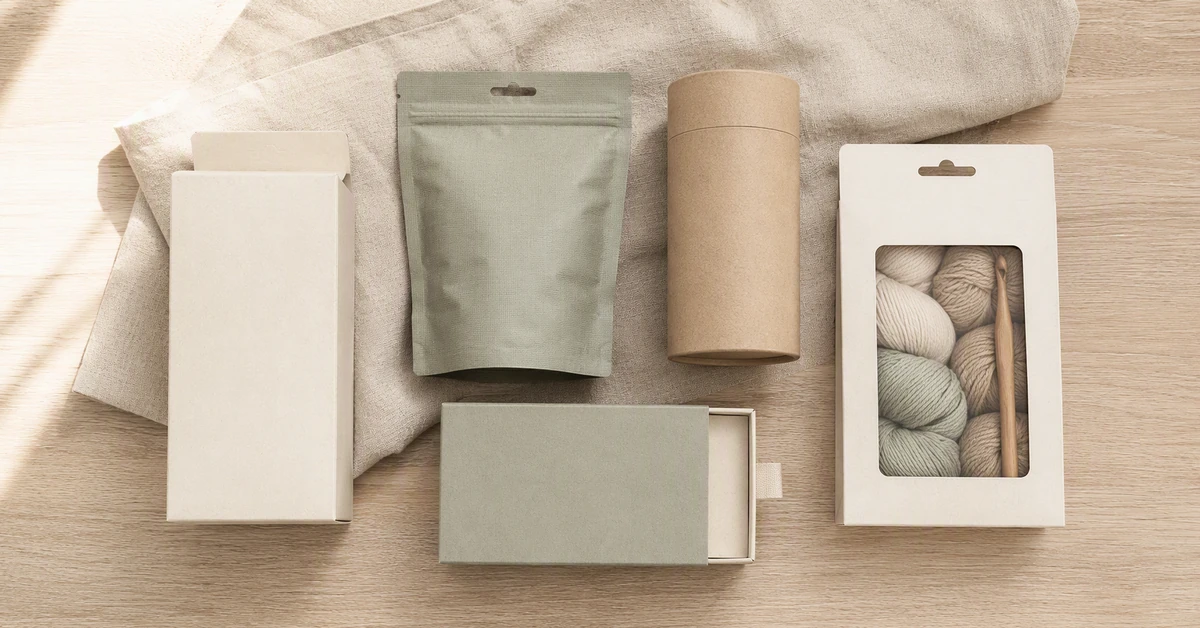
Packaging must contain the components, explain the project, protect the product and carry required commercial information. Ask whether the supplier can support dielines, inserts, instruction formats, barcode zones, labeling, carton marks and eCommerce preparation.
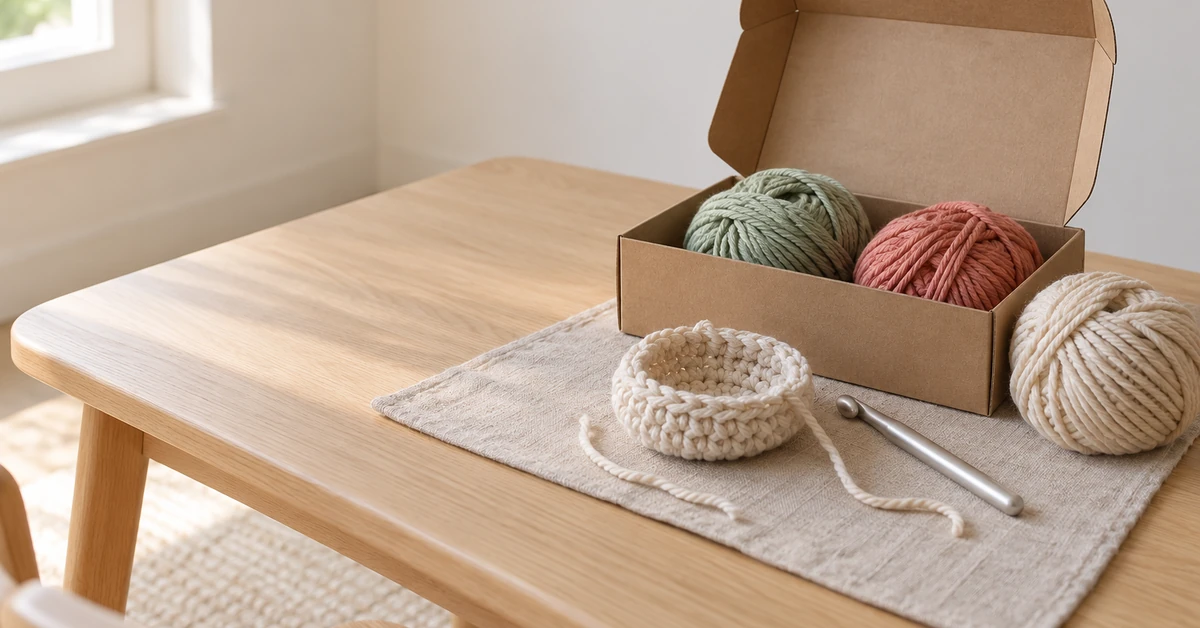
For crochet kits, inspect how yarn, hooks, small tools and the instruction are organized. A package can look attractive in a rendering but arrive with tangled yarn or loose tools. The buyer should approve a packed sample, not only artwork.
Social audits, factory reviews and product compliance are separate evidence layers. The BSCI craft factory audit checklist can support supplier due diligence, while market-specific product requirements need their own classification, testing and documentation plan.
Gate 8: Communication that closes decisions
Fast replies are helpful, but decision quality matters more. A useful supplier response restates the requirement, identifies missing information, separates confirmed facts from assumptions and records the next approval.
Test communication with a small real task. Send a product brief and ask the supplier to return:
- Open questions.
- Proposed material and construction.
- Sample cost and timing.
- MOQ assumptions.
- Risks or decisions that could change the quote.
A supplier who finds contradictions before sampling may save more time than one who answers every message with "yes."
Keep a red-flag ledger
A practical worksheet for how to choose a crochet manufacturer should record unresolved risk beside each supplier. Do not bury concerns inside meeting notes.
| Signal | Why it matters | Evidence to request |
|---|---|---|
| Price without material detail | Quotes may not describe the same product | Bill of materials and specification assumptions |
| Only one polished sample | Repeatability remains unknown | Small group made with the intended process |
| Unclear subcontracting | Ownership and quality control may change | Process map and responsible production site |
| No change approval | Materials may change after testing or approval | Written substitution and change-control rule |
| Packaging quoted late | MOQ, freight and launch timing can move | Packed sample and packaging cost breakdown |
Classify each item as closed, accepted with conditions or unresolved. A low-risk commercial issue may be negotiable. An unresolved identity, safety, legal or repeatability issue should stop approval.
Compare finalists on the same test project
After the gates, give the finalists the same brief and sample target. Compare the total development experience, not just the quotation. Record the questions they asked, the accuracy of the first sample, the clarity of revisions, the material evidence and the packed-sample result.
Normalize quotations before comparing them. Confirm included contents, packaging level, print method, inspection, testing responsibility, delivery term and tooling or artwork charges. The cheapest headline price may exclude the work needed to make the item retail-ready.
Where Onehourcrafts fits
Onehourcrafts supports OEM/ODM development for crochet DIY kits, crocheted products, accessories and related craft ranges. Project briefs can cover materials, patterns, kit contents, instructions, packaging, labels, samples and production controls.
Buyers can also use the crochet kit MOQ guide to prepare first-order scenarios before comparing quotations.
Frequently asked questions
Should a buyer visit the factory before placing an order?
A visit can provide useful evidence, but it does not replace samples, specifications, documents and production controls. The need depends on order value, complexity and risk.
How many manufacturers should reach the sample stage?
Keep the group small enough to compare carefully. Two or three qualified finalists often provide more useful evidence than many poorly matched samples.
Is the lowest MOQ always the best choice?
No. A low finished-product MOQ may hide high component, yarn, print or packaging minimums. Compare the complete range plan and leftover-material risk.
Can certifications prove product quality?
No single certificate proves that a specific product matches the approved sample. Use audits and certificates for their intended purpose, then verify the actual product and process.
What should be included in the first inquiry?
Include product type, artwork or reference, size, materials, quantity, market, age positioning, packaging, target date and the decisions that remain open.
Choose the evidence, then choose the partner
The reliable method for how to choose a crochet manufacturer is to remove mismatched suppliers early and compare finalists using the same evidence. Product fit, controlled sampling, materials, repeatability, capacity, quality, packaging and communication should all connect to the proposed order.
Contact Onehourcrafts with your product concept, quantity, market, packaging direction and target schedule to discuss a crochet sample and production plan.