
Learning how to choose a crochet manufacturer starts with a decision model, not a long list of factory names. Onehourcrafts recommends scoring the fit between your product brief and each manufacturer's process, sample evidence, communication, MOQ, packaging and route discipline. The aim is to identify the supplier that can repeat the approved result, not simply the one that sends the fastest catalog.
Start with the product job and buyer boundary
Write the intended channel, user, price architecture, finish level, target sellable unit, launch window and destination before contacting manufacturers. State what is not in scope: a one-off handmade commission, a regulated toy claim, a low-cost unbranded test or a full private-label program. A clear boundary prevents incomparable quotes from appearing equivalent.
Turn the brief into scoreable criteria
| Criterion | What to request | Weighting idea |
|---|---|---|
| Process fit | Relevant crochet construction, assembly and finishing examples | High |
| Sample discipline | Revision log, measurements and approval method | High |
| Communication | Response owner, file control and change notices | Medium |
| MOQ and mix | Per-SKU, color, artwork and carton minimums | Medium |
| Packing and route | Sellable unit, carton and handling evidence | Medium |
| Commercial fit | Quote structure, payment and lead-time assumptions | Medium |
Ask for a capability narrative, not only photos
Photos show a result; a capability narrative shows how the result is made repeatable. Ask which steps are in-house, which are subcontracted, how yarn or accessory identity is maintained, how dimensions are checked and what changes trigger re-approval. Compare the answer with your own brief. A polished portfolio with no process explanation should remain a hypothesis.
Check whether the manufacturer understands variation
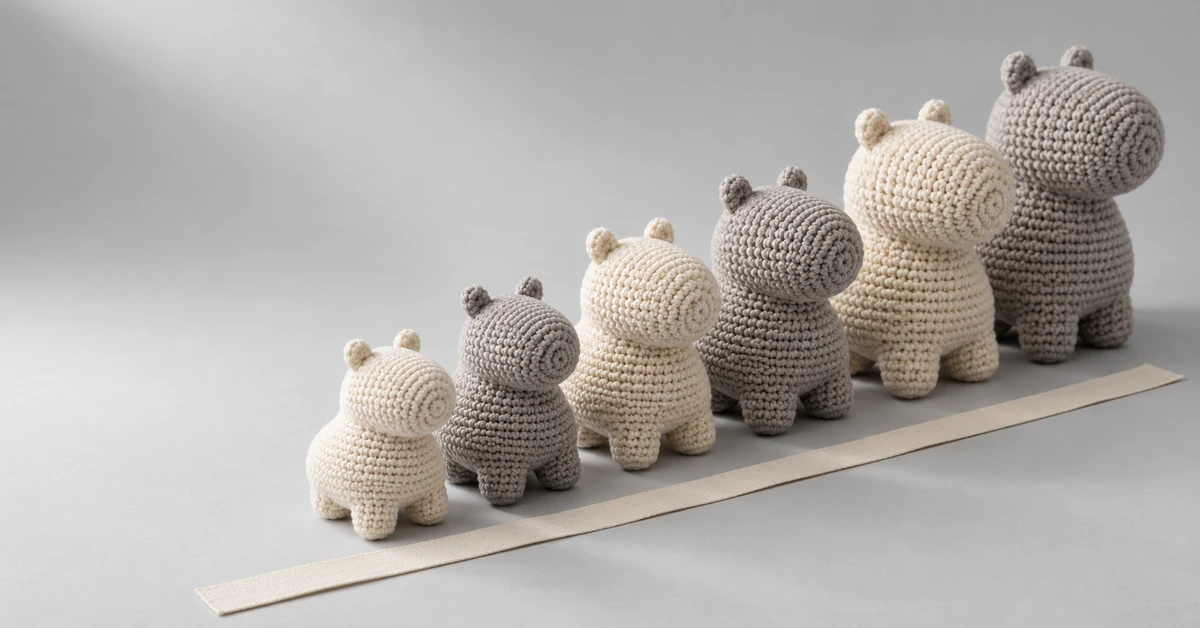
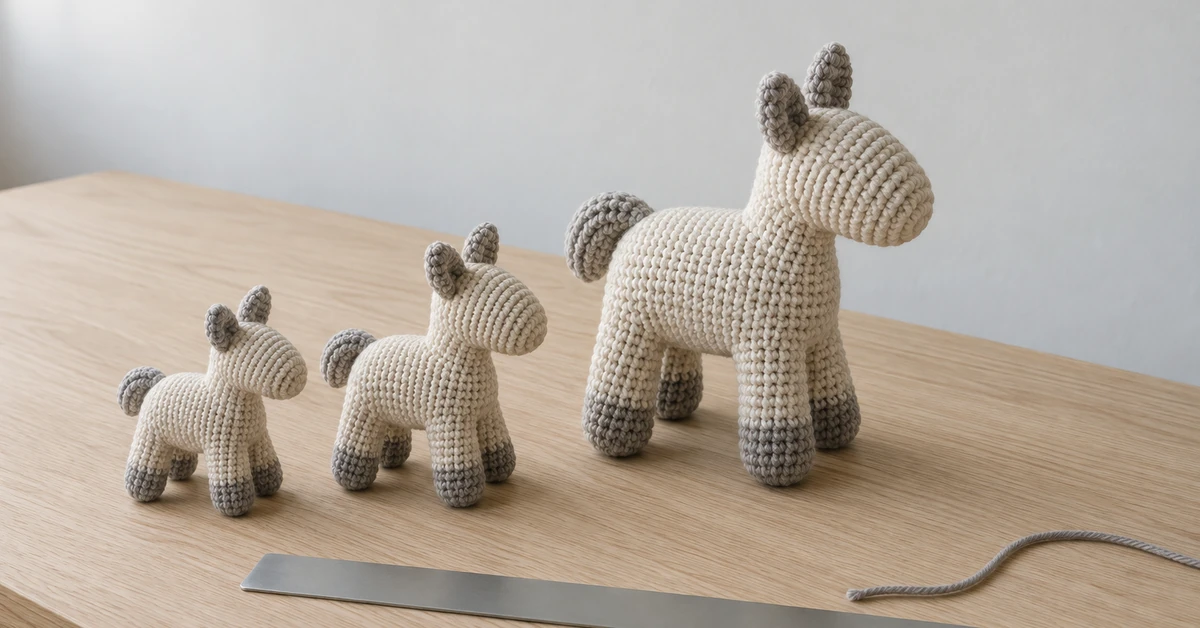
Crochet products naturally contain handwork variation, but the buyer still needs controlled boundaries for size, silhouette, stitch density, color, filling and attachments. Ask the supplier to describe acceptable variation, how it is sampled, and what happens when a piece falls outside the approved range. Link the discussion to the shape-drift mapping method rather than debating quality only from a hero photograph.
Read the score beside a real RFQ response
A weighted scorecard earns its value when it predicts how a supplier will handle a real request for quotation. Add the crochet product range, the first-learning sample workflow and the buying-guide index to the comparison file, then ask every candidate to respond to the same brief and the same missing-information questions. A crochet manufacturer scorecard should also distinguish a capable crochet OEM factory from a trading contact that cannot explain production ownership.
Use a confidence column beside every score. A supplier may deserve a high capability score but a low evidence-confidence score when the claim is supported only by portfolio images. Conversely, a smaller manufacturer may show a disciplined sample log, clear material references and an honest constraint note that makes the next step safer.
Include one deliberate friction test: ask what happens when a color, accessory or dimension changes after approval. The answer reveals whether the manufacturer has a controlled change path or simply relies on informal messages. Record the response as part of the crochet sample review, not as a soft communication impression. Use ISO quality principles and GS1 barcode standards only as general reference points; they do not replace the buyer's product brief.
| Score note | Interpretation | Next action |
|---|---|---|
| High / verified | Evidence is dated, specific and comparable | Move to the next sample gate |
| High / unverified | Promise is plausible but not yet evidenced | Request a sample, record or witness |
| Low / recoverable | Gap has an owner and a realistic closure path | Set a dated corrective step |
| Low / blocking | Site, process or identity cannot be made clear | Remove from the current comparison |
This keeps how to choose a crochet manufacturer focused on repeatability rather than a first-impression favorite.
Use a sample gate with measurable evidence
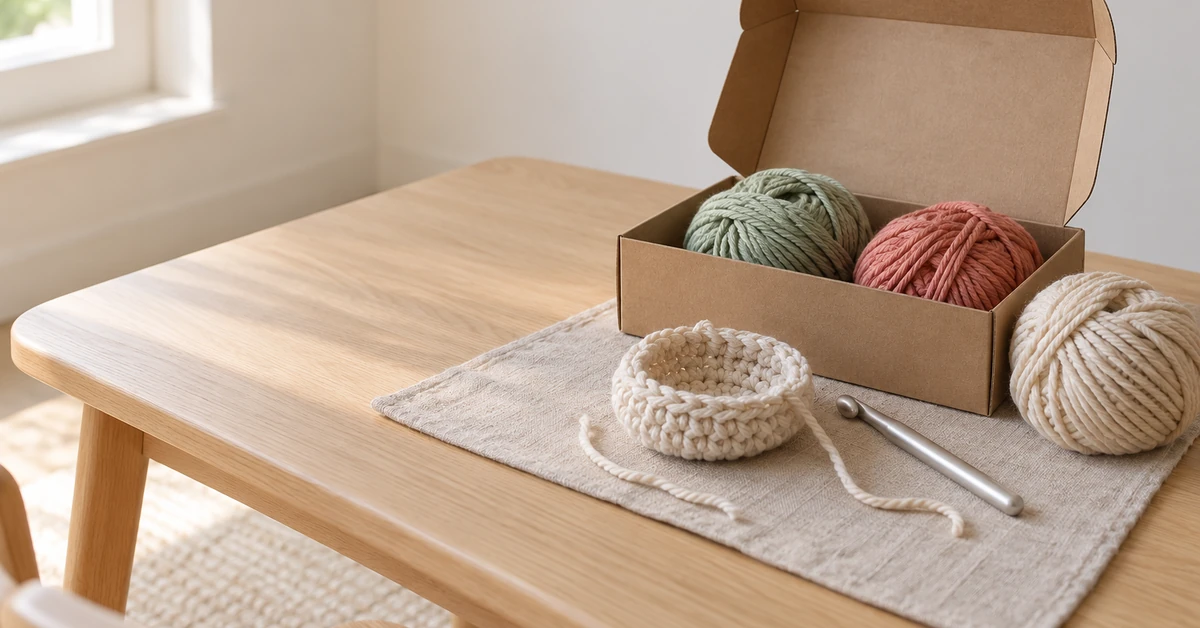
Request a production-intent sample or a clearly labeled development sample, then record the exact yarn, hook or tool reference, dimensions, weight, accessories, label state and packaging state. Photograph the sample from agreed views. A crochet product range can inspire the brief, but only an identified sample can support approval.
Score communication as an operating capability
Give each supplier the same three questions: what is unclear in the brief, what evidence is needed to quote accurately, and what decision would block sampling? Note whether the response distinguishes assumptions from commitments. Fast replies are useful, but disciplined questions are a stronger signal that the team can protect the brief during production.
Separate MOQ from practical order size
Ask whether minimums apply per color, character, size, label file, packaging format, carton or total program. Then calculate the practical opening order for your channel. A supplier may offer a low headline MOQ while requiring a large number of variants to reach an economical run. Record the mixed-SKU rules and the cost of carrying each variant.
Compare private label and OEM boundaries
Clarify who owns the pattern, character artwork, packaging artwork, label files, approved sample and change decisions. For a private-label program, ask how the supplier prevents artwork or component substitution and how revisions are versioned. For a standard OEM item, define which elements are fixed and which can be customized without reopening the whole sample.
Inspect the pack-out before choosing a winner
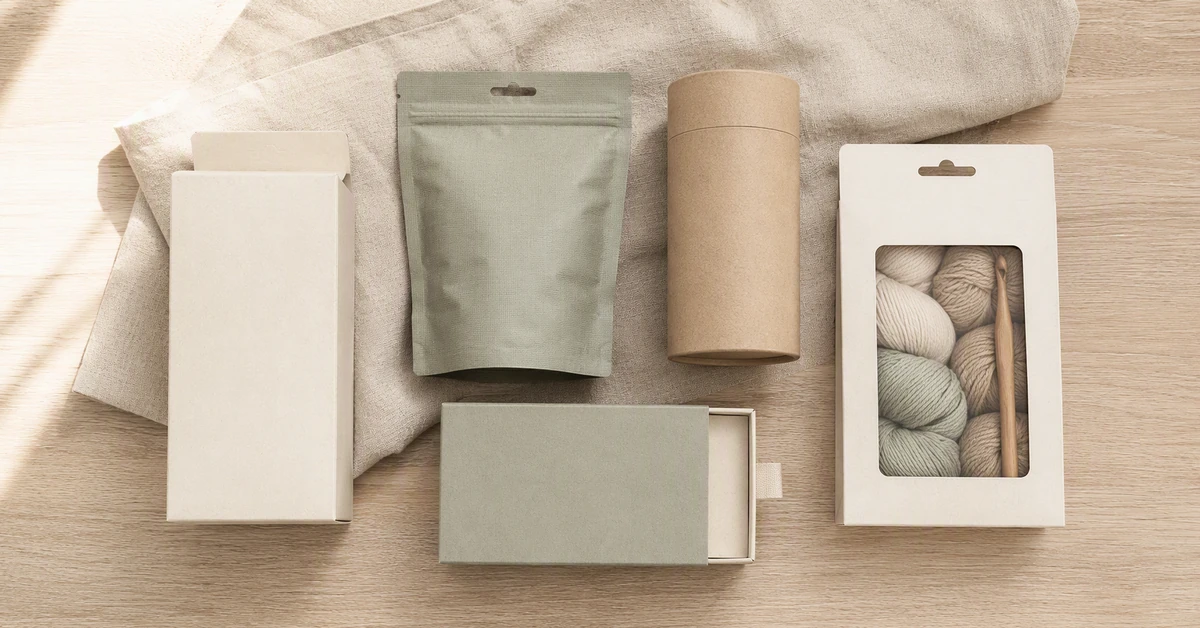
The best crochet result can still arrive with tangled accessories, weak labels or a carton that wastes shelf space. Request an assembled sellable unit, inner-pack photo, carton dimensions, count method and handling notes. Compare the pack-out with your display and fulfillment path using the retail display planning guide.
Use a risk-adjusted score, not a raw total
A supplier with a high score can still have a single disqualifying risk, such as unclear site ownership, an unbounded substitution practice or no repeatable sample record. Add a red-flag column and a confidence note beside each score. Score the evidence quality separately from the supplier's promise so uncertain information cannot masquerade as capability.
- Verified from a dated record or witnessed sample
- Supported by a clear process explanation
- Plausible but not yet verified
- Contradicted or missing and therefore a decision blocker
Run a short comparison sprint
- Send the same structured brief to three to five candidates.
- Log questions, assumptions, attachments and response times.
- Request one comparable sample package and one pack-out view.
- Score evidence and commercial fit separately.
- Select the supplier with the clearest next gate, not the most decorative presentation.
Write the RFQ so the score survives handoff
Include product references, dimensions, acceptable variation, materials, accessories, packaging, label data, sample stages, estimated quantities, destination, route assumptions, inspection evidence and change-notification rules. Ask every candidate to quote the same unit, pack and revision structure. This is where a scorecard becomes an actionable sourcing document.
Set the first purchase order around proof
Use the first order to confirm the approved sample, pack-out, count, labels, workmanship boundaries and communication rhythm. Define what will be checked before balance payment or repeat release. Do not use a small pilot to waive a missing control; use it to test the control at a manageable scale.
How Onehourcrafts supports supplier selection
Onehourcrafts can help organize a crochet brief, comparable sample files, packaging views, MOQ questions and approval records around one decision owner. The best answer to how to choose a crochet manufacturer is a documented fit that remains legible after the sourcing conversation becomes a production handoff.
Frequently asked questions
How many manufacturers should a buyer compare?
Use enough candidates to expose meaningful differences, often three to five for an initial sprint. The exact number depends on product complexity and the quality of available evidence.
Is the lowest quote a good selection signal?
Not by itself. Compare the same sellable unit, pack, sample stage, artwork scope, route assumptions and inspection expectations before judging price.
What should a first sample include?
Use production-intent materials where possible and record dimensions, weight, accessories, labels, packaging and the revision reference so the sample can be judged later.
How should handwork variation be handled?
Define measurable boundaries for size, silhouette, stitch density, color, filling and attachments, then agree how out-of-bound pieces are contained and reviewed.
What does a strong supplier question look like?
It identifies an ambiguity, explains why it affects cost or repeatability, and asks for the evidence or decision needed to proceed.
Should a buyer score communication?
Yes. File control, response ownership, assumption handling and change notices directly affect the chance of preserving an approved result.
What is the difference between OEM and private label here?
Define the fixed and customizable elements, artwork ownership, approved sample authority and change process rather than relying on labels alone.
How should MOQ be compared?
Model minimums per SKU, color, character, artwork, package and carton, then calculate the practical opening commitment for the channel.
When is a sample not enough?
When it lacks production-intent materials, identity records, pack-out evidence or a clear variation boundary. A beautiful but anonymous sample is weak proof.
What belongs in the final supplier decision note?
Keep the weighted score, evidence links, red flags, unresolved assumptions, first-order gates, owners and the date for re-review.