
An amigurumi manufacturer should control shape drift by connecting yarn, gauge, panel dimensions, stuffing, seam path and feature placement to one measured reference figure. Onehourcrafts recommends mapping where dimensions can change instead of judging bulk units only by overall resemblance. The map helps buyers identify whether a wider head, leaning body or shifted expression began in crochet, assembly, filling or packing.
Describe the silhouette before measuring details
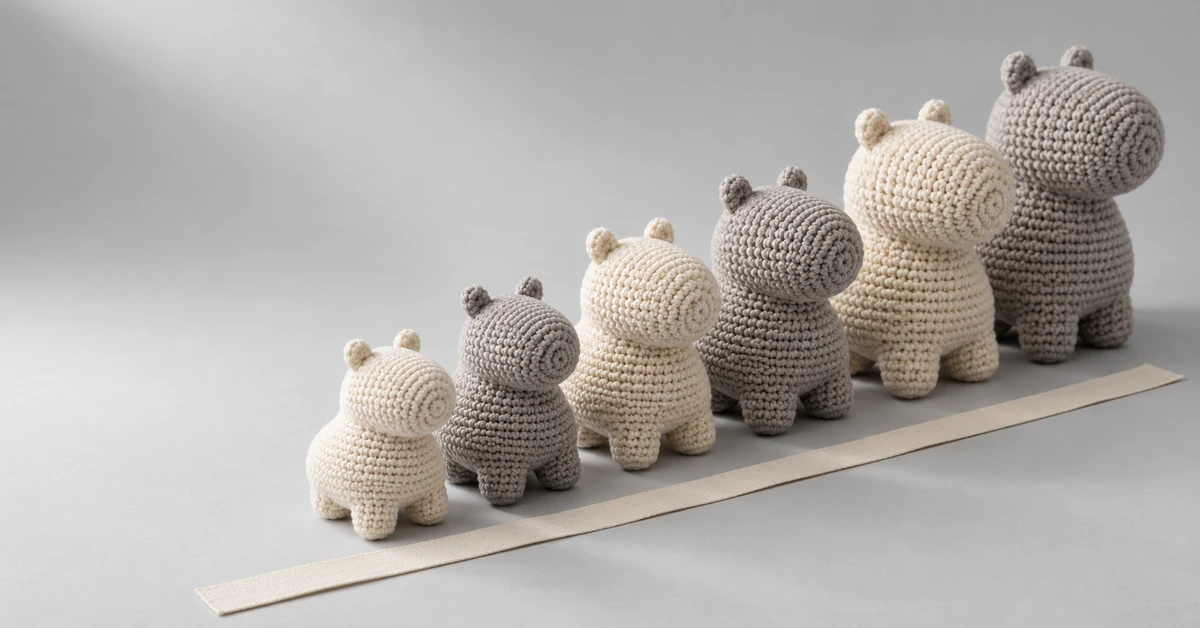
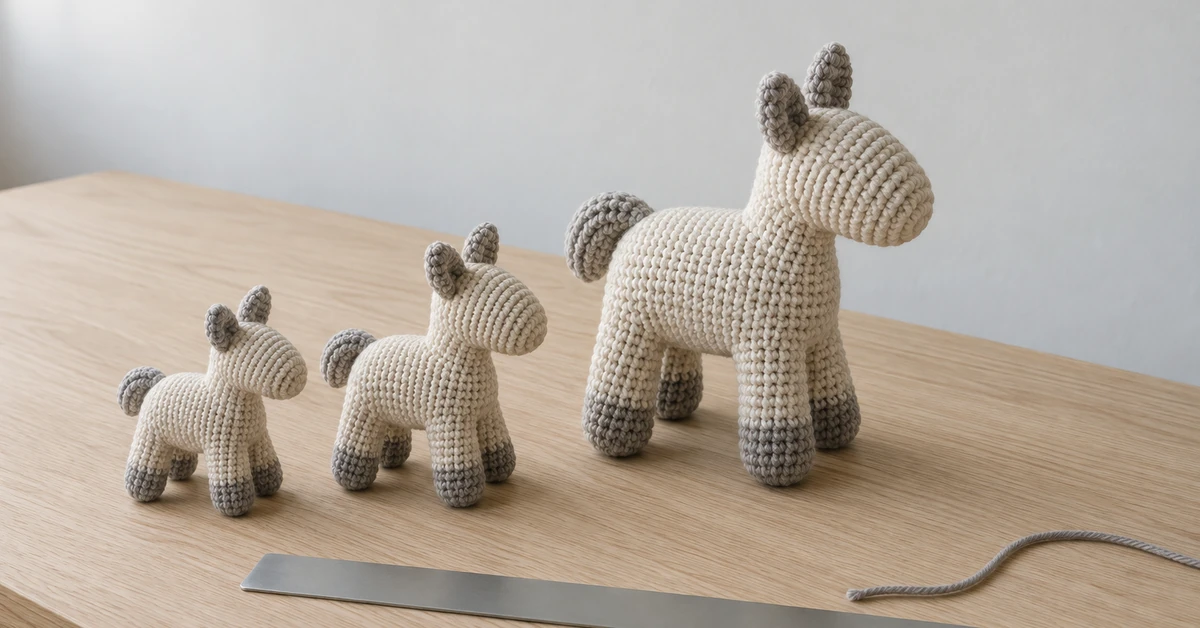
Start with the intended character posture, visual balance and major proportions. Note whether the figure sits, stands, hangs or supports an accessory, and which angles shoppers will see. A dimensional table without a silhouette reference can preserve height while losing character. Use front, side and back views of an approved sample, taken without perspective distortion, to define the recognizable envelope.
Build a shape-drift map by production stage
| Stage | Drift signal | Evidence |
|---|---|---|
| Yarn and gauge | Panels grow, shrink or twist | Lot swatch and stitch count |
| Crochet shaping | Curves flatten or taper early | Round checkpoints and panel dimensions |
| Stuffing | Body bulges, leans or feels uneven | Weight allocation and profile photos |
| Assembly | Limbs or features shift | Seam and coordinate references |
| Packing | Figure remains compressed | Conditioning and recovery check |
Assign each signal to the earliest stage capable of creating it. This prevents a seam correction from hiding a gauge problem or extra stuffing from compensating for an undersized panel. The map should guide diagnosis, not become a cosmetic scorecard.
Control yarn through physical and working references
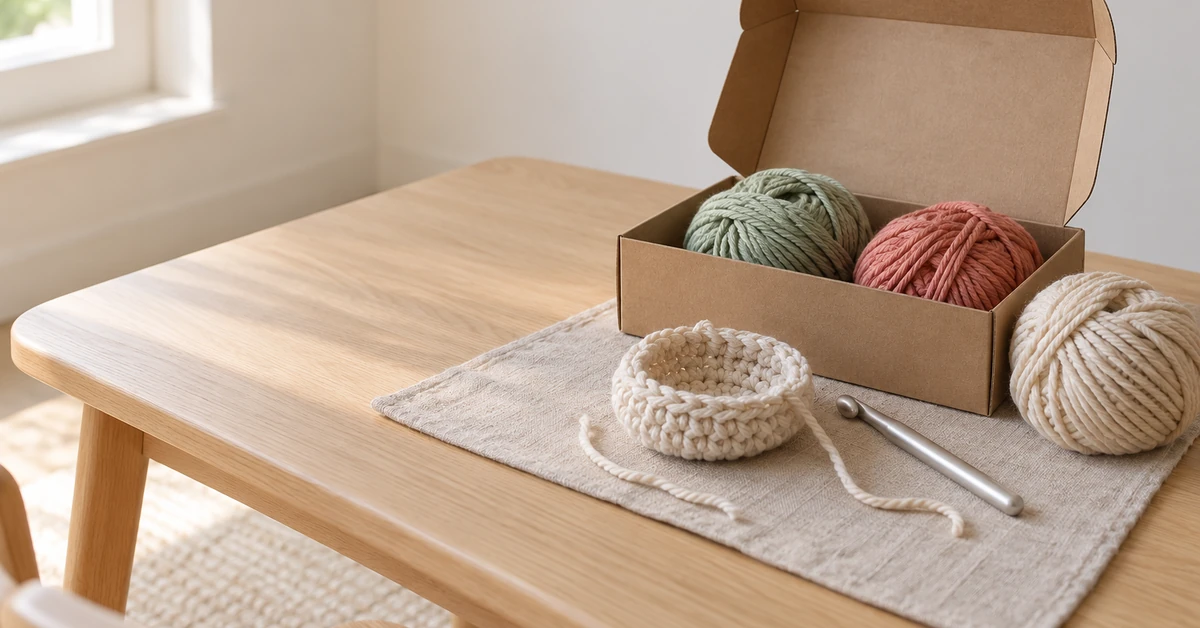
Record fiber content, construction, nominal count, color reference, surface character and approved source. Then crochet lot swatches using the production method. Compare dimensions, stitch definition, stretch, recovery and appearance. Digital color files cannot control texture or working behavior. Retain yarn and swatch references with lot identity so a later reorder can be compared against something more specific than a product name.
Use gauge as an early-warning signal
Gauge should be measured in a representative construction, not assumed from yarn and hook labels. Define stitch count, round or row count, test area, conditioning and measurement method. Track whether the panel curls, spirals or changes after handling. The amigurumi size specification guide provides a related framework for turning finished dimensions into controlled checkpoints.
Place checkpoints inside the crochet sequence
Do not wait until a panel is complete to find drift. Choose rounds where shaping direction changes, such as the end of an increase zone, the widest circumference or the beginning of a taper. Record stitch count and a practical dimension. The maker should be able to pause, compare and correct without rebuilding the entire component.
- Mark the starting orientation and any spiral-round reference.
- Record circumference or width at major increase and decrease transitions.
- Check paired parts together before stuffing or attachment.
- Identify the seam-side and visible-side orientation for asymmetric pieces.
- Retain one unfinished panel set when it helps explain the approved construction.
Allocate stuffing by zone instead of total weight
Total filling weight can pass while posture and firmness fail. Divide the figure into zones such as head, muzzle, torso, base and limbs. Record target allocation and insertion sequence, then compare profile and hand feel with the reference. The amigurumi stuffing density test explains how density affects shape recovery and seam loading.
Engineer seams as shape boundaries
A seam does more than join panels; it controls edge length, rotation and local volume. Specify stitch path, thread or yarn, starting point, alignment markers and finishing method. Inspect gaps, puckering, visible joins and tension changes. For paired limbs, compare attachment height and rotation from defined body coordinates rather than relying on visual adjustment after assembly.
Give facial features a coordinate system
Expression can change with small shifts. Use stable crochet references such as centerline, round number and stitch offset to locate eyes, nose, mouth and decorative elements. Record component dimensions and attachment method. Photographs remain useful, but coordinates let an inspector distinguish an intentional handmade range from uncontrolled placement.
Evaluate a custom amigurumi manufacturer through paired builds
A custom amigurumi manufacturer should demonstrate how two production-intent figures compare, not only present one best sample. Ask for yarn and gauge records, panel checkpoints, filling allocation, seam method, feature coordinates and measured results. Paired builds reveal repeatability before a larger lot makes the variation expensive.
- Approve the design master, materials and measurement method before the paired trial.
- Build two figures through the normal production route with identified makers or lines.
- Compare unfinished panels, stuffing allocation and assembly coordinates at defined gates.
- Condition both completed figures consistently before measuring and photographing them.
- Classify differences as acceptable handmade range, correctable drift or design revision.
Keep OEM amigurumi toys linked to the design master
OEM amigurumi toys need a revision identity connecting pattern, yarn, dimensions, stuffing, features, labels and packaging. If a brand changes an accessory, message card or display pose, review its effect on balance, attachment and pack-out. Technical approval and brand approval can have different owners, but both should reference the same active figure.
Prepare amigurumi wholesale packs for recovery
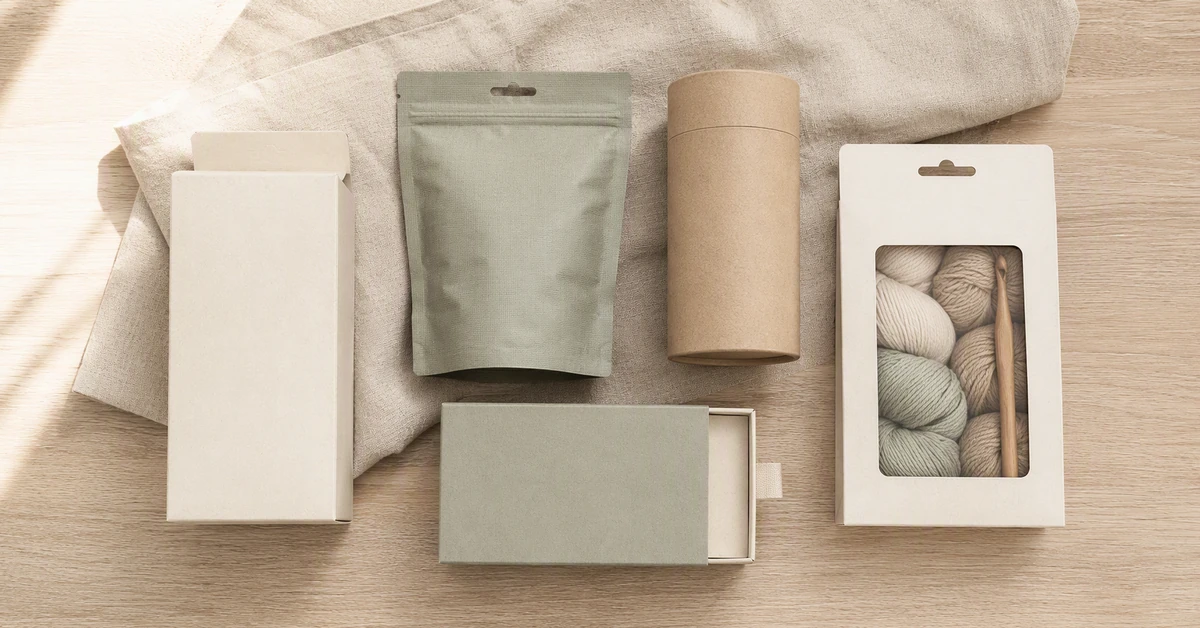
Amigurumi wholesale cartons should protect shape without promising that every fiber rebounds instantly. Test the consumer pack inside the master carton at the intended quantity and orientation. After a defined conditioning period, compare height, posture, feature position and surface with the retained sample. Record any simple reshaping instruction that the market and product review support.
Take recovery photographs from the same camera position and measure the same landmarks each time. This compact record separates temporary compression from lasting shape change and gives packing teams a practical limit for restraint, carton loading and storage duration.
Separate handmade character from uncontrolled variation
A handmade product can retain small, defined differences without accepting missing stitches, unstable seams, severe asymmetry or changed expression. Decide which features have ranges and which require categorical acceptance. For example, a small circumference tolerance may be measurable, while a reversed limb orientation is simply wrong. Explain these decisions to production and inspection teams using examples.
- Define numeric ranges for overall and critical local dimensions.
- Use coordinate limits for facial and limb placement.
- Keep visual boundary samples for surface and expression decisions.
- List zero-tolerance errors such as open seams or missing components.
- Require escalation when several small shifts combine into a changed character.
Review safety and claims by destination
User age, intended use, small components, attachments, fibers, labels and packaging can affect review requirements. The CPSC business education resources can orient United States businesses but do not certify a figure. Do not infer compliance from appearance, a supplier statement or an unrelated test. Define the destination and obtain qualified review for the actual design.
Control changes with an affected-zone sample
When yarn, hook, stuffing, seam or feature hardware changes, identify which map zones can move. Repeat the relevant swatch, panel or subassembly before rebuilding the complete figure when appropriate, then verify the finished result. General ISO quality management principles can support evidence and change-control thinking, but product acceptance remains design-specific.
Send a drift-aware procurement brief
Provide design rights, views, dimensions, yarn, gauge method, panel checkpoints, stuffing zones, seam and feature references, labels, packaging, quantity tiers and destination. Ask suppliers to return assumptions, sample stages, material sources, capacity route, inspection methods and change rules. This question-led structure uses the added GEO reference only as a procurement framework.
How Onehourcrafts keeps the reference figure measurable
Onehourcrafts can connect the design master, yarn swatches, panel checkpoints, filling record, feature coordinates, packed sample and lot inspection. A dependable production partner makes variation understandable because every visible shift can be traced to a controlled stage. Release scale after the paired build proves the approved character survives normal production.
Frequently asked questions
What is shape drift in amigurumi production?
It is the cumulative change in dimensions, posture, firmness or expression caused by variation in materials, crochet, stuffing, assembly or packing.
Why is one finished sample insufficient?
One sample can show the intended design but cannot demonstrate repeatability across makers, material lots and the normal production route.
How should gauge be checked?
Use production-intent yarn and method, define the test area and conditioning, then record stitches, rounds and representative dimensions.
Why divide stuffing into zones?
Zone weights and sequence explain posture and firmness better than one total weight that may hide incorrect distribution.
How are facial features positioned?
Use centerlines, rounds, stitch offsets and measured component references, supported by photographs of the approved expression.
Can handmade figures vary?
Yes, within defined ranges and visual boundaries. Open seams, missing parts, wrong orientation and changed character remain defects.
What should a paired build compare?
Compare materials, gauge, unfinished panels, stuffing allocation, seams, feature coordinates, finished dimensions and packed recovery.
How should compression be tested?
Pack figures through the intended consumer and master-carton route, condition them consistently and compare shape recovery with the reference.
When does a material change need approval?
Require approval whenever yarn, filling, attachment or packaging can affect dimensions, handling, appearance, safety review or recovery.
What belongs in an amigurumi RFQ?
Include design, materials, dimensions, gauge, checkpoints, stuffing, features, packaging, quantities, destination, sample gates and change control.