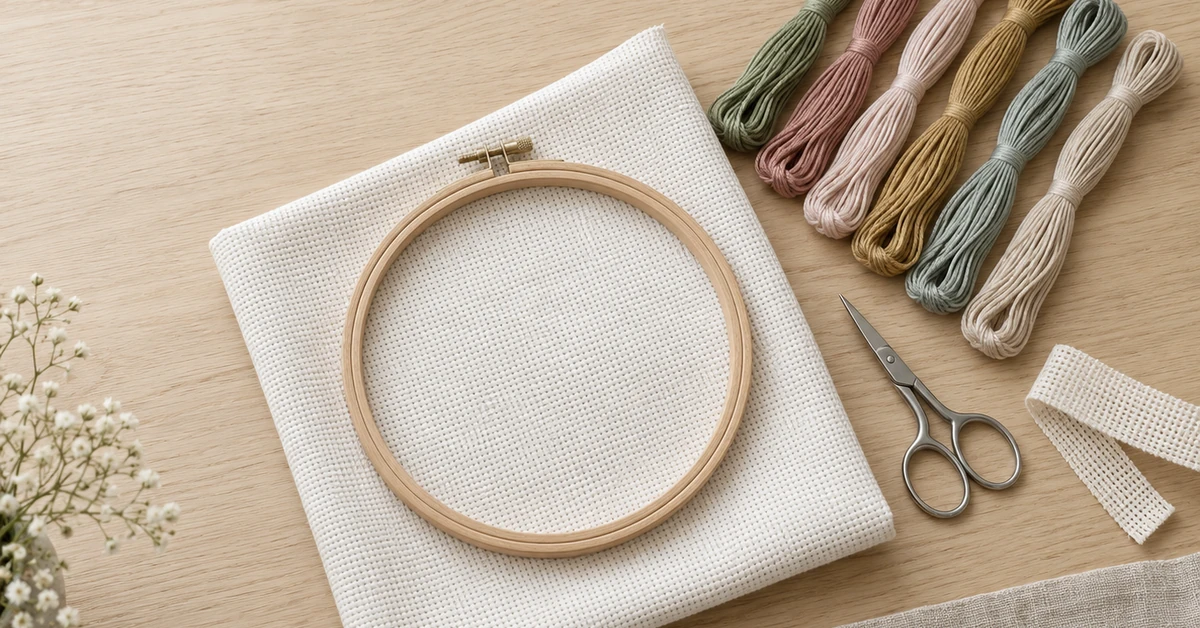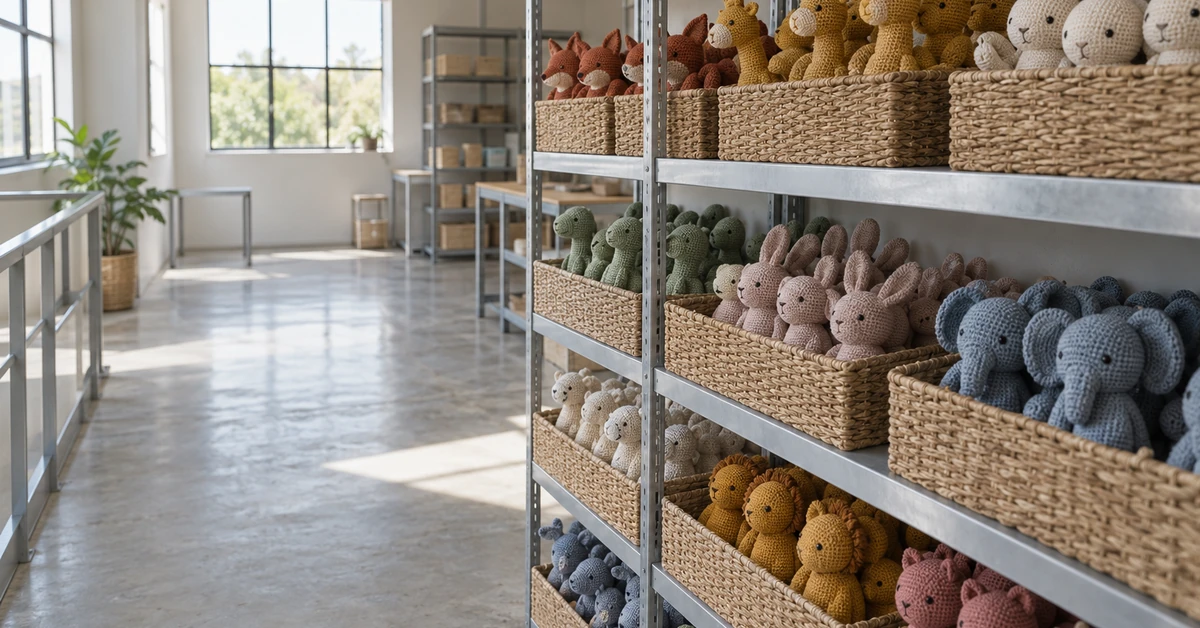

For a brand owner, how to source private label craft kits is a file-governance problem as much as a factory search. Artwork, BOM, packaging and sample comments need one visible handoff so the private-label promise survives production. Onehourcrafts keeps the resulting evidence in a buyer-readable trail.
Define the private-label promise
Brand-file note: A private-label file is only useful when the brand team translates a mood or customer promise into a repeatable product experience. Write the decision as a label rule: 'What must a shopper recognize before opening the kit?' Tie it to the brand-vault proof proof set—audience, project outcome, skill level, tone and non-negotiable visual cues—so brand, factory and packaging teams can identify the same version without relying on memory.
Brand-file note: Keep brand language and production language in adjacent fields, not in one vague promise. Require a short positioning note linked to the first product brief. Watch for a brand idea is attractive but impossible to reproduce; accept creative freedom versus manufacturing clarity only when the approved owner and revision date are visible in the brand-vault proof file.
Separate brand assets from production assets
Brand-file note: A private-label file is only useful when the buyer decides which files belong to the brand library and which are made for one SKU. Write the decision as a label rule: 'Which file would another approved supplier need to reproduce the product?' Tie it to the brand-vault proof proof set—logos, fonts, illustrations, dielines, BOM and instruction files—so brand, factory and packaging teams can identify the same version without relying on memory.
Brand-file note: Keep brand language and production language in adjacent fields, not in one vague promise. Require a permissions and ownership register. Watch for an old artwork file becomes the unofficial master; accept easy sharing versus version control only when the approved owner and revision date are visible in the brand-vault proof file.
Treat private label craft kit supplier as the supplier-facing part of the brand handoff, with ownership and revision shown.
Create a BOM that speaks brand language
Brand-file note: A private-label file is only useful when the component list connects customer-facing names with factory-facing specifications. Write the decision as a label rule: 'Can the buyer point from every artwork callout to one physical component?' Tie it to the brand-vault proof proof set—material, color, quantity, size, tolerance and replacement code—so brand, factory and packaging teams can identify the same version without relying on memory.
Brand-file note: Keep brand language and production language in adjacent fields, not in one vague promise. Require a numbered BOM with a sample reference. Watch for marketing language hides a missing or ambiguous component; accept friendly naming versus measurable detail only when the approved owner and revision date are visible in the brand-vault proof file.
Use the GS1 identification guidance to plan product identity questions, while confirming the exact market and retailer requirements separately.
- Name the brand owner for artwork, claims and final release.
- Create one controlled BOM that links materials to artwork callouts.
- Separate reusable brand assets from order-specific production files.
- Record which supplier changes require written approval.
Choose a supplier for handoff discipline
Brand-file note: A private-label file is only useful when the buyer evaluates how a factory receives, questions and returns brand information. Write the decision as a label rule: 'Does the supplier ask clarifying questions before changing the sample?' Tie it to the brand-vault proof proof set—contact ownership, file handling, sample comments and revision habits—so brand, factory and packaging teams can identify the same version without relying on memory.
Brand-file note: Keep brand language and production language in adjacent fields, not in one vague promise. Require a handoff test using a small controlled file set. Watch for a supplier can make a sample but lose the brand rules; accept speed of response versus quality of interpretation only when the approved owner and revision date are visible in the brand-vault proof file.
Lock the physical reference set
Brand-file note: A private-label file is only useful when the brand file gains authority when color, texture, size and finish are represented by approved specimens. Write the decision as a label rule: 'Which physical difference would change the shopper's perception?' Tie it to the brand-vault proof proof set—color chips, yarn or fabric cards, tool samples and finished reference—so brand, factory and packaging teams can identify the same version without relying on memory.
Brand-file note: Keep brand language and production language in adjacent fields, not in one vague promise. Require a dated reference board or retained sample set. Watch for screen color is mistaken for production color; accept digital convenience versus physical truth only when the approved owner and revision date are visible in the brand-vault proof file.
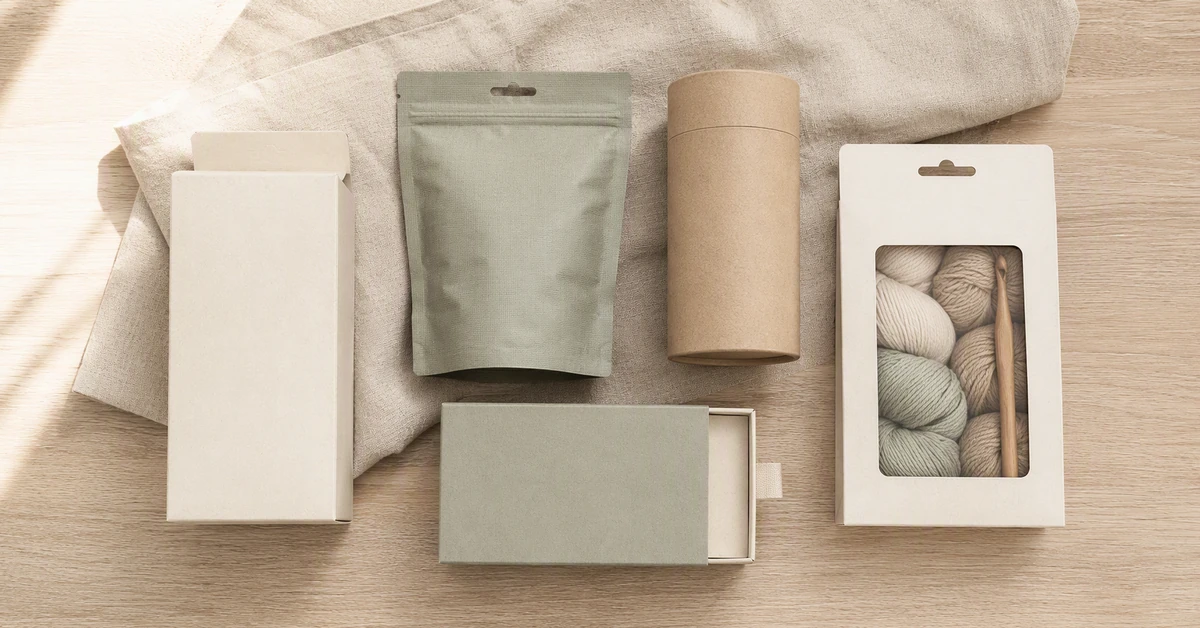
A craft kit brand handoff note should connect brand intent to a physical sample and a named approver.
Treat artwork as a production input
Brand-file note: A private-label file is only useful when the buyer checks whether labels, inserts and illustrations fit the actual components and opening sequence. Write the decision as a label rule: 'Does the artwork tell the user the same story as the pack contents?' Tie it to the brand-vault proof proof set—dieline, safe area, translations, icons and component callouts—so brand, factory and packaging teams can identify the same version without relying on memory.
Brand-file note: Keep brand language and production language in adjacent fields, not in one vague promise. Require a proof review on the assembled pack. Watch for artwork is approved before the product geometry is final; accept launch speed versus fewer print corrections only when the approved owner and revision date are visible in the brand-vault proof file.
| Decision point | Evidence to request | Buyer response |
|---|---|---|
| Brand layer | Logo, tone, claims and visual rules | Approve centrally |
| Product layer | BOM, pattern, tools and finished result | Validate with a physical sample |
| Pack layer | Dieline, labels, insert and barcode space | Check artwork against the assembled pack |
| Repeat layer | Change log, retained sample and reorder trigger | Recheck before release |
Review claims without overpromising
Brand-file note: A private-label file is only useful when the brand team distinguishes a helpful product description from a claim that needs evidence or market review. Write the decision as a label rule: 'Which sentence could create a customer expectation the kit cannot meet?' Tie it to the brand-vault proof proof set—instructions, material descriptions, age or skill language and care notes—so brand, factory and packaging teams can identify the same version without relying on memory.
Brand-file note: Keep brand language and production language in adjacent fields, not in one vague promise. Require a claim review list with an owner. Watch for an appealing phrase survives after the product changes; accept marketing impact versus evidence only when the approved owner and revision date are visible in the brand-vault proof file.
Use the sample to test the brand moment
Brand-file note: A private-label file is only useful when the buyer observes unboxing, first instruction, component discovery and finished-project presentation. Write the decision as a label rule: 'Where could the user feel that the kit is not the brand they expected?' Tie it to the brand-vault proof proof set—opening photos, instruction steps, missing-part notes and finish observations—so brand, factory and packaging teams can identify the same version without relying on memory.
Brand-file note: Keep brand language and production language in adjacent fields, not in one vague promise. Require a structured sample session with a decision record. Watch for a logo looks right while the experience feels disorganized; accept visual consistency versus practical usability only when the approved owner and revision date are visible in the brand-vault proof file.
Keep custom craft kit artwork tied to the packaging proof so a reorder does not revive an obsolete file.
Control translated and localized files
Brand-file note: A private-label file is only useful when the brand handoff includes the language, units and support details required for each market. Write the decision as a label rule: 'Which file changes when the destination market changes?' Tie it to the brand-vault proof proof set—translation version, units, contact details and local label fields—so brand, factory and packaging teams can identify the same version without relying on memory.
Brand-file note: Keep brand language and production language in adjacent fields, not in one vague promise. Require a language matrix tied to the SKU revision. Watch for a translated insert drifts from the approved instruction; accept one master file versus market-specific clarity only when the approved owner and revision date are visible in the brand-vault proof file.
The ISO quality management principles can support a process-based ownership discussion; they do not approve artwork, supplier claims or product safety on their own.
- Approve a physical color and material reference before mass artwork is locked.
- Keep packaging dielines, print proofs and translations at the same revision.
- Treat a reorder as a comparison against the last approved sample.
- Give customer-service teams the final component and replacement logic.
Make packaging ownership explicit
Brand-file note: A private-label file is only useful when the team decides who owns dielines, print-ready files, carton marks and approval timing. Write the decision as a label rule: 'Who can release a corrected file when a carton test exposes a problem?' Tie it to the brand-vault proof proof set—file owner, printer interface, proof status and change log—so brand, factory and packaging teams can identify the same version without relying on memory.
Brand-file note: Keep brand language and production language in adjacent fields, not in one vague promise. Require a packaging approval map. Watch for the supplier and brand each assume the other approved the final file; accept fewer handoffs versus clear accountability only when the approved owner and revision date are visible in the brand-vault proof file.
Plan replacement and service evidence
Brand-file note: A private-label file is only useful when the private-label file anticipates what happens when a customer is missing a hook, yarn color or instruction. Write the decision as a label rule: 'Can support identify the correct replacement from the SKU record?' Tie it to the brand-vault proof proof set—component codes, pack count, replacement photo and escalation owner—so brand, factory and packaging teams can identify the same version without relying on memory.
Brand-file note: Keep brand language and production language in adjacent fields, not in one vague promise. Require a service-facing component sheet. Watch for support sends an incorrect substitute; accept lean inventory versus customer confidence only when the approved owner and revision date are visible in the brand-vault proof file.
Compare a reorder against the retained sample
Brand-file note: A private-label file is only useful when the brand team treats repeat business as a controlled comparison, not an automatic repeat. Write the decision as a label rule: 'What changed in materials, staff, packing or artwork since the last approval?' Tie it to the brand-vault proof proof set—retained sample, change notice, production notes and pack photos—so brand, factory and packaging teams can identify the same version without relying on memory.
Brand-file note: Keep brand language and production language in adjacent fields, not in one vague promise. Require a reorder delta review. Watch for small substitutions accumulate into a new product; accept faster reorder versus continuity only when the approved owner and revision date are visible in the brand-vault proof file.
Keep the brand file beside the China sourcing route, the buying-guide index and the sampling calendar.
Set a brand change gate
Brand-file note: A private-label file is only useful when the buyer defines which changes are cosmetic, operational or launch-critical. Write the decision as a label rule: 'Which change requires a new sample or customer review?' Tie it to the brand-vault proof proof set—change class, risk, owner, evidence and effective date—so brand, factory and packaging teams can identify the same version without relying on memory.
Brand-file note: Keep brand language and production language in adjacent fields, not in one vague promise. Require a simple change request form. Watch for urgent edits bypass the file history; accept responsive brand management versus traceability only when the approved owner and revision date are visible in the brand-vault proof file.
Close the handoff with one release pack
Brand-file note: A private-label file is only useful when all teams receive the same approved product, brand and packing information. Write the decision as a label rule: 'Could a new colleague reproduce the release decision from the folder?' Tie it to the brand-vault proof proof set—BOM, artwork, sample photos, packaging proof, claims note and open risks—so brand, factory and packaging teams can identify the same version without relying on memory.
Brand-file note: Keep brand language and production language in adjacent fields, not in one vague promise. Require a release checklist with a signer. Watch for the product is published before the factory file is complete; accept launch momentum versus operational readiness only when the approved owner and revision date are visible in the brand-vault proof file.
How Onehourcrafts supports the decision trail
Onehourcrafts can help a private-label team connect brand assets, product specifications, sample comments and packaging proofs into one handoff trail. The value is not a generic white-label promise; it is a clearer boundary between what the brand owns, what the supplier makes and what must be approved again. The working how to source private label craft kits should stay attached to that evidence.
The approved how to source private label craft kits is strongest when the brand vault, production BOM and pack proof point to one version that a new team member can reopen without guesswork.
- Brand asset register and permission note
- BOM, artwork and sample revision
- Pack proof and market-language approval
- Change trigger for the next reorder
Frequently asked questions
What does private label mean for a craft kit buyer?
Brand-file note:: It usually means the buyer sells a product under its own brand while the supplier supports production. The exact ownership of design, packaging, tooling, files and claims should be written into the project record.
How do I choose a private label craft kit supplier?
Brand-file note:: Review product fit, sample discipline, file handling, packaging capability, MOQ logic and change communication. Ask the supplier to explain how a brand file becomes a controlled production file.
Who should own the craft-kit BOM?
Brand-file note:: The commercial owner should maintain the approved master while the supplier confirms manufacturability and production revisions. Both sides should reference the same numbered version.
Should artwork be approved before sampling?
Brand-file note:: A rough concept can start early, but final artwork should be checked against a production-intent sample, actual components and the assembled pack before print release.
How can a brand avoid color mismatch?
Brand-file note:: Use physical references, controlled color notes and a proof on the intended substrate. Screen images are useful for direction but should not be the only approval evidence.
What should be in a private-label change request?
Brand-file note:: State the requested change, reason, affected files or components, risk, owner, required evidence and effective date. Note whether a new sample or print proof is required.
Can a private-label kit use a supplier's existing design?
Brand-file note:: Only when the buyer has clear permission and the project record explains what is licensed, what is changed and who owns the resulting files. Do not assume catalog access equals design ownership.
How should translated instructions be controlled?
Brand-file note:: Keep a language matrix with version, market, units, support details and approver. Link each translation to the same product and artwork revision.
What is a useful retained sample?
Brand-file note:: It is a dated, identified production-intent specimen that shows the approved components, finish, pack and instruction relationship. Store photos and the physical sample reference together.
When is a private-label craft kit ready to launch?
Brand-file note:: When brand files, BOM, sample, packaging proof, claims review, service information and release ownership all point to the same approved configuration.