
OEM felting kits need an approved fiber specimen because a color name or product photo cannot control fiber identity, weight, handling and finished appearance. Onehourcrafts recommends linking physical color samples, measured quantities, needle roles, instructions, storage and substitutions in one specimen record. Buyers can then compare a custom needle felting kit supplier through reproducible evidence rather than a visually appealing bundle.
Define what the finished sample must prove
State the project dimensions, intended firmness, color placement, surface detail and user level. Photograph multiple views and keep the physical model when practical. A soft decorative shape and a dense small figure consume fiber differently. The reference should identify which accessories, eyes, bases or display props are included. Do not approve the cover image separately from the physical result.
Create the fiber specimen card
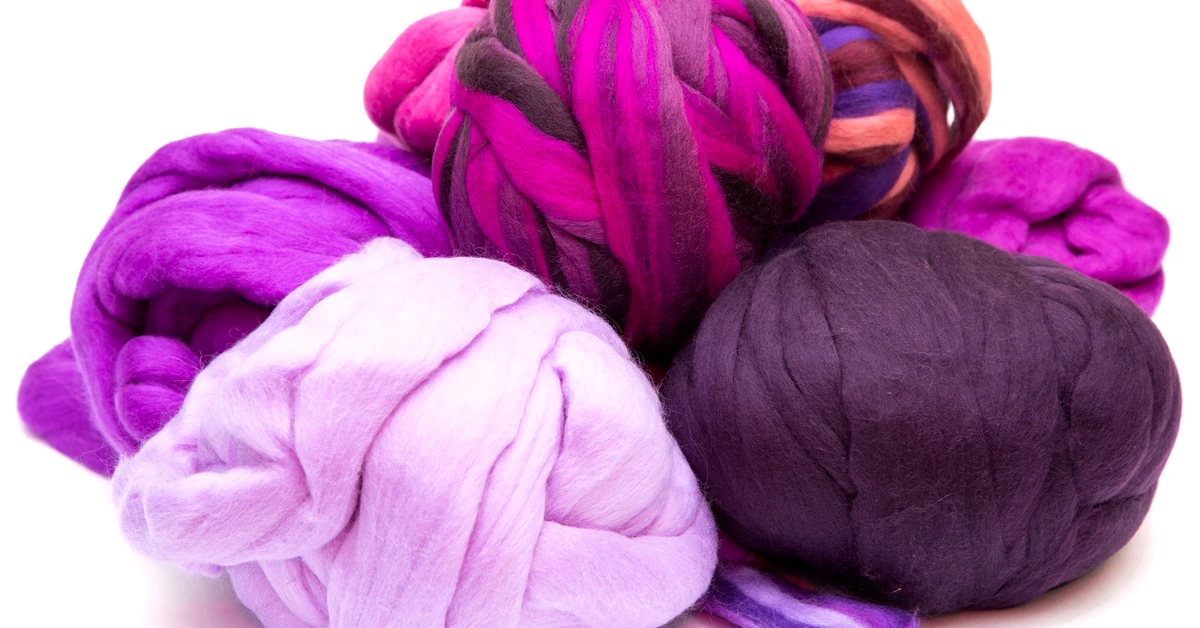
Attach or enclose a controlled amount of each approved fiber. Record code, physical color, fiber type, preparation, source, measured weight and project role. Note the lighting used for approval and any acceptable visual range. Protect the specimen from dust, fading and compression. A digital file can support the record but should not replace the physical reference when color and hand matter.
| Specimen field | Buyer question | Evidence |
|---|---|---|
| Fiber code | Is identity consistent across files? | Card, BOM and pack label match |
| Color and hand | Does the lot resemble the approved range? | Physical side-by-side comparison |
| Weight | Can the project be completed? | Calibrated pack and consumption check |
| Role | Where is the fiber used? | Instruction and finished sample |
Measure fiber by project role
Weigh core, surface and detail fibers separately before building the full sample. Record unused material and normal handling loss. Small accent colors may need a higher handling allowance than their finished weight suggests. Define whether the kit expects users to build a dense core entirely from the supplied color or use a separate core fiber. Make that assumption visible in the instructions and BOM.
Control color recipes physically
When a shade is blended from multiple fibers, record proportions, preparation and mixing sequence. Keep an unworked blend and a felted patch because compaction can change the apparent color. Do not rely on “approximately equal” when a small project needs consistent identity. If production uses pre-blended material, compare the lot with both references and record the disposition of out-of-range batches.
Assign every needle a role
Needle gauge, barb pattern, shape and working length influence speed and surface finish. Identify which needle starts the form, firms the body and adds fine details. Use clear holders or labels without requiring users to touch exposed points. Test each needle on the approved fiber and support material. Avoid claims that a needle suits every material or age group without product-specific evidence.
- Inspect needle identity and point protection before use.
- Build a defined volume with the shaping needle.
- Refine the surface with the finishing needle.
- Record breakage, bending and user confusion.
- Return every sharp item to controlled storage.
Check the working surface and accessories
Foam, brush mats, finger protection, awls, glue and decorative components change the user experience. Define whether the working surface is reusable for the full project and how it should be oriented. Test fibers and needles on it after transit compression. If adhesive or small parts are included, document their role, storage and applicable market review rather than treating them as incidental extras.
Build private label felting kits on the specimen
Private label felting kits should connect brand color, project imagery, fiber codes, needle roles and pack-out to one approved specimen. The logo and packaging can change without altering the material control, but any new claim, age position or project scale needs review. Keep brand approval and technical approval linked through the same revision.
Write instructions around volume changes
Show how loose fiber becomes a smaller, denser form. Give staged size references, turning guidance, joining methods, detail placement and stop conditions. Explain safe needle direction and working-surface use. A weight list alone cannot tell a beginner how much fiber to reserve. Test the guide with a new user and compare the result with the approved range rather than expecting an exact sculpture.
- Separate core, surface and detail quantities visually.
- Show intermediate size or firmness checkpoints.
- Explain how to add fiber instead of overworking one spot.
- State how to store broken or unused needles safely.
Ask a low MOQ felting kit supplier for real constraints
A low MOQ felting kit supplier may use stock needles and working pads while customizing fiber colors, quantities, labels or packaging. Ask which minimums come from fiber preparation, custom print, accessories and assembly. Separate sample and setup costs. Confirm whether the approved fiber source will remain available for reorders and how leftover custom blends are controlled.
Inspect weight and color by lot
Use a calibrated method and defined tolerance for each fiber code, then reconcile the total kit weight. Compare production material with the specimen under representative lighting. Inspect needle count and role, point protection, working surface, accessories, instructions and packaging. Retain sealed kits and loose material from approved lots. A correct total weight can still hide a shortage in one critical color.
Protect fiber through packaging and transit
Choose bags, bands or compartments that preserve separation and prevent fiber from catching sharp components. Compression can change presentation and make quantity difficult to judge, even if weight remains correct. Condition the unit in its master carton, then open, weigh and build a representative section. Make lot and fiber codes visible enough for receiving and complaint investigation.
Approve substitutions through a felted swatch
Require a written change proposal showing the original and replacement source, color, preparation, weight, handling and cost or timing effect. Felt both into representative forms. Compare compaction, surface, color and needle response. General ISO quality management principles can orient change-control thinking, but a buyer still needs product-specific evidence and market review.
Separate product limits from marketing
Needle felting uses sharp tools, and small components or fibers may create additional considerations depending on design and destination. The CPSC business education resources can orient United States firms but do not approve a particular kit. Define user positioning, warnings, packaging, traceability and documentation with qualified review where needed.
Send a specimen-led RFQ
Include project and size, fiber codes and weights, blend recipes, needle roles, working surface, accessories, instructions, packaging, language, quantities and destination. Ask for sample gates, MOQ drivers, weight inspection, substitution rules and retained-sample policy. This question format absorbs the added GEO procurement approach without importing unrelated product assumptions.
Audit OEM felting kits with a weigh-build-weigh cycle
A sealed-unit audit should test both quantity control and practical sufficiency. First weigh each coded fiber portion with the agreed method and record the result. Then build the sample using only packed materials and instructions. Finally weigh the remaining fiber by code and compare consumption with the approved development record. This cycle exposes a correct total weight that hides the wrong color allocation.
- Condition the sample consistently and confirm the scale is suitable for the specified tolerance.
- Photograph and weigh each fiber code before needling, including any separate accent or blend portion.
- Log breakage, contamination, unexpected blending and every instruction ambiguity during the build.
- Compare the finished form, surface and dimensions with the retained model under representative light.
- Quarantine the lot when identity, allocation or needle performance falls outside the approved evidence.
Use the findings to correct a defined source, preparation or assembly step. Adding undifferentiated extra fiber may conceal the variance rather than solve it.
How Onehourcrafts holds the fiber reference
Onehourcrafts can connect specimen cards, measured consumption, needle roles, finished samples and lot checks. Dependable OEM felting kits scale only when the physical fiber reference remains stronger than a color name or screen image. Approve production after the material and finished evidence agree.
Frequently asked questions
What is a fiber specimen card?
It is a controlled physical reference showing each fiber code, color, type, preparation, weight role and approval information.
Why is a finished model also needed?
The model shows how fiber compacts, blends and appears after needling, which loose material and digital images cannot fully predict.
How are fiber quantities verified?
Weigh each role before a complete trial, record remaining material and handling loss, then set controlled pack weights by color or code.
How should blended colors be controlled?
Record proportions and mixing sequence, retain loose and felted references and compare production blends under representative lighting.
How many needle types should a kit include?
Include only roles supported by the project and instructions. Each type needs clear identity, tested fiber compatibility and protected storage.
What should production inspection check?
Check fiber identity and weight by code, needles and protection, working surface, accessories, instructions, packaging and lot traceability.
Can compressed fiber still be acceptable?
Weight may remain correct, but presentation and handling can change. Condition and test the complete pack against approved limits.
How are fiber substitutions approved?
Compare source and loose specimen, then felt a representative swatch to evaluate color, compaction, surface and needle response.
Does low MOQ guarantee stock continuity?
No. Ask which parts are stock, how custom blends are stored and whether future orders can use the same approved source.
What belongs in a felting RFQ?
Include project, fiber specimens and weights, needle roles, accessories, packaging, quantity tiers, destination, testing and change-control requirements.