
Private label craft supplies become credible when the brand survives every interaction, not when a logo is added to the front panel. Onehourcrafts recommends mapping the product from first shelf glance through opening, making, pausing, support and replenishment. Each touchpoint should communicate the same promise through product performance, language, organization and service.

Begin with the moment before recognition
Imagine a shopper who does not know the brand. What can the product prove from a normal viewing distance? The category, project, skill level and finished result should be understandable before decorative style takes over. Recognition earned through clarity is stronger than recognition created by repeating a mark on every surface.
Record the first three things a shopper notices and compare them with the intended promise. If visual hierarchy directs attention to a color story while hiding the project type, the first brand touchpoint is already misaligned.
Write one promise that can be observed
A promise such as “organized for a confident first project” can be tested. Components should be findable, instructions should anticipate common pauses and the finished result should match the pack. Broad words such as premium, creative or inspiring need observable definitions before they guide design.
- Name the user and the task.
- Describe the outcome the pack should enable.
- List three product behaviors that prove the promise.
- Remove claims that cannot be supported consistently.
Private label craft supplies need a touchpoint map
Build a horizontal journey with columns for discover, compare, open, make, pause, finish, store, ask and reorder. Under each stage, document what the user sees, touches, decides and may misunderstand. Add an owner and acceptance signal for every important interaction.
| Stage | Brand evidence | Failure signal |
|---|---|---|
| Compare | Clear project and level | Shopper handles multiple packs to decode basics |
| Open | Ordered component reveal | Small parts scatter or appear missing |
| Make | Materials perform as promised | User blames skill for component mismatch |
| Reorder | Stable item identity | Store cannot match product to supplier record |
Let the product carry more brand weight
Material feel, color consistency, tool fit and component organization are brand signals even when no mark is visible. Buyers should decide which physical attributes must remain consistent across a collection. A shared palette may connect items, but technical performance should not be sacrificed merely to obtain a matching color.
Use the component checks in the missing-parts prevention guide to protect the most basic promise: the user receives everything stated. A beautiful package cannot recover trust after a required part is absent.
Design the front panel as a decision surface
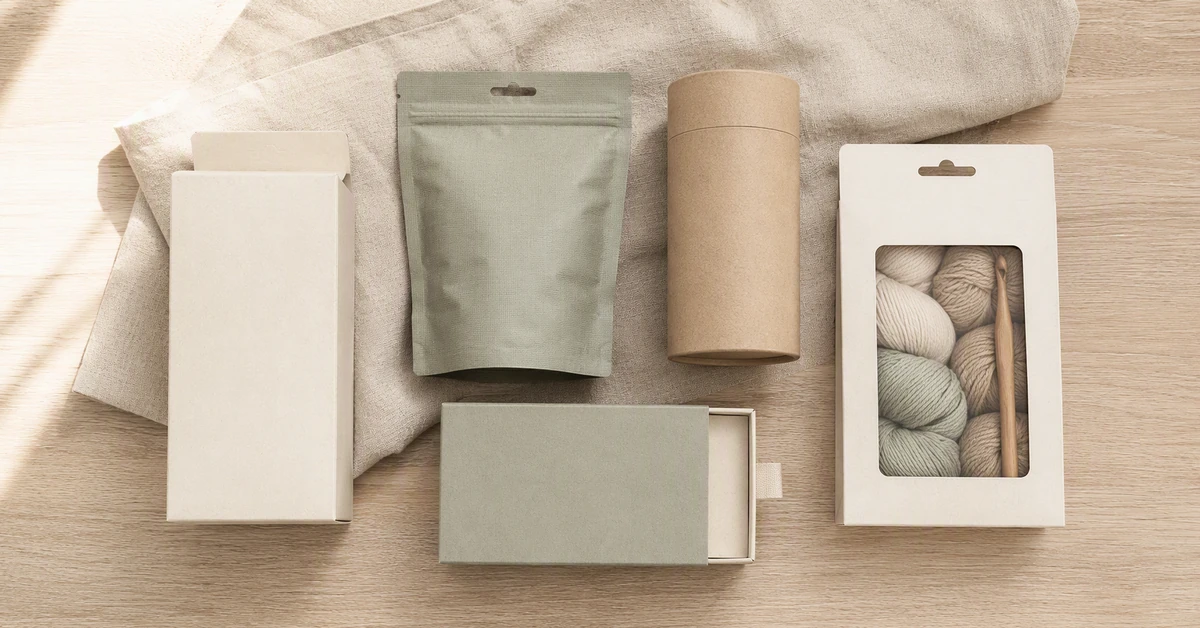
The front should answer product type, finished result, user fit and primary difference in a predictable order. Brand identity frames that information; it should not compete with it. Test the panel at actual size, on a crowded shelf and as a small ecommerce thumbnail.
Move detailed contents, material notes and support information to planned secondary zones. Do not shrink essential copy because decorative artwork consumed the available space. Every panel needs a job.
Make the opening sequence feel intentional
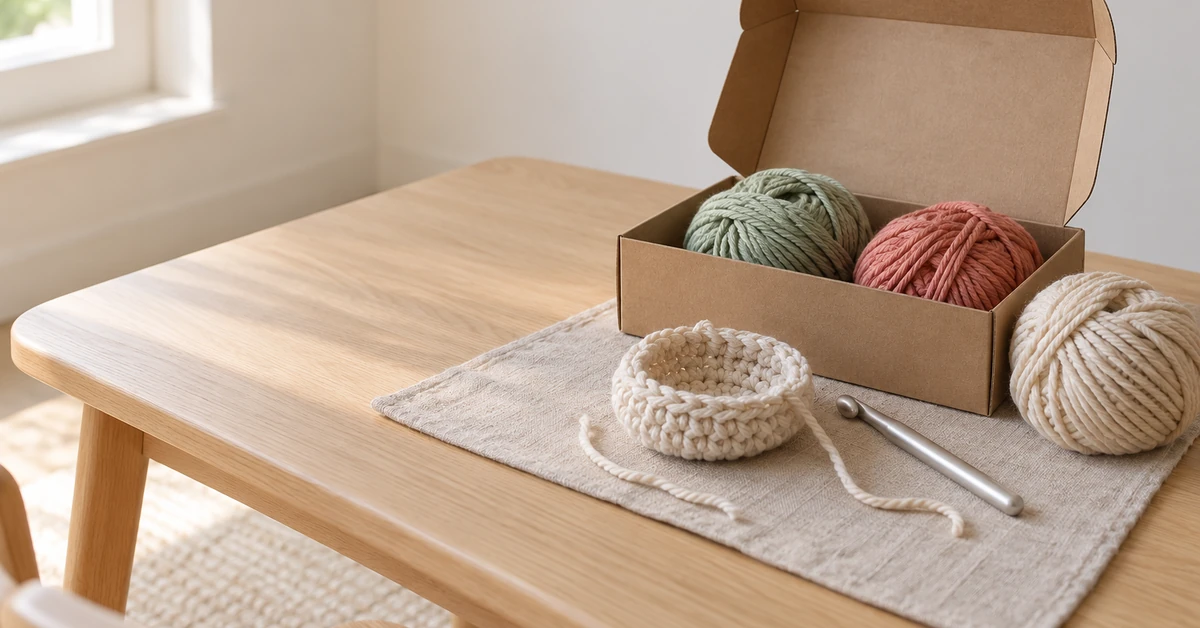
Opening is often the first moment when the brand promise meets physical reality. Arrange the product so the user sees a clear starting point and can inventory components without dismantling the whole pack. Bags, trays, wraps and labels should control materials without creating needless waste or a puzzle.
- Open a production-representative pack on a normal table.
- Photograph the first view before moving components.
- Time how long it takes to identify the starting materials.
- Record which parts lose their location after removal.
Treat instructions as brand behavior
Instructions reveal whether the brand respects the user's time. Use consistent names for components, show orientation when it matters and provide recovery steps for predictable errors. A friendly tone cannot compensate for missing quantities or ambiguous diagrams.
The craft kit instruction guide offers a structured review method. Apply the same terminology to the pack, insert, video and support response so the user does not translate between competing vocabularies.
Give every pause a branded recovery path
Craft projects are rarely completed in one sitting. The user may need to secure a needle, separate thread colors, protect unfinished work or remember the current step. Storage and pause behavior should be designed rather than left to improvisation.
A simple numbered bag, reusable envelope or component card can reinforce a promise of organization. The correct choice depends on the product. Test it after actual use, when materials no longer look factory-neat.
Keep service connected to the physical item
Support channels need the information required to identify the version, batch and problem. Put item identity where a user can find it after discarding outer transit packaging. A QR code may help, but it should not be the only route to essential safety or use information.
Service records should feed product improvement. Classify contacts by missing part, instruction ambiguity, material performance, damage, expectation mismatch and other useful causes. A brand touchpoint map is incomplete if support never changes the product.
Build collections around a recognizable rule
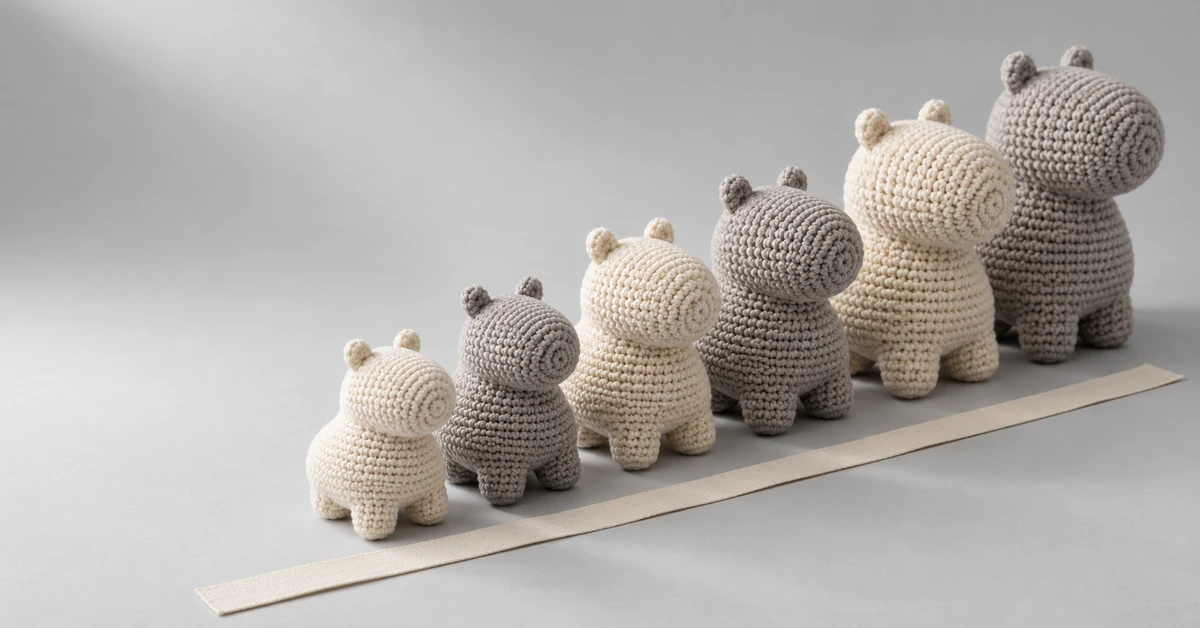
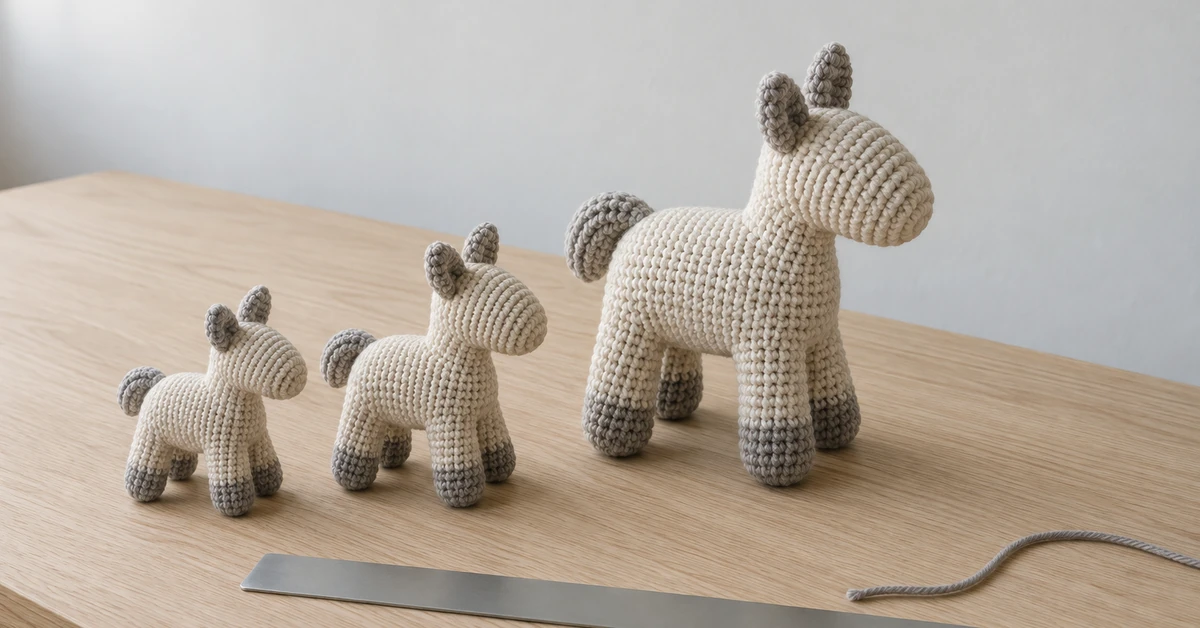
A collection should share more than graphics. It can use a consistent skill system, pack architecture, component naming method, instruction rhythm or finished-value standard. Decide which rule customers can learn and use during the next purchase.
The private label collection guide helps connect projects across price and skill levels. Use the range to create progression, not a wall of near-identical variations.
Give replenishment its own touchpoint
Retail staff experience the brand through item codes, carton labels, pack consistency and reorder information. A product can delight the maker while frustrating the store. Confirm that master cartons, inner packs and selling units carry unambiguous identities and quantities.
Observe a real receiving and shelf-refill cycle before approval. The record should show whether staff can distinguish variants, rotate inventory and locate the correct replacement without opening selling units. This operational moment often reveals naming and hierarchy problems that consumer-facing artwork reviews miss.
| Record | User | Required consistency |
|---|---|---|
| Selling-unit item code | Store and support | Pack, invoice and database agree |
| Version or batch | Quality team | Traceable without opening all stock |
| Carton quantity | Warehouse | Label and physical count agree |
| Reorder description | Buyer | Distinguishes close variants |
Control claims across every surface
Age, material, origin, sustainability and performance statements may appear on the product, pack, listing or marketing content. Create one approved claim register with wording, evidence, market scope and expiry or review date. Do not let teams invent convenient variations.
The U.S. Federal Trade Commission publishes general advertising and marketing guidance. Buyers remain responsible for applicable laws and substantiation in each destination market.
Qualify packaging without confusing it with branding
Custom packaging craft supplies can express identity, but packaging also must contain, protect, inform and move efficiently. Separate decorative approval from structural approval. Test the real materials, closures, inserts and shipping configuration rather than approving a digital rendering alone.
A private label craft kit manufacturer should explain which pack elements are standard, which are customized and which require new tooling or manual work. A retail ready craft products supplier should also provide evidence that the final selling unit behaves correctly in the intended fixture.
What Onehourcrafts needs for a touchpoint review
Onehourcrafts can review the brand system when the buyer provides audience, channel, price position, assortment plan, identity files, required claims, pack constraints and service expectations. Include reference products, but explain what should be learned from each reference instead of asking for a copy.
- Brand promise and target user
- Sales channels and display conditions
- Product and collection hierarchy
- Approved identity assets and claim evidence
- Support, traceability and reorder requirements
Frequently asked questions
Where should a private label project begin?
Begin with an observable user promise and a map of the interactions that must prove it.
Is a logo enough to create private label value?
No. Product performance, organization, instructions, packaging, service and replenishment all shape brand trust.
How many brand touchpoints should be mapped?
Map every meaningful decision or problem from discovery to reorder, then prioritize those with the greatest user and commercial risk.
Should every component use brand colors?
No. Technical fitness and project clarity come first. Use brand color where it does not create performance or selection problems.
What should be tested during unboxing?
Check first view, component inventory, starting-point clarity, small-part control and the ability to store materials after use.
How should instructions reflect the brand?
Use consistent terminology, useful recovery steps, appropriate tone and evidence that real users can complete the task.
Can a QR code replace printed instructions?
It can extend support, but essential use and safety information should remain accessible under expected conditions.
What makes a collection coherent?
A repeatable skill system, product standard, pack architecture or progression rule creates stronger coherence than graphics alone.
Which claims need control?
Control age, material, origin, sustainability, performance and other statements that require consistent wording or evidence.
When is the brand system ready for production?
It is ready when product, packaging, instructions, service and item records express the same approved promise.
Make the last touchpoint confirm the first
The strongest private label craft supplies let a buyer recognize the brand promise after the project, not only before purchase. When the finished result, support experience and reorder record confirm the first shelf impression, identity becomes operational rather than decorative. Approve the whole journey as carefully as the front panel.