
A buyer asks for a low minimum order and receives a reassuring number. Then the details arrive. The printed box needs a larger run. One custom yarn color has its own minimum. Five animal designs cannot all share the same eye size. The “small first order” is suddenly much larger than expected.
A useful crochet kit MOQ guide has to explain why this happens. MOQ is not simply the number of finished boxes a factory is willing to assemble. It is the point at which the yarn, tools, printed materials, packaging, labor, and setup behind those boxes can work together.
That does not mean a new retailer needs to begin with a huge collection. It means the first range should be designed around the parts that create the minimum, rather than treating MOQ as a number to negotiate after every product choice has already been made.
There is rarely only one MOQ
Ask for the minimum at three levels: the finished kit, each SKU, and the custom components. A supplier may be able to assemble a modest quantity of kits while a printed carton, custom hook color, branded zipper pouch, or specially dyed yarn requires a different volume.
The practical minimum is set by whichever important component is hardest to divide. If the box requires 2,000 pieces but the finished kit minimum is 500, the extra packaging must be stored, used across later orders, or paid for in the first project. None of those choices is automatically wrong, but the buyer should see it before approving the format.
Request a simple breakdown:
- Minimum for the complete kit.
- Minimum per design or color.
- Minimum for printed packaging and instructions.
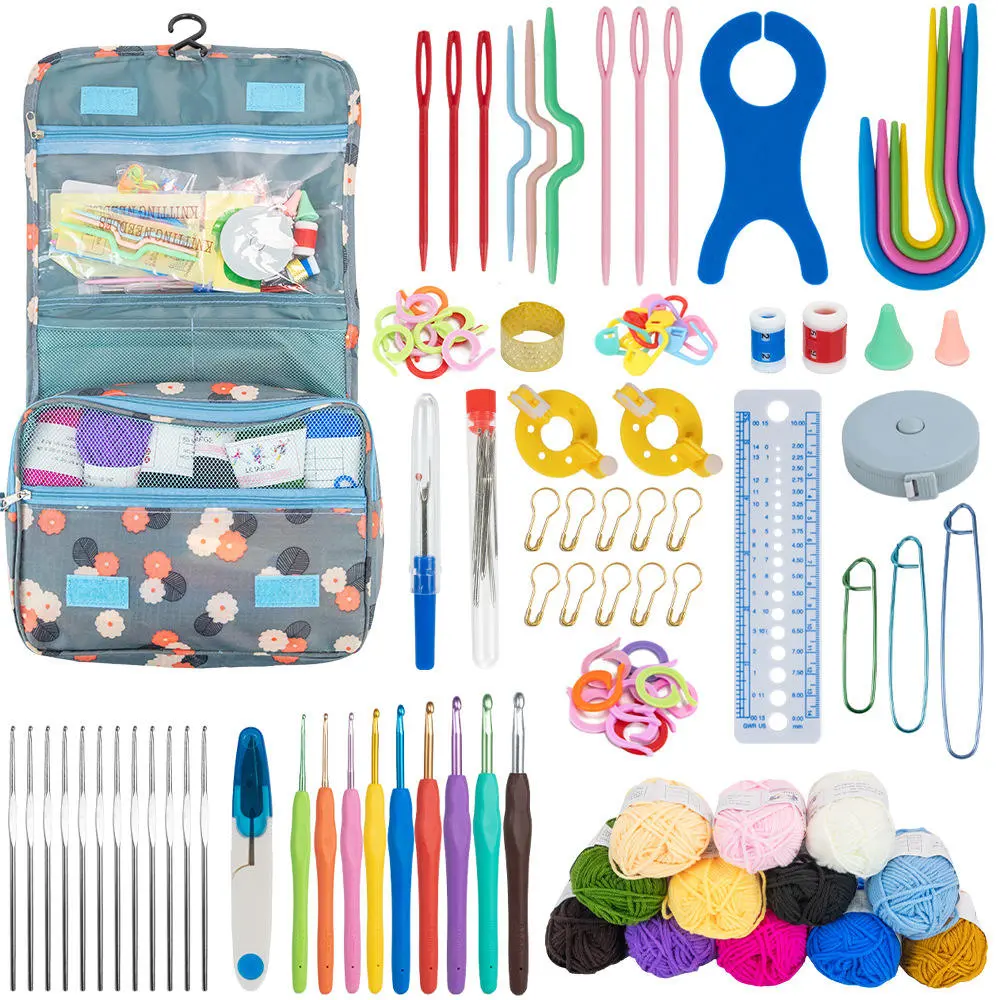
- Minimum for custom materials, tools, labels, or accessories.
- Which standard components can be used below those volumes.
The package may set the order size before the yarn does
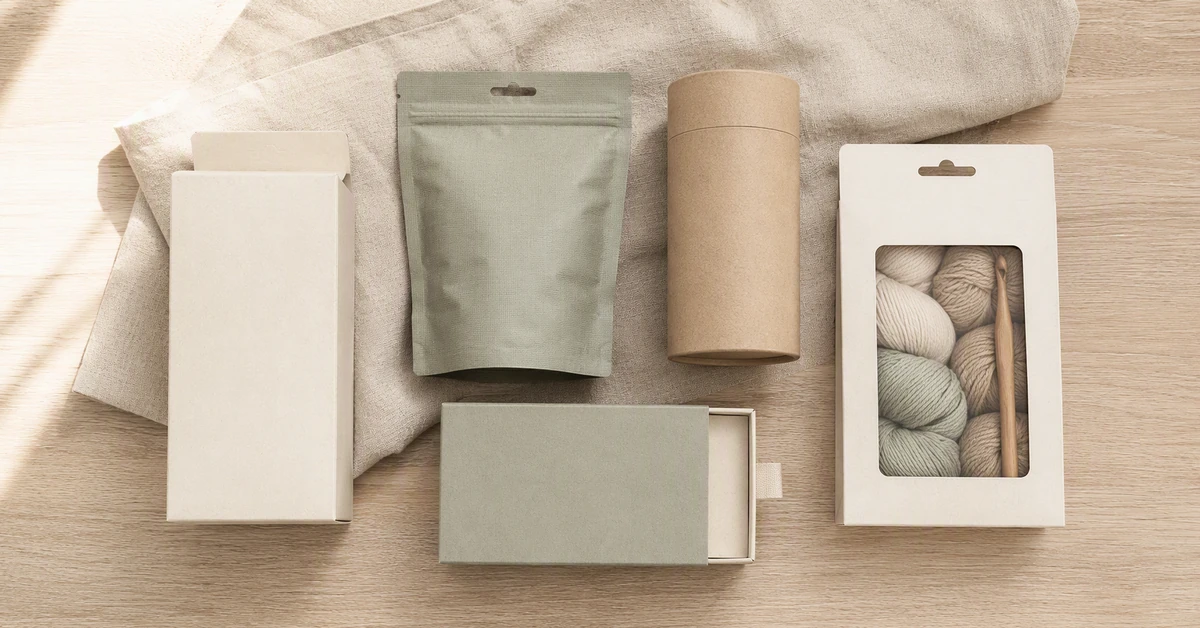
A full-color rigid gift box can make a kit feel substantial, but it may also carry a higher printing and setup commitment than a stock pouch with a branded card. If the first order is meant to test a new theme, the package should support the test rather than consume most of its flexibility.
Compare several routes at the beginning: a standard box with a custom sleeve, a reusable zipper pouch with a printed insert, a paper band around a stock case, or a fully custom carton. Review how each option affects quantity, unit cost, shelf communication, protection, packing time, and future reorders.
A simpler package is not automatically a cheaper-looking package. Clear product photography, organized contents, readable type, and a useful storage function can create more value than a complex structure with no connection to the project.
Build a collection from shared parts
A coordinated range does not need every SKU to use a completely different construction. Shared parts can make a smaller launch more practical while giving the shelf a stronger identity.
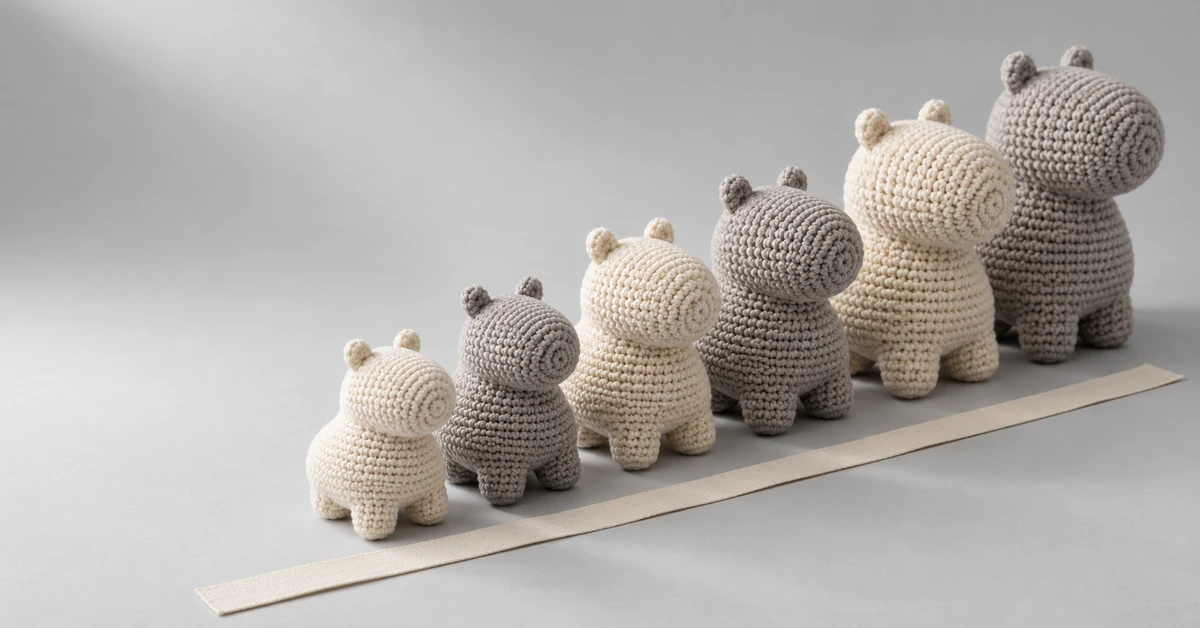
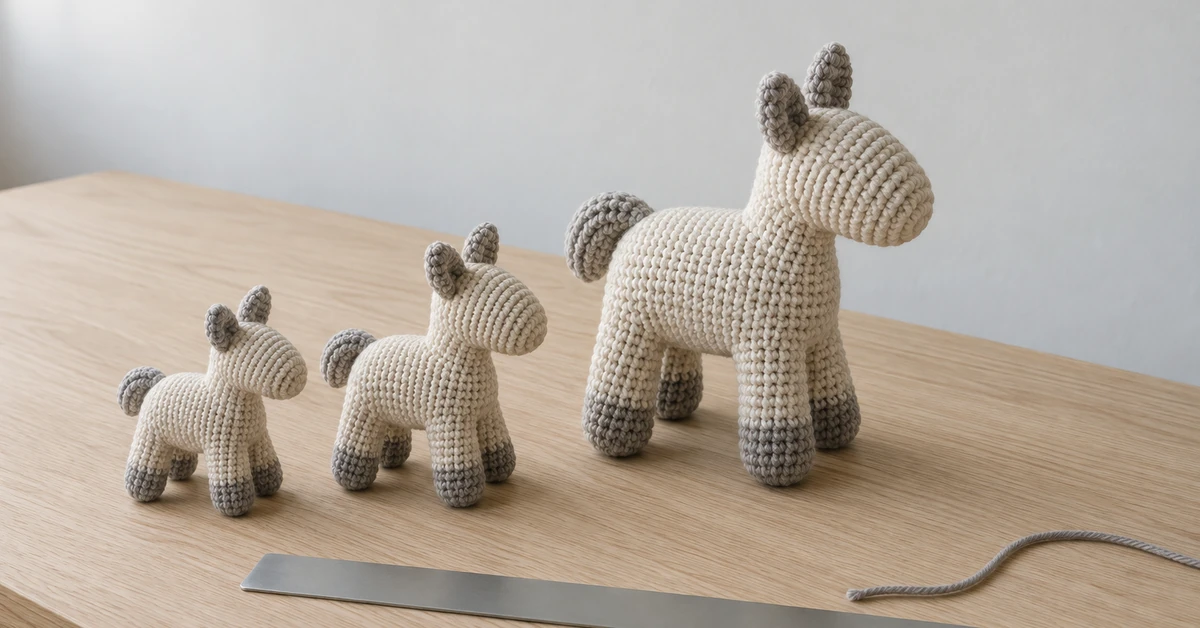
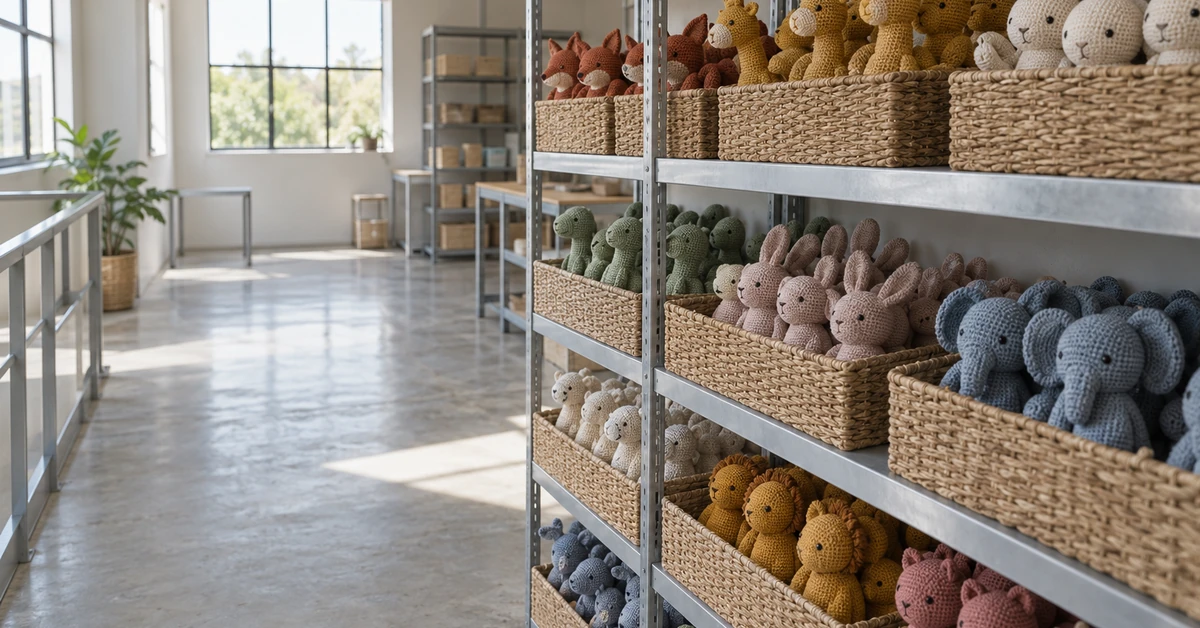
Three beginner animals might share the same hook size, filling, needle, eye style, instruction layout, pouch, and several base yarn colors. Their ears, markings, and one accent color can create the visible difference. A flower collection can share stems, leaves, and package size while changing the bloom.
Shared components reduce the number of separate purchasing decisions and can make replacements, packing, inspection, and reorders easier. The customer should still feel that each design has a reason to exist. The goal is a family, not five nearly identical boxes.
Use color variation carefully
Color is one of the easiest ways to expand a product line and one of the quickest ways to multiply inventory. Six yarn colors across four characters can create more combinations than a first range can reasonably explain or replenish.
Start with a controlled palette. Decide which colors define the brand, which can be shared, and which genuinely change customer preference. A single seasonal accent may create enough freshness without requiring a new base material for every SKU.
Ask whether the supplier is using existing yarn colors or developing custom shades. Existing colors may support a more flexible first order. Custom dyeing can be valuable when color is central to the brand, but the minimum, tolerance, approval method, and reorder consistency should be discussed early.
Separate the sample decision from the production decision
A sample is meant to answer whether the product works. It should not force the buyer to approve a production quantity before the design, instructions, contents, and package have been tested.
Clarify the sample charge, what it includes, how many revisions are expected, whether custom packaging is mocked up or fully printed, and which production materials may differ from the prototype. A higher sample cost can be reasonable when it includes pattern development, character translation, instruction design, or a custom tool. What matters is that the scope is visible.
Once the sample is approved, request a production quotation based on the actual contents and specifications. Comparing an early estimate with a final product price without tracking the changes can make a normal adjustment look like an unexplained increase.
Calculate the order in sellable units
The lowest unit price is not always the lowest inventory risk. Buyers should model how many units each channel can realistically sell before the next reorder decision.
For example, a range of six designs at 500 pieces each is 3,000 units. If one character is likely to take twice the share of another, equal quantities may leave the slowest design occupying space while the favorite sells out. Ask whether the total can be divided unevenly after component minimums are met.
Include freight, packaging development, inspection, storage, platform fees, damaged stock allowance, promotion, and the margin expected by the final retail channel. A low factory price does not rescue a range that is too broad for its audience.
A trial order should answer a specific question
“We want to test the market” is too vague. Decide what the first order is meant to learn.
- Which theme earns the most clicks or shelf attention?
- Whether beginners complete the project without support.
- Which price point moves fastest.
- Whether customers prefer a pouch, box, or gift format.
- Which design deserves a larger reorder.
Keep enough variables consistent to make the answer useful. If every design has a different size, package, difficulty, price, and customer, the sales result will not clearly explain what worked.
Ask how the reorder will work
MOQ is only half the conversation. A strong first order can still become difficult if the reorder requires every component to be purchased again at the original minimum.
Discuss whether surplus printed packaging can be stored, how long approved yarn colors remain available, whether shared tools can support mixed reorders, and how design changes affect the next production run. Confirm lead time and which components are most likely to delay replenishment.
A product that can be reordered in a sensible rhythm may be more valuable than one that reaches a slightly lower opening price but creates the same large commitment every time.
Questions to put beside every MOQ quote
When using this crochet kit MOQ guide, do not stop at “What is your minimum?” Ask:
- Is the minimum per SKU, per color, or across the total order?
- Which component sets that minimum?
- Can several designs share packaging or tools?
- Can quantities be split unevenly between designs?
- What changes at the next price break?
- Are unused printed materials stored for reorders?
- What is different between the sample and production material?
- What minimum applies to a repeat order?
Where Onehourcrafts fits
Onehourcrafts develops OEM crochet DIY kits and supports product, material, packaging, instruction, and private-label development. Buyers can also review the broader crochet DIY kit range before deciding which elements should be standard and which need customization.
A useful first enquiry includes the customer, project idea, intended skill level, number of SKUs, shared components, packaging direction, expected quantity per design, market, and launch date. Those details help identify the real minimum instead of returning a number with too many assumptions hidden inside it.
MOQ questions buyers ask
Can different crochet kit designs share one MOQ?
Sometimes. It depends on whether the designs share yarn, tools, packaging, and assembly requirements. Ask which components can be pooled and which still require a minimum per design or color.
Does custom packaging usually change the MOQ?
It can. Printed cartons, sleeves, labels, pouches, and inserts may each have their own minimums. A stock structure with customized printed elements may offer more flexibility for an opening order.
Is a lower MOQ always better for a new brand?
No. A lower quantity may carry a higher unit cost or require simpler components. The better choice is the smallest practical order that still protects the product experience, margin, and ability to reorder.
How many SKUs should a first crochet range include?
There is no universal number. A focused group of coordinated products is usually easier to explain, photograph, inspect, and replenish than a wide range with unrelated components.
What information is needed for an accurate MOQ?
Provide the design count, size, materials, colors, tools, contents, packaging, branding, quantities, and market. The supplier can then identify which part creates the practical minimum.
Design the first order before negotiating it
The best conclusion from a crochet kit MOQ guide is not that every minimum should be pushed lower. It is that the range should be designed so the minimum supports a clear customer, a coherent collection, and a reorder the business can manage.
Contact Onehourcrafts with your kit idea, SKU plan, packaging direction, target quantities, and launch timing to discuss practical options for sampling and a first production order.