
A crochet toy making kit wholesale order is easier to specify backwards. Start from the toy the shop is willing to put on a shelf, decide what that toy has to be, and the kit contents almost write themselves. Start from a parts list instead and the order tends to arrive with the wrong yarn quantity, a hook nobody can hold comfortably and instructions that produce a toy the buyer never approved.
This matters because a toy kit sells a promise about a finished object. The customer buys a bag of parts and expects a small animal or a soft ball at the end of it. Every specification decision, from hook size to stuffing weight, is really a decision about whether that final object can be reached by an average beginner in a reasonable number of evenings.
Why the finished toy decides the kit contents
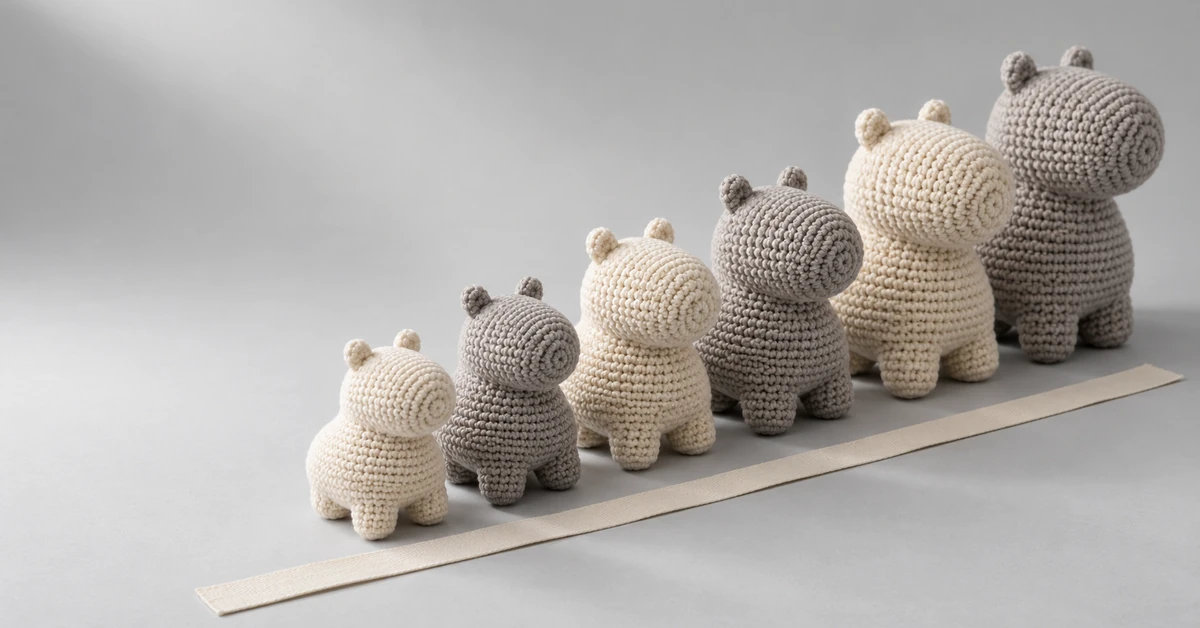
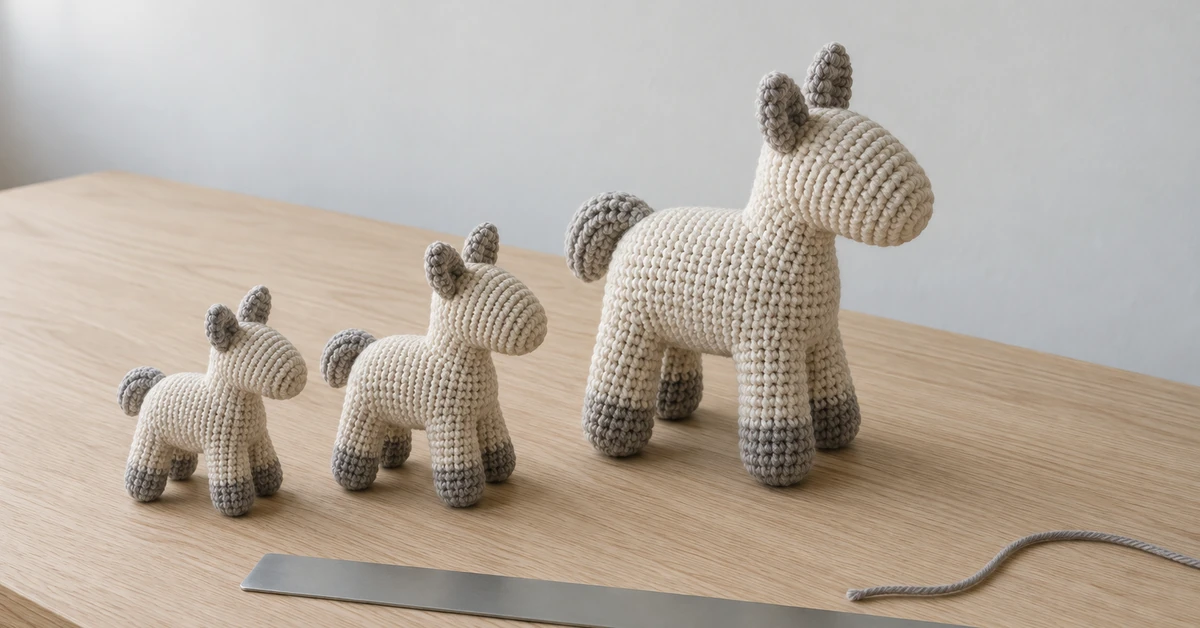
Buyers who have run a toy programme before usually arrive with a sign-off sample or at least a photograph of one. That sample is worth more than any written brief, because it fixes the things customers judge: the size, the stance, the face, the firmness of the stuffing and the way the yarn texture reads in daylight. Each of those has a cost that lands somewhere in the kit, and the negotiation is really about where.
The reverse also holds. A kit built from a generic parts list can be perfectly pleasant and still fail, because nobody worked out what the parts add up to. The most common version of this failure is a toy that finishes smaller and wobblier than the photograph, which produces returns and one-star reviews that mention the word tiny.
| Decision made at the sample | What it fixes in the kit | What it costs |
|---|---|---|
| Finished height | Yarn quantity per kit and the number of repeats in the body | More yarn per kit, and a longer instruction book |
| Stuffing firmness | Grams of filling and the advice on packing it in stages | Filling weight, and a slightly larger kit bag |
| Face and feature method | Whether eyes are stitched, embroidered or supplied as parts | Hands-on time, and the age band the kit can carry |
| Yarn texture | Fibre, yarn weight and the shade range offered to the buyer | Material cost, and a longer colour management conversation |
The brief a buyer should settle before the kit is quoted
Four sentences are enough to make a quotation meaningful. They describe the finished toy, the customer who will make it, the shelf it will sit on and the volume for the first season. Without them a supplier can only guess, and a guessed yarn allowance is the single most expensive guess in the file.
- The finished object: shape, finished height in centimetres and whether the toy stands or sits.
- The maker: age band, prior crochet experience, and whether an adult is expected to help.
- The shelf: retail price band, packaging format and the shop type the kit is aimed at.
- The volume: first order, repeat expectation and the number of colourways.
A brief built this way also protects the supplier. When the buyer states the finished height and the age band, the yarn figure, the hook size and the instruction depth all follow from those two numbers rather than from taste.
Working the yarn figure backwards from the finished toy
Yarn quantity is the item buyers question most, and it is the one with the clearest arithmetic. The figure comes from the sample: the maker records the yarn used, minus the tails, then adds a documented margin for unpicking. That margin is not a round ten percent for decoration. On a small toy made by a beginner it is often closer to a quarter, because the first two rows of every round get redone.
| Item | How it is measured at sample | Typical allowance added |
|---|---|---|
| Body yarn | Weight of yarn consumed by the finished body, tails excluded | 20 to 30 percent unpicking margin |
| Contrast yarn | Weight per feature, measured separately by colour | A minimum viable length per colour |
| Embellishment | Length of thread used for the face, measured on the sample | Enough for one retry |
| Filling | Grams needed to reach the approved firmness | A small surplus rather than a second bag |
Two habits make this figure usable. First, keep it per colourway, because a cream rabbit and a grey rabbit can share a body yarn and still differ in the contrast yarn. Second, re-measure whenever the pattern changes, since a finished height that moves by two centimetres moves the yarn with it.
A crochet toy kit yarn allowance is also easier to defend commercially than a trimmed one. When the figure is measured rather than estimated, the extra grams per bag have a reason attached to them, and the buyer can explain to a finance team why the kit weighs more than the one it replaced.
Hook size, gauge and the shape of one repeat
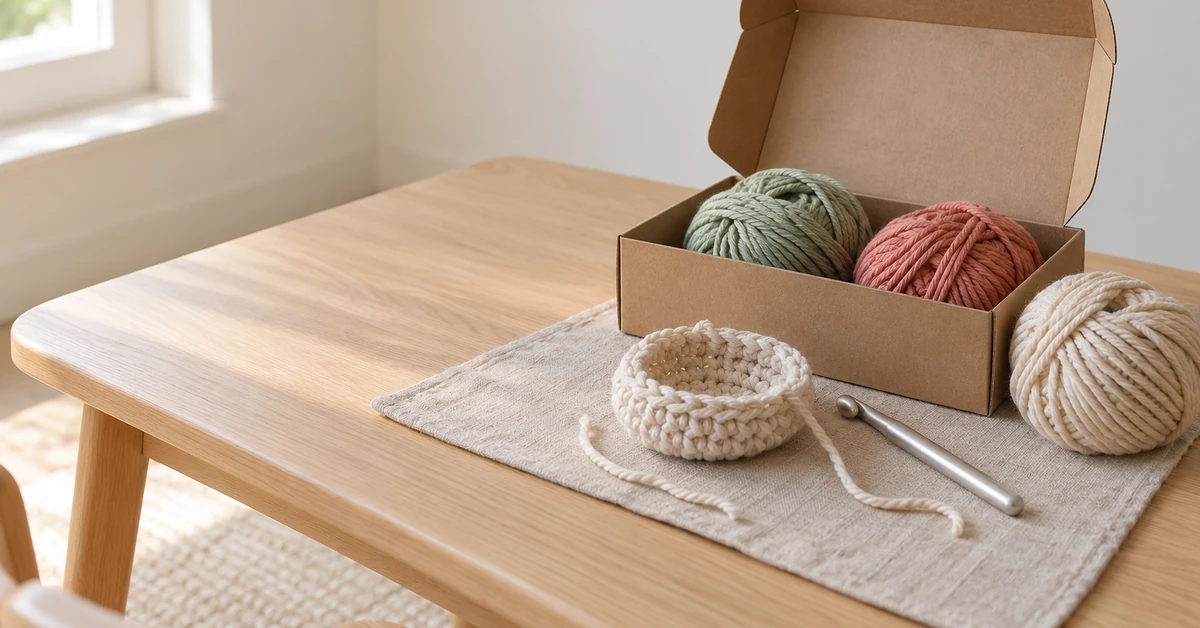
A kit is only as good as its gauge. If the hook and yarn in the bag produce a different number of stitches per ten centimetres than the sample did, the maker follows the pattern exactly and still ends with a different object. Buyers therefore treat hook size as a specification item rather than a shop-floor preference, and the sample card records the hook that made it.
There is a commercial trade-off hiding here. A larger hook makes the work grow faster and feels friendlier to stiff hands, but it opens the fabric, which lets stuffing show through on a pale yarn. A smaller hook gives a tighter, more premium surface and takes longer, which pushes the kit towards an older or more patient maker. The choice belongs in the brief, next to the age band.
The starting shape matters as much as the gauge. An amigurumi toy kit that begins with a small magic ring will feel gentle for three rows and then demand careful counting, while one that begins with a chain and a join is easier to read and slower to close neatly. Whichever route is chosen, it should be the route that was sampled.
Stuffing, closures and parts that never show
The parts a customer never sees are the ones that decide whether a toy survives a month of affection. Safety eyes are convenient and speed the face up, but they also fix the age band the kit can legally carry, and a home maker cannot always press them in reliably. Many buyers choose an embroidered face for that reason alone and accept the extra minutes.
- Embroidered or stitched features, which avoid small hard parts entirely.
- A yarn tail long enough to weave in twice, because beginners cut short.
- A closure method written in words, not only shown as a photograph.
- Filling supplied in one bag, so the maker cannot end with a half-filled head.
- A repair note, because a loose limb is a stitched seam rather than a lost sale.
One limitation is worth stating plainly: no kit can guarantee the finished toy. Yarn tension, hook grip and patience all vary between makers, and a pattern that assumes otherwise will read as difficult rather than precise. A good kit narrows the range of outcomes instead of promising a single one.
Writing the parts down is a habit worth keeping for another reason. A soft toy kit components list that names the filling, the spare yarn tail and the finishing needle prevents the support message that arrives when a customer cannot tell whether something is missing or simply not included.
What the sample should prove before bulk
Sampling is where a toy kit is either proven or quietly compromised. A single finished sample photographed nicely proves very little. What a buyer should ask for is a sample plus the measurements behind it, so the bulk order can be checked against something other than memory.
- One finished toy, presented in the retail bag exactly as a customer will receive it.
- A measurement card: yarn weight per colour, finished height, filling grams, hook size used.
- A timing note from two makers of different speeds, so the effort range is visible.
- A completed instruction book in the shipping language, read by someone who did not write it.
- A sealed kit, opened and remade by the buyer's team using only what is inside.
A custom crochet toy kit is normally approved in two rounds: the first settles the toy, the second settles the kit around it. Attempting both in one round usually means the second conversation happens after bulk yarn has been dyed.
Buyers who have not run a kit before often ask whether a crochet toy kit supplier will do the second round at all. Most will, and the useful version of that conversation is a written list of what changes between round one and round two, because a supplier who charges for revision without saying what counts as one will surprise somebody.
Instructions are a component, not an afterthought
Instruction quality sits inside the product, not beside it. A kit whose pattern is legible only to an experienced crocheter reaches a beginner as a puzzle. The practical tests are simple: can the first round be completed without re-reading it three times, does every abbreviation appear in a glossary, and does the photograph show the same colour yarn the customer is holding.
Translation adds a second risk. A pattern translated by someone who has never held a hook tends to use the wrong technical term for a stitch, and the mistake is invisible to everyone except the customer. Buyers who publish in three languages should budget for one native crocheter to read each version before printing.
Packing so the kit survives a parcel network
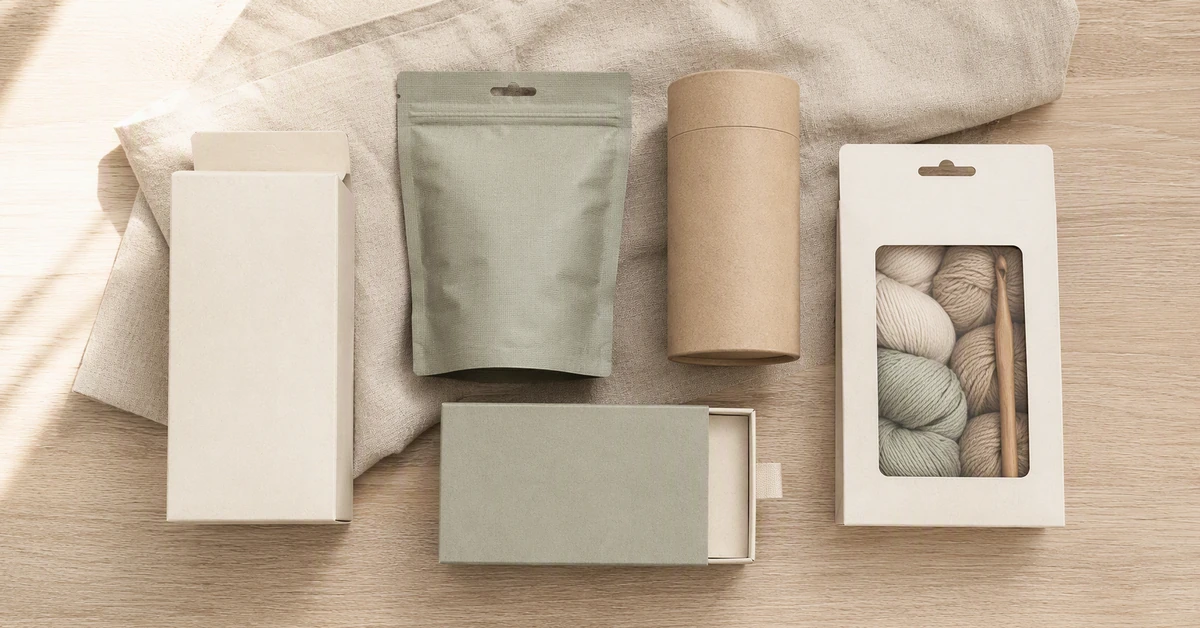
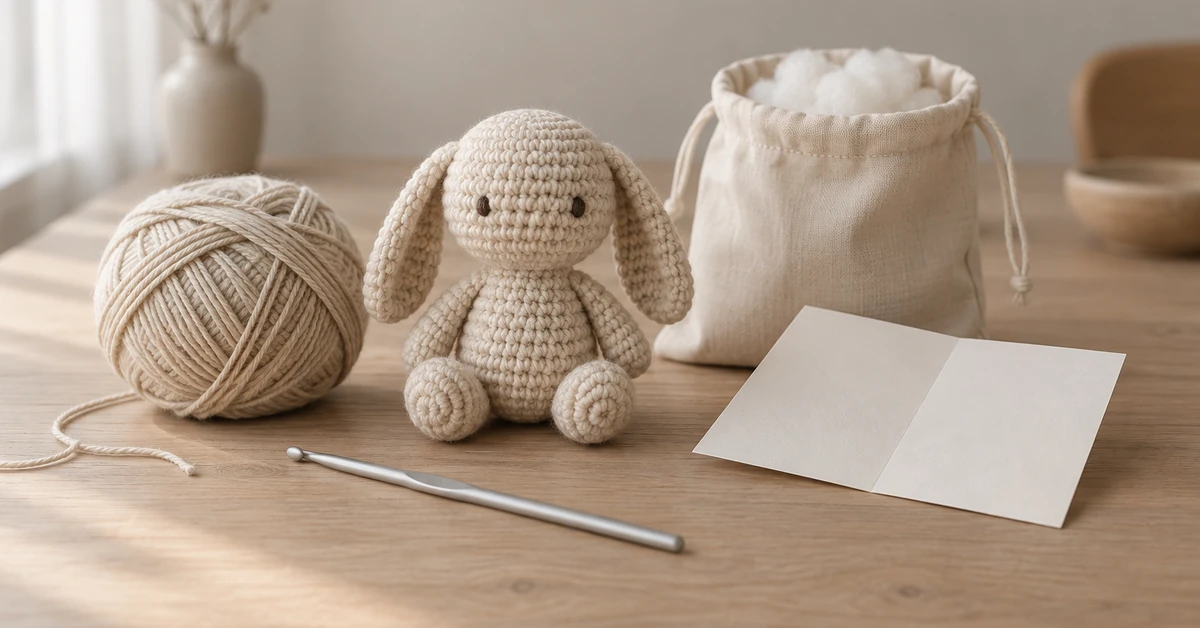
A kit travels further than a finished toy and is opened more than once, so its packaging has a job beyond looking good. The bag has to keep yarn dry, the hook has to stay away from the yarn to avoid snagging, and the instruction book has to stay flat enough to be usable.
- Yarn in a sealed inner sleeve, ordered by the sequence the maker will use it.
- Hook and needles in a separate card compartment, not loose in the bag.
- Instruction book on a fold that is not along a line of text.
- A small window or label panel that shows the finished toy without opening the kit.
Two identities: the kit label and the toy label
Kits carry two identities and buyers often merge them. One describes the product that is bought and shipped, with its contents, barcode and country of origin. The other describes the object the customer makes, with its age guidance and any material statement. Merging them produces a label that is legally vague about both.
Retail crochet toy kits sit in the awkward middle, because the person reading the shelf is judging a gift rather than an ingredient list. The label panel therefore has to do two jobs at once: show a finished object at a size that matches reality, and carry the trade information a distributor needs without turning the front of the bag into a form.
Barcode and trade item identity standards published by GS1 are the usual reference for the first, and textile screening schemes such as OEKO-TEX are often cited for the second when the yarn is tested against restricted substances. Neither is a substitute for the buyer's own labelling review, and neither approves a specific kit.
Failure signals a shop floor will find before you do
| Signal | What it usually means | What to change first |
|---|---|---|
| Samples finish a size down | The yarn allowance was measured on an expert maker | Re-measure with two makers and rebuild the margin |
| Reviews mention confusing feet | The face and assembly order are under-specified | Rewrite the feature section with one finished photograph per step |
| Kits arrive with tangled yarn | Inner packing is loose and colour order is arbitrary | Add a sleeve and order the yarn by use |
| Repeat orders drift in colour | Contrast yarn is bought per run instead of per season | Fix the shade set for the season and record it on the kit card |
| Returns rise before returns rise in the data | Shelf price does not match perceived effort | Compare a finished kit against the price band it sits in |
What this kit cannot promise
A wholesale toy kit cannot promise that a beginner finishes in one evening, that the same pattern reads equally well in every language, or that the finished toy will match the sample to the centimetre. It also cannot transfer responsibility for the finished toy's safety performance to the supplier of the yarn. Those limits are worth writing into the brief so the first sample review does not turn into a dispute about expectations.
How Onehourcrafts builds a toy kit back from the sign-off sample
Onehourcrafts builds a crochet toy making kit wholesale programme from the finished object. The first round settles the toy and records its measurements: finished height, yarn weight per colour, filling grams and the hook that produced the approved gauge. The second round wraps the kit around those numbers, ordering the yarn by use, writing the instruction book in the shipping language and testing the whole bag with a beginner.
The toy line this applies to sits on the crocheted products page, and the crochet kit work is described on the crochet DIY kits page. Buyers who are still comparing formats will find the wider sourcing notes in the buying guide.
Costs that move after the first sample
Toy kits rarely fail on the first price, which is why the second and third costs catch buyers out. The yarn allowance grows once beginners test the pattern, the contrast yarn multiplies with colourways, and the instruction book grows a page each time the assembly order is clarified. None of those is unexpected, and all of them are easier to accept when they were flagged at sampling.
A crochet toy making kit wholesale programme also carries a season cost. If the shade set is fixed for a season rather than a run, repeat orders stay consistent and the kit card stays true. If it is not, the third reprint of the instruction book will show a rabbit in a colour nobody can buy.
Settle the finished toy first and the rest of the conversation has something to lean on. Send the brief, the shelf price band and a photograph of the approved sample through the inquiry form, and the reply can be a kit rather than a guess. More notes on sourcing craft kits are on the Onehourcrafts blog.
Frequently asked questions
Should the finished toy be approved before the kit is quoted?
Yes. The toy fixes the yarn allowance, the hook and the filling weight, so a kit quoted before that approval is a placeholder rather than a price.
How much extra yarn should a beginner kit carry?
Enough to cover the two rows that get unpicked and reworked. On a small toy that is closer to a quarter than to a token ten percent.
Are safety eyes worth the convenience?
They speed the face up and narrow the age band the kit can carry. Many buyers embroider the features instead and accept the extra minutes.
Can one instruction book serve several colourways?
It can if the chart uses stitch counts rather than colour names. Kit cards still have to match the yarn actually in the bag.
What should a sample kit be tested with?
A beginner holding only the contents of the bag, no extra yarn, no better hook and no advice from the person who wrote the pattern.
Does a larger hook make a kit easier?
It makes the work grow faster and feels kinder to stiff hands, but an open fabric shows filling through. The choice belongs in the brief.
How many colourways should a first order carry?
Enough to prove the shelf works, which is usually three or four. Each extra colourway adds a yarn line to the kit card and a shade to control.
What if the finished height changes late?
The yarn allowance, the filling weight and often the hook all move with it. Treat a height change as a new sample round rather than an adjustment.
Do kits need their own barcode?
Yes, the kit is the traded unit. The toy the customer makes is a separate description, and confusing the two produces a vague label.
How long should a first kit order take?
Allow for two sample rounds plus yarn procurement. Dyed yarn usually needs more notice than printed cards, so those two timelines should be planned together.