
A custom craft products manufacturer should preserve options when discovery is useful and close options when repeatability becomes essential. Onehourcrafts recommends five visible change-freeze gates: concept, construction, performance, presentation and production. The method does not suppress creativity. It prevents an unrecorded late change from invalidating cost, testing, artwork or the approved user experience.

Start with an option budget
List the choices the project can afford to explore before sampling: project type, dimensions, material family, color direction, tool construction, pack form and instruction method. Then rank them by user impact and technical uncertainty. An option budget keeps early exploration focused on decisions that can improve the offer.
Do not produce many combinations merely because customization is possible. Each additional option creates comparison work, sample cost and future item complexity. A good budget also states when an option expires if evidence is not available.
Gate 1 freezes the problem, not the solution
The concept gate confirms target user, use context, finished result, sales channel, price position and destination market. It should not prematurely freeze every material or dimension. The purpose is to stop the problem statement from drifting while the team evaluates ways to solve it.
- Approve the user and project outcome.
- Record non-negotiable market constraints.
- Define the evidence needed to select a concept.
- Reject features that do not support the approved problem.
A custom craft products manufacturer must expose dependencies
Every feature depends on other decisions. Yarn diameter affects hook size, instruction counts, pack volume and perhaps finished dimensions. A change log that records only the visible request misses these consequences. Build a dependency map before approving the first construction.
| Proposed change | Likely dependencies | Evidence to reopen |
|---|---|---|
| Material substitution | Performance, color, claims, cost | New sample and relevant tests |
| Dimension change | Pattern, quantities, pack footprint | Measured build and revised documents |
| Component removal | User task, contents, instructions | Use trial and count approval |
| Pack redesign | Protection, display, carton efficiency | Pack and transit verification |
Gate 2 freezes construction language
After selecting a concept, define materials, dimensions, tolerances, colors, counts, tools, assembly and workmanship in measurable language. Reference samples can clarify appearance, but they should not replace written specifications. Identify which features are critical to function, safety, visual acceptance and assembly efficiency.
The custom product sampling guide shows how questions move through sample rounds. Use construction freeze to close the selected answer and retire alternatives that no longer apply.
Make each sample a controlled version
Give every sample an identifier and a deviation list. The reviewer should know which approved document the sample represents, what differs intentionally and which observations remain unresolved. Avoid labels such as latest or final because they lose meaning after the next revision.
- Issue a sample request with versioned inputs.
- Record supplier deviations before review.
- Evaluate against named criteria.
- Update the decision log and next version together.
Gate 3 freezes performance evidence
Define use trials, measurements, durability checks and destination-market requirements before testing. The approval record should connect each requirement to a result and sample identity. A test report cannot protect the project if nobody can prove that the tested construction matches production.
ISO provides general information about testing and standards. Buyers must identify the regulations, standards and laboratories appropriate to the specific product and market; a general development framework is not a substitute for professional compliance decisions.
Price the frozen state and the open risks separately
A quotation should state the version priced, order assumptions, included operations and variables not yet closed. If testing, packaging or tooling remains open, show it as an assumption or separate line rather than hiding uncertainty inside one number. This makes later cost movement explainable.
Request price sensitivity for the variables most likely to change, such as material grade, component count, pack size, order mix and inspection level. A supplier response is more useful when it shows cost behavior, not only a single total.
Gate 4 freezes presentation as a system
Presentation includes selling unit, artwork, instructions, labels, inserts, item identity, inner pack and master carton. Approve these parts together because changes travel between them. A revised component count may affect the contents panel, instructions, pack volume and carton quantity.
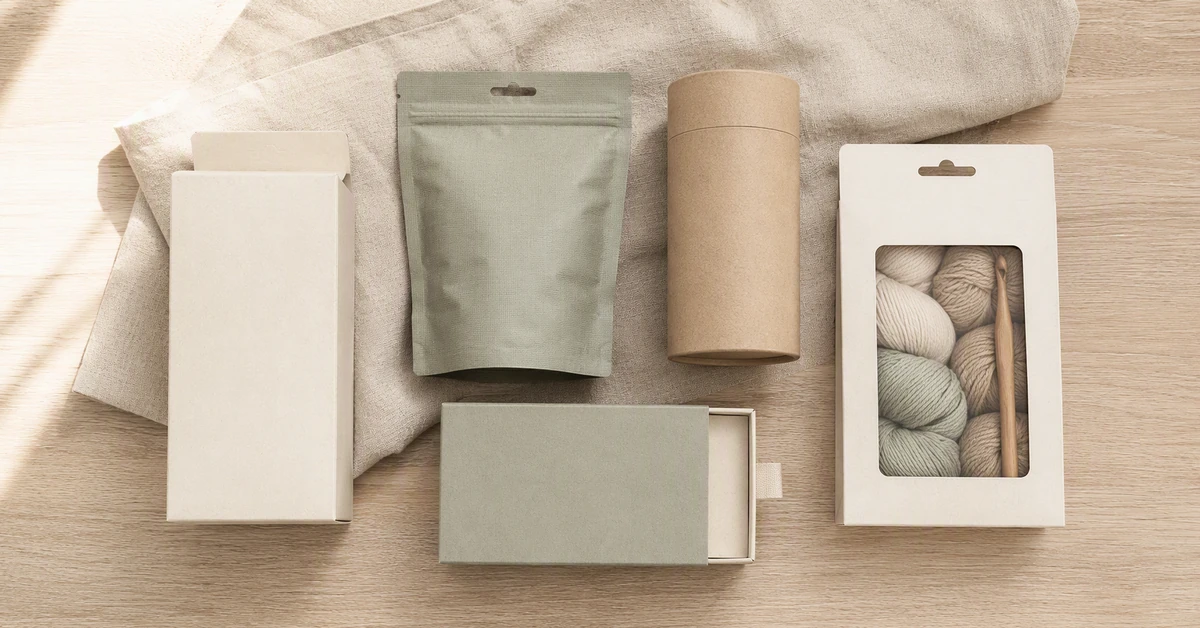
The retail packaging guide provides selection questions. At this gate, convert the chosen ideas into dielines, materials, print files, assembly references and acceptance criteria.
Stop approving screenshots
A screenshot can confirm words and general placement, but not scale, color, fold interaction, barcode behavior, closure or material feel. Require final-size proofs and a packed sample when those attributes matter. Record viewing conditions for color-sensitive work.
- Check artwork against the current product version.
- Confirm mandatory information and market variants.
- Inspect folds, windows, closures and hidden zones.
- Verify selling-unit and carton identities.
Build a change board before preproduction
The board should display open changes, owner, date raised, risk, affected documents, evidence and decision. Hold a short review before preproduction. Any open item must be closed, deferred with an explicit boundary or accepted as a controlled deviation.
Do not allow messaging applications to become the only record. Attach messages and images to the change identifier so future reviewers can reconstruct why a decision was made.
Run a document-agreement check at the end of the review. Compare the bill of materials, specification, sample label, artwork, instructions, quotation and inspection plan for product identity, quantities and version. A freeze is unreliable when each document describes a slightly different state.
Gate 5 freezes the production baseline
The production gate releases one coherent package: specification, bill of materials, approved sample, artwork, process controls, test evidence, inspection criteria, pack instructions and change log. The factory should confirm it can reproduce this state with planned materials, equipment and people.
| Baseline element | Release question | Owner |
|---|---|---|
| Bill of materials | Are sources, grades, colors and quantities fixed? | Supplier with buyer approval |
| Approved sample | Does it represent the written specification? | Joint |
| Control plan | Are critical checks placed in the process? | Supplier |
| Inspection plan | Are sampling and acceptance rules defined? | Buyer |
Define what can change without reopening everything
Not every change needs a complete restart. Create categories such as editorial correction, decorative adjustment, fit-affecting change, material change and market-scope change. Assign a minimum review route to each. The classification should reflect consequences, not who requested the change.
A changed supplier code for an equivalent internal item might need document control and incoming verification. A different material composition may need construction, performance, claims and packaging review. Record the rationale.
The craft product compliance guide can help identify market and claim questions that should remain linked to the change board. Revisit applicable requirements whenever age grading, materials, intended use or destination changes.
Compare development models by change authority
An ODM craft products supplier may propose more of the original solution. An OEM craft products manufacturer may receive a more mature buyer specification. Custom packaging craft supplies can involve a specialist whose changes affect a wider product baseline. Whatever the label, ask who may propose, approve and implement each change.
The commercial model does not remove dependency risk. A standard platform with one customized color can still fail if the color changes material performance or claims. Scope the change by evidence.
What Onehourcrafts needs to place the freeze lines
Onehourcrafts can plan a gated development route when the inquiry explains the target user, market, channel, range role, price goal, quantity, launch date, fixed requirements and open choices. Share previous test or return information if it should influence the new product.
- Approved business and user problem
- Reference samples with annotated lessons
- Required materials, claims and market evidence
- Decision owners and review calendar
- Change tolerance after each gate
Frequently asked questions
What is a change-freeze gate?
It is a documented point where selected decisions become the baseline and future changes require a defined review.
Does freezing a design stop all improvement?
No. It makes improvement controlled by showing consequences, evidence and authority before implementation.
Which gate should happen first?
Freeze the user problem and commercial boundary before freezing a technical solution.
Can a reference sample serve as the specification?
No. It can illustrate attributes, but measurable materials, dimensions, counts and acceptance criteria should be written.
How should samples be identified?
Use a unique version tied to inputs, deviations, date, reviewer observations and the next decision.
When should cost be frozen?
Freeze cost assumptions alongside the product state they price, while separately recording unresolved risks.
What reopens performance testing?
Changes to materials, construction, dimensions, use conditions or claims may require partial or full retesting based on risk.
Who controls supplier substitutions?
The supplier proposes and documents them; approval and evidence requirements follow the agreed change route.
What is included in the production baseline?
Include specifications, materials, sample, artwork, process controls, evidence, inspection rules and packaging instructions.
When is a late change acceptable?
It is acceptable when the impact is understood, required evidence is completed and the authorized owner releases it.
Keep the idea alive by freezing the right state
A capable custom craft products manufacturer does not promise unlimited revision without consequence. It helps the buyer learn early, document choices and establish a reproducible baseline. Freeze the right decisions at the right moment, and creativity reaches production without becoming specification drift.