
A character can look unmistakable on paper and strangely unfamiliar in yarn. The smile sits too low. The ears collapse. A tiny printed detail becomes a knot of color. The sample is not necessarily badly made; the original idea simply did not explain how it should exist in three dimensions.
A strong custom crochet product sampling process translates the idea instead of copying the drawing blindly. It protects the features customers will recognize, adapts details that do not survive the material, and creates a reference that production can repeat.
That translation is where buyers and suppliers save or lose the most time. Clear decisions early in sampling are far less expensive than trying to repair identity, construction, and packaging after the order has entered production.
Begin with the reason the product exists
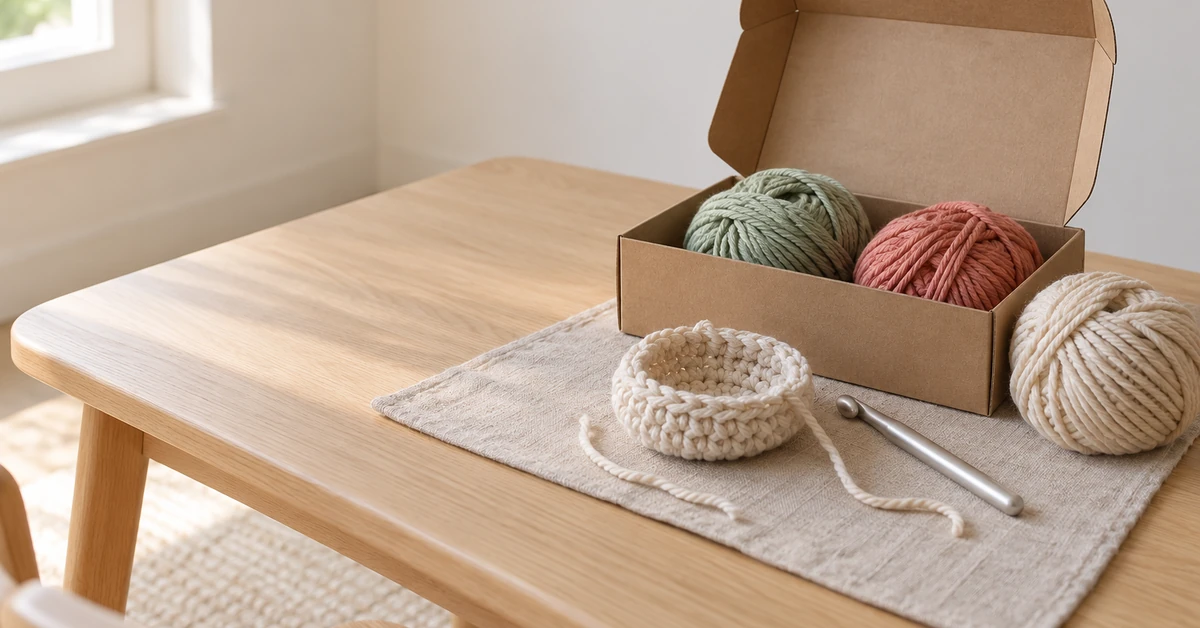
Before discussing stitches, write one sentence about the product's job. Is it a gift-shop character, a brand mascot, a backpack charm, a desk companion, a promotional piece, or the finished example for a DIY kit?
The same character may need different construction for each use. A shelf figure needs balance. A keychain needs a reinforced attachment and compact silhouette. A photography prop can be larger and more detailed. A giveaway version may need fewer parts and faster production while keeping the face recognizable.
This purpose helps the sample maker choose what must be exact and what can be simplified.
Give the supplier more than one front-view image
A flat illustration hides the back, side profile, thickness, underside, seams, and how accessories connect. Provide front, side, and back views when possible. Add close-ups of the face, important markings, clothing, props, and any feature that must not change.
Label the references. “Use this image for the ear angle” is more useful than a folder of twenty pictures. Identify the primary reference if the images disagree. Add intended dimensions, color values, expression, pose, attachment points, and the target sales market.
If the character already appears on packaging or digital media, include those examples. They show which features carry the identity when the image is small.
Rank the recognizable features
Not every detail deserves equal sampling effort. Choose the three to five features that make the character identifiable. They may be a particular ear shape, color block, hat, eye spacing, mouth, tail, or body proportion.
Protect those features first. A small embroidered mark may disappear in yarn, while changing the head-to-body ratio can make the whole character feel wrong. When a detail must be adapted, ask whether another technique can carry the same visual idea: embroidery instead of a separate piece, a color change instead of a printed mark, or a slightly larger accessory that remains visible.
The goal is not maximum detail. It is maximum recognition at the intended size.
Define the first sample before it is made
Agree on what the first sample is meant to prove. A development prototype may focus on shape and construction using available colors. A visual sample may use closer materials but temporary packaging. A pre-production sample should reflect the approved materials, labels, accessories, and important finishing details.
Without these distinctions, a buyer may reject an early construction sample for not having final packaging, or approve a beautiful handmade prototype without checking whether the exact components are available for production.
Confirm the sample scope, charge, estimated timing, included revisions, shipping, and what information the supplier needs before starting.
Review the sample in a fixed order
Start with the largest decisions. If the silhouette or overall proportion is wrong, changing the button color will not save the sample.
- Purpose, size, pose, and silhouette.
- Head, body, limbs, and major proportion.
- Face, expression, and recognizable features.
- Color, yarn texture, and material feel.
- Accessories, attachment points, and stability.
- Labels, packaging, and presentation.
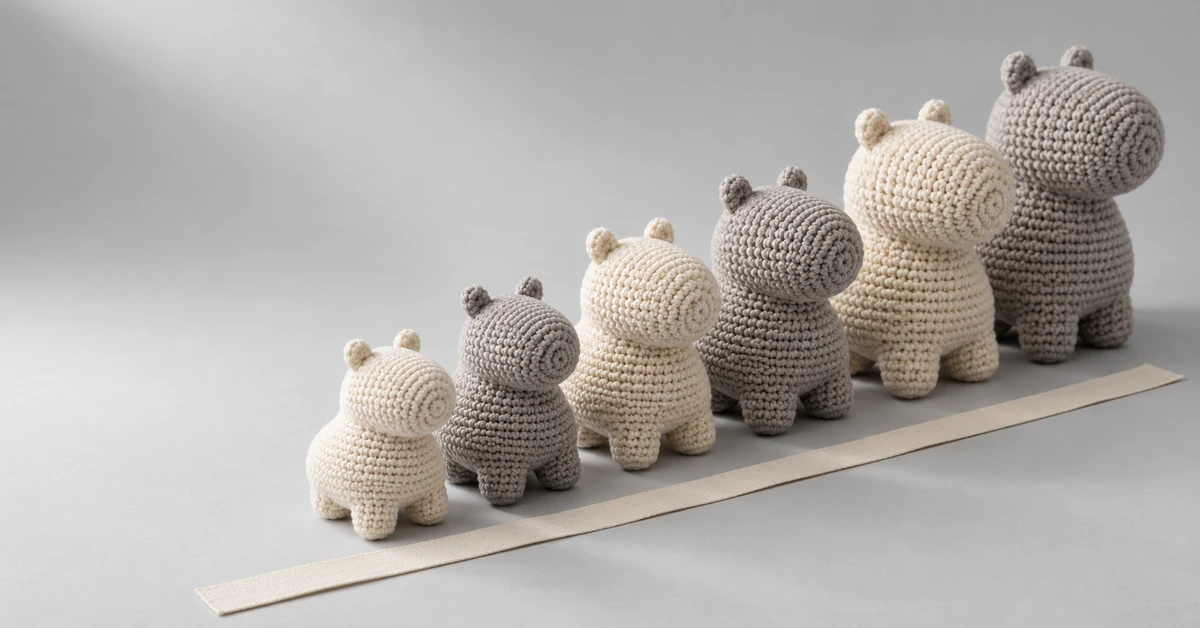
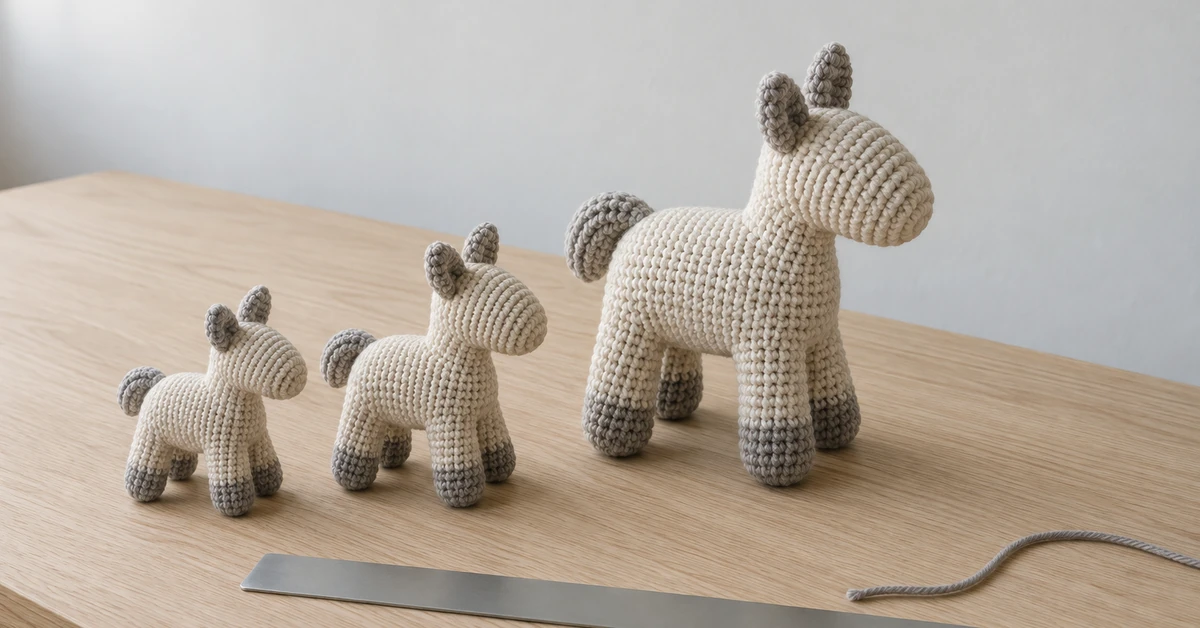
Photograph the sample from the same angles as the approved references. Place a ruler or scale object beside it. Review it in the setting where customers will see it: in the hand, on a bag, on a shelf, or inside the intended package.
Write feedback that can be repeated
“Make it cuter” is understandable but not actionable. Explain what creates the problem and what result is needed.
Instead of “the face is wrong,” write: “Move the eyes approximately 4 mm higher and slightly closer together; the current spacing makes the expression look surprised rather than calm.” Mark the photograph, number each comment, and keep all feedback in one document.
Separate required corrections from optional ideas. If the buyer changes direction after every sample, the team cannot tell whether it is correcting execution or designing a new product.
Test the product, not only the photograph
A sample can photograph well and fail in use. Check whether it sits or hangs as intended, whether a keychain attachment twists, whether accessories snag, whether the filling shifts, and whether the product returns to shape after ordinary handling.
For gift and retail products, examine the back and underside too. Customers may accept natural handmade variation, but they still expect secure finishing, clean attachments, and a face that remains recognizable from one unit to the next.
If the product is designed for a particular market or age positioning, confirm applicable testing, labeling, and documentation requirements with qualified specialists before production. Sampling should leave room for those requirements rather than treating them as a final packaging task.
Decide what variation is acceptable
Crochet products naturally carry some variation. The question is not whether every unit can be mathematically identical, but which differences change the character or customer experience.
Define tolerances for size, eye placement, limb angle, color, filling, accessory position, and other important features. Use photographs to show acceptable and unacceptable examples. A two-millimeter change may be irrelevant on the foot and obvious in the face.
Review several samples or early production pieces together. One perfect unit does not prove that the design remains stable across multiple makers and batches.
Create an approval pack, not a memory
The approved sample should be supported by specifications: dimensions, materials, yarn colors, construction notes, accessory details, labels, packaging artwork, barcode position, and approved images. Record the sample version and approval date.
Keep one reference with the buyer and one controlled reference with the supplier when practical. If a later discussion depends on “the green from the second sample,” the project is already relying too heavily on memory.
The approval pack also makes future reorders easier. A new team member can see what was decided without reopening months of messages.
Plan packaging while the sample is still changing
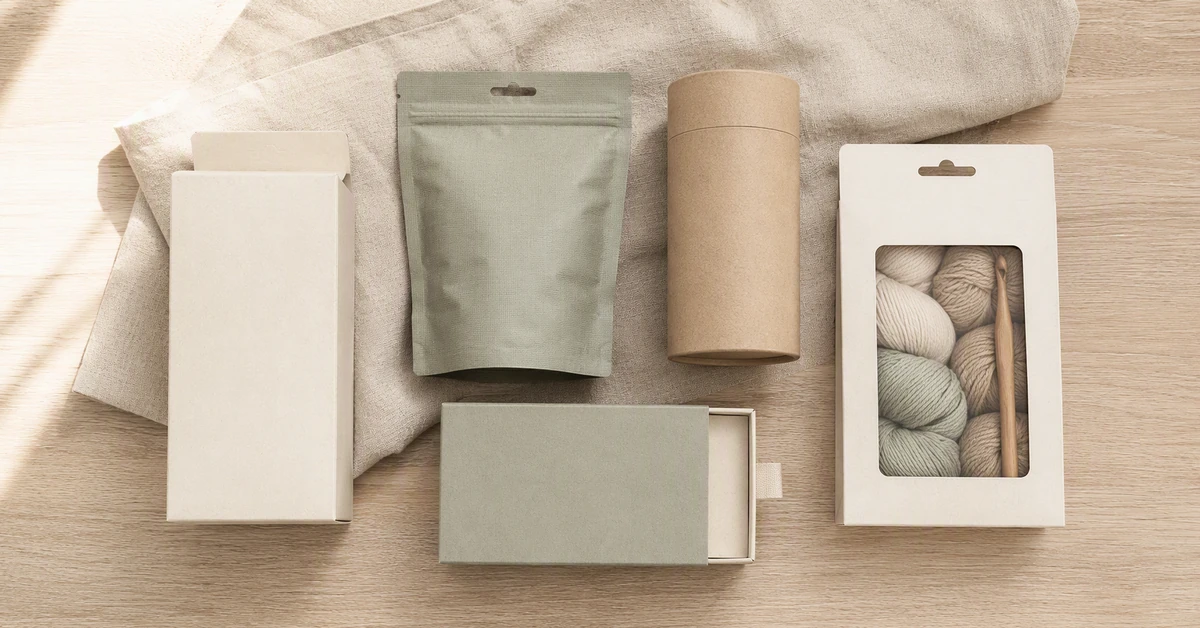
Packaging dimensions depend on the actual product. A hat that becomes wider, a tail that needs support, or a denser filling can change the fit. At the same time, the package may influence how the character is posed and what details remain visible.
Develop a simple package mockup early, but do not finalize print structure until the product dimensions are stable. Check whether the face is visible, attachments are protected, the product can be packed consistently, and the customer can remove it without damage.
A practical sampling timeline
When mapping a custom crochet product sampling process, allow time for brief clarification, material selection, first construction, buyer review, revision, packaging fit, and final approval. Complex original characters may need more iteration than a color update to an established construction.
The buyer can reduce delay by preparing references, consolidating comments, approving colors promptly, and identifying who has final decision authority. The supplier can reduce delay by raising conflicts before making the sample and explaining which details affect construction or material availability.
Where Onehourcrafts fits
Onehourcrafts develops custom crocheted products and OEM amigurumi for brands, retailers, gifts, and character programs. Support can include design translation, materials, sampling, packaging, labels, and production planning.
Buyers can review the broader crocheted product range before sending the character purpose, reference views, target size, recognizable features, quantity, packaging direction, market, and launch timing.
Sampling questions buyers ask
How many sample rounds does a custom crochet product need?
It depends on the complexity and clarity of the brief. A simple adaptation may need fewer rounds than an original mascot. Agree on the purpose of each sample and consolidate feedback to avoid unnecessary cycles.
Can a supplier work from one illustration?
Yes, but additional side and back references reduce assumptions. When only one view exists, the buyer should expect to review how the supplier interprets unseen construction and proportions.
Should packaging be sampled at the same time?
Use an early mockup to test fit and presentation, then finalize structure and artwork after the product dimensions and important details are stable.
What should be included in the approval standard?
Include the approved physical sample, dimensions, materials, colors, construction notes, accessories, labels, packaging, artwork, tolerances, and dated approval images.
How should natural handmade variation be handled?
Define which differences are acceptable and which change identity, function, or quality. Photos of acceptable and unacceptable examples are especially useful for faces and proportions.
Approve what production can understand
The real result of a custom crochet product sampling process is not one beautiful prototype. It is a clear, recognizable product with decisions that can be communicated, inspected, and repeated.
Contact Onehourcrafts with your artwork, product purpose, target size, quantity, packaging idea, and launch timing to discuss a custom crochet sample and development plan.