Buying from an embroidery products manufacturer China based supplier is mostly an exercise in tracing. The distance is real, the time zones are real, and the questions that matter are the ones a buyer can answer from a document rather than from a warehouse walk. Onehourcrafts frames the relationship as a chain of records that runs from the design file to the receiving check, so a long-distance order becomes a series of verifiable steps.
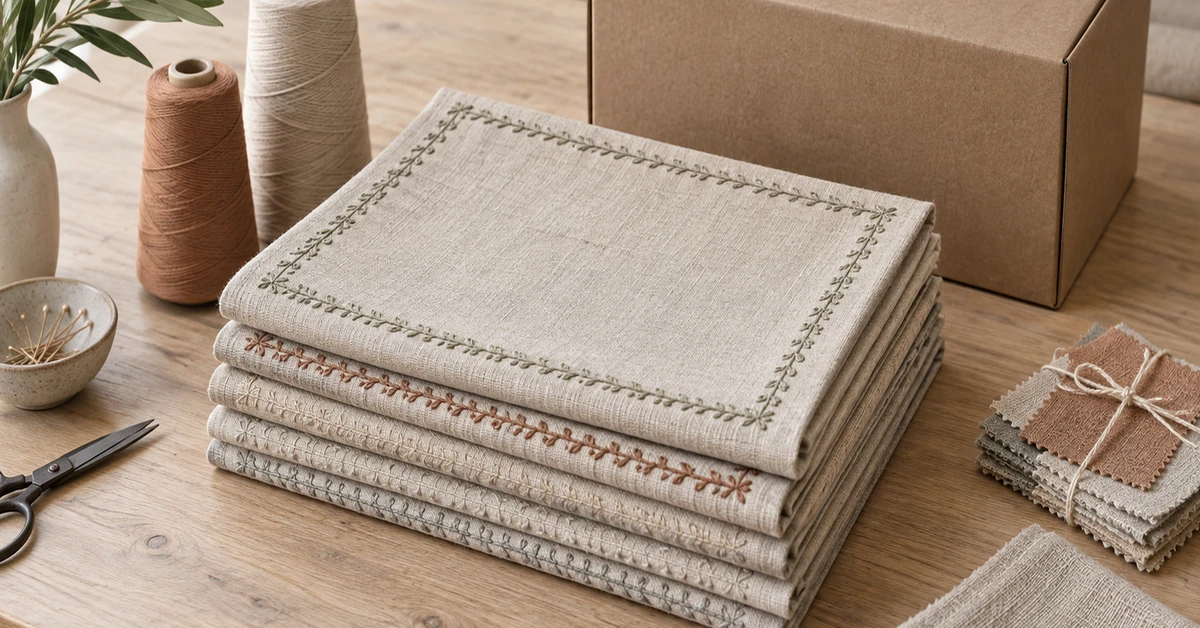
What an overseas embroidery supplier should be able to prove
The starting question is not which certificate a factory holds. It is which version of the design was produced, which materials went into it and how a buyer would know if either changed.
Ask for the record, not the assurance. A supplier that can produce a design revision, a material reference and a carton label has given the buyer something durable; a supplier that can only produce enthusiasm has given them a mood.
| Question | Record that answers it | Owner |
|---|---|---|
| What was made? | Approved design revision | Design |
| From what? | Material reference | Purchasing |
| Which order? | Carton identity | Operations |
Start the file at the design, not the shipment
A file that begins at the shipping date has already lost the decisions that matter. Revision history, colour approval and chart changes all happen earlier and all have consequences later.
Keep each revision identifiable and dated, and note what changed between them in plain language. A buyer should be able to read the difference without comparing two drawings side by side.
- Revision number
- Date of change
- Plain-language summary
- Owner named
Trace floss and fabric from the same batch
Shade drift between deliveries is a common and quiet complaint. It usually starts with a material substitution that was never recorded rather than with a manufacturing fault.
Record the material reference and the batch for each production run. When a shade changes, the record should show whether the change was planned, and the buyer should be able to compare it with a retained sample.
| Material | Record | Compare with |
|---|---|---|
| Floss shade | Batch reference | Retained sample |
| Fabric | Count and batch | Approved swatch |
| Needle | Size and source | Specification |
Show how the chart is versioned
Charts get corrected, and a correction that does not reach the printer produces kits that contradict their own instructions. Version control is therefore a packaging concern, not a design nicety.
Print a version identifier on the chart and record the version against the carton. When a customer reports a discrepancy, the buyer can identify the affected run rather than recalling an entire season.
- Version printed on the chart
- Version logged per carton
- Correction note kept
- Affected run identifiable
Keep sampling records readable across time zones
Sampling conversations are often held in writing across a twelve-hour gap, and small misunderstandings compound when each side assumes the other has the same photograph.
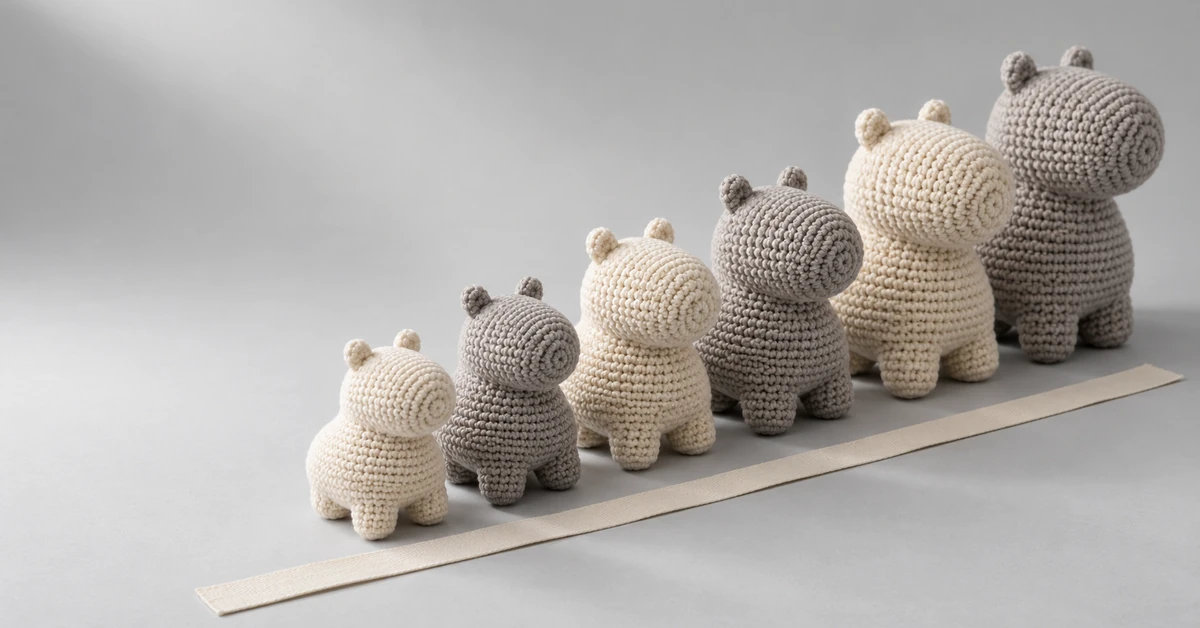
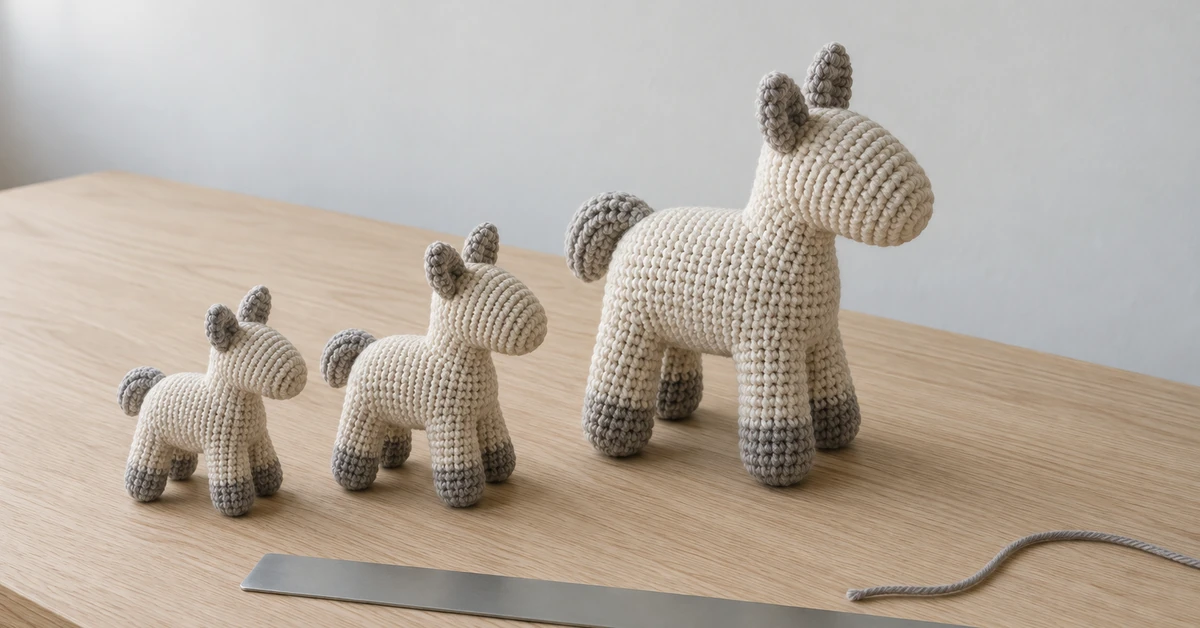
Give every sample a number, photograph it against the same background and record the decision in one line. A buyer joining the project later should be able to follow the sequence without asking anyone what happened first.
| Sample | Record | Decision |
|---|---|---|
| First trial | Number and photos | Revise or approve |
| Second trial | Changes noted | Hold or approve |
| Production-intent | Approved state | Freeze |
Separate a trial order from a production order
A trial run exists to answer questions and a production order exists to repeat an answer. Treating them as the same document is how a pilot quietly becomes a commitment.
Write what the trial is allowed to change and what is frozen once it is approved. That boundary protects both sides when a material or a chart correction appears late in the calendar.
- Trial scope written
- Freeze point stated
- Change route named
- Approval recorded
Assign ownership when a substitution is proposed
Substitutions arrive with good intentions and unclear authority. Someone has to be able to say yes, and someone else has to be able to say that the yes was recorded.
Name the owner for material, for design and for packing, and require each substitution to carry a written comparison against the approved version. Ownership is more useful than a general promise of consistency.
| Change | Owner | Evidence required |
|---|---|---|
| Material | Purchasing | Comparison sample |
| Design | Design | Revised drawing |
| Packing | Operations | Updated carton label |
Plan the receiving check before the carton leaves
The most useful inspection plan is written while the goods can still be changed. Agree what will be checked on arrival and how a discrepancy will be reported.
Keep the check small enough to be performed consistently: carton identity, count, chart version and one material comparison. A short list that is actually done beats a long one that is filed unread.
- Carton identity
- Count against packing list
- Chart version
- One material comparison
Use documents as questions, not as guarantees
A record shows what a supplier did and how they monitored it. It does not certify the product, the factory or the claim on the pack, and a buyer should never present it as though it does.
Frame every document as the answer to a specific question. That habit keeps the conversation honest and prevents a routine record from being read as an endorsement.
| Document | Answers | Does not answer |
|---|---|---|
| Revision log | What changed | Fitness for a market |
| Batch record | What was used | Compliance status |
| Packing list | What shipped | Product quality |
Compare quotes on the same specification
Quotes are only comparable when the specification behind them is identical. Differences in thread length, chart printing or pack format will dominate any price difference and hide the real one.
Send the same specification to each supplier and record every deviation in the response. The deviation list is often more valuable than the quotation itself.
| Specification block | Compare | Flag if |
|---|---|---|
| Materials | Reference and margin | Substituted |
| Chart | Format and version | Reprinted locally |
| Packing | Carton identity | Missing |
Prepare for the first audit conversation
A first audit is easier when the buyer arrives with the records already in hand and questions about specific runs rather than general themes.
Ask how a change is authorised, how a batch is traced and how a correction reaches the printer. Those three answers reveal more about a working process than a list of declared systems.
- Change authorisation
- Batch tracing
- Correction route
- Record retention
Time the decision around the buying calendar
Sampling, chart correction and packing approval each consume calendar time. A decision made against the retail calendar rather than the production one usually ends in an expensive hurry.
Work backwards from the shelf date, note the freeze points and leave an explicit margin for a chart correction. Where the margin does not exist, reduce the scope rather than the checks.
- Set the shelf date
- Work back to freeze points
- Leave a correction margin
- Reduce scope if the margin fails
Write the RFQ as an evidence request
A precise inquiry asks for the design revision, material references, chart version, sample numbering, packing identity and the receiving plan. It asks which records will accompany the shipment and who owns each one.
Use the buying-guide library for the sourcing context, the embroidery collection for related products, and the GS1 barcode guidance when pack identity needs a scannable code. Where the order crosses a border, the ICC Incoterms 2020 rules give a neutral way to frame delivery responsibilities.
| RFQ block | Request | Owner |
|---|---|---|
| Design | Revision history | Design |
| Material | Reference and batch | Purchasing |
| Packing | Carton identity | Operations |
| Receiving | Check list | Buyer |
How Onehourcrafts keeps the record traceable
Onehourcrafts can keep the design revision, material reference, chart version and carton identity in one buyer-readable chain, so an importer can follow a question from the shelf back to the decision that produced it.
Before approving a programme, ask for a numbered sample set, a revision log and a receiving plan. The embroidery products manufacturer China comparison becomes useful when every claim in the quotation can be matched to a record that travels with the goods.
- Revision log
- Material references
- Numbered samples
- Receiving plan
The final embroidery products manufacturer China brief should hold the embroidery kit supplier comparison, the embroidery products manufacturer record set and the custom embroidery kit supplier revision route in one file, linked from the company home so the commercial context stays visible.
Frequently asked questions
What should an importer ask for first?
The approved design revision, the material reference and the carton identity, because those three records answer what was made, from what and for which order.
How do you prevent shade drift between deliveries?
Record the material batch for each run, retain a sample and compare any proposed substitution against the approved version in writing.
Why does chart versioning matter?
A correction that does not reach the printer produces kits that contradict their own instructions, so the version belongs on the chart and in the carton record.
How should samples be numbered?
Give each sample a number, photograph it consistently and record the decision in one line so a later reader can follow the sequence.
What separates a trial from a production order?
A written scope for what the trial may change and a stated freeze point once it is approved.
Who should own a material substitution?
A named owner for material, design and packing, with a written comparison against the approved version for each change.
When should the receiving check be written?
While the goods can still be changed. Agree the arrival checks during the order, not after the carton lands.
Do records certify a product?
No. A record answers a specific question about what was done. It does not certify the product, the factory or any market claim.
How do you compare supplier quotes fairly?
Send an identical specification and record every deviation in the response, because the deviations usually explain the price gap.
What should an RFQ ask for?
The design revision, material references, chart version, sample numbering, packing identity, receiving plan and the owner of each record.