
Two crocheted figures can use the same character artwork and still feel like different products. One has a recognizable silhouette, balanced stuffing and secure details. The other looks acceptable from the front but twists at the neck, changes shape between units or depends on glue where the approved sample used stitching.
The clearest way to learn how to evaluate amigurumi quality is to separate personal taste from repeatable evidence. First use a small set of automatic-fail gates. Then score the sample across design fidelity, construction, materials, attachments, consistency and retail readiness.
The 100-point scorecard below is designed for retail buyers, private-label brands, gift programs and product developers reviewing custom crochet figures. Adapt the weights to the product’s intended use, destination market and customer.
Start with five automatic-fail gates
A total score should not hide a serious defect. Pause approval if any of these conditions apply:
- The sample does not match the agreed product category, intended use or age positioning.
- A critical component detaches, breaks or exposes a hazard during the buyer’s defined test.
- The factory cannot identify the materials or approved component sources.
- The sample cannot be repeated within agreed dimensions, appearance and construction limits.
- Required testing, labeling or market documentation has not been defined for the destination market.
These gates do not replace specialist testing or legal review. They prevent a visually attractive sample from moving forward while a fundamental question remains unanswered.
Section 1: Design fidelity, 20 points
Silhouette and proportions: 8 points
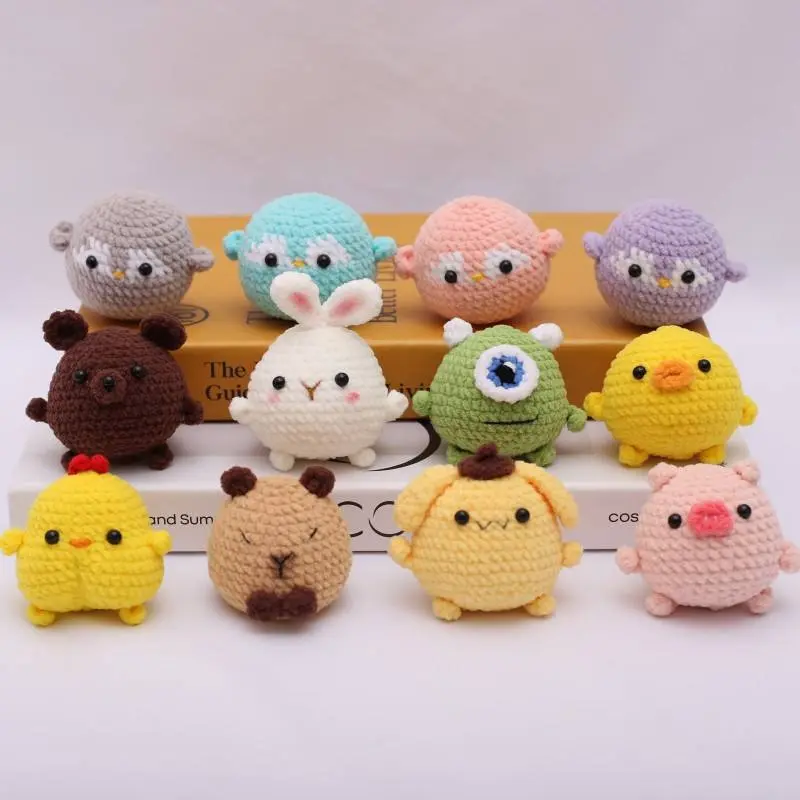
Place the sample beside the approved artwork and view it from the front, side, back and three-quarter angle. Check head-to-body ratio, limb length, ear position, body width and how the figure sits or stands. A character can have correct colors and still lose its identity through weak proportions.
Expression and recognizable features: 7 points
Measure eye spacing, mouth position, facial angle and the placement of signature features. Small differences matter because customers read expression before they notice stitch technique. Mark reference points on the specification rather than relying on “make it cuter” or “move it slightly.”
Color and texture direction: 5 points
Review yarn shades under consistent light and beside packaging artwork. Confirm whether texture is meant to look smooth, fluffy, rustic or tightly structured. Record approved color references and acceptable variation.
Section 2: Crochet construction, 25 points
Stitch density and gaps: 8 points
Inspect stretched areas, curves, color changes and closing points. Filling should not show through normal handling unless the design intentionally uses an open texture. Uneven density can change both appearance and durability.
Seams, joins and finishing: 7 points
Look for loose ends, visible knots, bulky joins, twisted limbs and inconsistent attachment angles. Compare the approved method for each part: sewn, crocheted in place, embroidered or otherwise secured.
Stuffing balance and shape recovery: 6 points
Press the head, body and limbs gently, then observe whether the form recovers. Under-stuffing can look weak; over-stuffing can distort stitches and dimensions. Record filling weight or another repeatable control when it materially affects the shape.
Base stability: 4 points
If the product is meant to sit or stand, test it on a level surface in the intended pose. Identify whether instability comes from the pattern, stuffing, limb position or an uneven base.
Section 3: Materials, 15 points
Yarn consistency: 6 points
Check fiber specification, thickness, color lot, hand feel, surface fuzz and shedding. Ask how substitutions are approved when an original yarn becomes unavailable.
Filling and internal materials: 4 points
Confirm the material specification and whether the filling is clean, evenly distributed and suitable for the intended product. Internal supports, weights or wires require separate documentation and risk review.
Decorative components: 5 points
Inspect eyes, buttons, beads, key rings, cards, charms and other accessories for finish, size, color and compatibility with the design. Component approval should include the exact source or controlled specification, not just a photo.
Section 4: Attachments and functional security, 15 points
List every point that can detach: limbs, ears, tails, eyes, embroidered patches, loops, clips and accessories. Define a buyer test appropriate to the product and market. Record how the part is attached, the test method, the result and any damage.
Do not make safety conclusions from appearance alone. A product intended for children or sold as a toy may require specific testing, labeling and technical documentation. The buyer should confirm applicable requirements with qualified specialists and laboratories.
Section 5: Production consistency, 15 points
Measure a group, not one hero sample
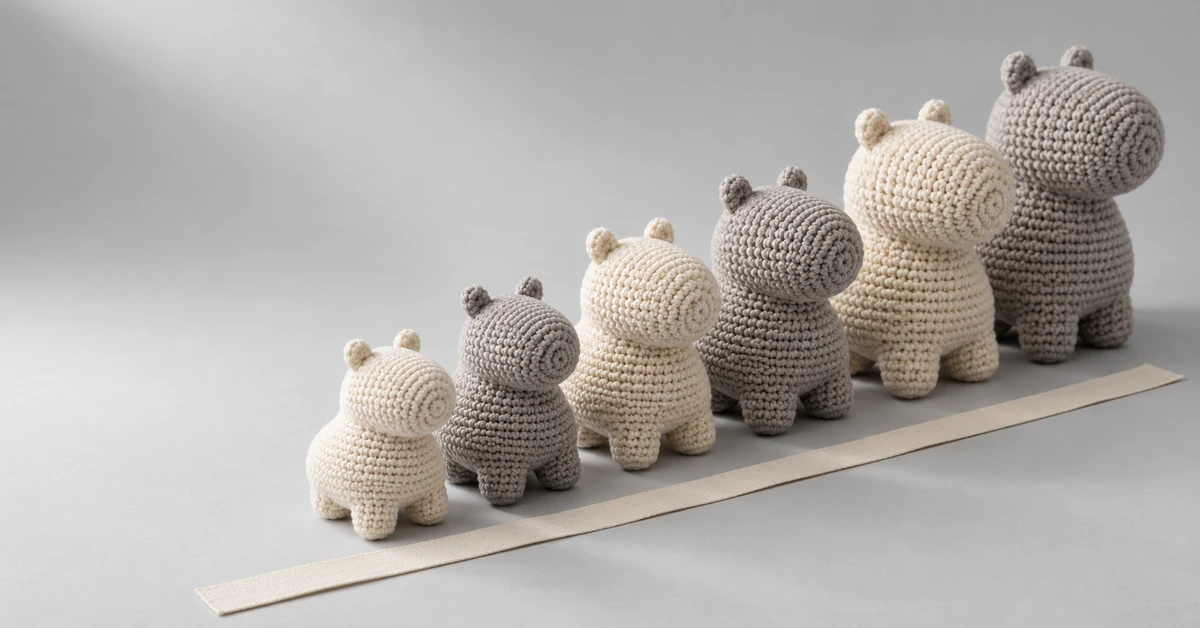
Request several units produced with the intended method. Measure height, width, head size, limb position and weight. Photograph them together from the same angles. The question is not whether one skilled maker can create a beautiful sample; it is whether production can repeat the approved character.
Define tolerances that protect the design
Not every variation matters equally in handmade crochet. A small body-height difference may be acceptable while a shifted eye or tilted ear changes the expression. Set tighter controls around identity-critical features and practical controls around less visible dimensions.
Check mixed-unit appearance
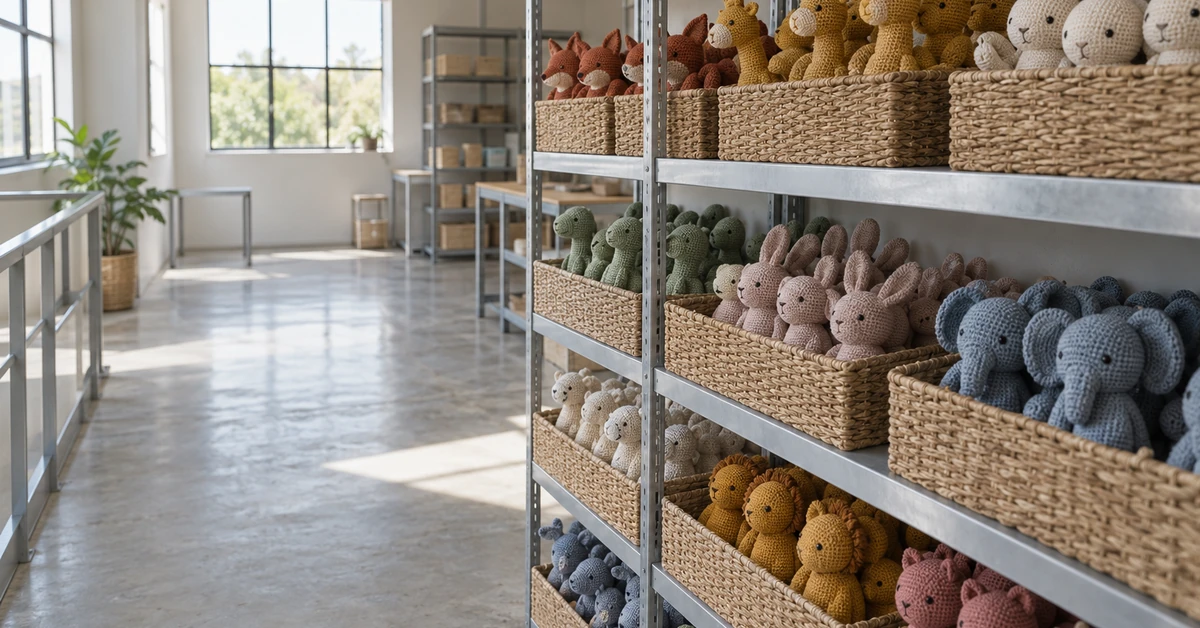
Place units beside each other as they would appear in a retail display or customer order. Look for lot-to-lot color shifts, different stuffing density, changed accessories and inconsistent finishing.
Section 6: Retail readiness, 10 points
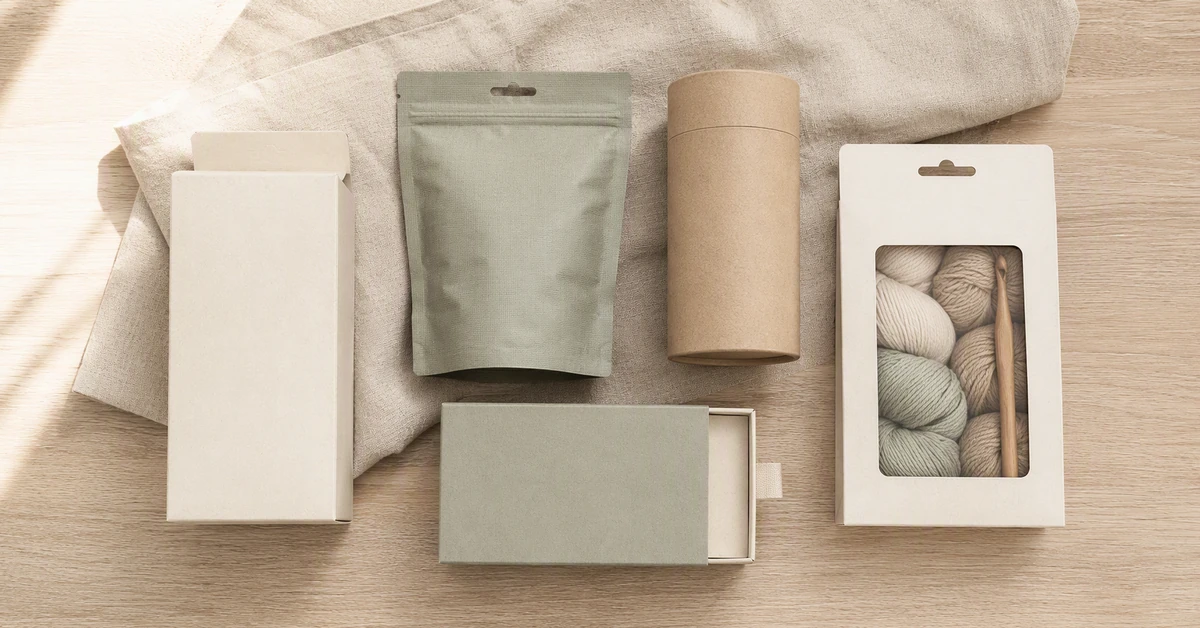
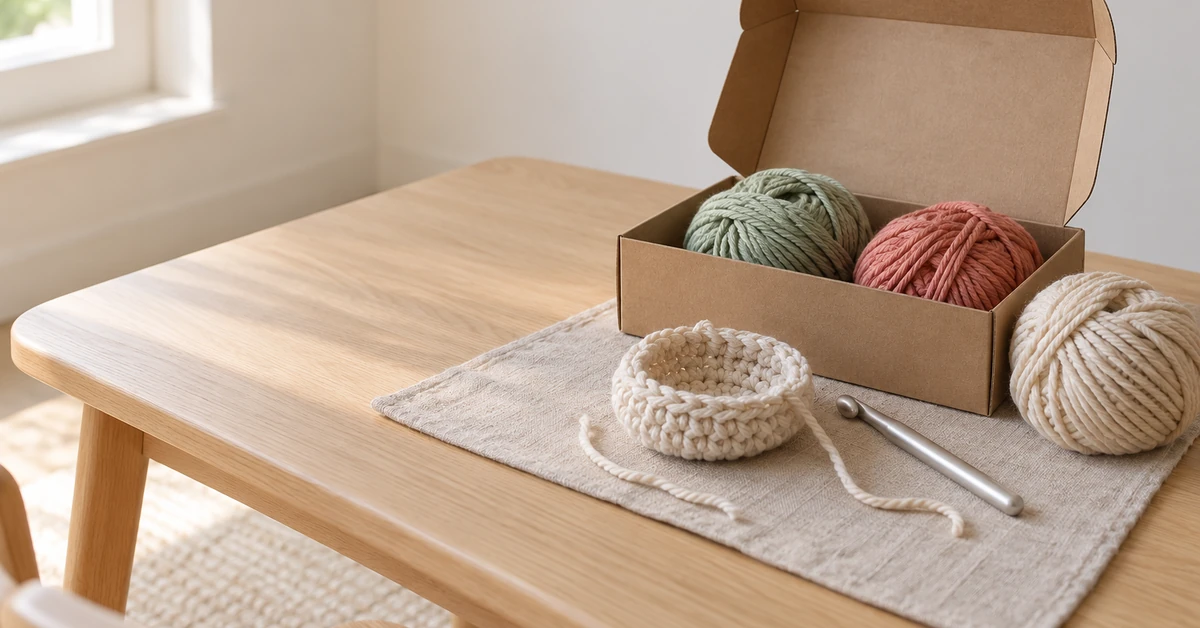
Review labeling, barcode position, hangtag or message card, care information, country-of-origin information where required, package protection and presentation. Confirm that packaging does not crush the figure or hide the feature that makes the character recognizable.
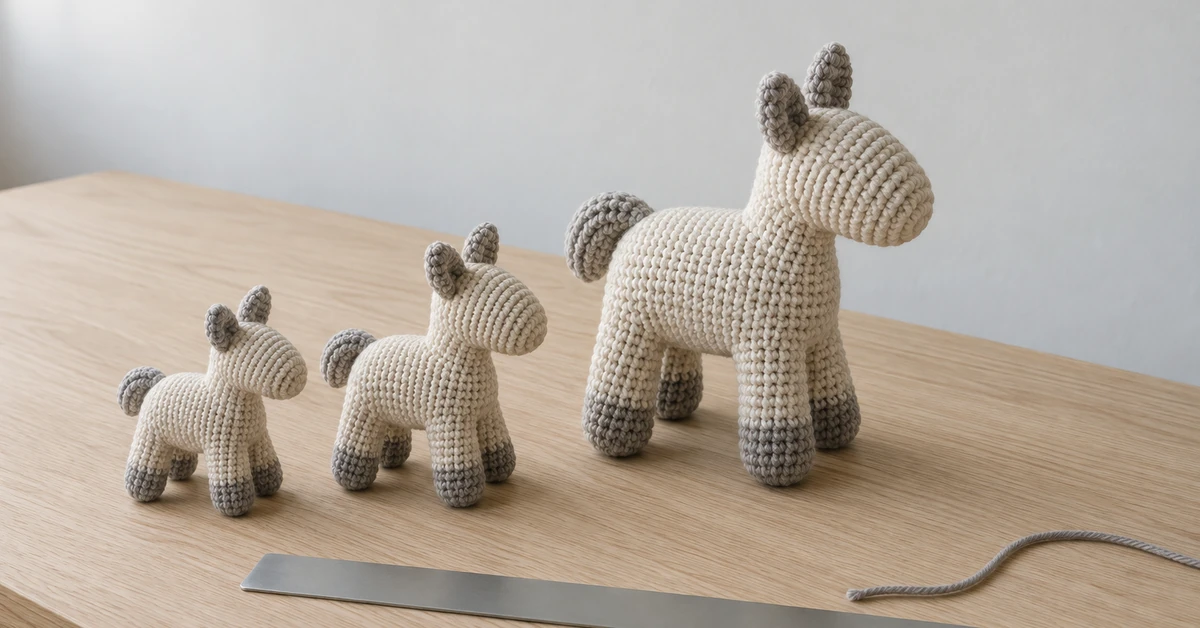
For eCommerce, photograph the product beside a scale reference and confirm that listing images do not imply a different size. For gifting, check whether the unboxing experience protects delicate details and presents the character immediately.
Score interpretation
| Score | Meaning | Recommended action |
|---|---|---|
| 90-100 | Strong sample with controlled minor refinements | Confirm corrections and prepare production reference |
| 80-89 | Commercially promising but important details remain | Revise targeted sections and rescore |
| 70-79 | Design or repeatability risk is still material | Return to pattern, material or construction decisions |
| Below 70 | The sample is not yet a reliable production standard | Rebuild the development plan before ordering |
A high score cannot override an automatic-fail gate. Likewise, a lower score can sometimes be corrected efficiently when the problem is isolated and the supplier understands the root cause.
Calibrate the reviewers before using the score
Ask the buyer, designer and supplier to score the same sample independently, then compare results. Large differences reveal vague criteria. One reviewer may treat a five-millimeter eye shift as minor while another sees it as a character failure. Discuss the reason, update the visual reference and score again.
Photograph examples of acceptable, borderline and unacceptable results for the features that matter most. A written phrase such as “ears must be symmetrical” is less useful than labeled images showing the allowed angle and position. Calibration also helps inspection teams focus on the features that protect customer recognition instead of giving equal attention to every handmade variation.
Keep the approved scorecard with the sealed sample and specification. When production begins, use the same categories for pre-production units, in-process reviews and finished-goods inspection so the quality language does not change between departments.
Run the review in three passes
A practical worksheet for how to evaluate amigurumi quality should keep the automatic-fail gates above the numeric score and include photo references for identity-critical features.
- Character pass: inspect silhouette, expression and recognizable features from normal viewing distance.
- Construction pass: inspect stitches, joins, stuffing, attachments and materials closely.
- Production pass: compare several units, documents, packaging and the approved specification.
This order prevents a common problem: spending twenty minutes on a hidden knot before noticing that the entire character shape is wrong.
Where Onehourcrafts fits
Onehourcrafts provides OEM/ODM support for custom crocheted products and amigurumi, including finished figures, character development, materials, accessories and private-label presentation. Buyers can use the scorecard during artwork review, sampling and pre-production approval.
For the steps that turn artwork into a repeatable reference, see the custom crochet product sampling guide. For collection planning, the amigurumi wholesale buyer guide covers retail use cases and assortment decisions.
Frequently asked questions
How many amigurumi samples should a buyer compare?
Use one approved development sample plus a small group made with the intended production method. The exact number depends on risk, but one perfect sample cannot demonstrate consistency.
Is handmade variation always a defect?
No. Define which differences are part of the handmade character and which change identity, function, safety or customer expectations. Tolerances should protect the important features.
Should the buyer weigh the finished figure?
Weight can be a useful indicator of filling and component consistency when used with dimensions and visual checks. It should not be the only quality measure.
Can photos replace a physical approval sample?
Photos help with revisions but do not reveal hand feel, stuffing balance, attachment strength, exact scale or package fit. Keep a controlled physical reference when practical.
When should the scorecard be updated?
Update it after design, material, accessory, supplier, process, packaging or market changes, and when customer feedback reveals a failure point that was not previously tested.
Make quality visible and repeatable
The practical answer to how to evaluate amigurumi quality is to score what the customer sees, inspect how the product is built, and prove that production can repeat the approved character. A scorecard turns subjective comments into priorities, evidence and acceptance rules.
Contact Onehourcrafts with your character artwork, size, intended use, quantity, market and packaging direction to discuss an amigurumi sample and production-quality plan.