
Plan retail display solutions for craft products from the empty hand outward. A shelf can carry attractive packs and still fail when a shopper cannot see the role, reach one unit, compare a second, or return the first without collapsing the row. Onehourcrafts uses a short human journey to connect fixture, packaging, signage and replenishment evidence.
Choose the shopper’s first three seconds
Stand at the actual approach distance and record what a shopper can identify before touching anything: category, project type, finished idea, price context if supplied by the retailer, and the difference between neighboring packs. Do not add a staff explanation during this first pass. Tie the observation to the named retail display solutions for craft products plan.
A display is not a poster. It is an invitation to a sequence. If the shopper sees only color and no role, the buyer may need clearer pack hierarchy, a shorter range or a different fixture angle.
- Approach without help
- Name the first visible role
- Mark the hand lane
- Record the first question
Leave a lane for the empty hand
Mark where a hand enters, lifts and withdraws. Keep the lane clear of risers, hooks, signs and neighboring packs. Test both left- and right-handed approaches where the store fixture allows, because a display that works only from one angle creates avoidable friction.
For a craft product shelf display, photograph the empty lane before loading it. The image becomes a useful control when later additions make the shelf look fuller but less usable.
Give each bay one job
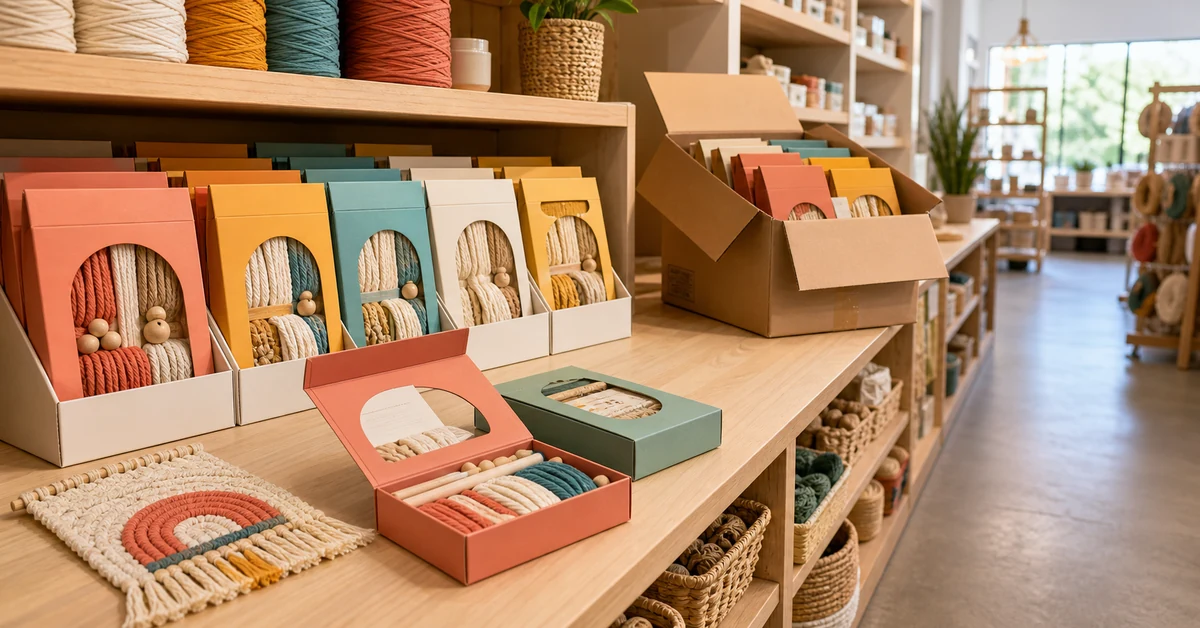
Assign every bay a role such as start here, continue, gift, seasonal or refill. Avoid mixing roles simply because the colors match. The role should survive a small change in artwork and should be understandable from the pack and the fixture together.
| Bay role | Shopper question | Evidence |
|---|---|---|
| Entry | What can I make? | Front pack and sample |
| Compare | Why this one? | Visible differentiator |
| Gift | Will it present well? | Closed and opened view |
| Replenish | Where does it return? | Stock path and label |
Test pickup without disturbing the row
Ask a tester to lift the front, middle and rear units from a full bay. Observe neighboring movement, hook resistance, snagging, shelf clearance and the moment at which the display loses its intended order. A beautiful initial plan must tolerate real hands.
Record the fixture load and the product revision. A change in pack thickness, hanging hole or insert can alter the pickup path enough to require a fresh retail sample.
Make comparison possible without a wall of copy
Place two related products side by side and give the shopper one reason to compare: project size, technique, completion boundary, gift use or replenishment role. Use a physical sample or concise cue rather than a paragraph that no one reads at shelf distance.
Comparison should clarify a choice, not push an unsupported winner. Buyers can state what differs and who each item suits while preserving room for shopper taste and store context.
Use the opened unit as a display tool
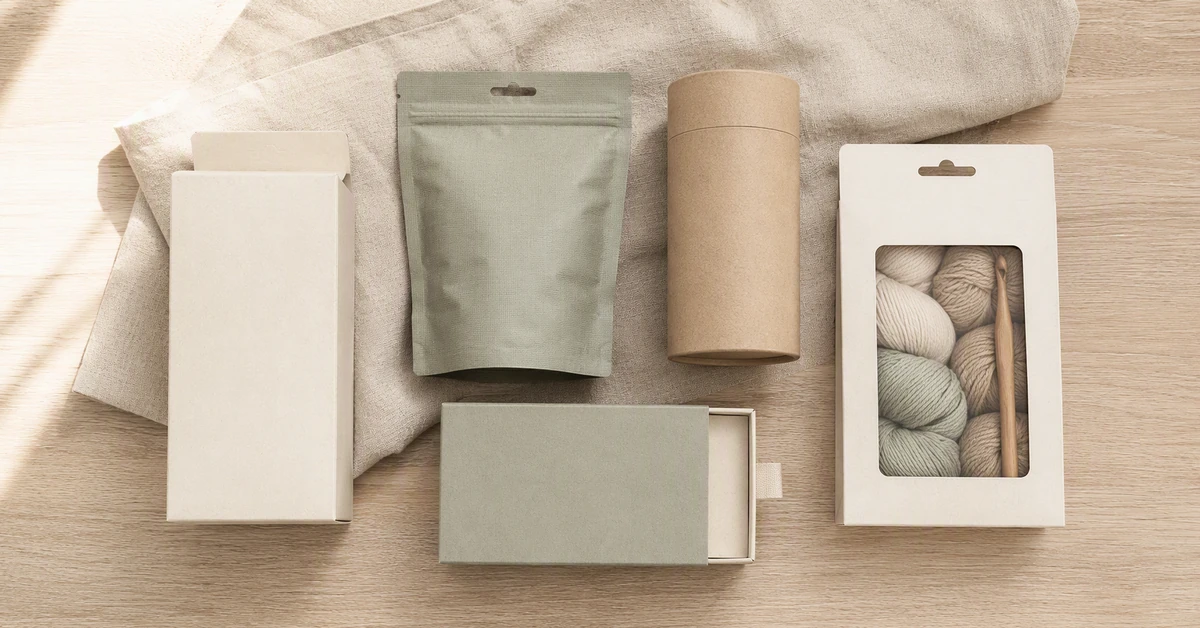
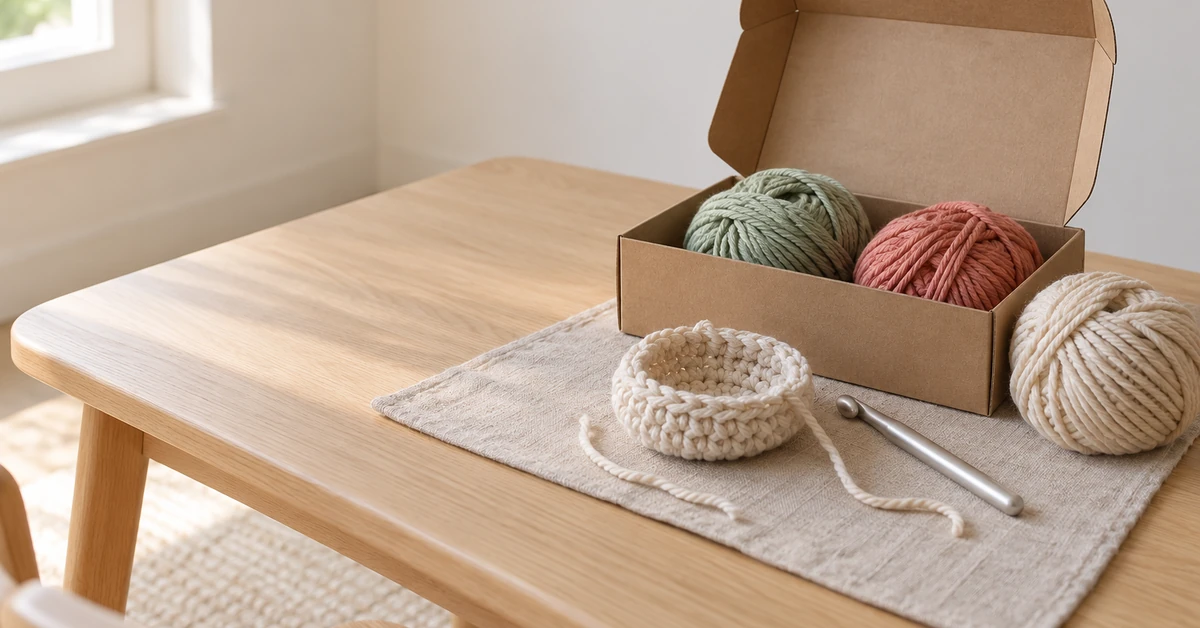
Open one production-intent unit and show the actual contents, instruction, tool and unfinished or finished reference. Keep styling props separate. The opened unit should answer the question a sealed pack cannot, without implying that the display piece is included.
A working reference is especially valuable for projects whose final appearance takes time. It can show scale, texture and boundary while the sealed pack retains the shelf-ready role.
Reset the shelf after a curious shopper
Let a tester remove several products, compare them and return them in a natural order. Watch whether the fixture tells the user where each pack belongs. A reset that requires a trained merchandiser will break during a busy store day.
Write the reset in pictures or short actions if needed. Keep the instruction tied to the released bay roles so a change in assortment does not leave outdated arrows or labels behind.
Replenish from the back without blocking the front
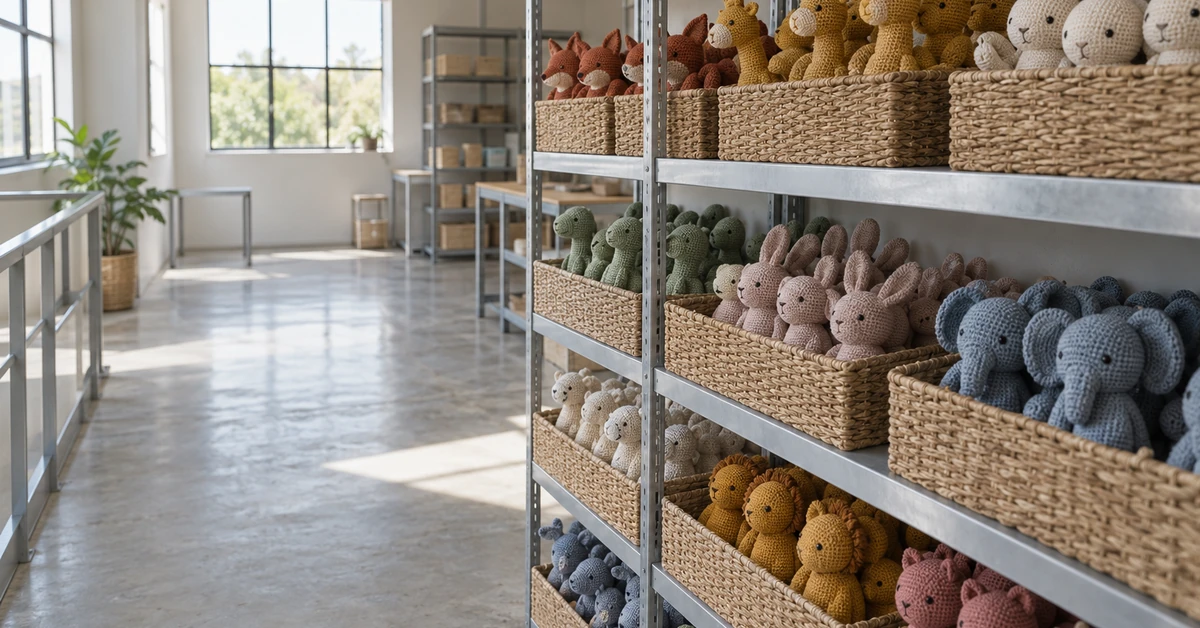
Simulate a case refill with shoppers still nearby. Record where the opened carton sits, which units are touched, and whether the display remains readable while stock is added. Replenishment is part of the display, not an invisible warehouse task.
For a countertop craft display, test the same action on a smaller footprint. A fixture that depends on a large rear access zone may suit a stockroom but not a checkout counter or event table.
Let signage answer one question at a time
Use a small set of prompts: what is it, who is it for, what is included, and what happens after the last step. Place the prompt where the hand and eye naturally pause. Avoid turning the fixture into a dense specification board.
The sign should point to physical proof or pack copy. It should not promise universal ease, performance or compliance without product- and destination-specific evidence.
Run a quiet thumbnail check
Photograph the display from the online thumbnail distance and from the aisle. If the range collapses into a single color band or the samples disappear, the buyer has found a communication gap. Retest after reducing props or changing the bay order.
A shelf and a product page are different surfaces, but they share the first role cue. Keep the approved names, images and variant identity synchronized across both.
Use a return path for damaged packs
Put a lightly handled unit back into the display and observe whether it can be isolated without dismantling the bay. The GS1 barcode standards overview can frame identity and traceability questions while leaving implementation to the retailer.
A practical return path separates inspection, quarantine and replenishment. It also prevents one damaged pack from making the entire range look disordered or unavailable.
Measure the space a team really needs
Have two people perform pickup, explanation and refill in the same bay. Mark elbows, cartons, signage and customer approach lines. This is not a universal store fixture rule; it is a site-specific way to reveal conflicts before the display is rolled out.
Keep a plan view and a human-height photo with the approval file. The pair helps a remote buyer discuss a display with a retailer without relying on a dimension that ignores the hand movement around it.
Write the RFQ as a shopper journey
Share channel, bay roles, product dimensions, pack orientation, samples, signage, replenishment, reset, damaged-pack route, quantity scenarios and evidence. The ISO quality management principles can frame the review process without certifying a display.
Use the replenishment guide, the embroidery shelf-clock example and the buying-guide library to connect fixture choices to pack and sampling decisions. Add a retail display testing record for each bay.
- Observe the first glance
- Mark the empty-hand lane
- Run pickup and comparison
- Replenish and reset
- Release the matched display
How Onehourcrafts keeps the display human
Onehourcrafts can align bay roles, hand lanes, opened evidence, signage, refill, reset and damaged-pack routes in one retail file. The fixture is judged by the work it enables, not by how many products it can hold.
Before approving retail display solutions for craft products, run the same shopper journey with a sealed pack, an opened reference and a refill carton. Keep the photos with the range plan so every new variant can prove where it belongs and how it returns.
- First-glance record
- Pickup lane photo
- Opened-unit proof
- Reset and refill route
Frequently asked questions
What is an empty-hand display test?
It observes where a shopper’s hand enters, lifts, compares and returns products, revealing friction a static shelf photo cannot show.
How many jobs should one display bay have?
Give each bay one understandable role so product differences remain visible and replenishment does not turn the shelf into a mixed message.
Why include an opened unit?
It shows real contents, scale and work boundary while the sealed units continue to represent the sellable pack.
Should a display work from both sides?
Test the actual store approach. Where both directions are possible, check pickup and signage from each rather than assuming symmetry.
What should a comparison cue say?
State one useful difference such as project size, technique, gift role or completion boundary, supported by the physical product evidence.
How should replenishment be tested?
Simulate adding stock from the intended carton or rear access while keeping the front readable and safe for nearby shoppers.
What belongs on display signage?
Answer one question at a time: role, audience, contents, finished idea or next step. Keep claims accurate and tied to the released pack.
Why test a damaged-pack route?
A display needs a way to isolate and replace a damaged unit without dismantling the entire range or leaving the shelf disordered.
Can a larger fixture be better?
Only when the added capacity preserves visibility, hand access, reset and replenishment. More slots can create a slower or less legible shelf.
What belongs in a display RFQ?
Include channel, bay roles, products, pack orientation, samples, signage, hand lanes, refill, reset, damage route and evidence.