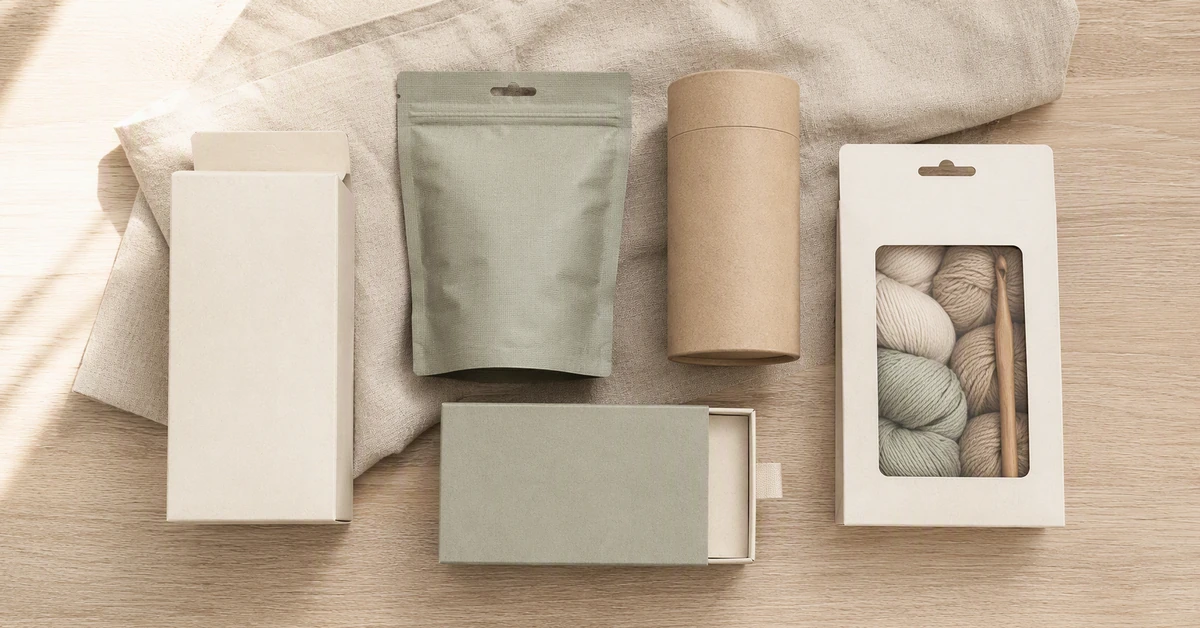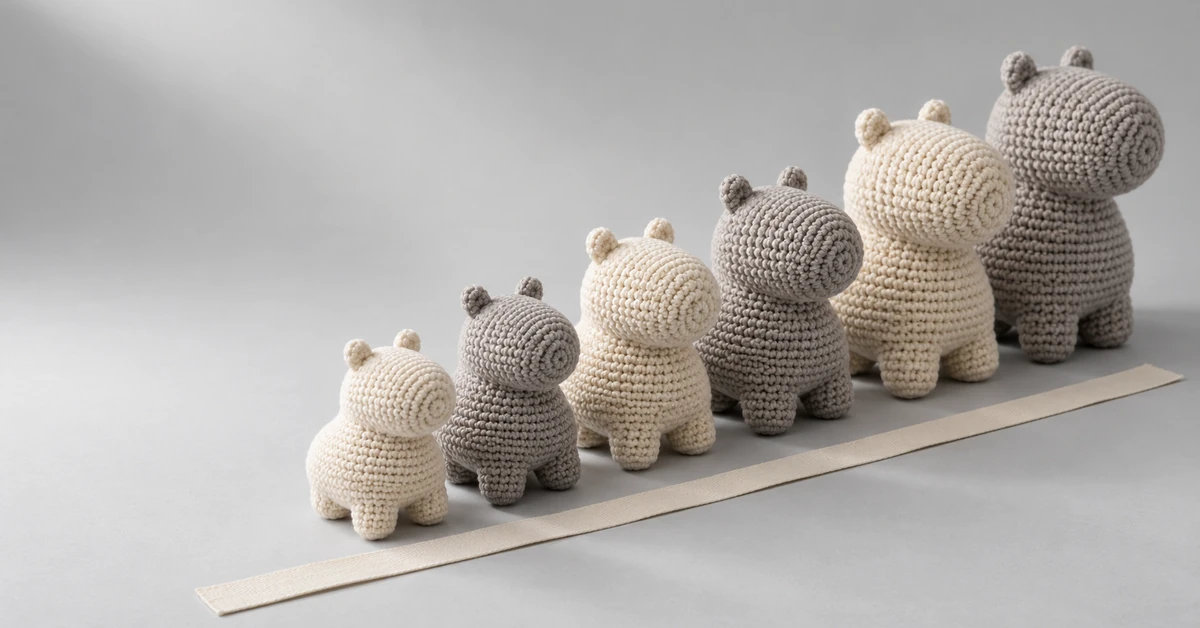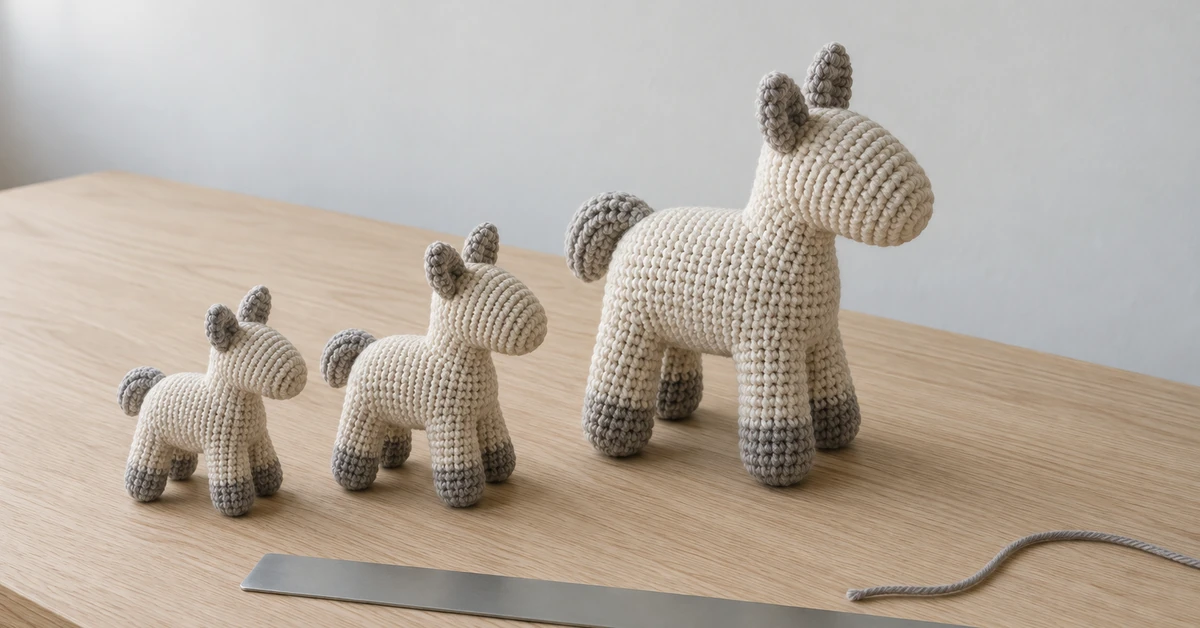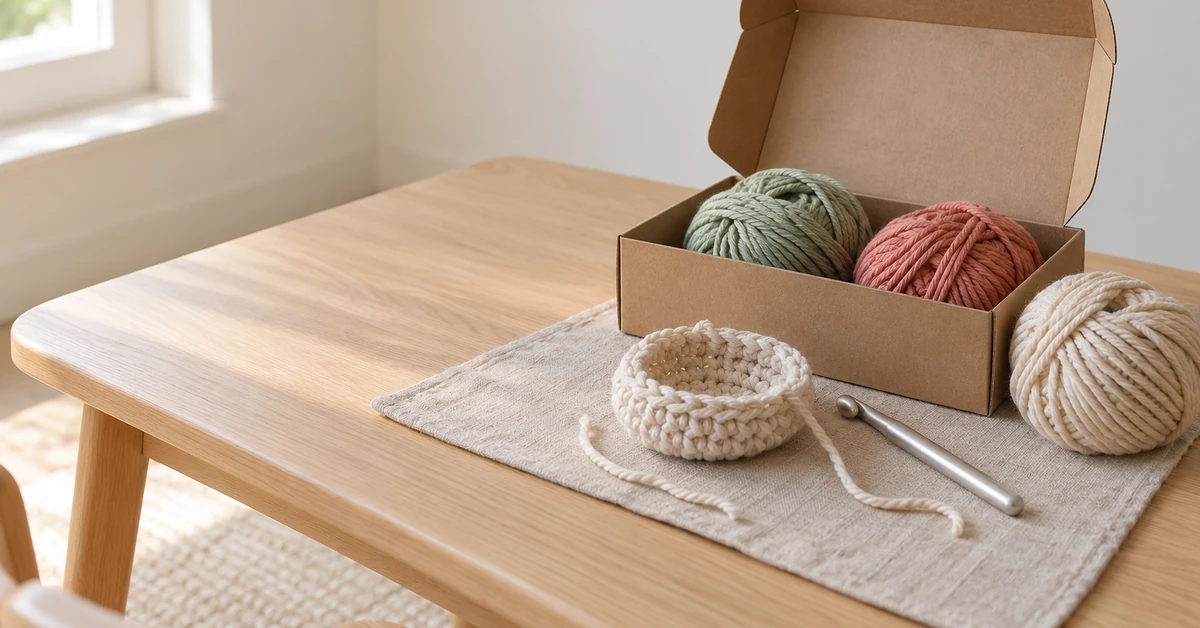

A shopper should be able to picture the first felted shape before opening a kit. Retail ready felting kits are not simply complete bags of wool; they are a chain from shelf promise to safe tool handling to a satisfying first form. Onehourcrafts evaluates that chain with an unboxing test, so buyers can see whether a kit will be understood, started and replenished in a real craft aisle.
Read the shelf promise at a glance
Place the unopened kit at the same distance as adjacent craft products and ask a shopper to name the project, skill cue and included tools. A beautiful color field is not enough if the finished form or first action remains hidden.
Use a single strong image and a small number of practical callouts. If the kit supports a beginner, show the first form honestly rather than only a polished finished sculpture. This makes shelf-ready craft kits easier to compare without inflated claims.
| Shelf signal | Question | Fix |
|---|---|---|
| Project image | What will I make? | Show first form |
| Tool cue | What is included? | Name it |
| Skill cue | Can I start? | Clarify level |
Open the kit in order
Lay out the contents and record the order in which a new maker reaches for them. Put the instructions, wool colors, needle tool, foam or holder and finishing piece in the same sequence the project needs.
An unboxing test exposes a common gap: the kit is complete on paper but the first physical step is hidden under a decorative card. Move only what is necessary, then document the approved order so packing and replenishment preserve it.
- Find the project
- Locate the tool
- Match the wool
- Make the first form
- Finish the surface
Map wool to a shape
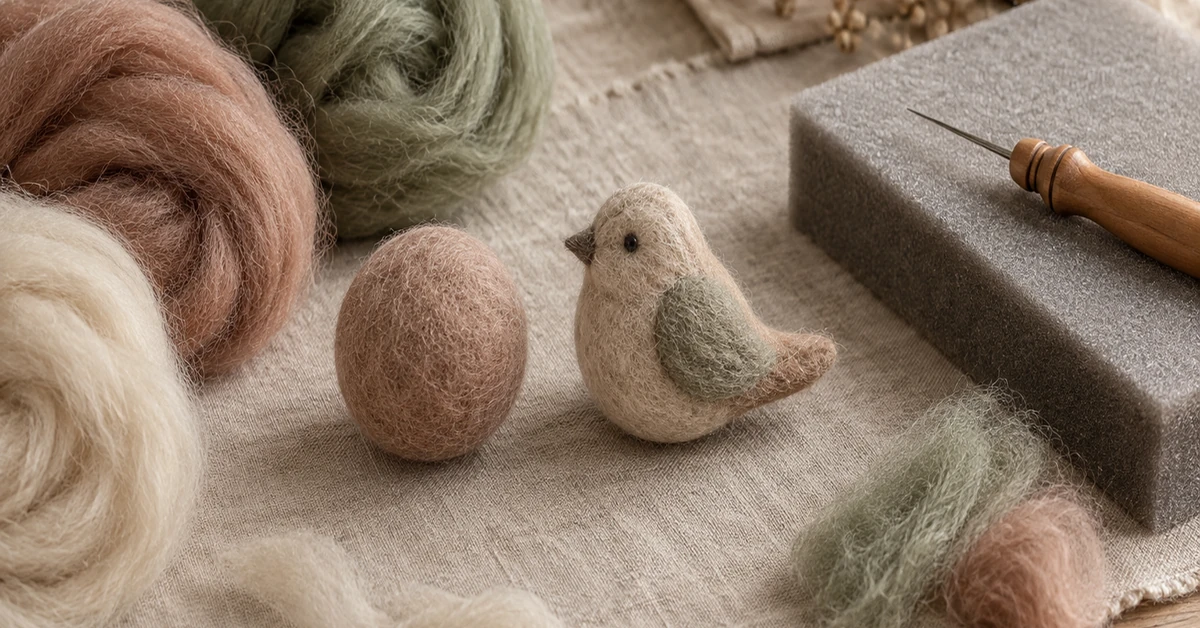
Use a small color map or numbered tray to connect each wool bundle with a part of the form. The buyer should not need to guess which color is the base, accent or finishing layer. Check the map against the physical bundle after a shake.
A generous wool quantity is not automatically useful. Explain what the reserve is for and keep color names tied to the approved fiber reference. When a palette changes, repeat the first-form test because contrast affects perceived progress.
| Bundle | Role | Check |
|---|---|---|
| Base | Main volume | Enough to start |
| Accent | Recognition cue | Easy to find |
| Finish | Surface detail | Not hidden |
Protect the needle tool
Ask a reviewer to remove and return the needle tool while seated at a shelf-height table. Check the holder, point protection and the way the instructions describe the tool. The kit should make the safe action obvious without dramatizing risk.
Needle felting starter kits can feel approachable when the tool has a visible home. If the holder adds too much bulk, compare a compact sleeve with a rigid insert and record the trade-off. The right choice depends on shelf pressure, safety policy and the intended user.
- Point protected
- Holder visible
- Return path clear
- Instruction plain
Use the first form as proof
Start the project with someone who has not seen the packaging brief. Stop after the first recognizable form and ask what made the step clear or unclear. Photograph the work beside the open kit, not alone on a styled table.
This is evidence for the product promise, not a guarantee of every customer's result. Keep the wool, needle, surface and time note with the sample ID. If the first form requires an expert trick, revise the sequence before increasing the assortment.
| Moment | Observe | Decision |
|---|---|---|
| First pinch | Wool control | Change bundle |
| First poke | Tool grip | Change holder |
| First outline | Shape cue | Change card |
Set the aisle footprint
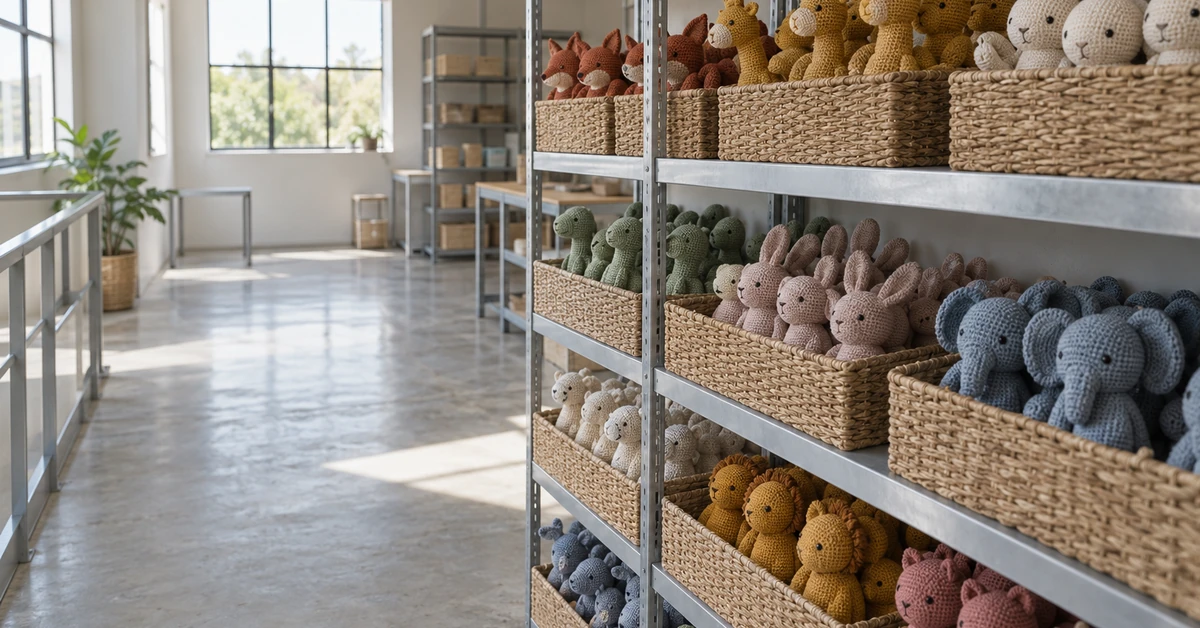
Measure the packed unit, shelf depth and facing count together. A kit can be retail-ready only if the store can display it without turning the side panel into a hidden back row. Test both a single facing and a small story block.
Use a finished sample sparingly. One open reference can explain texture and scale, while the unopened packs carry the sellable inventory. Photograph the actual shelf so the buyer can see the replenishment reach and neighboring products.
- Measure pack
- Set one facing
- Add one reference
- Test a story block
Price the start, not the fiber weight
Compare the kit with a small plush item, an embroidery project and an impulse craft gift. The shopper is paying for a first shape, instructions, tools and an organized start, not simply grams of wool.
A pilot should record pick-up, open-box questions, tool concerns and project starts where possible. Keep the result tied to the exact pack and shelf position. Avoid broad margin promises when the store has not tested the adjacent price neighborhood.
| Signal | Record | Why |
|---|---|---|
| Pick-up | Pack and position | Shelf clarity |
| Question | Exact wording | Instruction gap |
| Start | First form | Promise proof |
| Return | Reason | Pack fix |
Make refills visible
A store team should know whether a missing needle, wool color or instruction card is a kit issue or a replenishment issue. Separate saleable kits from service components in the stock file and on the carton.
If the assortment includes several animals or shapes, share the refill logic only where it is genuinely compatible. A universal refill claim can create disappointment when the wool quantity or tool differs.
- Kit SKU
- Tool component
- Wool family
- Instruction revision
Survive carton and shelf handling
Shake the packed unit, move it through a stockroom and place it on the shelf twice. Inspect wool compression, point protection, card corners and the visibility of the project image. The product should look like the approved sample after ordinary handling.
Ask for the inner-carton orientation and the recommended stacking limit. If a paper band or window changes, repeat the unboxing order because the first item a maker sees may change.
| Handling stage | Check | Owner |
|---|---|---|
| Carton | Compression | Supplier |
| Stockroom | Corner wear | Operations |
| Shelf | Image visible | Retail |
| Second fill | Order preserved | Buyer |
Create a simple staff recommendation
A staff member should be able to compare two kits by project, first form and tool boundary. Give them a short card or back-of-shelf note that supports the choice without repeating all instructions.
When staff can explain the difference, the product earns a better chance of being selected for the right customer. Keep the recommendation tied to the actual sample and avoid phrases such as effortless or guaranteed.
| Staff cue | Meaning | Example |
|---|---|---|
| First shape | Opening proof | Small leaf |
| Tool | Handling boundary | Protected needle |
| Time | Expectation | Short sessions |
| Refill | After sale | Core wool |
Write the buyer's evidence file
The RFQ should request front and side pack views, an open-kit photo, the first-form observation, tool-protection evidence, packed dimensions and two quantity scenarios. This lets the buyer compare a shelf test with a production quote.
Use the buying-guide library for buying context, the embroidery collection for related kit references, and the GS1 barcode guidance to discuss product identification. The ISO quality principles can frame how a packaging or instruction revision is recorded.
| File part | Evidence | Decision |
|---|---|---|
| Shelf | Facing photo | Space |
| Unboxing | First order | Clarity |
| Tool | Holder check | Safety |
| Refill | SKU map | Operations |
Onehourcrafts turns wool into a clear start
Onehourcrafts can align the shelf image, first form, wool map, tool holder, pack footprint and refill record in one buyer-readable brief. That chain helps a store sell the beginning of the project honestly.
Before approving retail ready felting kits, ask a new reviewer to open the kit and make the first recognizable shape. When the shelf promise survives that handoff, the range is ready for a measured pilot rather than a hopeful placement.
- Shelf promise
- Unboxing order
- Tool boundary
- Refill record
The final retail ready felting kits brief should connect felting kits for craft stores, needle felting starter kits and shelf-ready craft kits to the first recognizable shape. Keep the buyer's approval file linked to the company home so the commercial context remains visible without adding a new claim.
Frequently asked questions
What does retail-ready mean for a felting kit?
It means the shelf promise, packed contents, tool handling, first project step and replenishment route work together in the intended store.
Should the package show a finished sculpture?
Show a finished reference when it is labeled honestly, but also make the first achievable form visible so the promise is not inflated.
How should wool colors be organized?
Map base, accent and finishing bundles to the shape and keep the physical bundles matched to the approved fiber reference.
How can a kit feel approachable?
Make the first tool action and the first form clear, protect the needle and avoid hiding the opening step under decorative packaging.
What should a shelf test include?
Use the real facing depth, adjacent products, one open reference, a price cue and the actual pack orientation.
Are universal refills a good idea?
Only when wool quantity, fiber and tool compatibility are genuinely shared; otherwise give each kit its own refill rule.
What should a buyer record in a pilot?
Track pick-ups, questions, tool concerns, first-form starts, returns and the exact shelf position.
How do you protect the needle in transit?
Use a holder or insert that keeps the point controlled, then inspect it after carton and shelf handling.
What belongs in an RFQ?
Request pack views, open-kit evidence, first-form observation, tool protection, dimensions, carton orientation and quantity scenarios.
Why test an unboxing sequence?
The order of the first physical actions often decides whether a complete kit feels usable or confusing.