
An aluminum crochet hooks supplier should be evaluated through specimens that connect the printed size to the actual working geometry, surface behavior, grip relationship and set order. Onehourcrafts recommends reading each hook as a measuring tool and a user interface, not simply as a colored metal rod. A disciplined audit makes differences visible before artwork, cases and order quantities make a weak set expensive to change.
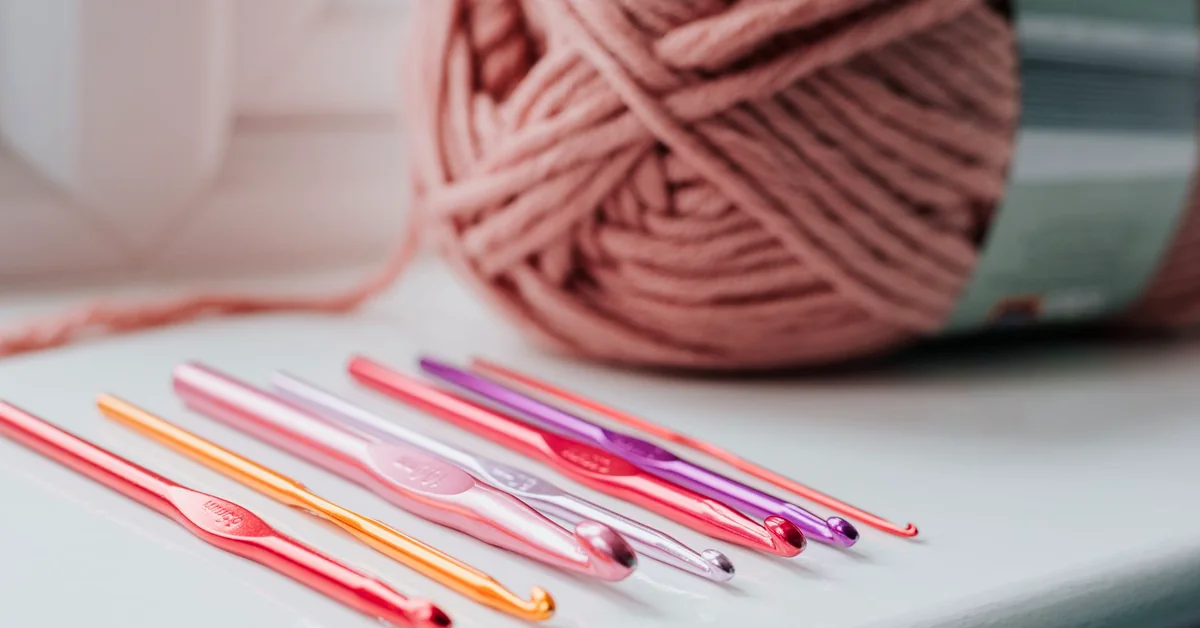
Begin with the mark the user will trust
Locate every size mark and record its unit, format, position, direction, contrast and durability expectation. Check whether the mark remains readable when the hook sits in its case or grip. If multiple size systems appear, define which is primary and how conversion is communicated. A beautiful color code cannot rescue a missing or ambiguous size identity.
Separate nominal size from measured diameter
Agree where and how the working diameter is measured, what instrument and method are appropriate, and what tolerance applies. Do not measure random points and average them into a reassuring number. Record the specimen identity and location. The crochet hook size guide provides context for organizing sizes, while the purchase specification must define the actual verification method.
Trace the working geometry from tip to shaft
Divide the tool into tip, mouth, throat, neck, working shaft, transition and handle or grip zone. Photograph profiles consistently and note which dimensions or contours are controlled. Two hooks with the same stated diameter may handle yarn differently because the transition and throat differ. Review the complete path rather than approving one caliper reading.
Use a specimen card for every size
| Field | What to record | Why it matters |
|---|---|---|
| Identity | SKU, nominal size, unit and lot reference | Preserves traceability |
| Geometry | Defined diameter and profile observations | Connects mark to working form |
| Surface | Color, sheen and defect observations | Reveals finish variation |
| Grip | Position, alignment and transition | Checks the user interface |
| Pack | Slot, label and set sequence | Prevents size confusion |
- Photograph the complete hook against a stable scale.
- Add tip and throat profiles from the agreed direction.
- Retain the measurement record with instrument and method.
- Link the card to case slot, artwork and sample status.
Inspect the tip without inventing a universal preference
Describe point shape and symmetry using the intended design reference. Then test representative materials and tasks defined for the offer. A sharper or rounder profile is not automatically better for every yarn, stitch or user. Record snagging, splitting, entry behavior and recovery in the stated setup, and avoid turning one tester's preference into a universal performance claim.
Read the throat as a yarn path
Observe how yarn enters, rests and releases through the mouth and throat during the defined stitch sequence. Note rough transitions, inconsistent depth or edges that affect the specimen. Use controlled yarn and a repeatable motion when comparing sizes or lots. This working-path observation explains more than a static beauty photograph while remaining bounded to the tested conditions.
Check straightness and transitions in reflected light
Roll or fixture the specimen using an agreed method and inspect the shaft and transition under stable lighting. Reflections can reveal bends, waviness, abrupt shoulders and surface discontinuity. Define what qualifies as a cosmetic observation, a dimensional issue or a functional concern. Keep the specimen rather than relying only on a verbal inspection result.
Build a finish defect vocabulary
Name observations such as scratch, pit, discoloration, patchiness, edge exposure, rough spot, stain or coating buildup and illustrate acceptable and unacceptable references. “Poor finish” is too vague for correction. Aluminum crochet hooks wholesale programs benefit from a shared photo library that links defect name, location, severity and disposition without implying that every visual mark affects function equally.
- Use stable lighting and a consistent background.
- Show both the full tool and the marked detail.
- Record size, specimen and lot identity.
- Separate visual disposition from functional observations.
Test surface behavior with relevant yarns
Select representative smooth, fuzzy, split-prone or structured yarns from the intended use range and document the test conditions. Observe glide, noise, residue, snagging and visible transfer as relevant. The result belongs to that yarn-hook combination. If the set will be included in kits, connect this review with the kit gauge swatch method.
Audit the grip-to-shaft relationship
Where a grip is supplied, record its orientation, position, rotation, bonding, transition edge and relationship to the size mark. Compare paired specimens after reasonable defined handling. A grip that looks ergonomic may still obscure identity or create an abrupt contact point. The ergonomic hook test offers a structured way to observe different users without making medical promises.
Use color as navigation, never as the sole identity
Color can help users and packers locate sizes, but lighting, color perception and future substitutions make it an unreliable sole code. Keep a readable size mark and printed set key. Approve color references by controlled sample or defined standard as relevant, then specify how shade changes are communicated. Do not let two sizes share confusingly similar identifiers within one set.
Design the set as an ordered sequence
Define included sizes, direction of increase, slot positions, missing-size logic and replacement rules. Bulk crochet hook sets should make gaps deliberate and easy to explain. Photograph the open set from the user's viewpoint and the packer's viewpoint. Then confirm that each hook can be removed and returned without scraping adjacent tools or hiding its mark. GS1's GTIN overview adds general sellable-unit identity context for distinct set configurations.
Make the case an inspection fixture
A well-designed case can help receiving teams see whether every size occupies the right slot. Label positions should remain visible when filled. Test closure, movement, abrasion and tool escape through the planned route. If elastic loops or molded slots are used, define how fit is checked across the smallest and largest hooks rather than approving only the middle size.
Compare production specimens across the whole ladder
Do not inspect several units of one convenient size and assume the rest follow. Review at least the defined small, middle and large representatives, plus any size using different tooling or grip construction. A crochet hook manufacturer should identify process differences that may create size-specific variation. Link observations to the actual lot and set configuration.
Preserve evidence at receiving
Create a compact receiving screen covering carton identity, set count, size sequence, mark readability, visible finish, case condition and a defined specimen check. Quarantine unclear or changed stock instead of mixing it into approved inventory. The ISO quality management principles describe broad evidence-based thinking, but the buyer must define product-specific acceptance.
Send a specimen-led RFQ
For an aluminum crochet hooks supplier, state size range, units, geometry references, material and finish expectations, grips, color logic, case layout, sellable pack, quantities, destinations and evidence gates. Ask for sample identities, measurement method, production records, defect references, packing details and change rules. Request assumptions explicitly so apparently comparable quotations do not hide different sets.
Approve through four readings
- Identity reading: size, unit, SKU and set position agree.
- Geometry reading: measured diameter and working profile match the reference.
- Surface reading: finish and yarn-path observations meet defined limits.
- System reading: grip, case, labels and production evidence preserve the set.
How Onehourcrafts supports measurable hook sets
Onehourcrafts can link size ladders, specimen cards, yarn trials, finish references, case layouts and receiving screens before production. A reliable aluminum crochet hooks supplier makes each claimed size and approved difference traceable. The purpose is not to declare one geometry perfect; it is to ensure the set the buyer approved is the set the user can identify and receive.
Frequently asked questions
Is the marked hook size enough for approval?
No. Connect the mark to a defined diameter measurement, working profile, specimen identity and agreed tolerance.
Why inspect the throat and transition?
They influence how yarn enters, rests and releases, so equal nominal diameters can still produce different handling observations.
Should every hook color be unique?
Color may support navigation, but every size still needs readable identity and a controlled set key.
What should a finish defect library contain?
Use named observations, locations, severity references, clear images and dispositions agreed for cosmetic and functional concerns.
How should hooks be tested with yarn?
Use defined yarns, tasks, stitch sequences and observations, then report results as conditional to that setup.
Can a grip be approved by appearance?
No. Review position, orientation, rotation, bonding, transition, mark visibility and observed use with representative participants.
How many sizes should production inspection cover?
Use a risk-based plan that represents the ladder and includes sizes or constructions with distinct tooling or process differences.
What should the case prove?
It should preserve count and order, keep labels visible, protect tools through the route and let users remove and replace them.
When is a color change acceptable?
Only through the agreed approval process, with the size identity, set key, pack artwork and affected records updated as needed.
What evidence should arrive with a shipment?
Retain the approved identity, relevant inspection or measurement records, pack configuration, change status and lot linkage defined by the buyer.