
A trend list can create urgency without improving a range. A popular color, character or technique may work for one channel and fail in another because the price, project time, skill level, packaging or replenishment model is wrong.
Use craft kit trends for retailers as hypotheses to test, not as automatic buying instructions. A useful trend connects a visible customer job to a product format, operational requirement and measurable trial. The retailer should know what evidence would confirm or reject the idea.
The seven signals below are durable planning directions rather than claims that every market is moving in the same way. Validate them with search behavior, store data, customer questions, workshop results, marketplace tools and small purchase tests.
Apply a four-question trend filter
Before adding a trend to the assortment, ask:
- Customer job: what is the shopper trying to make, learn, gift, share or organize?
- Proof signal: what current evidence suggests the job is becoming more relevant in this channel?
- Operational fit: can the retailer price, explain, display and replenish the offer?
- Low-risk test: what is the smallest experiment that produces a meaningful decision?
Possible signals include on-site search, abandoned searches, product-page engagement, customer-service questions, class registrations, repeat purchases and results from official search-trend tools. Use the same geography and time period as the planned range.
Signal 1: First-success kits
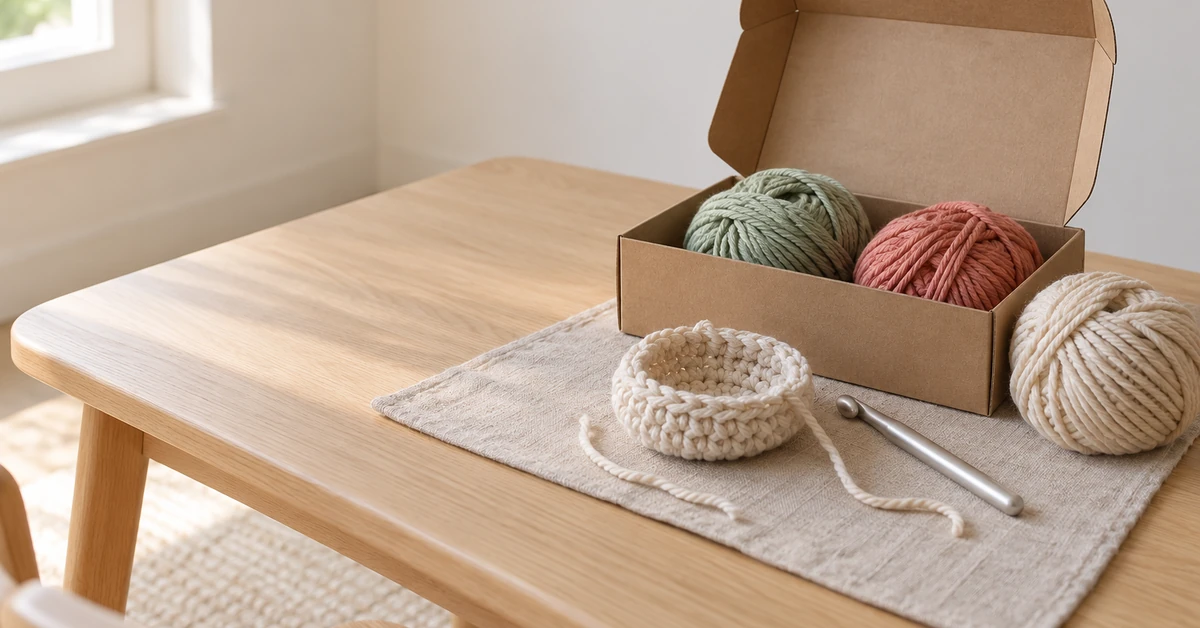
Many customers do not need the largest starter set. They need a credible first success. A first-success kit reduces decisions, limits techniques and produces a recognizable result within a clear amount of time.
Build the offer around:
- One project and one clear finished result.
- Minimal but complete tools and materials.
- A visible difficulty and time expectation.
- Instructions tested with a true beginner.
- A next-project recommendation after completion.
Risk: oversimplifying the contents while the instructions remain difficult.
Test: compare completion, review language and follow-up purchase between a focused project kit and a broad starter bundle.
Signal 2: Portable pause-and-return projects
A customer may craft during travel, lunch breaks or short evening sessions. Portability is therefore more than small package size. The project needs controlled components, a useful stopping point and storage that supports returning without confusion.
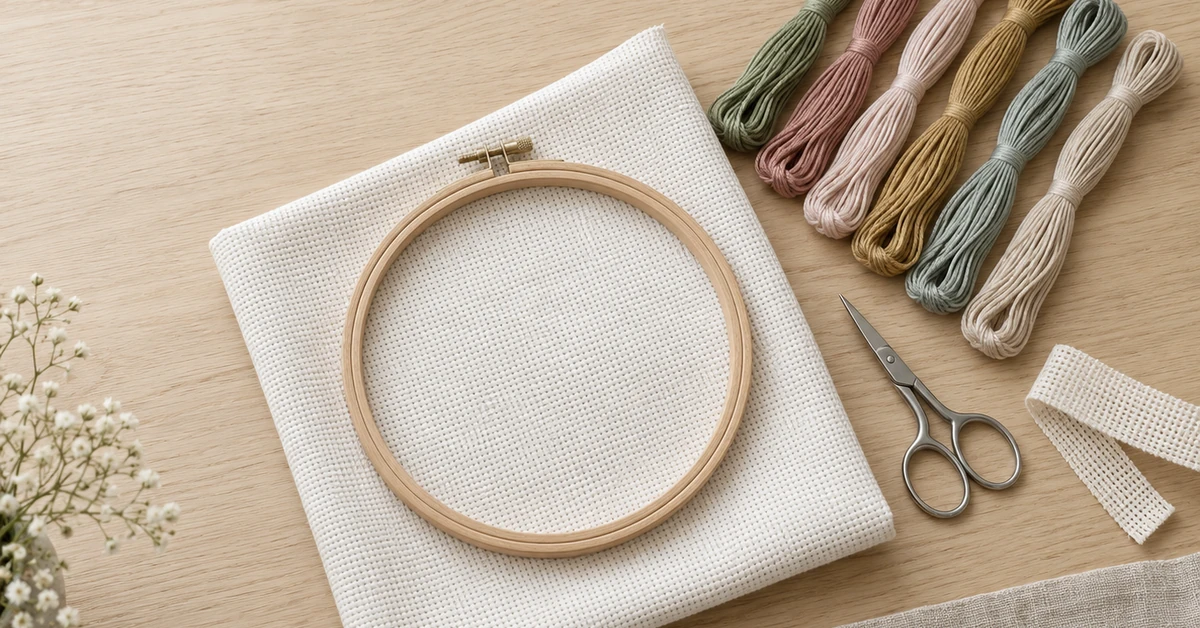
Useful formats include compact crochet projects, repair kits, small embroidery or cross-stitch designs, and tool cases that keep work-in-progress materials together.
Risk: reducing the project size but leaving loose components or instructions that are difficult to use away from a table.
Test: merchandise portable projects near travel, desk, gift or seasonal-use occasions and compare attachment to the occasion rather than only to the technique.
Signal 3: Gift-ready experiences
Craft kits can sell as an activity gift, not only a supply purchase. The buyer needs to understand who the recipient is, what they will make and whether the package feels complete without specialist knowledge.
Gift readiness can include a strong finished-project image, concise contents, skill level, project time, message area and an opening sequence that presents the materials neatly.
Risk: investing in premium packaging while the project remains unclear or the result does not match the imagery.
Test: compare a gift-presented version and a standard version of the same core project during one gifting period. Track conversion, return reasons and customer questions.
Signal 4: Personalization without uncontrolled complexity
Customers may value color choice, initials, character details or selectable accessories. Retailers can offer participation in the final result without creating a unique production process for every order.
Use controlled personalization layers:
- A small set of approved colorways.
- Interchangeable message cards or tags.
- Optional accessories packed from a controlled list.
- Pattern variations that share the same core materials.
Risk: creating too many SKUs, leftover components and picking errors.
Test: offer a limited choice architecture and measure which options customers actually select before expanding.
Signal 5: Displayable finished projects
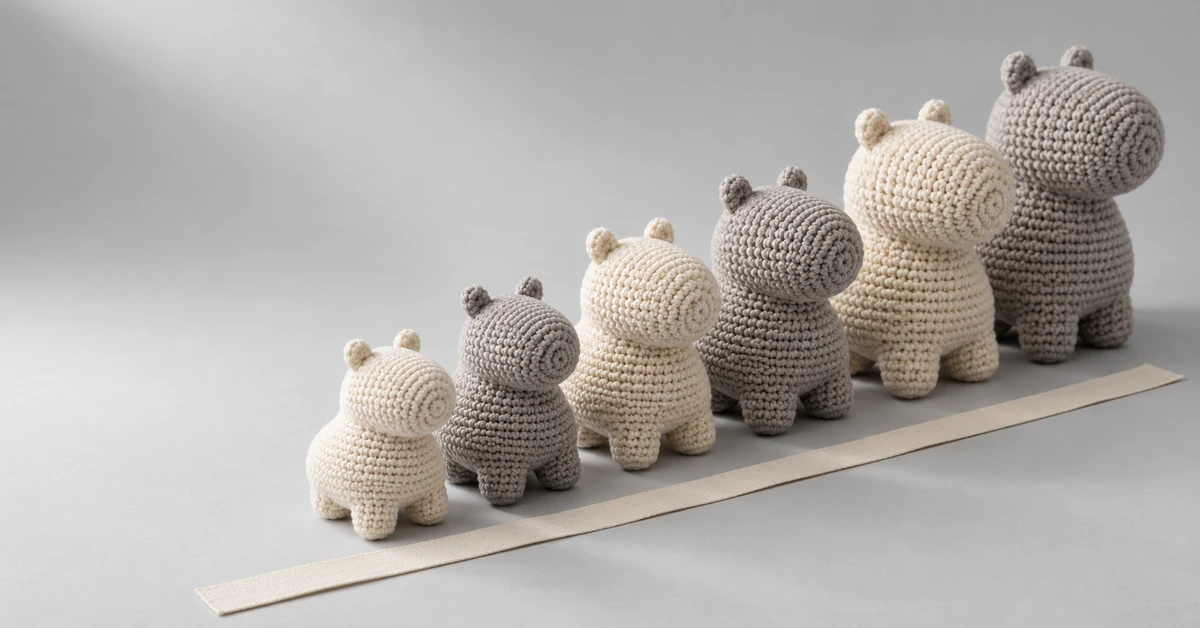
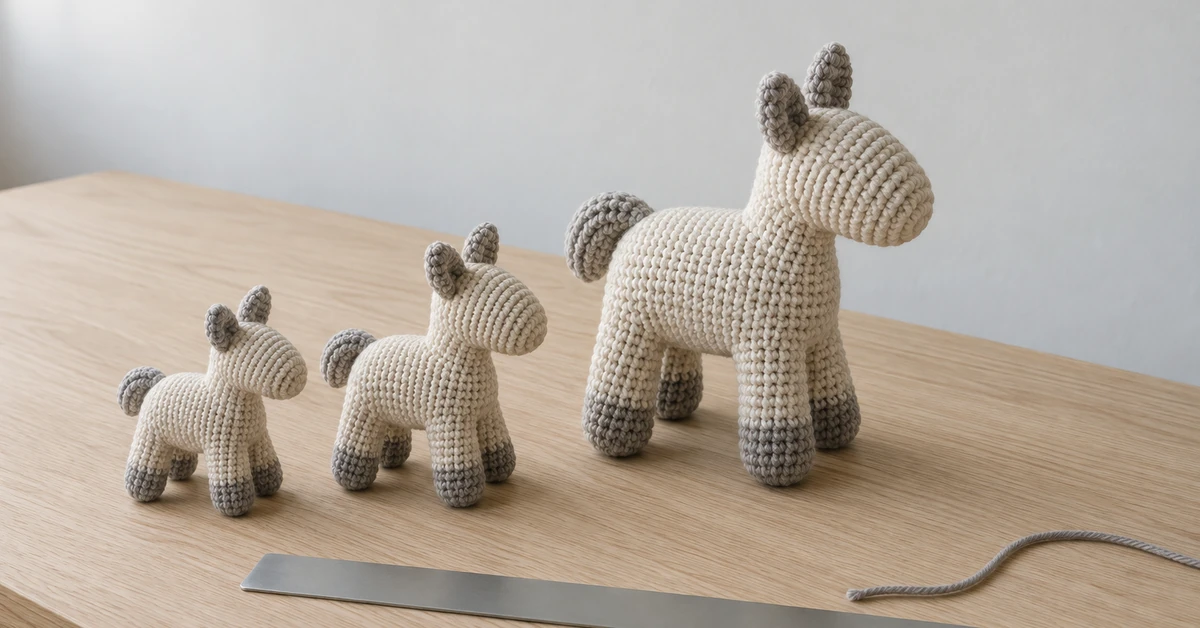
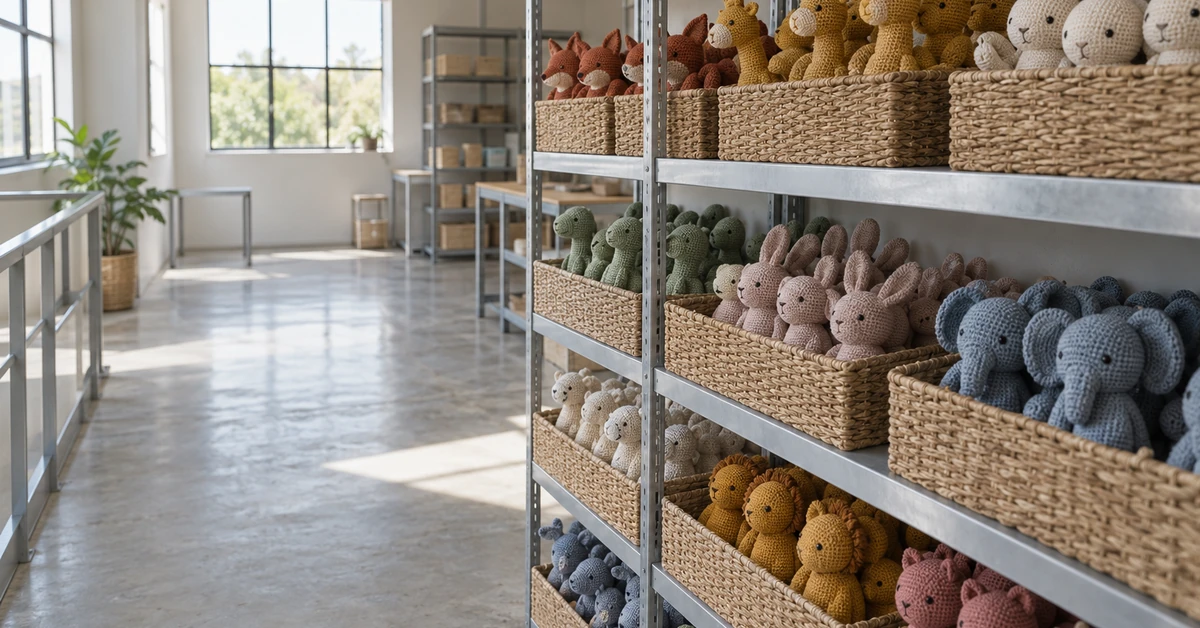
The completed item can be part of the purchase motivation. Small characters, plants, seasonal decor, ornaments, accessories and framed needlework give customers a visible outcome that remains after the activity.
Retail communication should show scale, styling and placement without overstating the result. The materials and instructions must support the displayed finish.
Risk: designing for the photograph rather than the maker's ability. A highly detailed result may increase abandonment.
Test: compare product pages or displays that lead with technique versus the finished object's use. Measure which explanation produces fewer pre-purchase questions and stronger completion feedback.
Signal 6: Workshop-to-retail products
Workshops, community events and guided sessions can generate direct evidence for retail product design. A workshop pack needs fast distribution, clear participant identification, predictable timing and simple instructor support.
The same project can become a retail kit when the independent instruction and packaging are strengthened. Workshop observations reveal the steps that need better diagrams, pre-sorting or tool choices.
Risk: assuming a project that succeeds with an instructor will work independently.
Test: run the project in a guided session, revise it, then test with unassisted customers before broader retail release.
Signal 7: Reusable organization as product value
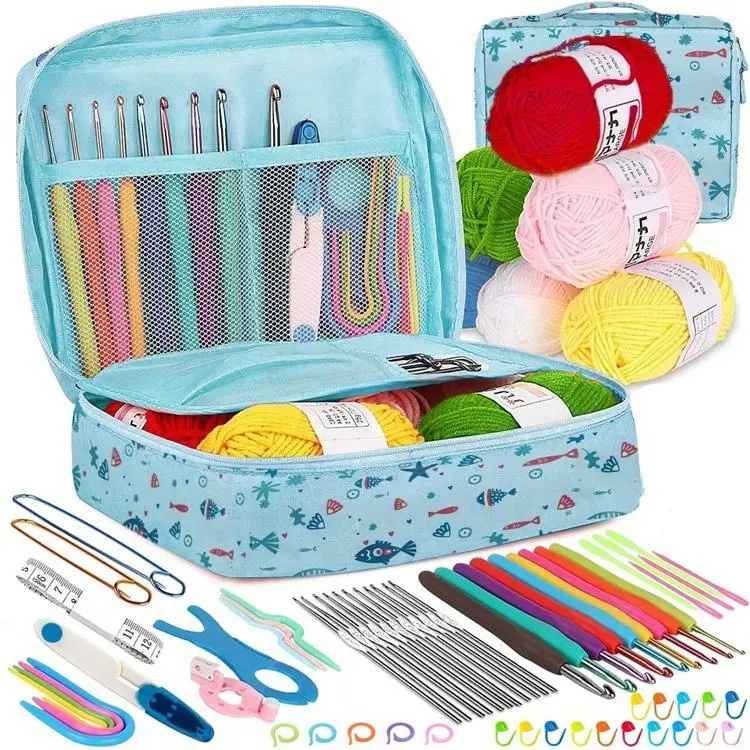
Tool-heavy kits can create ongoing value when the case or organizer remains useful after the first project. This is especially relevant for crochet hook sets, sewing repair kits and mixed accessory collections.
The organizer should fit the actual workflow: visible tools, controlled small parts, room for the work in progress and practical portability. Reuse should not create a package that is unnecessarily large or expensive.
Risk: adding a case that looks valuable but does not organize the included components well.
Test: compare customer retention, review language and accessory attachment for a reusable organizer versus disposable packaging.
Translate each signal into a range role
A working review of craft kit trends for retailers should assign every tested product a role. Without a role, the assortment can become a collection of unrelated experiments.
| Range role | Commercial purpose | Useful metrics |
|---|---|---|
| Entry | Reduce risk for a first-time buyer | Conversion, completion feedback, second purchase |
| Gift | Reach occasion shoppers | Seasonal sell-through, gift-message use, returns |
| Core | Provide repeatable everyday demand | Replenishment rate, margin, availability |
| Expansion | Move existing makers into a new technique or project | Cross-sell, repeat purchase, basket size |
| Community | Support workshops or group participation | Registration, project completion, post-event sales |
Several signals can support one role. A portable first-success kit may serve as both an entry product and a travel gift. Keep the primary role clear so pricing and merchandising decisions remain coherent.
Build a 90-day test portfolio
Do not reset the full range around one signal. Select a small portfolio:
- One low-complexity improvement to an existing product.
- One new product built around a clear customer job.
- One packaging or merchandising test.
- One workshop, sample or content test before inventory.
Set a decision date and define what happens if the test succeeds, remains uncertain or fails. A failed controlled test is useful when it prevents a larger inventory commitment.
Separate a durable signal from seasonal noise
Compare several time windows before calling a direction durable. A holiday, film release, viral post or promotional campaign can create a sharp but temporary increase. Look for repeated customer jobs across seasons, such as beginner confidence, portability or gifting, even when the colors and characters change.
Keep the stable product architecture separate from the seasonal layer. The same beginner project can use different palettes, messages or packaging sleeves while retaining controlled materials and instructions. This makes the range more responsive without turning every short-term signal into a new supply chain.
Check operational consequences before buying
Trend products still need normal sourcing discipline. Review component minimums, shared materials, instruction development, packaging, labeling, lead time, inspection and replenishment.
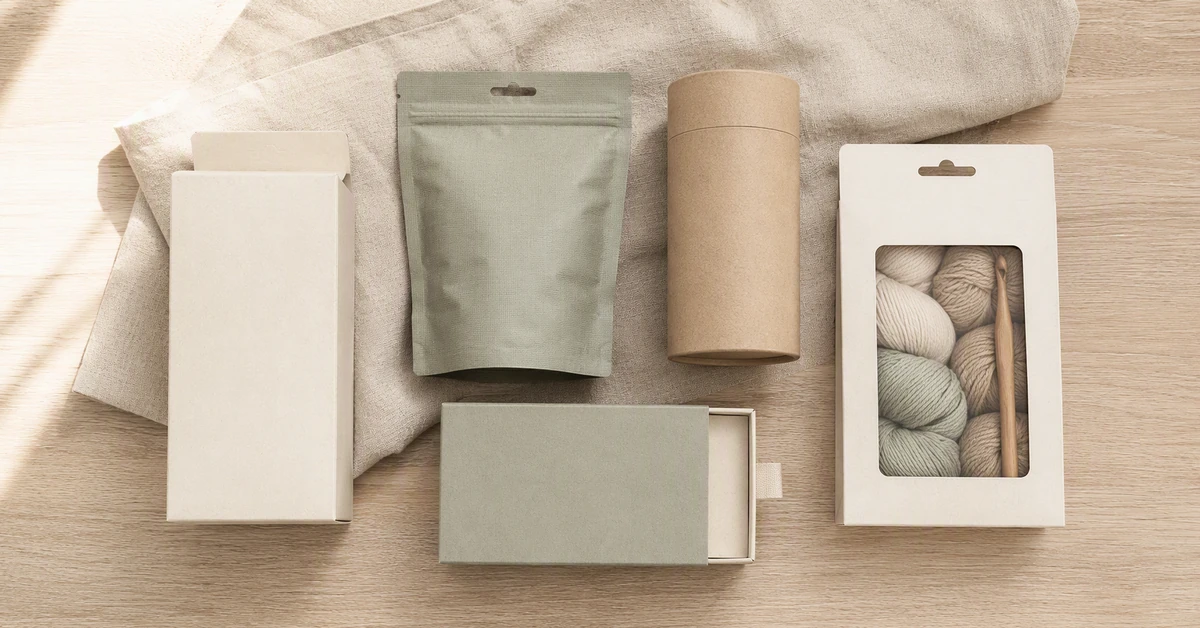
The private-label craft kit collection guide offers assortment directions, while the retail packaging ideas guide shows how format can support different channels and occasions.
Use the crochet kit MOQ guide when a promising trend introduces new yarn, tools, prints or package structures. Shared components can make testing more practical.
Where Onehourcrafts fits
Onehourcrafts supports OEM/ODM development for crochet DIY kits, sewing products, accessories and other craft formats. Buyers can develop focused samples, colorways, contents, instructions and packaging for small retail tests or broader ranges.
Send the customer job and test hypothesis with the inquiry. "We want a portable beginner project for weekend travel" creates a more useful development brief than "show us trending kits."
Frequently asked questions
How often should a retailer review craft trends?
Review signals continuously but make range decisions on a planned calendar. Separate fast content tests from slower inventory and packaging commitments.
Should social-media popularity determine the order?
No. Use it as one signal, then check customer fit, search behavior, price, operational complexity and the retailer's own evidence.
Can one kit address several trends?
Yes, but the customer message needs a clear primary promise. Too many equal claims can make the offer difficult to understand.
What is the lowest-risk trend test?
Content, workshop, waitlist, sample-display or limited-color tests can provide evidence before a large custom inventory order.
How should a retailer measure completion?
Use review language, support questions, post-purchase surveys, user-generated results, workshop observation and repeat purchase. No single metric covers every channel.
Turn trends into decisions
The useful role of craft kit trends for retailers is to reveal customer jobs worth testing. First-success projects, portability, gifting, controlled personalization, displayable results, workshops and reusable organization become commercial opportunities only when the product and trial can prove them.
Contact Onehourcrafts with your target customer, channel, project type, quantity, price direction and test objective to discuss a craft-kit sample or focused range.